Quick Answer
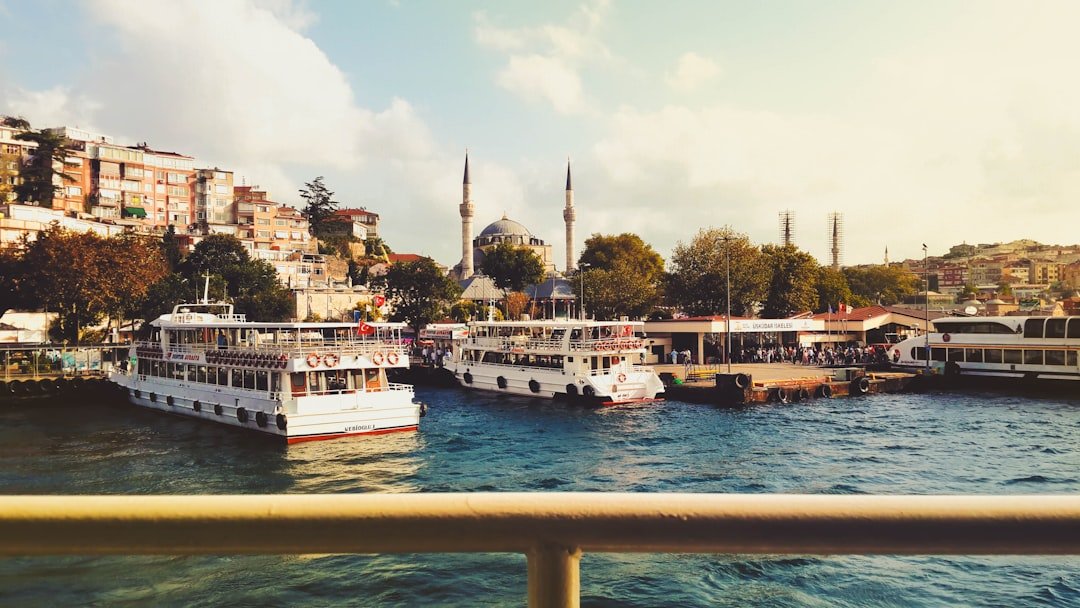
For a first visit, spend Day 1 in Sultanahmet, Day 2 on the Bosphorus and Asian side, and Day 3 in Galata, Karaköy, İstiklal Avenue, and Taksim. Keep Topkapı Palace off Tuesday and the Grand Bazaar off Sunday, and leave room for mosque prayer times, security lines, meals, and ferry delays.
Last checked: October 1, 2026. Dates and figures were verified against official sources.
Key Takeaways
- Hagia Sophia is an active mosque, not a museum; foreign tourists use the designated visitor gallery while the ground-floor prayer area serves worshippers.
- Topkapı Palace is closed on Tuesdays, so swap Day 1 with another day if needed.
- The Grand Bazaar is normally closed on Sundays and religious holidays.
- Public ferries are part of Istanbul’s transport network and are an efficient way to combine Bosphorus views with a visit to Kadıköy.
Day 1: Explore Istanbul’s Old City
Spend your first day in Sultanahmet and the surrounding Historic Peninsula, where many of Istanbul’s best-known Byzantine and Ottoman sites sit within walking distance. Start early, because mosque access, ticket lines, and security checks can slow the day even when the map makes the distances look short.
Start with Hagia Sophia and the Blue Mosque
Begin at Hagia Sophia, one of the city’s defining landmarks. The original draft described it as a museum, but Hagia Sophia now operates as an active mosque. Under the Ministry of Culture and Tourism’s visitor arrangement, tourists are directed through a separate route to the upper gallery so worship can continue on the main floor. See the Ministry’s Hagia Sophia visitor arrangement for the current access system.
Across Sultanahmet Square, the Blue Mosque, or Sultan Ahmed Mosque, remains an active place of worship. Its six minarets, domes, calligraphy, and İznik tiles make it worth seeing even if you have only a short visit. Dress modestly, remove your shoes where directed, and expect tourist access to pause around prayer times, especially on Friday.
Add the Hippodrome and Basilica Cistern
After the mosques, walk through the former Hippodrome area in Sultanahmet Square. The surviving obelisks and monuments give a quick look at the ceremonial center of Byzantine Constantinople without adding much travel time.
The Basilica Cistern is another logical stop because it is close to Hagia Sophia. Its underground columns, reflected light, and Medusa-head bases create a very different atmosphere from the monuments above ground. Allow enough time for a security line and a slow walk through the chamber rather than treating it as a quick photo stop.
Spend the afternoon at Topkapı Palace
Topkapı Palace deserves the largest block of time on Day 1 if Ottoman history interests you. The palace complex includes courtyards, treasury spaces, collections, views over the Bosphorus, Hagia Irene, and the Harem, depending on the ticket you choose.
The official National Palaces page lists Topkapı Palace as closed on Tuesdays, with ticket offices open from 09:00 to 17:00. As of this check, the foreign-visitor combined ticket for Topkapı Palace, Hagia Irene, and the Harem is 2,750 TL. Review the official Topkapı Palace visiting information when arranging your day.
Pro Tip: If you want a relaxed pace, give Topkapı Palace two to three hours and treat the Grand Bazaar as a shorter late-afternoon stop. If shopping matters more than palace interiors, reverse those priorities.
Finish at the Grand Bazaar
End the Old City day at the Grand Bazaar, where covered lanes are filled with jewelry, textiles, ceramics, leather goods, lamps, carpets, and souvenirs. The Ministry of Culture and Tourism’s listing says the bazaar is open 08:30–19:00 except Sundays and religious holidays, so do not build this stop into a Sunday itinerary. See the official Grand Bazaar visitor listing.
You do not need to shop for the visit to be worthwhile. A slow walk through the covered lanes, followed by Turkish tea or coffee nearby, is an easy way to finish a day that has already included several major monuments.
Day 2: Cross the Bosphorus and Explore the Asian Side
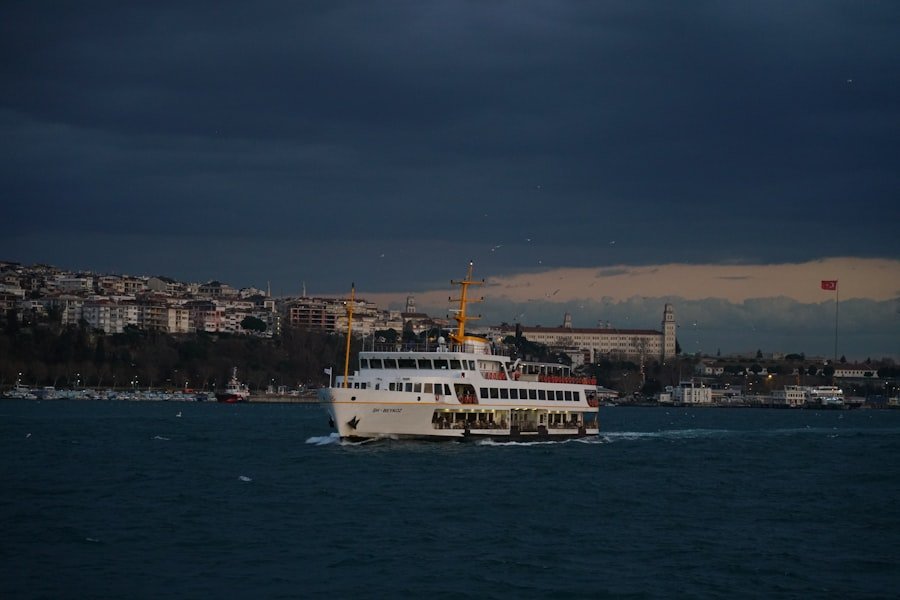
Use Day 2 to see Istanbul from the water and spend several hours on the Asian side. A public ferry keeps this day practical: you get broad Bosphorus views while traveling to Kadıköy rather than paying for a separate sightseeing transfer.
Take a public ferry to Kadıköy
Şehir Hatları operates regular ferry service linking Kadıköy with Karaköy and Eminönü. The exact departure pattern changes by day and time, but the current timetable shows service throughout the day, making it easy to build the crossing into a flexible itinerary. Check the official Kadıköy–Karaköy–Eminönü timetable for your travel date.
On deck, watch the skyline shift from the Historic Peninsula toward the neighborhoods along the Bosphorus. The ferry is part of the experience, so allow time to stand outside if weather and deck access permit.
Explore Kadıköy Market and nearby streets
Kadıköy works well after a monument-heavy first day because the appeal is less about a single landmark and more about markets, food shops, cafés, street life, and residential streets. Browse the market area, stop for lunch, and try familiar Istanbul foods such as simit, döner, meze, or seasonal fish dishes.
If you want a longer walk, continue toward Moda for waterfront paths and neighborhood cafés. This keeps the day compact and avoids another major ticketed attraction.
Choose a waterfront walk or Çamlıca Hill
For an easy afternoon, stay around Kadıköy and Moda and return to the ferry at your own pace. If a high viewpoint matters more, continue to Çamlıca Hill, where parks and elevated viewpoints look across the city. The hill takes more travel time, so it fits best if you are willing to shorten the Kadıköy portion of the day.
Return to the European side by ferry near sunset if the timing works. The changing light over domes, minarets, ferries, and the water gives you a strong final view without adding a separate attraction.
Day 3: See Modern Istanbul, Galata, and Beyoğlu
| Time | Day 3 plan |
|---|---|
| Morning | Galata Tower and the streets around Galata |
| Late morning | Karaköy, Galataport, or Istanbul Modern |
| Afternoon | İstiklal Avenue, Pera, and optional Pera Museum |
| Evening | Taksim Square, dinner, or a rooftop view |
Day 3 shifts from imperial Istanbul to the city’s modern cultural core. Galata, Karaköy, Beyoğlu, İstiklal Avenue, and Taksim connect naturally on foot, though the hills can be tiring. Start lower around Galata or Karaköy, then work toward İstiklal and Taksim.
Start with Galata Tower and Karaköy
Galata Tower is the clearest paid viewpoint in this part of the itinerary. The Ministry of Culture and Tourism currently lists the tower as open daily from 08:30 to 18:30, with the ticket office closing at 18:14. The official e-ticket price is €30 for foreign visitors. See the official Galata Tower e-ticket listing.
After the tower, walk downhill toward Karaköy. The streets between Galata and the waterfront are packed with cafés, small shops, historic buildings, and newer cultural spaces, making this a good section to explore without a strict checklist.
Add Istanbul Modern if art is a priority
Istanbul Modern sits on the Karaköy waterfront and is a strong indoor option for travelers interested in modern and contemporary art. Its current ticket page lists international adult admission at 1,000 TL; the museum is closed on Mondays and remains open later on Fridays. See the official Istanbul Modern ticket page for the current visiting schedule.
If you are not interested in a museum, use the same time for Karaköy, the waterfront, or a slower lunch. Trying to add every museum makes the third day feel rushed.
Walk İstiklal Avenue to Taksim Square
Continue through Beyoğlu toward İstiklal Avenue, one of the city’s busiest pedestrian streets. Historic passages, churches, cafés, shops, galleries, and cultural venues line the route. Pera Museum is a useful optional stop if you want more art, but it is better to choose either Pera Museum or Istanbul Modern rather than rushing through both.
Finish at Taksim Square and the Republic Monument. From here, spend your final evening over dinner, return toward Galata for a rooftop view, or simply walk back down İstiklal after dark when the street takes on a different rhythm.
Which Istanbul Attractions Should You Prioritize?
If three days feels tight, prioritize attractions by what you most want from Istanbul rather than trying to enter every famous building. The strongest first-visit mix is one Byzantine landmark, one Ottoman palace, one market, one Bosphorus crossing, and one modern neighborhood.
- Hagia Sophia and the Blue Mosque: Best for architecture, religious history, and the classic Sultanahmet skyline.
- Topkapı Palace: Best for Ottoman court history, collections, courtyards, and Bosphorus views.
- Basilica Cistern: Best for a short atmospheric stop that contrasts with the mosques and palaces above ground.
- Grand Bazaar: Best for historic market atmosphere, shopping, crafts, and people-watching.
- Galata Tower: Best if a panoramic city view matters enough to justify another paid ticket.
- Kadıköy: Best for food, markets, cafés, and a less monument-focused view of daily Istanbul life.
Do not feel that you have failed if you skip Dolmabahçe Palace, the Princes’ Islands, Balat, or a second major museum. Each can be worthwhile, but adding them to a first three-day visit usually means cutting time from the core route.
Where to Eat in Istanbul
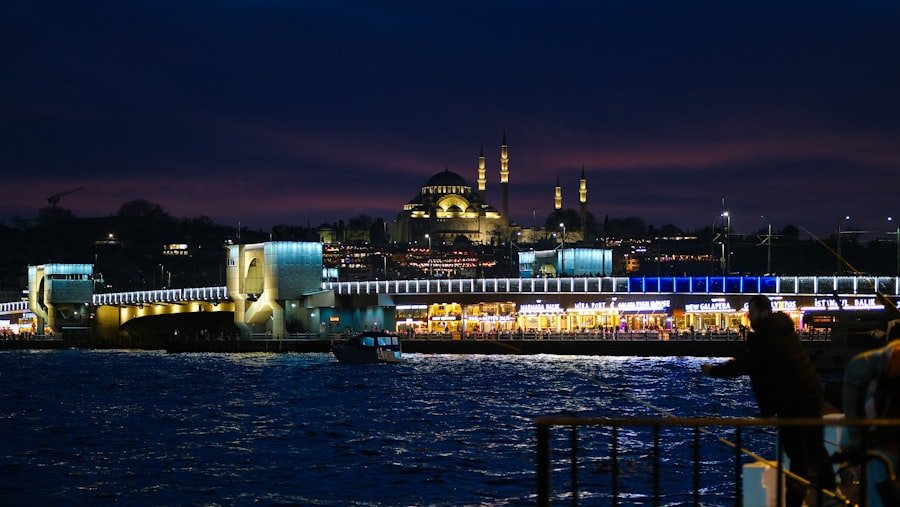
Istanbul’s food scene ranges from market counters and neighborhood lokantas to ambitious contemporary restaurants. For a short visit, mix one traditional sit-down meal, one modern meal if it interests you, and several simple street-food or market stops.
Traditional Turkish Cuisine
For traditional and regional Turkish cooking, Çiya Sofrası in Kadıköy is a useful fit with Day 2 because you do not need to cross the city just for dinner. Dishes change, but the restaurant is known for drawing on regional recipes, stews, vegetable dishes, kebabs, and meze.
You can also eat well without choosing a famous restaurant. A busy lokanta with a visible selection of prepared dishes is often an efficient lunch when you want to spend more time sightseeing.
Modern Twists on Turkish Flavors
Mikla in Beyoğlu remains one of the better-known names for contemporary Anatolian cooking and fits naturally with Day 3. It is a more formal, higher-cost choice than a casual lokanta, so it makes the most sense as a planned final-night meal rather than a spontaneous stop.
Street Food and Local Delights
Street food is part of the city experience, especially around Eminönü and Kadıköy. Look for simit, döner, dürüm, balık ekmek, stuffed mussels, roasted chestnuts in season, and sweets such as baklava, künefe, or dondurma.
Choose busy vendors, look for food that is being cooked or turned over quickly, and use the same food-safety judgment you would use in any large city. If you have allergies or dietary restrictions, ask what is in sauces, fillings, and mixed dishes rather than judging by appearance alone.
Getting Around Istanbul in 3 Days
For this itinerary, you can do much of Day 1 and Day 3 on foot, then use trams, metro, funiculars, buses, and ferries for longer connections. An Istanbulkart is useful because the same rechargeable transit card works across much of the public transport network.
The T1 tram is especially useful around Sultanahmet, Eminönü, and Karaköy. Ferries handle the Bosphorus crossing to Kadıköy, while metro and funicular connections reduce some of the steep walking around Beyoğlu and Taksim.
Taxis can help with luggage, late nights, or awkward routes, but traffic can make them slower than rail or ferry services at busy times. For normal sightseeing, public transport plus walking is usually the simplest combination.
Pro Tip: Wear shoes with good grip. Istanbul’s historic districts include steep streets, polished stone, uneven paving, and long indoor museum walks that can feel harder than the distance suggests.
Tips for a Successful 3-Day Istanbul Itinerary
The biggest planning mistake is treating every day as fixed. Keep the neighborhood structure, but swap whole days when closures, prayer schedules, weather, or your energy level make another order more sensible.
- Build around closure days. Keep Topkapı Palace off Tuesday and the Grand Bazaar off Sunday.
- Start major sights early. This gives you more room for security checks and reduces the chance that one long queue disrupts the rest of the day.
- Dress for active mosques. Cover shoulders and knees, carry a scarf if needed, and follow staff directions about shoes and prayer areas.
- Do not overbook timed attractions. Istanbul traffic, queues, hills, and ferries make back-to-back reservations stressful.
- Keep one flexible meal each day. Markets and neighborhood restaurants are part of the experience, and you may find somewhere you want to stop without planning it in advance.
- Carry water and pace the walking. Even compact sightseeing areas involve stairs, slopes, large palace grounds, and long days on your feet.
- Stay alert in crowded places. The U.S. State Department’s June 9, 2026 advisory places Türkiye at Level 2: Exercise Increased Caution and advises awareness in crowded public spaces. Read the current Türkiye travel advisory before departure.
Learning a few Turkish words such as merhaba (hello), teşekkürler (thank you), and lütfen (please) can also make everyday interactions easier. The best three-day trips leave enough space for a tea stop, a side street, or an extra ferry ride that was not on the original plan.
For a separate cooking idea from this site, see this homemade cottage cheese recipe.
Frequently Asked Questions
Is 3 days enough in Istanbul?
Yes, three full sightseeing days are enough for a strong first visit if you group attractions by area. You can cover Sultanahmet, take a Bosphorus ferry to the Asian side, and spend a day around Galata and Beyoğlu without turning the trip into a nonstop checklist.
What are the highlights of a 3-day itinerary in Istanbul?
The core highlights are Hagia Sophia, the Blue Mosque, Topkapı Palace, the Basilica Cistern, the Grand Bazaar, a Bosphorus ferry ride, Kadıköy, Galata Tower, İstiklal Avenue, and Taksim Square. You can trim one or two paid attractions if you prefer slower meals and neighborhood time.
What is the best time to visit Istanbul?
Spring and autumn are popular for sightseeing because temperatures are generally milder than in midsummer and winter. April to May and September to November are practical windows for long walking days, though rain, heat, crowds, and prices can still vary from week to week.
What currency is used in Istanbul?
The currency is the Turkish lira, abbreviated TRY or shown with the ₺ symbol. Cards are widely useful, but some small purchases, markets, tips, and local businesses may still be easier with cash, so carrying a modest amount of lira is practical.
What is the transportation system like in Istanbul?
Istanbul has metro, tram, bus, funicular, and ferry services that connect the main visitor areas. For this itinerary, walking plus the T1 tram and public ferries covers many of the most useful journeys, while an Istanbulkart simplifies paying across much of the network.
What traditional Turkish dishes should I try in Istanbul?
Good choices include meze, kebabs, döner, pide, köfte, fish dishes, simit, baklava, künefe, Turkish delight, Turkish tea, and Turkish coffee. Kadıköy and Eminönü are useful areas for mixing quick snacks with more traditional sit-down meals during this three-day route.
Is it safe to visit Istanbul as a tourist?
Many travelers visit Istanbul without incident, but no large city or destination is risk-free. Stay alert in crowded transport hubs, markets, attractions, and nightlife areas, protect valuables from petty theft, avoid demonstrations, and review your government’s current travel advice before departure.
Which closure days matter most for this itinerary?
Topkapı Palace is closed on Tuesdays, and the Grand Bazaar is normally closed on Sundays and religious holidays. Istanbul Modern is closed on Mondays, while active mosques can restrict tourist access around prayer times, so swapping whole itinerary days is often easier than rearranging individual stops.
Sources
- Türkiye Ministry of Culture and Tourism: Hagia Sophia tourist access arrangement and upper-gallery visitor route.
- National Palaces of Türkiye: Topkapı Palace closure day, ticket-office hours, and ticket prices.
- Türkiye Culture Portal: Grand Bazaar hours, closure days, and visitor information.
- Şehir Hatları: Kadıköy–Karaköy–Eminönü public ferry timetable.
- Türkiye Ministry of Culture and Tourism Museums: Galata Tower official e-ticket price.
- Istanbul Modern: International admission price, closing day, and visiting schedule.
- U.S. Department of State: Current Türkiye travel advisory and public-space safety guidance.