

The Hagia Sophia, an architectural marvel that has stood the test of time, is a testament to the rich history and cultural evolution of Istanbul. Originally constructed as a cathedral in 537 AD under the Byzantine Emperor Justinian I, it was the largest cathedral in the world for nearly a thousand years. The structure is renowned for its massive dome, which appears to float above the central nave, a feat of engineering that has inspired countless architects throughout history.
The interior is adorned with intricate mosaics, many of which depict Christian iconography, showcasing the artistic prowess of the Byzantine Empire. These mosaics, with their shimmering gold backgrounds and vivid colors, tell stories of faith and devotion, drawing visitors into a world where art and spirituality intertwine. In 1453, following the Ottoman conquest of Constantinople, the Hagia Sophia was converted into a mosque, marking a significant shift in its purpose and symbolism.
The Ottomans added minarets and other Islamic architectural elements, blending their own artistic traditions with the existing Byzantine structure. This transformation reflects the cultural syncretism that characterizes Istanbul itself—a city that has been a crossroads of civilizations for centuries. Today, the Hagia Sophia stands as a museum, allowing visitors to appreciate its multifaceted history.
The interplay of Christian and Islamic elements within its walls serves as a powerful reminder of the city’s diverse heritage and the complex narratives that have shaped it over the millennia.
Key Takeaways
- Hagia Sophia is a historic architectural marvel that has served as a church, mosque, and museum over the centuries.
- The Blue Mosque is a stunning example of Ottoman architecture with its six minarets and beautiful blue tiles.
- The Grand Bazaar is one of the oldest and largest covered markets in the world, offering a wide variety of goods and souvenirs.
- Topkapi Palace was the primary residence of the Ottoman sultans for over 400 years and is now a museum showcasing imperial collections.
- A Bosphorus Cruise offers breathtaking views of Istanbul’s skyline and the opportunity to see iconic landmarks from the water.
The Stunning Blue Mosque
Adjacent to the Hagia Sophia lies the Blue Mosque, officially known as the Sultan Ahmed Mosque, an iconic symbol of Istanbul’s skyline. Completed in 1616 during the reign of Sultan Ahmed I, this mosque is celebrated for its stunning architecture and striking blue tiles that adorn its interior. The mosque’s design features a grand central dome flanked by smaller domes and six minarets, a unique characteristic that distinguishes it from other mosques in the city.
The use of blue Iznik tiles throughout the interior creates a serene atmosphere, reflecting light in a way that enhances the spiritual experience for worshippers and visitors alike. The Blue Mosque is not only an architectural wonder but also a vibrant center of community life. Its spacious courtyard serves as a gathering place for locals and tourists, while the prayer hall resonates with the sounds of daily prayers.
Visitors are often struck by the harmonious blend of artistry and functionality within the mosque. The intricate calligraphy and floral motifs that adorn its walls are not merely decorative; they serve to inspire contemplation and reflection. As one wanders through its vast halls, it becomes evident that the Blue Mosque is more than just a place of worship; it is a living testament to Istanbul’s enduring legacy as a city where faith and artistry coexist.
The Grand Bazaar
The Grand Bazaar, one of the oldest and largest covered markets in the world, is a sensory overload that captures the essence of Istanbul’s vibrant culture. Established in the 15th century, this sprawling marketplace features over 4,000 shops spread across 61 streets, offering everything from exquisite textiles and handcrafted jewelry to aromatic spices and traditional Turkish delights. The bazaar’s labyrinthine layout invites exploration, with each turn revealing new treasures and hidden gems.
The atmosphere is alive with the sounds of bargaining voices, the scent of spices wafting through the air, and the vibrant colors of goods on display. Shopping in the Grand Bazaar is not merely a transaction; it is an experience steeped in tradition. Vendors often engage customers with friendly banter, inviting them to sample products or share stories about their crafts.
Haggling is an integral part of the shopping culture here, where both buyers and sellers engage in a dance of negotiation that can be both entertaining and rewarding. Beyond shopping, the Grand Bazaar serves as a social hub where locals gather to connect and share news. Its historical significance as a center of commerce reflects Istanbul’s role as a vital trade route between East and West, making it a must-visit destination for anyone seeking to immerse themselves in the city’s rich tapestry of life.
The Topkapi Palace
| Category | Metric |
|---|---|
| Location | Istanbul, Turkey |
| Construction | 1465-1478 |
| Area | 700,000 square meters |
| Architectural Style | Ottoman |
| Significance | Historical residence of Ottoman sultans |
The Topkapi Palace stands as a monumental symbol of Ottoman power and opulence, offering visitors a glimpse into the lavish lifestyle of sultans who ruled from this grand complex for centuries. Constructed in the mid-15th century by Sultan Mehmed II, this sprawling palace served as both a residence and administrative center for the Ottoman Empire. Its architecture showcases a blend of Islamic and Byzantine influences, with intricately designed courtyards, lush gardens, and ornate rooms filled with priceless artifacts.
The palace’s layout is designed to reflect hierarchical structures within the empire, with different sections reserved for various functions and levels of society. One of the most captivating aspects of Topkapi Palace is its extensive collection of treasures, including exquisite jewelry, ceremonial weapons, and religious relics. Among these artifacts is the famous Topkapi Dagger and an impressive collection of manuscripts that highlight the empire’s rich literary heritage.
Visitors can explore the Harem section, which offers insight into the private lives of sultans and their families, revealing stories of intrigue and power dynamics within the royal court. As one wanders through its opulent halls and serene gardens overlooking the Bosphorus Strait, it becomes clear that Topkapi Palace is not just a historical site; it is a living narrative of an empire that once spanned three continents.
The Bosphorus Cruise
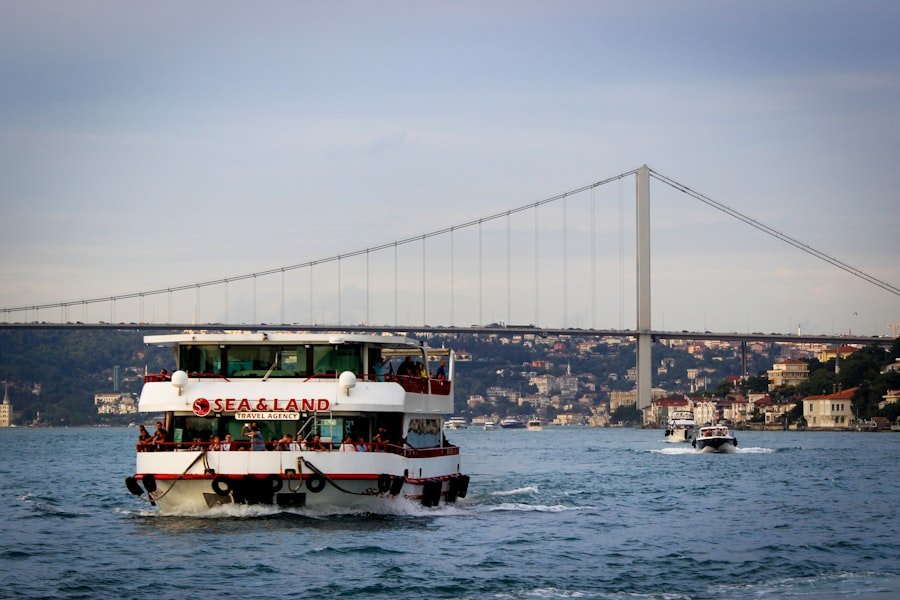
A Bosphorus cruise offers an unparalleled perspective on Istanbul’s stunning skyline and its unique geographical position straddling two continents—Europe and Asia. As one glides along this iconic strait, which connects the Black Sea to the Sea of Marmara, breathtaking views unfold at every turn. The shores are lined with historic palaces, charming waterfront houses known as yalis, and bustling neighborhoods that reflect the city’s diverse cultural heritage.
The experience is enhanced by knowledgeable guides who share fascinating stories about landmarks such as Dolmabahçe Palace and Rumeli Fortress, enriching visitors’ understanding of Istanbul’s history. The Bosphorus is not only significant for its beauty but also for its role in shaping Istanbul’s identity as a maritime hub. The waters have witnessed centuries of trade, cultural exchange, and naval battles that have left an indelible mark on the city’s history.
A cruise at sunset transforms this experience into something magical; as the sun dips below the horizon, casting golden hues across the water, one can appreciate why poets and artists have long been inspired by this enchanting landscape. Whether enjoyed on a luxurious yacht or a traditional ferry, a Bosphorus cruise encapsulates Istanbul’s essence—a city where history flows as freely as its waters.
The Spice Bazaar
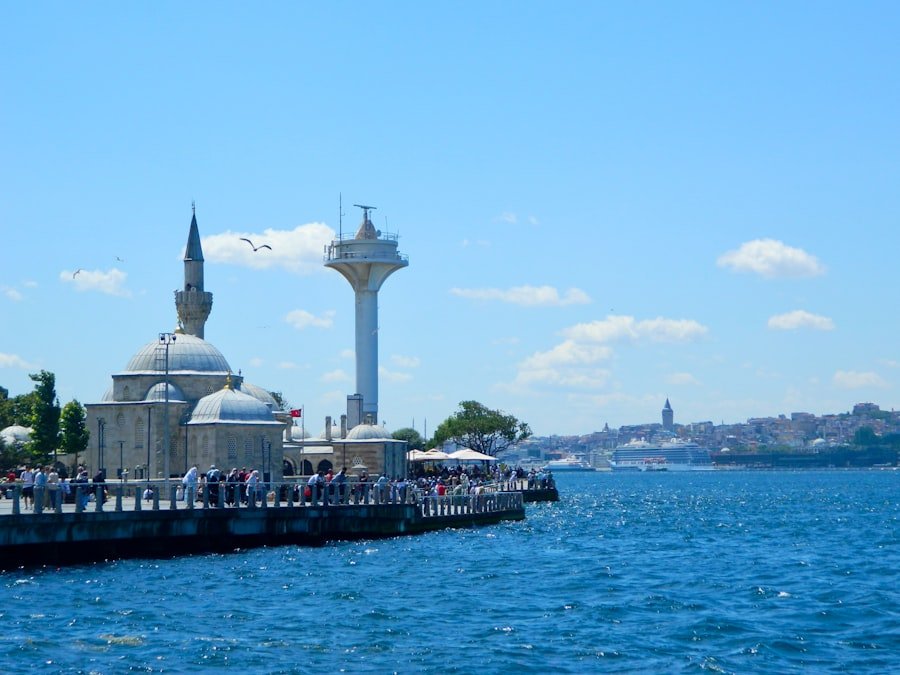
The Spice Bazaar, or Egyptian Bazaar as it is sometimes called, is another gem in Istanbul’s rich tapestry of markets. Established in 1660 as part of the New Mosque complex, this vibrant market specializes in spices but also offers an array of other goods such as dried fruits, nuts, sweets, and herbal teas. The air is thick with enticing aromas—cinnamon, saffron, and sumac mingle together to create an intoxicating sensory experience that transports visitors to another time and place.
Each stall is brimming with colorful displays that invite exploration; merchants proudly showcase their products while sharing stories about their origins. Beyond being a marketplace for spices, this bazaar serves as a cultural hub where culinary traditions come alive. Visitors can sample local delicacies such as Turkish delight or baklava while learning about their significance in Turkish cuisine.
The Spice Bazaar also reflects Istanbul’s historical role as a center for trade along ancient spice routes connecting Europe to Asia. This rich history adds depth to every purchase made here; buying spices becomes not just an act of shopping but an engagement with centuries-old traditions that continue to thrive in modern-day Istanbul.
The Galata Tower
Rising majestically above the Golden Horn is the Galata Tower, an iconic landmark that offers panoramic views of Istanbul’s sprawling landscape. Originally built in 1348 by Genoese settlers as part of their fortifications, this medieval stone tower has served various purposes throughout its history—from watchtower to fire lookout to prison. Its cylindrical shape and conical roof make it one of Istanbul’s most recognizable structures.
Climbing to its observation deck rewards visitors with breathtaking vistas that encompass both sides of the city—the historic peninsula on one side and modern skyscrapers on the other. The Galata Tower also holds cultural significance beyond its architectural beauty; it has inspired countless artists and writers over generations. Its presence in literature and art reflects Istanbul’s duality—a city steeped in history yet constantly evolving.
As visitors ascend its narrow spiral staircase lined with ancient stones worn smooth by time, they are reminded that they are walking through layers of history. The tower’s café at the top provides an ideal spot to savor Turkish tea while soaking in views that stretch across rooftops dotted with minarets—a perfect moment to reflect on Istanbul’s unique blend of past and present.
The Chora Church
The Chora Church, known for its stunning mosaics and frescoes, is often considered one of Istanbul’s hidden treasures. Originally built as a monastery in the 4th century and later converted into a mosque after the Ottoman conquest, this church exemplifies Byzantine artistry at its finest. Its interior is adorned with some of the most exquisite mosaics depicting biblical scenes—each piece meticulously crafted to convey deep spiritual narratives through vibrant colors and intricate details.
These artworks not only showcase technical skill but also reflect theological themes central to Orthodox Christianity. Visiting Chora Church offers an intimate glimpse into Byzantine religious life; unlike larger sites like Hagia Sophia or Blue Mosque, it provides a more personal experience away from bustling crowds. The church’s serene atmosphere invites contemplation as one gazes upon scenes from Christ’s life or figures like Mary and saints rendered in shimmering gold tiles.
This sacred space serves as both an artistic masterpiece and a historical artifact—its walls whispering stories from centuries past while standing resilient against time’s passage. For those seeking to understand Istanbul’s layered history through art and faith, Chora Church remains an essential destination that captivates all who enter its hallowed halls.
If you’re looking for a unique culinary experience in Istanbul, be sure to check out the article Delicious Homemade Cottage Cheese: A Simple and Healthy Recipe. This article explores the process of making homemade cottage cheese, a delicious and healthy option for those looking to try something new. Istanbul is known for its diverse and flavorful cuisine, so why not try your hand at making a traditional Turkish dish during your visit?
FAQs
What are the top attractions in Istanbul?
Some of the top attractions in Istanbul include the Hagia Sophia, Blue Mosque, Topkapi Palace, Grand Bazaar, and the Bosphorus Strait.
What are some must-do activities in Istanbul?
Must-do activities in Istanbul include taking a Bosphorus cruise, visiting the Spice Bazaar, exploring the historic neighborhoods of Sultanahmet and Beyoglu, and indulging in Turkish cuisine.
What is the best time to visit Istanbul?
The best time to visit Istanbul is during the spring (April to May) and fall (September to November) when the weather is mild and the tourist crowds are smaller.
What are some cultural experiences to have in Istanbul?
Cultural experiences in Istanbul include watching a traditional Turkish dance performance, visiting a Turkish bath (hammam), and attending a Whirling Dervishes ceremony.
What are some family-friendly attractions in Istanbul?
Family-friendly attractions in Istanbul include the Istanbul Aquarium, Miniaturk Park, and the Princes’ Islands for a relaxing day trip.
What are some off-the-beaten-path attractions in Istanbul?
Off-the-beaten-path attractions in Istanbul include the Chora Church, Suleymaniye Mosque, and the Fener and Balat neighborhoods for a glimpse of local life.