

Lokum, often referred to as Turkish delight, has a rich and storied history that dates back to the Ottoman Empire. Its origins can be traced to the 15th century, where it was initially created as a sweet treat for the sultans and their courts. The earliest forms of lokum were quite different from what we know today; they were primarily made from honey and various nuts, reflecting the culinary practices of the time.
The name “lokum” itself is derived from the Arabic word “rahat al-hulkum,” which translates to “comfort of the throat,” a nod to its soft, chewy texture that was believed to soothe the throat. As the centuries progressed, lokum evolved significantly. By the 19th century, it had become a popular confection not only in Turkey but also in Europe, particularly in countries like Greece and Bulgaria.
The introduction of sugar and starch into the recipe marked a pivotal moment in its development, allowing for a wider variety of flavors and textures. The confection became synonymous with hospitality and generosity, often served to guests as a sign of welcome. This cultural significance only deepened as lokum became intertwined with various traditions and celebrations, solidifying its place in Turkish culture.
Key Takeaways
- Lokum, also known as Turkish delight, has a rich history dating back to ancient times and continues to be a beloved treat in modern day.
- The irresistible taste of Lokum comes from a combination of ingredients such as sugar, starch, and flavorings like rosewater, mastic, or nuts.
- There are a wide variety of flavors and types of Lokum to indulge in, from traditional rose and lemon to modern twists like pistachio and chocolate.
- Making Lokum at home is a rewarding process that involves boiling sugar syrup, adding starch, and flavorings, then cutting and coating the pieces in powdered sugar.
- Istanbul is the best place to find the finest Lokum, with local shops and markets offering a wide selection of flavors and high-quality confections.
The Ingredients that Make Lokum So Irresistible
The allure of lokum lies in its simple yet delightful ingredients. At its core, lokum is made from sugar, water, and cornstarch, which together create a gelatinous base that can be flavored and colored in myriad ways. The process begins by boiling sugar and water to create a syrup, which is then combined with cornstarch to form a thick paste.
This mixture is cooked until it reaches the desired consistency, resulting in the signature chewy texture that defines lokum. Flavoring is where the magic truly happens. Traditional flavors include rosewater, lemon, and orange blossom, each imparting a unique aroma and taste that elevates the confection.
In addition to these classic flavors, modern variations have introduced ingredients like pistachios, walnuts, and hazelnuts, adding a delightful crunch to the otherwise soft treat. Natural colorings derived from fruits or spices are often used to enhance the visual appeal of lokum, making it not only a treat for the palate but also for the eyes.
The Different Flavors and Varieties of Lokum to Indulge In
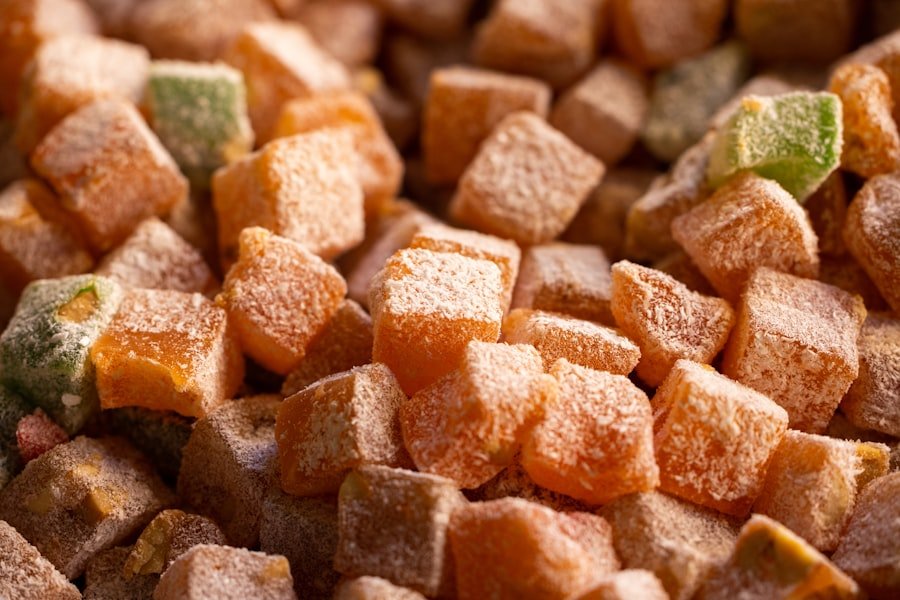
Lokum is celebrated for its diverse range of flavors and varieties, catering to a wide array of palates. Traditional flavors such as rosewater and lemon remain timeless favorites, often evoking nostalgia for those who grew up enjoying these treats. Rosewater lokum is particularly popular for its fragrant aroma and delicate taste, while lemon-flavored lokum offers a refreshing citrus zing that balances sweetness with tartness.
In addition to these classics, contemporary variations have emerged that incorporate nuts and spices. For instance, pistachio lokum is a beloved choice among many, combining the nutty flavor of pistachios with the chewy sweetness of the base. Other popular varieties include coconut-laden lokum, which adds an exotic twist with its tropical flavor profile.
Some artisans even experiment with unconventional ingredients like matcha or coffee, creating unique fusions that appeal to modern tastes.
How to Make Your Own Lokum at Home: A Step-by-Step Guide
| Step | Description |
|---|---|
| 1 | Gather the ingredients: sugar, water, cornstarch, cream of tartar, flavoring, and powdered sugar for dusting. |
| 2 | Mix the sugar, water, and cream of tartar in a saucepan and bring to a boil. |
| 3 | Add the cornstarch and water mixture to the boiling sugar mixture, stirring constantly. |
| 4 | Cook the mixture until it thickens and becomes translucent. |
| 5 | Remove from heat, add flavoring, and pour into a prepared pan to set. |
| 6 | Let the lokum set for several hours or overnight. |
| 7 | Cut the lokum into squares and dust with powdered sugar. |
Creating lokum at home can be a rewarding experience that allows you to customize flavors and ingredients to your liking. To begin your lokum-making journey, gather essential ingredients: sugar, water, cornstarch, lemon juice, and any desired flavorings or nuts. Start by preparing a baking dish lined with parchment paper to hold your finished lokum.
Begin by combining sugar and water in a saucepan over medium heat.
In a separate bowl, mix cornstarch with water until smooth.
Once the sugar syrup reaches a rolling boil, gradually add the cornstarch mixture while continuously stirring. This step is crucial for achieving the right consistency; continue cooking until the mixture thickens significantly and becomes translucent. Once thickened, remove the saucepan from heat and stir in your chosen flavorings—rosewater or lemon juice are excellent options.
Pour the mixture into your prepared baking dish and let it cool at room temperature for several hours or overnight. Once set, dust the top with powdered sugar or desiccated coconut before cutting it into bite-sized pieces. Enjoy your homemade lokum as a delightful treat or share it with friends and family.
Where to Find the Best Lokum in Istanbul: A Local’s Guide
Istanbul is a treasure trove for those seeking authentic lokum experiences. One of the most renowned places to find high-quality lokum is at Hacı Bekir, a historic confectionery shop established in 1777. Located in the Eminönü district, Hacı Bekir is often credited with popularizing lokum beyond Turkey’s borders.
Their selection includes traditional flavors as well as innovative combinations that showcase the artistry of Turkish confectionery. Another must-visit spot is Mendel’s Lokum in Kadıköy, known for its artisanal approach to making lokum. Here, you can find unique flavors such as pomegranate and saffron-infused varieties that reflect modern culinary trends while honoring traditional techniques.
The shop’s commitment to quality ingredients ensures that each piece of lokum is not only delicious but also crafted with care.
The Cultural Significance of Lokum in Turkish Cuisine and Tradition
Lokum holds a special place in Turkish culture, symbolizing hospitality and generosity. It is often served during special occasions such as weddings, religious holidays, and family gatherings. The act of offering lokum to guests is seen as a gesture of goodwill and warmth, reinforcing social bonds within communities.
In many households, it is customary to present lokum alongside Turkish coffee or tea when entertaining visitors. Beyond its role in hospitality, lokum also features prominently in various cultural rituals. For instance, during engagements or weddings, it is common for families to exchange boxes of lokum as part of their celebrations.
This practice not only signifies joy but also serves as a way to share blessings among loved ones. As such, lokum transcends mere confectionery; it embodies the spirit of togetherness that is central to Turkish culture.
Pairing Lokum with Turkish Tea: A Match Made in Heaven
The pairing of lokum with Turkish tea is an age-old tradition that enhances the enjoyment of both treats. Turkish tea, known for its strong flavor and aromatic qualities, complements the sweetness of lokum beautifully. The contrast between the robust tea and the delicate confection creates a harmonious balance that elevates the overall tasting experience.
When serving lokum with tea, consider offering a variety of flavors to cater to different preferences.
Alternatively, citrus-flavored lokum can be enjoyed alongside herbal teas like chamomile or mint for a refreshing twist.
This thoughtful pairing not only showcases the versatility of both lokum and tea but also invites guests to explore new flavor combinations.
The Health Benefits of Lokum: Is It Really a Guilt-Free Treat?
While lokum is undoubtedly a sweet indulgence, it also offers some surprising health benefits when consumed in moderation. One notable advantage is its use of natural ingredients such as nuts and fruit extracts in many varieties. Nuts like pistachios or walnuts provide essential fatty acids and protein, contributing to overall health when included as part of a balanced diet.
Additionally, certain flavors of lokum—particularly those infused with herbal extracts—can offer potential health benefits as well. For instance, rosewater has been traditionally used for its calming properties and may aid digestion when consumed after meals. However, it’s essential to remember that while lokum can be enjoyed as part of a healthy lifestyle, moderation is key due to its high sugar content.
The Art of Gifting Lokum: A Timeless Gesture of Generosity
Gifting lokum has long been regarded as an expression of generosity and thoughtfulness in Turkish culture. Whether presented during festive occasions or simply as a token of appreciation, lokum serves as an ideal gift due to its beautiful presentation and delightful taste. Many shops offer elegantly packaged boxes adorned with intricate designs that make them perfect for gifting.
The act of giving lokum transcends mere material exchange; it symbolizes goodwill and connection between individuals. In many families, it is customary to bring boxes of lokum when visiting friends or relatives as a sign of respect and affection. This tradition reinforces social ties while allowing recipients to indulge in a beloved treat that carries cultural significance.
Exploring the Best Lokum Shops and Markets in Istanbul
Istanbul boasts an array of shops and markets where one can discover exceptional lokum offerings. In addition to Hacı Bekir and Mendel’s Lokum mentioned earlier, another noteworthy destination is Çiçek Pasajı (Flower Passage) located in Beyoğlu. This historic arcade features numerous confectionery shops where visitors can sample various types of lokum while enjoying the vibrant atmosphere filled with local vendors.
For those seeking an immersive experience into Istanbul’s culinary scene, visiting local markets such as Kadıköy Market or Spice Bazaar can be rewarding. These bustling hubs offer an opportunity to explore different stalls selling homemade lokum alongside other traditional sweets like baklava or halva. Engaging with local vendors allows visitors to learn about regional specialties while indulging their sweet tooth.
The Future of Lokum: Modern Twists and Innovations in a Classic Confectionary
As culinary trends continue to evolve globally, so too does the world of lokum. Innovative artisans are experimenting with new flavors and techniques that push the boundaries of this classic confectionery while still honoring its rich heritage. For instance, some contemporary makers are incorporating superfoods like matcha or activated charcoal into their recipes—creating visually striking treats that appeal to health-conscious consumers.
Moreover, there has been a growing interest in vegan-friendly options within the lokum market. By substituting traditional gelatin-based ingredients with plant-based alternatives such as agar-agar or pectin derived from fruits, artisans are making this beloved treat accessible to those following vegan diets without compromising on taste or texture. In conclusion, while lokum remains deeply rooted in tradition and history, its future looks bright as it adapts to modern tastes and preferences while retaining its cultural significance within Turkish cuisine.
If you’re a fan of exploring unique and delicious foods, you may also enjoy reading about the delightful world of Asian melon. This article from Tagline Today takes you on a journey through the different varieties of Asian melon and how they are enjoyed in various dishes and desserts. Check it out here for a taste of something new and exciting.
FAQs
What is lokum?
Lokum, also known as Turkish delight, is a sweet confection made from starch and sugar, flavored with various ingredients such as rosewater, lemon, or nuts. It is often coated with powdered sugar or coconut.
Where can I find the best lokum in Istanbul?
Istanbul is known for its delicious lokum, and there are many shops and markets where you can find high-quality lokum. Some popular places to buy lokum in Istanbul include the Grand Bazaar, Spice Bazaar, and famous confectionery shops like Hafiz Mustafa and Koska.
What are the different flavors of lokum available in Istanbul?
In Istanbul, you can find a wide variety of lokum flavors, including rose, lemon, orange, pomegranate, mint, and various nut flavors such as pistachio and hazelnut. Some shops also offer unique flavors like chocolate-covered lokum.
Can I buy lokum as a souvenir in Istanbul?
Yes, lokum makes a popular souvenir from Istanbul. Many shops offer beautifully packaged boxes of lokum that make for a perfect gift or memento of your trip to the city.
Is it possible to sample different types of lokum before purchasing in Istanbul?
Yes, many lokum shops in Istanbul offer free samples for customers to try before making a purchase. This allows you to taste and compare different flavors before deciding which ones to buy.