Istanbul’s Asian side offers a different way to experience the city: neighborhood markets, Bosphorus waterfronts, Ottoman landmarks, parks, cafés, and nightlife without concentrating your day around the historic peninsula. The main visitor hubs are Kadıköy and Üsküdar, both easy to reach from Europe by ferry or rail. A full day is enough for the highlights, while a second day lets you add Beylerbeyi, Çamlıca, or a longer nature outing.
Quick Answer
Yes, the Asian side of Istanbul is worth visiting if you want local markets, waterfront walks, Ottoman sights, parks, food, and a more residential atmosphere. Start with Kadıköy for food and nightlife, Üsküdar for Bosphorus views and historic mosques, and add Çamlıca or Beylerbeyi if you have a full day.
Last checked: October 1, 2026. Dates and figures were verified against official sources.
Key Takeaways
- The ferry is the most scenic way to cross the Bosphorus, while Marmaray is usually the most direct rail option.
- Kadıköy suits food, cafés, shopping, and evening entertainment; Üsküdar is stronger for mosques, waterfront scenery, and historic atmosphere.
- Maiden’s Tower and Beylerbeyi Palace are ticketed attractions, while waterfront walks and many neighborhood experiences cost nothing.
- Çamlıca gives you a high panoramic view, while Moda is better for an easy seaside walk and sunset.
- Allow a full day for Kadıköy and Üsküdar rather than treating the Asian side as a quick ferry stop.
How to Get to the Asian Side of Istanbul
The easiest ways to reach the Asian side are the public ferries and Marmaray. Ferries are best when you want views of the Bosphorus and skyline, while Marmaray is useful when speed or bad weather matters more.
Şehir Hatları operates routes linking Kadıköy and Üsküdar with European-side piers including Eminönü, Karaköy, Kabataş, and Beşiktaş. As of October 1, 2026, the official Şehir Hatları fare table lists a 65.21 TL full Istanbulkart fare for Eminönü/Karaköy–Kadıköy, 62.70 TL for Kadıköy–Kabataş, and 58.52 TL for Üsküdar–Eminönü.
| Route | Best for | Full Istanbulkart fare |
|---|---|---|
| Eminönü/Karaköy–Kadıköy | Kadıköy market, Moda, nightlife | 65.21 TL |
| Eminönü–Üsküdar | Üsküdar waterfront and mosques | 58.52 TL |
| Kabataş–Kadıköy | Connections from Taksim and the northern European shore | 62.70 TL |
Marmaray is no longer limited to the original Kazlıçeşme–Ayrılık Çeşmesi section. The current Halkalı–Gebze corridor crosses beneath the Bosphorus and serves stations including Sirkeci, Üsküdar, Ayrılık Çeşmesi, Söğütlüçeşme, Bostancı, and stations farther east.
Once you arrive, the Asian side has an extensive metro network. The Metro İstanbul network includes the M4 from Kadıköy to Sabiha Gökçen Airport, the M5 from Üsküdar toward Sultanbeyli, the M8 through Bostancı, and the T3 Kadıköy–Moda tram.
Pro Tip: Cross by ferry for the views and use Marmaray for the return journey if you are tired or the weather turns poor. Check your return connection before a late evening because ferry and metro operating hours vary by line.
Must-See Attractions on the Asian Side of Istanbul
)
The Asian side combines waterfront landmarks, Ottoman architecture, modern viewpoints, and neighborhood life. Maiden’s Tower, Beylerbeyi Palace, and Çamlıca are the strongest choices if you want major sights beyond Kadıköy’s streets and markets.
Maiden’s Tower
Maiden’s Tower, or Kız Kulesi, stands on a small islet just off Üsküdar. It has served several purposes through its long history, including defense, maritime navigation, and quarantine, and now operates as a restored cultural monument and museum.
The official Maiden’s Tower visitor page says Museum Pass Türkiye holders can enter without an admission charge but still pay a 110 TL transportation fee. For visitors without the pass, the page currently displays a museum/audio-guide price of “27 + 8 Euro,” excluding transportation.
You do not have to visit the islet to enjoy the landmark. The Salacak waterfront in Üsküdar gives you one of the clearest views of the tower with the European skyline behind it, especially around sunset.
Beylerbeyi Palace
Beylerbeyi Palace is a 19th-century Ottoman summer palace on the Bosphorus in Üsküdar. Built for Sultan Abdülaziz between 1863 and 1865, it later hosted foreign rulers and dignitaries.
According to the Presidency of National Palaces, the palace is closed on Mondays. Ticket offices operate from 09:00 to 17:00, and the current foreign visitor ticket is 800 TL. The domestic visitor price is 200 TL, while the garden ticket is 100 TL.
Çamlıca Hill and Çamlıca Mosque
Çamlıca Hill is one of the best elevated viewpoints on the Asian side. The official Istanbul tourism page places the hill at about 268 meters above sea level, with views over the Bosphorus, Sea of Marmara, and historic peninsula.
The hill also contains gardens and sits beside the large Çamlıca Mosque complex. It works well as a late-afternoon stop, but it requires more travel time than Kadıköy or central Üsküdar.
Exploring Asian-Side Neighborhoods and Culture
Kadıköy and Üsküdar offer the strongest contrast for a first visit. Kadıköy is energetic and food-focused, while Üsküdar feels more historic and closely tied to the Bosphorus and working neighborhood mosques.
| District | 2025 Population | Visitor Highlights | Best For |
|---|---|---|---|
| Kadıköy | 458,573 | Kadıköy Market, Moda, Bahariye, Bağdat Avenue area | Food, cafés, shopping, nightlife |
| Üsküdar | 514,294 | Maiden’s Tower, Kuzguncuk, Beylerbeyi, Çamlıca | History, mosques, Bosphorus views |
| Maltepe | 525,044 | Marmara waterfront and large recreation areas | Long walks, cycling, residential Istanbul |
The population figures above use the 2025 Adrese Dayalı Nüfus Kayıt Sistemi reporting period published by TÜİK.
Kadıköy and Moda
Kadıköy is the easiest district for visitors who want to mix sightseeing with food and everyday city life. Its central market streets sell fish, produce, cheese, olives, spices, sweets, and other local foods within walking distance of the ferry piers.
Bahariye Caddesi adds shops, bookstores, cafés, and the Süreyya Opera House area. From there, continue toward Moda for quieter residential streets and a long waterfront where people walk, sit on the grass, and watch the sun drop behind the European skyline.
Moda also connects to central Kadıköy by the T3 nostalgic tram. If you only have half a day on the Asian side, Kadıköy Market plus Moda is one of the easiest combinations.
Üsküdar, Salacak, and Kuzguncuk
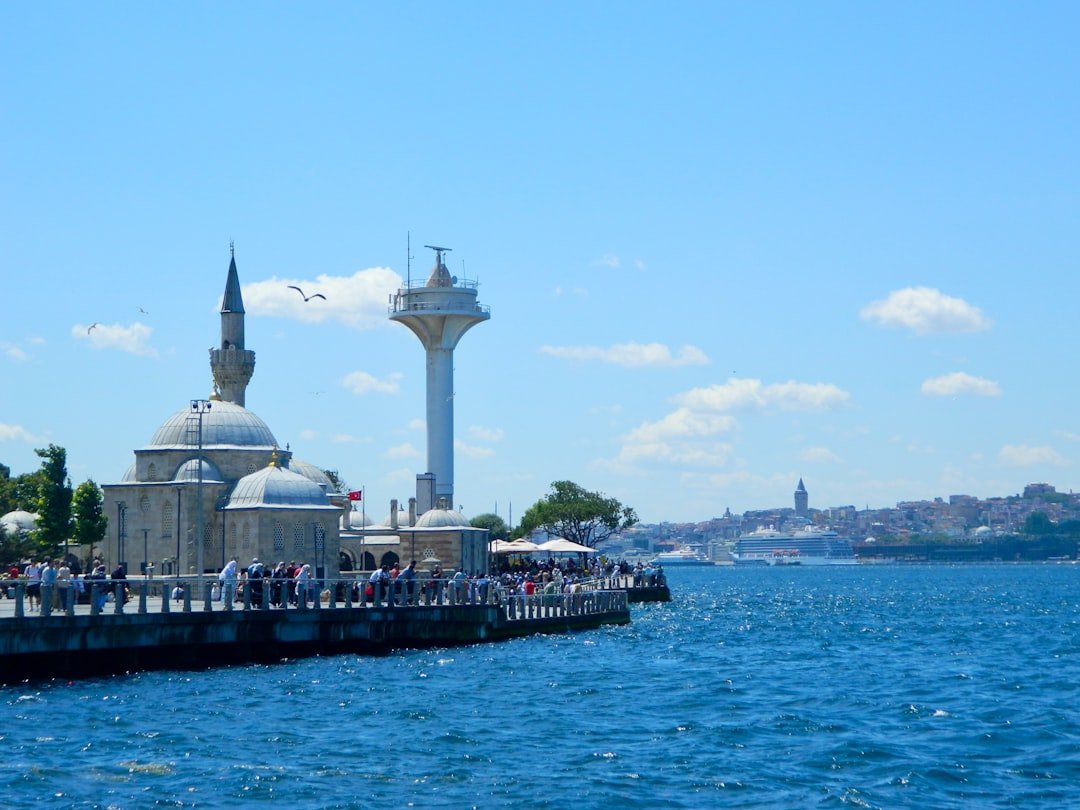
Üsküdar suits visitors who want Ottoman religious architecture and open Bosphorus views. Near the ferry area you can see Mihrimah Sultan Mosque and Şemsi Pasha Mosque before walking south toward Salacak and the Maiden’s Tower viewpoint.
North of central Üsküdar, Kuzguncuk has narrow streets, historic houses, cafés, and religious buildings associated with the neighborhood’s Muslim, Jewish, Greek Orthodox, and Armenian communities. It is compact enough to combine with Üsküdar rather than treating it as a separate day.
Dining and Nightlife on the Asian Side
Kadıköy has the broadest dining and nightlife choices on the Asian side. You can move from a traditional breakfast or market lunch to meze, seafood, kebabs, dessert, coffee, and evening bars without traveling far from the ferry terminal.
The streets around Kadıköy Market are particularly useful when you want to sample several foods in one visit. Turkish breakfast, grilled meat, seafood, börek, baklava, künefe, and Turkish coffee are easy to find, while market shops make it possible to browse regional cheeses, olives, pickles, spices, and sweets.
Nightlife is concentrated more heavily in Kadıköy than in Üsküdar. Kadife Sokak and surrounding streets contain bars and music venues, while Moda offers a calmer evening built around cafés, restaurants, and the waterfront.
Üsküdar is better suited to tea gardens, cafés, waterfront dining, and an early evening walk. This difference makes it practical to spend the daytime in Üsküdar and finish the day in Kadıköy if you want a livelier night.
Outdoor Activities and Nature on the Asian Side
)
The Asian side has more to offer outdoors than waterfront sightseeing alone. Coastal parks around Kadıköy and Maltepe work well for short walks, while the forests and nature areas farther north are better when you want to spend several hours away from dense city streets.
Fenerbahçe Park and the Kadıköy Coast
Fenerbahçe Parkı gives you greenery beside the Sea of Marmara, with paths, seating areas, and coastal views. It fits naturally after Kadıköy or Moda if you want to extend a seaside walk without leaving the urban area.
The broader Kadıköy coast is also popular for walking, jogging, cycling, picnics, and sunset views. Farther east, the Maltepe waterfront provides another long recreational area with more open space.
Polonezköy Nature Park
For a more substantial nature trip, Polonezköy sits in Beykoz on the Asian side. The official Istanbul tourism guide describes a roughly 5-kilometer walking track and opportunities for hiking, cycling, and picnicking.
Polonezköy requires more travel time than the central waterfront districts, so it makes more sense as a half-day or day trip. The official tourism page states that admission is charged but does not publish a current entrance amount.
Shopping and Markets on the Asian Side
Shopping ranges from traditional food markets in Kadıköy to fashion and international brands along Bağdat Avenue. Choose Kadıköy if you want atmosphere and local products; choose Bağdat Avenue if you prefer a polished high-street experience.
Kadıköy Market is useful for edible souvenirs and everyday Turkish food shopping. Its surrounding streets also contain bookstores, clothing shops, antiques, cafés, and small independent businesses, so browsing can easily fill a few hours.
Bağdat Avenue runs through the residential districts southeast of central Kadıköy and is known for fashion stores, restaurants, cafés, and major brands. It feels very different from the Grand Bazaar: this is modern Istanbul shopping rather than a historic market experience.
Pro Tip: Do not try to combine every Asian-side district in one day. Kadıköy and Üsküdar already provide enough food, architecture, shopping, and waterfront time for a full visit.
Where to Stay on the Asian Side of Istanbul
Kadıköy is the most convenient Asian-side base for visitors who want restaurants, nightlife, ferries, Marmaray connections nearby, and quick access to the M4 metro. Moda is quieter and more residential while remaining close to Kadıköy’s center.
Üsküdar works better if you value Bosphorus views, historic mosques, and fast access to the European side by ferry or Marmaray. It has a calmer evening atmosphere than Kadıköy.
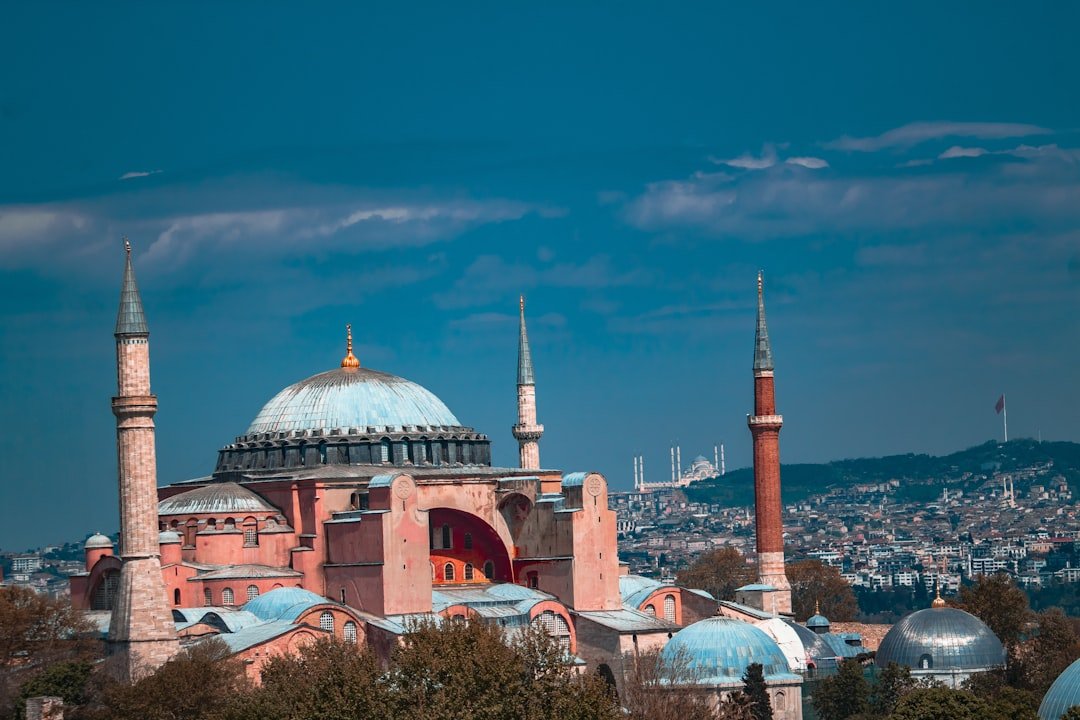
For a first Istanbul trip centered on Hagia Sophia, Topkapı Palace, the Blue Mosque, Grand Bazaar, and Beyoğlu, staying on the European side usually reduces daily travel. For a repeat visit, a food-focused trip, or a longer stay, Kadıköy and the surrounding Asian-side neighborhoods can be a practical alternative.
Frequently Asked Questions
What is the Asian side of Istanbul?
The Asian side of Istanbul is the part of the city east of the Bosphorus on the Anatolian continent. Major visitor areas include Kadıköy, Üsküdar, Moda, Kuzguncuk, Çamlıca, Beylerbeyi, and the neighborhoods around Bağdat Avenue.
What are the best attractions on the Asian side of Istanbul?
The strongest first-time attractions are Maiden’s Tower, Beylerbeyi Palace, Çamlıca Hill, Kadıköy Market, the Moda waterfront, Üsküdar’s historic mosques, and Kuzguncuk. Which ones you choose should depend on whether you prefer history, food, shopping, or scenery.
How do I get to the Asian side from the European side?
Take a public ferry to Kadıköy or Üsküdar for the most scenic crossing, or use Marmaray if you want a direct rail connection beneath the Bosphorus. Ferries leave from several European-side piers, including Eminönü, Karaköy, Kabataş, and Beşiktaş.
What can I do on the Asian side in one day?
Spend the morning around Üsküdar, its mosques, Salacak, and the Maiden’s Tower viewpoint, then continue to Kadıköy for the market and food. Finish with a walk through Moda or an evening around Kadıköy rather than trying to reach every outlying attraction.
Is it worth visiting the Asian side of Istanbul?
Yes, the Asian side is worth visiting if you want to see Istanbul beyond its major European-side monuments. Kadıköy and Üsküdar give you local markets, waterfronts, cafés, historic architecture, and everyday neighborhood life within an easy ferry ride of the historic center.
Is Kadıköy or Üsküdar better for visitors?
Kadıköy is better for markets, restaurants, cafés, shopping, and nightlife, while Üsküdar is better for historic mosques, Bosphorus scenery, and the Maiden’s Tower area. They are close enough that most first-time visitors can experience both on the same day.
How much time do I need on Istanbul’s Asian side?
Allow one full day for Kadıköy and Üsküdar at a comfortable pace. Add another half or full day if you want Beylerbeyi Palace, Çamlıca, Bağdat Avenue, Polonezköy, or the farther Bosphorus neighborhoods without rushing between distant areas.
If you’re also interested in food-focused content, see this homemade cottage cheese recipe.
Sources
- Şehir Hatları: current Istanbulkart ferry fares for Kadıköy and Üsküdar routes.
- General Directorate of Infrastructure Investments: current Halkalı–Gebze Marmaray corridor.
- Metro İstanbul: operating metro and tram lines on the Asian side.
- Maiden’s Tower: visitor ticket, Museum Pass, and transportation information.
- Presidency of National Palaces: Beylerbeyi Palace history, opening information, and ticket prices.
- Visit Istanbul: Çamlıca Hill location, elevation, and visitor highlights.
- Visit Istanbul: Polonezköy Nature Park walking and recreation information.
- Turkish Statistical Institute: 2025 Address Based Population Registration System reporting period and population data.