Istanbul photography spots range from Ottoman mosques and covered bazaars to ferry decks, palace terraces, steep Galata streets, and the quiet shoreline of the Princes’ Islands. For the strongest mix of landmark, street, and waterfront photos, build your day around Sultanahmet in the morning, the Bosphorus later in the day, and Galata or the Asian-side ferry views near sunset.
Quick Answer
The best Istanbul photography spots for most visitors are the Blue Mosque and Sultanahmet for classic architecture, Galata Tower for elevated city views, and the Bosphorus for ferries, waterfront palaces, and sunset light. Add the Grand Bazaar for color and candid street scenes, then use the Princes’ Islands for slower, greener compositions.
Last checked: October 1, 2026. Dates and figures were verified against official sources.
Key Takeaways
- Early morning gives you cleaner compositions around Sultanahmet, while late afternoon and sunset suit waterfront and skyline shots.
- The Grand Bazaar works best for details, patterns, and human activity rather than wide landmark-style images.
- A Şehir Hatları ferry is both transport and a moving viewpoint for photographing the Bosphorus skyline.
- Religious sites are active places of worship, so photography should never block entrances, prayer areas, or worshippers.
Best Istanbul Photography Spots at a Glance
Each location offers a different kind of frame. This quick comparison helps you choose where to spend your best light rather than trying to cross the city repeatedly.
| Spot | Best for | Best light | Access note |
|---|---|---|---|
| Blue Mosque | Domes, minarets, symmetry | Early morning or blue hour | Active mosque; respect worship |
| Grand Bazaar | Color, texture, candid scenes | Morning | Currently listed 08:30-19:00; closed Sundays and religious holidays |
| Bosphorus | Waterfront, ferries, skyline | Late afternoon to sunset | Public ferries and dedicated tours |
| Topkapı Palace | Courtyards, tilework, Bosphorus views | Morning | Closed Tuesday; ticket office 09:00-17:00 |
| Sultanahmet streets | Historic layers and street life | Early morning | Easy to combine with the Blue Mosque and Hagia Sophia |
| Galata Tower | Panoramas and steep street frames | Morning or blue hour | Museum open daily; current daytime hours 08:30-18:30 |
| Princes’ Islands | Wooden houses, coast, quieter streets | Morning or golden hour | Reached by ferry; electric public vehicles operate on the islands |
The Blue Mosque: Classic Istanbul Architecture
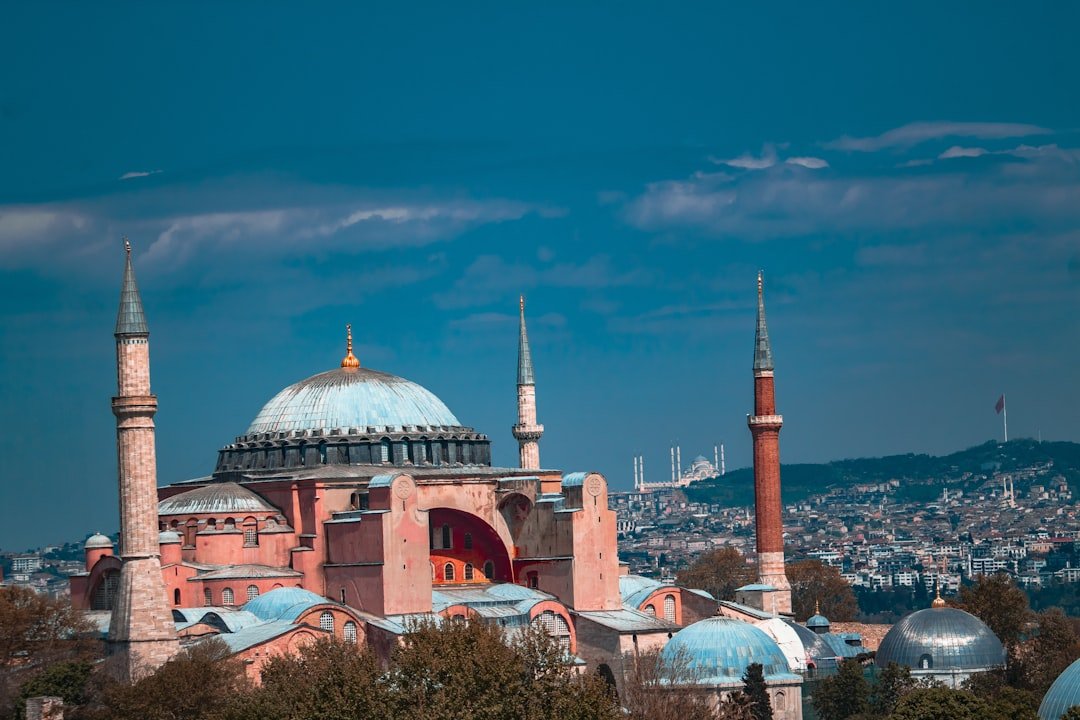
The Sultan Ahmed Mosque, better known as the Blue Mosque, is one of the most recognizable Istanbul photography spots. Its six minarets, layered domes, large courtyard, and blue İznik-style interior decoration give you both grand exterior compositions and detailed architectural frames.
For exterior photos, start in Sultanahmet Square before the area becomes busy. A low angle can emphasize the minarets, while the open space between the mosque and Hagia Sophia gives you room to work with foregrounds, reflections, people, and changing sky.
Inside, natural light passes through arched windows and falls across the tilework and prayer space. The official GoTürkiye Blue Mosque page confirms that it remains an active place of worship, so keep your camera use quiet and unobtrusive.
Pro Tip: For a balanced landmark set, shoot the mosque from the square first, then move closer for courtyard geometry and tile details. That gives you wide, medium, and detail images without repeating the same composition.
Exploring the Grand Bazaar: Color, Texture, and Street Photography
The Grand Bazaar works best when you treat it as a living street-photography location rather than a single landmark. Vaulted passages, lamps, carpets, metalwork, jewelry, ceramics, shop signs, and constant foot traffic create layers that change every few meters.
Look for repeated patterns, shafts of light, hands at work, and small interactions between shopkeepers and customers. Ask before making a close portrait of a vendor. A compact camera or short zoom is easier to use here than a bulky setup because the passages can be crowded.
Türkiye’s official Culture Portal currently lists the Grand Bazaar as open from 08:30 to 19:00, except Sundays and religious holidays. Arriving near opening gives you more room for architectural shots before the busiest flow of shoppers.
The Bosphorus: Waterfront and Ferry Photography
| Location | Length | Width | Depth |
|---|---|---|---|
| The Bosphorus | 31 km | 700-3000 m | 50-120 m |
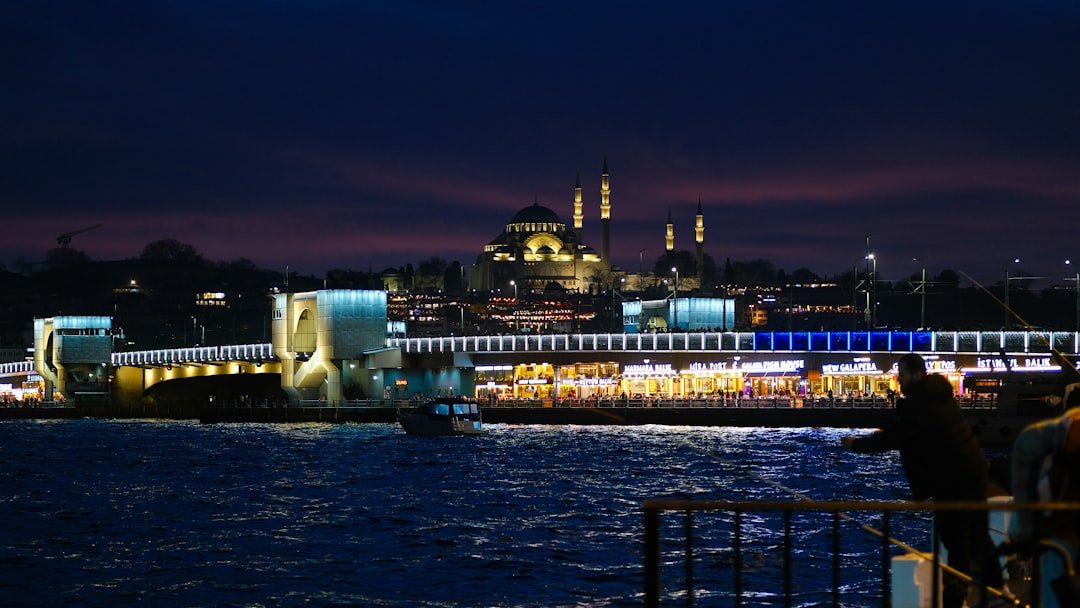
The Bosphorus gives you moving viewpoints that are difficult to match from land. From a ferry deck, you can frame waterfront palaces, mosques, wooden houses, bridges, cargo traffic, gulls, and the layered skyline of both Europe and Asia.
For a dedicated photo outing, Şehir Hatları currently runs its Long Bosphorus Tour every day. The published schedule leaves Eminönü at 10:35, reaches Anadolu Kavağı at 12:25, departs again at 15:00, and returns to Eminönü at 16:40.
The current Şehir Hatları Bosphorus tour tariff lists the long round trip at 320 TL for local passengers and 640 TL for foreign passengers. The short tour is listed at 170 TL and 340 TL respectively.
Late afternoon adds warm side light to waterfront buildings, while blue hour gives you reflections and city lights. On a moving boat, raise your shutter speed enough to control motion, brace yourself against the vessel rather than a railing that vibrates, and keep a lens cloth handy for spray.
Topkapı Palace: Courtyards, Tiles, and Bosphorus Views
Topkapı Palace combines architecture, gardens, tilework, gates, courtyards, and elevated water views in one location. It served as the Ottoman sultans’ main residence and center of government for nearly four centuries, making it useful for both detail photography and wider historical compositions.
The first and second courtyards give you space for gates, arcades, and trees. Deeper inside, the palace shifts toward decorative surfaces, pavilions, fountains, and intimate architectural details. The fourth-court terraces are especially useful when you want the Bosphorus or city skyline to become part of the frame.
The official National Palaces page lists Topkapı Palace as closed on Tuesdays, with ticket offices open from 09:00 to 17:00. As checked on October 1, 2026, the foreign-visitor combined ticket for Topkapı Palace, Hagia Irene, and the Harem is listed at 2,750 TL; the domestic visitor price is 500 TL.
Because some rooms and collections can have their own photography restrictions, follow the signs and staff directions inside. Even when a room limits photography, the palace grounds still give you strong exterior subjects and long views.
The Streets of Sultanahmet: Historic Layers in One Walk
Sultanahmet is the easiest area for building a varied Istanbul photo set without spending much time in transit. Within a compact part of the Historic Peninsula, you can move between the Blue Mosque, Hagia Sophia, the Hippodrome area, fountains, tram scenes, stone walls, cafés, and street vendors.
The best strategy is to photograph the big landmarks first, then turn toward smaller details. Doorways, pavement textures, tea glasses, simit carts, cats, shopfronts, and people moving between monuments can make the area feel lived-in rather than purely monumental.
Early morning gives you the cleanest architectural compositions. Later, the growing crowds become part of the subject, which can work well for layered street photographs if you stop trying to exclude people from every frame.
Galata Tower: Panoramas and Steep Street Frames
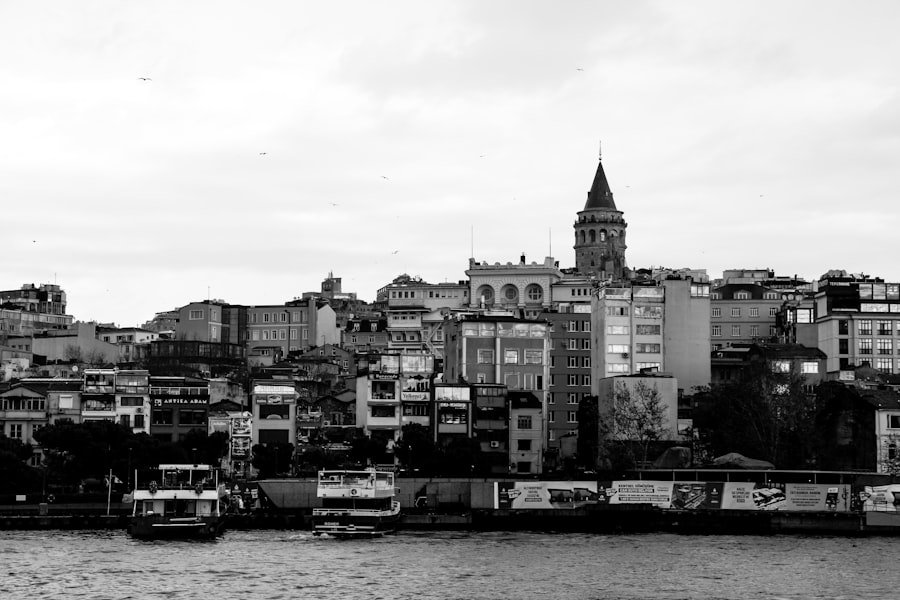
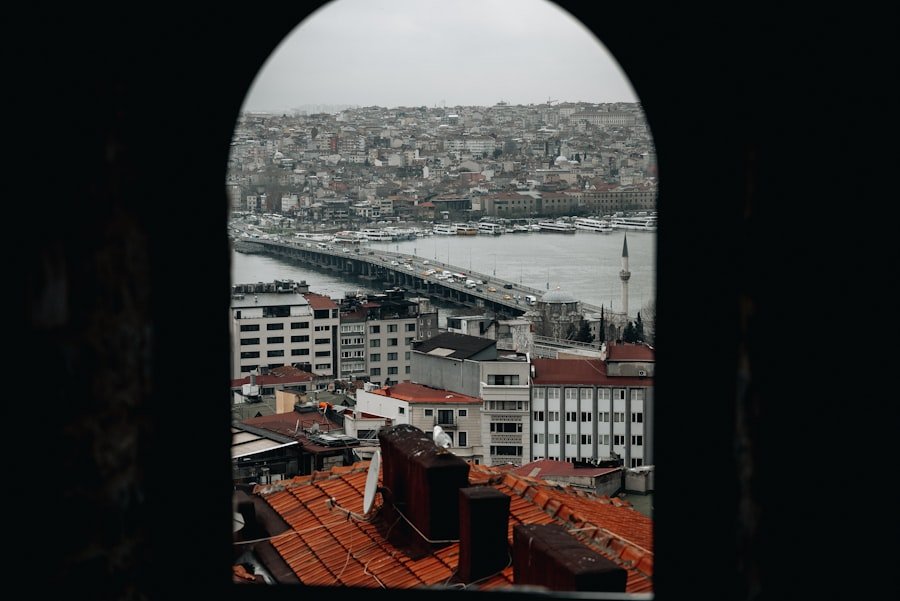
Galata Tower gives you two different photographic experiences: a panoramic view from above and strong street-level compositions from the lanes around Kuledibi. The tower rises above steep streets and dense buildings, so changing your position by only a block can completely alter the foreground and scale.
The official Galata Tower Museum page currently lists daytime opening from 08:30 to 18:30 and night museum hours from 18:30 to 23:00, with the site open every day. Those hours make it possible to plan for daylight, sunset, or illuminated night views.
From the streets below, use corners, shopfronts, umbrellas, cables, and pedestrians as foreground layers. From the top, look beyond obvious skyline shots and search for ferry wakes, domes, bridges, rooftops, and compressed layers of the Historic Peninsula.
The Princes’ Islands: Wooden Houses, Coast, and a Slower Pace
The Princes’ Islands are a strong choice when you want fewer monumental buildings and more quiet streets, coastal light, wooden houses, gardens, bicycles, and sea views. Büyükada offers the widest range of subjects, while Heybeliada gives you a smaller-scale mix of shoreline and residential scenes.
Şehir Hatları operates regular Kabataş-Princes’ Islands ferry services. The current timetable includes stops at Kınalıada, Burgazada, Heybeliada, and Büyükada, so the ferry ride itself can become part of the photo day.
The old idea that the islands have no motorized transport at all is no longer accurate. IETT operates electric public vehicles in the Adalar district, and its 2026 fleet plan includes additional electric vehicles for the islands.
For photography, the important difference is the slower street rhythm compared with central Istanbul. Walk away from the ferry terminal, look for side streets and wooden façades, and save the coast for softer late-day light.
Practical Photography Tips for Istanbul
Good timing and respectful behavior matter more than carrying a large amount of gear. Istanbul changes quickly between quiet morning streets, midday crowds, ferry movement, prayer times, and evening light.
Use the light to choose your area
Photograph Sultanahmet and the Grand Bazaar earlier in the day when you want cleaner compositions. Use late afternoon for the Bosphorus, then stay through blue hour if you want illuminated mosques, bridges, and reflections.
Be careful with people and worship spaces
Ask before making close portraits of vendors or strangers. In mosques, do not photograph people in a way that interrupts prayer, and never step into restricted areas simply to improve a composition.
Keep your kit simple
A wide or standard zoom handles most architecture, street scenes, interiors, and ferry views. A short telephoto helps compress domes, minarets, ferries, and layered skylines. Carrying less also makes it easier to move through crowds and board public transport.
Pro Tip: Build each stop around three frames: one wide establishing shot, one medium scene with people or movement, and one detail. You will come home with a more complete visual story than if you repeat the same wide-angle view.
If you enjoy exploring unusual subjects through photography and travel, you may also like this article about Asian melon and its different varieties.
Frequently Asked Questions
What are the most popular photography spots in Istanbul?
The most popular photography spots in Istanbul include the Blue Mosque, Hagia Sophia and Sultanahmet Square, Topkapı Palace, Galata Tower, the Grand Bazaar, and the Bosphorus. The Princes’ Islands are also a strong choice for quieter coastal and residential scenes.
Are there photography restrictions at Istanbul attractions?
Yes, some attractions and worship spaces can restrict flash, tripods, or photography in specific rooms. Follow posted signs and staff instructions, especially inside mosques, museums, and palace collections, and avoid photographing worshippers in a disruptive way.
What is the best time of day for photography in Istanbul?
Early morning is usually best for cleaner architectural photos around Sultanahmet, while late afternoon and sunset work well for the Bosphorus and skyline views. Blue hour is especially useful for illuminated mosques, bridges, and reflections on the water.
Are there lesser-known Istanbul photography spots worth visiting?
Yes. Süleymaniye Mosque, Balat, Fener, Kadıköy, Moda, and the backstreets around Galata can give you strong photographs without relying only on the most famous landmarks. These areas are especially useful for street scenes, neighborhood detail, and layered city views.
What should photographers keep in mind when photographing people in Istanbul?
Photographers should respect privacy and local customs. Ask before making close portraits, be considerate around religious sites, and avoid blocking walkways or businesses while waiting for a shot.
Sources
- GoTürkiye: Blue Mosque: active-worship status and architectural details.
- Türkiye Culture Portal: Grand Bazaar: listed visitor hours and closure days.
- Şehir Hatları: Long Bosphorus Tour: current route and timetable.
- Şehir Hatları: Bosphorus Tour Fares: current long- and short-tour prices.
- National Palaces: Topkapı Palace: history, visiting hours, closure day, and ticket prices.
- Ministry of Culture and Tourism: Galata Tower Museum: current daytime and night museum hours.
- Şehir Hatları: Kabataş-Princes’ Islands: current ferry stops and timetable.
- IETT: 2026 fleet announcement: electric public vehicles serving the Adalar district.
“””)
print(“words”, len(re.findall(r”\b[\w’’-]+\b”, re.sub(r”<[^>]+>