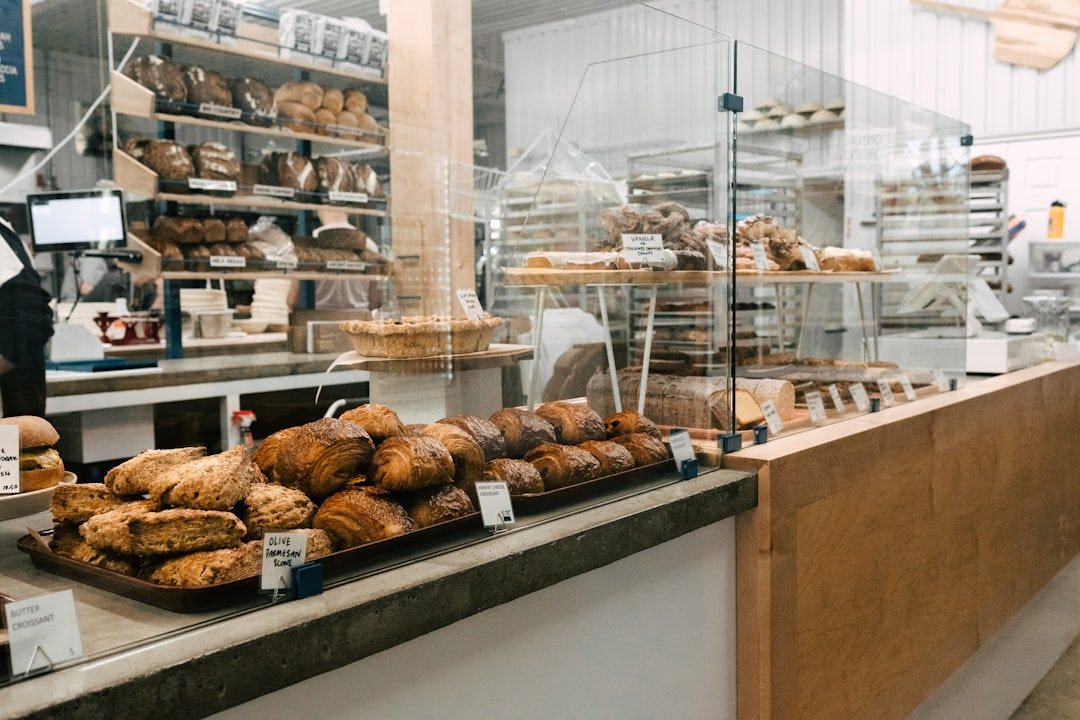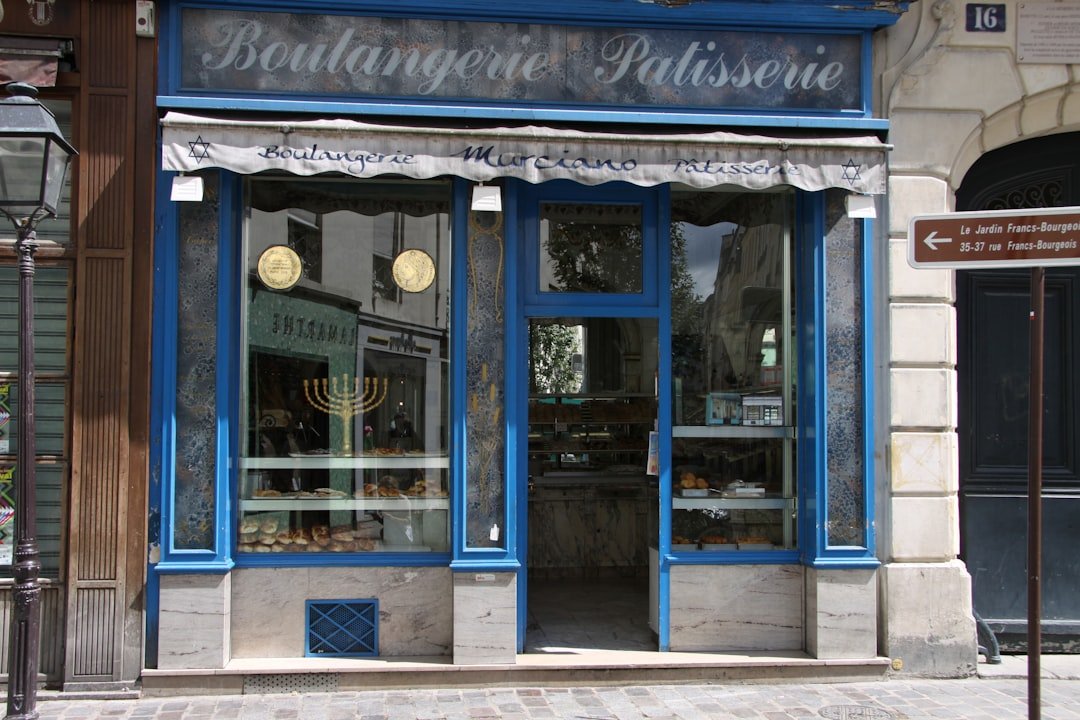
Heybeliada, the second largest of Istanbul’s Princes’ Islands, combines pine-covered scenery, historic architecture, quiet streets, and an easygoing food scene. Bakeries and pastry shops around the ferry area are useful stops for breakfast, a quick börek, bread, pastries, or something sweet before exploring the island. Walking and cycling are common ways to get around, while regulated electric public-transport vehicles also operate on the islands.
Quick Answer
For a bakery stop on Heybeliada, start near the ferry pier and central streets, where current listings include pastry shops and traditional-style bakeries. Look for börek, poğaça, simit, breads, cakes, and seasonal pastries. Go earlier in the day for the best chance of fresh batches, and verify opening hours before visiting.
Key Takeaways
- Heybeliada is the second-largest of the Princes’ Islands and is reached by ferry from several Istanbul piers.
- Horse-drawn carriage public transport ended in 2020; visitors now primarily walk, cycle, or use regulated electric island transport.
- Simit, börek, poğaça, pide, cakes, and other pastries belong to the wider Turkish baking tradition and may be available on the island depending on the shop and time of day.
- Current bakery and pastry-shop listings should be treated as changeable rather than permanent rankings because businesses, menus, ratings, and opening hours can change.
- Visitors with celiac disease, food allergies, or strict vegan requirements should confirm ingredients and cross-contact procedures directly with the bakery.
How to Get to Heybeliada for a Bakery Visit
Heybeliada is connected to Istanbul by ferry. Official Şehir Hatları services include routes that stop at Heybeliada from locations such as Kabataş, Kadıköy, Bostancı, Beşiktaş, and Maltepe, depending on the route and timetable. Because schedules can change by day and season, check the official Şehir Hatları Princes’ Islands timetable before setting out.
Once you arrive, much of the central bakery and café area can be explored on foot. Cycling is also popular. Horse-drawn carriage public transport is no longer the normal island system: Istanbul Metropolitan Municipality ended the carriage-based service in 2020 and replaced it with electric public-transport options operated through the city’s transport system.
Note: Heybeliada is quieter than central Istanbul, but it is not literally free of every motorized vehicle. Authorized electric public transport, service vehicles, and other permitted vehicles may be present.
The History of Baking on Heybeliada
Heybeliada’s food culture developed within the much larger culinary history of Istanbul and the Marmara region. The island has been shaped by Greek Orthodox, Ottoman, and modern Turkish communities, but there is not strong authoritative evidence for treating Heybeliada as a separate historic baking center with a documented Byzantine-era bakery industry or a special role supplying Ottoman royal banquets.
The safest way to understand Heybeliada’s bakery scene is as an island expression of Istanbul’s wider bread, pastry, and café culture rather than as a completely separate baking tradition.
That broader tradition is still important. Breads, filled pastries, sesame-covered rings, sweet pastries, cakes, and syrup-based desserts are familiar across Türkiye, while individual bakeries develop their own recipes, daily selections, and specialties. On Heybeliada, the experience is shaped as much by the island setting and small-scale neighborhood atmosphere as by any single recipe.
Traditional Turkish Pastries and Breads
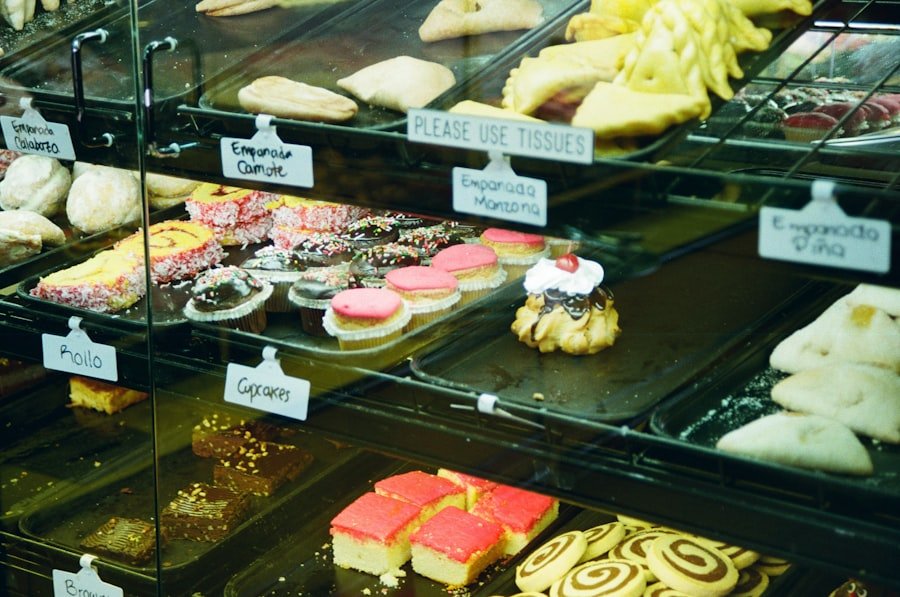
Traditional Turkish breads and pastries are a natural starting point when browsing bakeries on Heybeliada. One of the best-known is simit, the ring-shaped bread commonly coated with molasses and sesame before baking. Recipes and preparation methods vary by region, so not every simit is produced in exactly the same way.
Simit is widely eaten for breakfast or as a portable snack and is often paired with Turkish tea, cheese, olives, jam, or other breakfast foods. Its toasted sesame exterior and chewy bread texture make it one of the easiest foods to try when you want something simple rather than a full meal.
Pide is another important member of Türkiye’s bread and pastry family. Depending on the style, it may be served as bread or as a filled or topped flatbread with ingredients such as cheese, meat, vegetables, or combinations of these. Turkish food terminology varies by region and shop, so the exact form offered at a bakery may differ from what you have seen elsewhere.
Börek is equally important. It is made in many shapes and styles using thin dough or pastry layers with fillings such as cheese, spinach, potatoes, or minced meat. Some bakeries sell large trays by portion, while others make rolled, layered, or individually shaped versions.
Current Bakery and Pastry Shop Listings on Heybeliada
Bakery businesses on a small island can change ownership, names, opening hours, menus, and seasonal schedules. For that reason, it is more useful to treat the following as current listings to check rather than as a permanent ranking.
| Bakery Name | Location | Rating | Specialty / Listing Type |
|---|---|---|---|
| Meltem Pasta & Börek | İşgüzar Sokak No:1, near the central ferry area | Check the current live listing | Börek, pastries, and sweets |
| Mehtap Fırın | Rıhtım Caddesi area | Check the current live listing | Bakery products |
| Heybeliada Fırın | Ayyıldız Caddesi area | Check the current live listing | Bread and baked goods |
Nazlıgül Pastanesi is another current pastry-shop listing on Heybeliada. Because small businesses may change schedules or temporarily close, verify the latest information on the day of your visit instead of relying on an old rating or fixed opening time.
Pro Tip: Start your bakery search soon after arriving in the morning. Breakfast pastries and bread are more likely to be fresh, and you can inspect several nearby shops before the island becomes busier.
Must-Try Baked Goods
Poğaça is one of the most practical bakery foods to look for. It is generally a soft, savory pastry and may be plain or filled with cheese, olives, potatoes, or other ingredients. It works well for breakfast, a ferry snack, or a quick bite while walking around the island.
Simit is another easy choice because it travels well and pairs naturally with tea. If you want something more substantial, look for börek. Cheese, spinach, potato, and minced-meat fillings are common possibilities, although the selection depends on the bakery and time of day.
Künefe may also appear on dessert menus, but it should not be described as a uniquely Heybeliada baked good. It is especially associated with Hatay in southern Türkiye. Traditional versions use fine shredded dough with unsalted cheese, butter, and syrup and are served hot. If you see künefe on Heybeliada, think of it as a broader Turkish regional dessert available on the island rather than a local island specialty.
Gluten-Free and Vegan Options
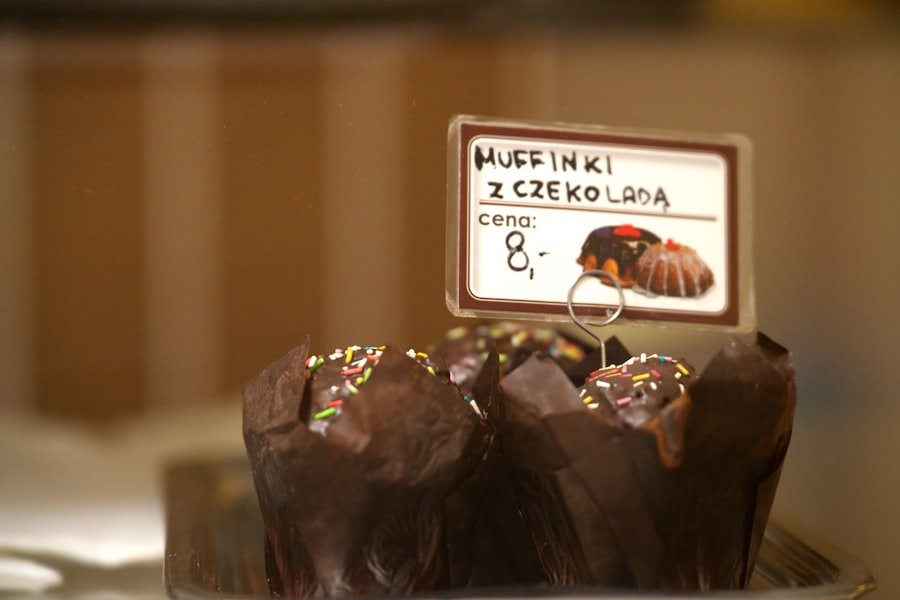
Gluten-free and vegan availability should be checked shop by shop. There is not enough reliable evidence to claim that Heybeliada has a dedicated gluten-free bakery or dedicated vegan bakery operating continuously year-round.
Some ordinary breads may use only flour, water, yeast, and salt, while other recipes may contain milk, butter, eggs, yogurt, cheese, or other animal-derived ingredients. Börek commonly contains cheese, butter, yogurt, egg, meat, or combinations of these, although plant-based versions are possible. Do not assume that a pastry is vegan simply because the filling looks vegetable-based.
Warning: If you have celiac disease or a serious food allergy, ask specifically about ingredients and cross-contact. A bakery that sells wheat products may use shared counters, trays, ovens, utensils, or preparation areas even when an individual item is made without a particular ingredient.
Specialty Desserts and Sweet Treats
Turkish pastry shops often offer much more than bread. Depending on the day, you may encounter syrup-soaked desserts, cakes, cookies, fruit pastries, puddings, or modern café-style sweets.
Revani is a semolina-based syrup cake found in Turkish cuisine. Recipes vary, but citrus zest, nuts, or coconut may be used for extra aroma and texture. Şekerpare is another syrup-based sweet, usually made as small tender cookies that absorb syrup after baking.
Baklava may also be available. It is made with very thin pastry layers, fat, nuts, and syrup. The exact nuts, sweetness, portion size, and style vary considerably from one producer to another.
For the best experience, choose desserts that look freshly prepared and ask staff what was made that day instead of assuming every item is produced on site every morning.
The Best Savory Baked Goods
Savory bakery foods are particularly useful for travelers who want a filling snack without sitting down for a long restaurant meal. Börek is usually one of the strongest choices because it comes in many forms and fillings. Cheese, spinach, potato, and minced meat are among the possibilities you may encounter.
Lahmacun is often described in English as a type of thin Turkish flatbread topped with a seasoned minced-meat mixture. It is usually served with herbs, salad ingredients, and lemon. Not every bakery will sell it, and many restaurants specialize in it instead, so check the menu rather than assuming it is a standard bakery item.
Pide can also provide a more substantial meal when topped or filled with cheese, meat, vegetables, or combinations of ingredients. Some bakeries focus mainly on bread and pastries, while others operate more like bakery-cafés and offer a broader hot-food menu.
Local Ingredients and Flavors
It is tempting to describe every ingredient used on an island as locally grown, but that would overstate what can be verified. Heybeliada bakeries may use ingredients supplied from across Istanbul and Türkiye as well as seasonal produce, and individual businesses may have their own suppliers.
Common Turkish bakery flavors can include sesame, olives, cheese, spinach, potatoes, nuts, tahini, fruit, citrus, and syrup. Seasonal fruit pastries may feature figs, cherries, apples, citrus, or other produce depending on availability.
If ingredient origin matters to you, ask the bakery directly. A shop that works with a specific local producer or makes something from an island-grown ingredient will be in the best position to explain it.
Baking Workshops and Classes
A dedicated year-round “Heybeliada Culinary School” offering regular tourist baking classes cannot be reliably confirmed. Visitors should therefore avoid planning a trip around that specific claim.
Food workshops, cultural events, temporary courses, and private classes can still appear in Istanbul and on the Princes’ Islands from time to time. If learning to make simit, pide, börek, or another Turkish pastry is important to your trip, search current event listings shortly before you travel rather than assuming a permanent island class will be available.
For a more informal learning experience, you can also ask bakery staff simple questions about what is fresh, which products are traditional, and which items they recommend eating warm. During quiet periods, small-shop staff may be able to explain the differences between pastries without the need for a formal class.
How to Plan a Simple Heybeliada Bakery Crawl
A practical bakery crawl does not need to cover the whole island. Start around the ferry pier and the nearby commercial streets, compare two or three bakery or pastry-shop displays, and buy small portions so you can try more than one item.
- First stop: Choose a breakfast item such as simit, poğaça, or börek and pair it with Turkish tea.
- Second stop: Look for a different savory pastry or bread rather than ordering the same thing twice.
- Later in the day: Return for a cake, cookie, syrup dessert, or other sweet if you still have room.
- Before buying: Ask what was baked most recently and whether the item is intended to be eaten warm.
- For dietary needs: Ask about ingredients before paying, especially for cheese, butter, eggs, nuts, sesame, and wheat.
This approach gives you a better picture of the island’s bakery scene than relying on a single “best bakery” ranking.
Insider Tips for Exploring Heybeliada’s Bakery Scene
Visit earlier in the day when possible. Bread, börek, poğaça, and breakfast pastries are often most appealing when they are fresh, while popular items can become limited later.
Do not rely too heavily on one old online rating. A small island business can change staff, ownership, menu, prices, or opening times, and seasonal visitor traffic can affect service. Look at the current display, ask what is fresh, and compare nearby shops.
Try both sweet and savory items. A bakery visit that includes börek or poğaça plus a dessert or cookie gives you a broader taste of Turkish pastry culture than ordering only cake.
Carry some flexibility into your visit. A bakery may not have every item mentioned in a travel guide on the day you arrive. Daily production, seasonal demand, and ingredient availability all influence what is on sale.
Heybeliada remains an enjoyable place to combine a ferry trip, a walk through historic streets, pine-covered scenery, and Turkish bakery foods. The strongest approach is to treat the island’s bakeries as part of Istanbul’s wider culinary culture, choose from what is genuinely fresh that day, and avoid assuming that every famous Turkish pastry is an island-specific specialty.
If you enjoy exploring completely different food topics as well, you can also read this guide to Asian melon. For a Heybeliada visit, however, the best strategy is to stay flexible, compare current bakery offerings, and let freshness guide what you order.
Frequently Asked Questions
What types of baked goods can be found in bakeries in Heybeliada?
Selections vary by shop, but visitors may find breads, börek, poğaça, simit, cakes, cookies, pastries, and Turkish-style sweets. The exact selection can change during the day, so check the display and ask what was baked recently.
Are gluten-free or vegan bakery options available on Heybeliada?
They may be available at individual businesses, but there is no reliable basis for promising dedicated gluten-free or vegan bakery options across the island. Ask directly about ingredients and, for celiac disease or serious allergies, cross-contact with wheat, dairy, eggs, nuts, or sesame.
Do Heybeliada bakeries offer custom cakes for special occasions?
Some pastry shops may accept advance cake orders, but this is not guaranteed. Contact the specific business before your visit to confirm available sizes, flavors, design options, prices, and required notice.
What are the typical operating hours for bakeries in Heybeliada?
There is no single island-wide schedule. Some bakeries open early for breakfast trade, while others operate later or change their hours seasonally. Check a current listing or contact the business on the day you plan to visit.
Are there traditional Turkish bakeries in Heybeliada?
Yes, current bakery and pastry-shop listings include businesses selling Turkish-style breads, börek, pastries, and sweets. Product ranges differ, so look at the current display rather than expecting every shop to carry the same traditional items.
What is the best time of day to visit a Heybeliada bakery?
Morning is usually the most practical time because breakfast pastries and bread are more likely to be fresh and you can visit before the busiest part of the day. If you want a specific product, ask the shop when its next batch is normally ready.
How do I get to Heybeliada from Istanbul?
Heybeliada is reached by ferry. Şehir Hatları operates Princes’ Islands routes from several Istanbul piers, with stops and times varying by route, weekday, and season. Check the official timetable shortly before traveling.
Sources
- GoTürkiye — The Princes’ Islands — supports Heybeliada’s status as the second-largest Princes’ Island and its broader visitor context.
- IETT — Public Transport in the Princes’ Islands — supports the end of horse-drawn carriage public transport and the transition to electric vehicles.
- Şehir Hatları — Princes’ Islands Ferry Timetable — supports current ferry access and route planning.
- GoTürkiye — Turkish Breakfast — supports the general descriptions of simit, börek, and their place in Turkish breakfast culture.
- Türkiye Culture Portal — Traditional Food Types — supports the place of börek, gözleme, bazlama, and pide within Turkish dough-based foods.
- GoTürkiye — Hatay Cuisine — supports the description of künefe and its strong association with Hatay.