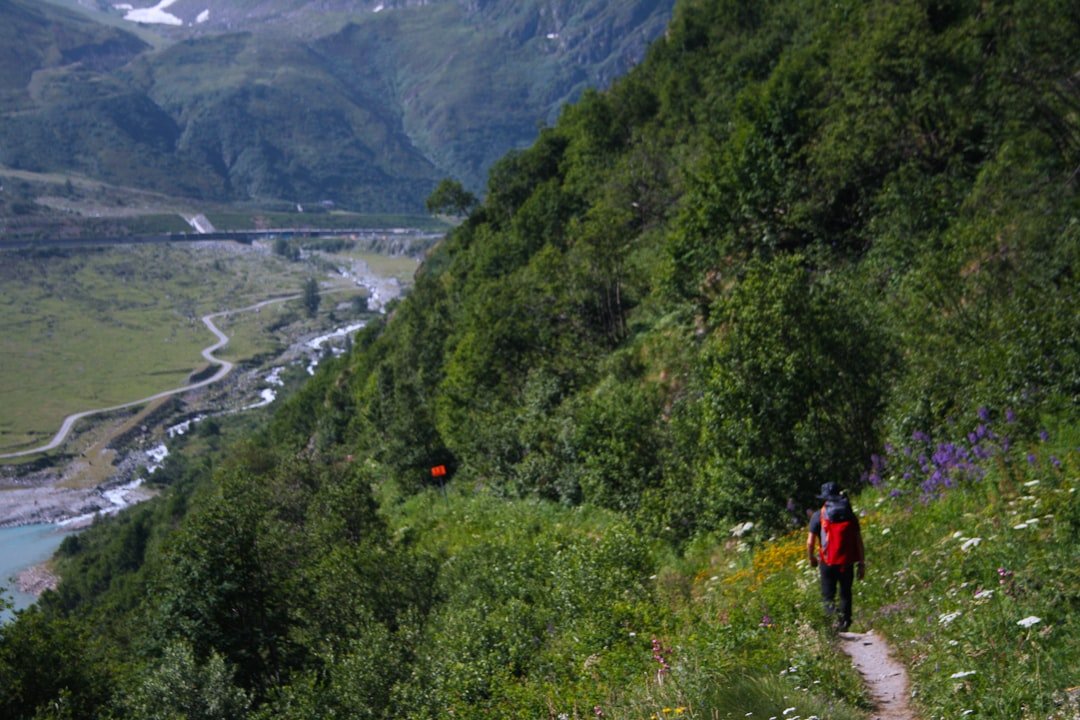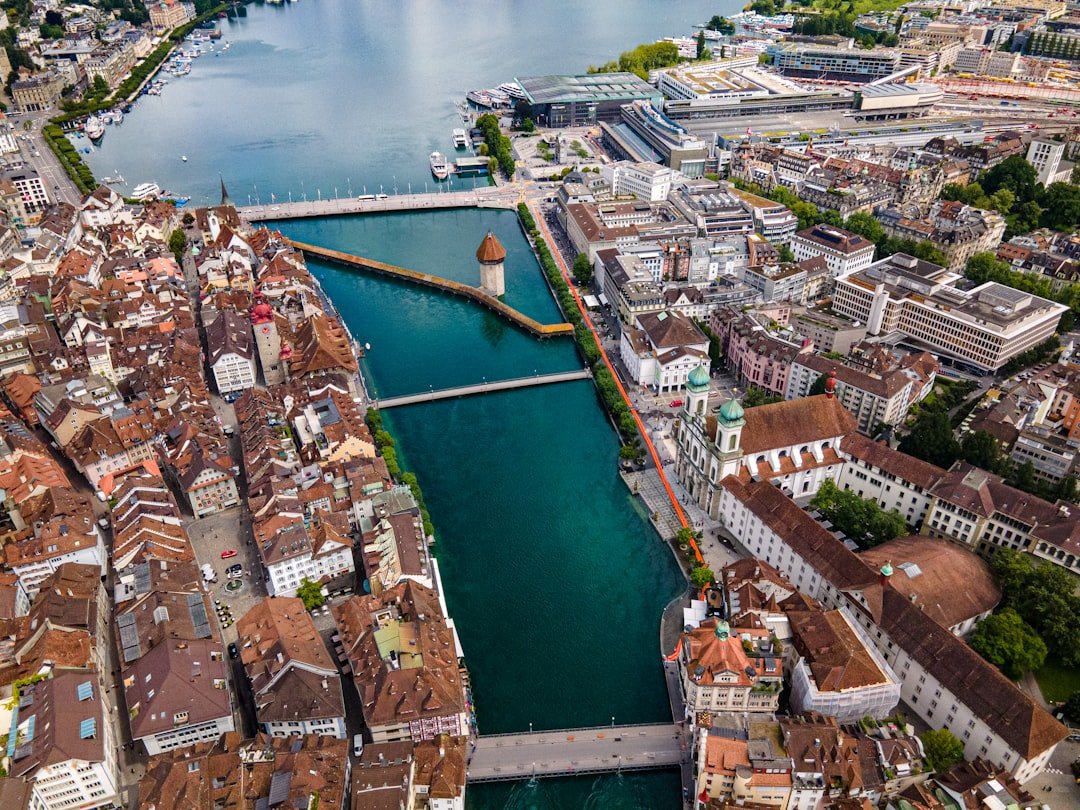
Lake Lucerne combines one of Switzerland’s most attractive historic cities with boat trips, lakeside villages, swimming spots, and easy mountain excursions. You can spend the morning walking across Lucerne’s Chapel Bridge, cruise to Weggis or Vitznau in the afternoon, and use mountain railways to reach panoramic viewpoints on Rigi or Pilatus. The key is to match your plans to the season and check current boat and mountain-railway timetables before you travel.
Quick Answer
Lake Lucerne is best for travelers who want a mix of historic sightseeing, mountain scenery, cruises, swimming, and easy day trips. Start in Lucerne for the Chapel Bridge and museums, then choose Rigi or Pilatus for a mountain excursion and use Lake Lucerne’s scheduled boats to explore villages such as Weggis and Vitznau.
Key Takeaways
- Lucerne city is the easiest base for the Chapel Bridge, Lion Monument, Swiss Museum of Transport, restaurants, trains, buses, and lake cruises.
- For Mount Rigi, the Vitznau cogwheel train runs to Rigi Kulm, while the Weggis cable car reaches Rigi Kaltbad, where you can connect onward.
- Mount Pilatus offers panoramic rail and cableway trips, but the cogwheel railway is seasonal and Pilatus is not a marked ski or snowboard resort.
- Lake cruises range from short sightseeing trips to longer excursions, so check the current SGV timetable rather than assuming every cruise takes the same amount of time.
- Two or three days gives most first-time visitors enough time for Lucerne city, one major mountain excursion, and a cruise or lakeside village.
Top Attractions and Activities Around Lake Lucerne
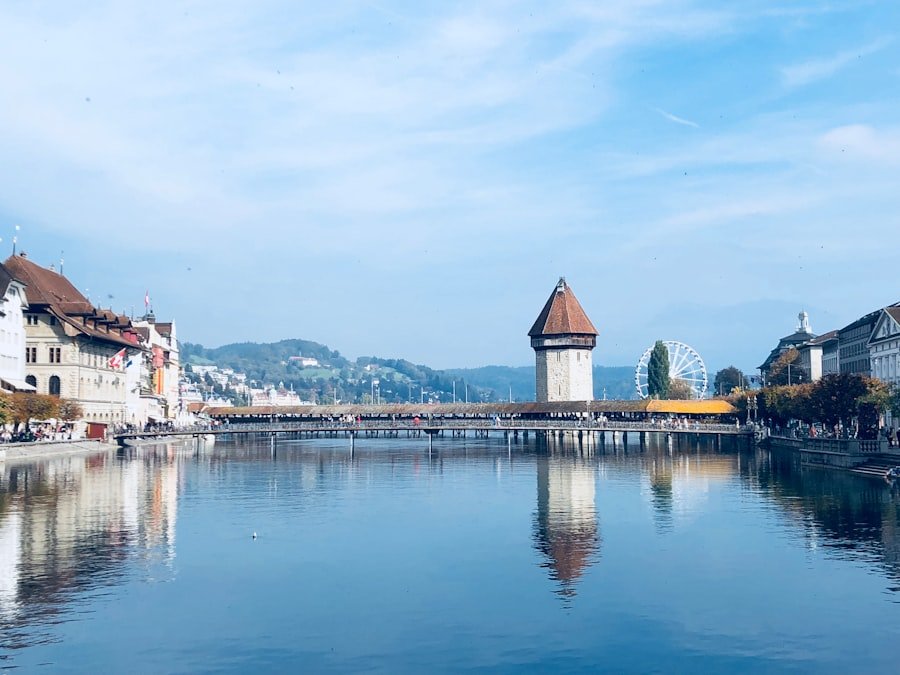
Begin in Lucerne’s compact historic center. The Chapel Bridge and Water Tower are the city’s best-known landmarks. The covered wooden bridge crosses the River Reuss and contains historic painted panels connected with the history of Lucerne and the Old Confederacy.
The bridge also has a more recent story. A major fire on August 18, 1993, destroyed much of it. The damaged sections were rebuilt, and the bridge reopened in April 1994. Some surviving and damaged paintings remain visible, making the crossing more interesting when you know what happened.
The adjoining Water Tower is even older. Lucerne Tourism dates it to around 1290-1300. During its long history, it served several purposes, including lookout post, archive, treasury, and prison.
Note: Chapel Bridge is a pedestrian bridge in central Lucerne. You do not need to reserve a ticket simply to walk across it.
Another excellent stop is the Swiss Museum of Transport. Its exhibitions cover subjects including rail transport, road transport, aviation, space travel, navigation, cableways, tourism, and energy. Interactive exhibits make it especially useful for families or for a rainy day.
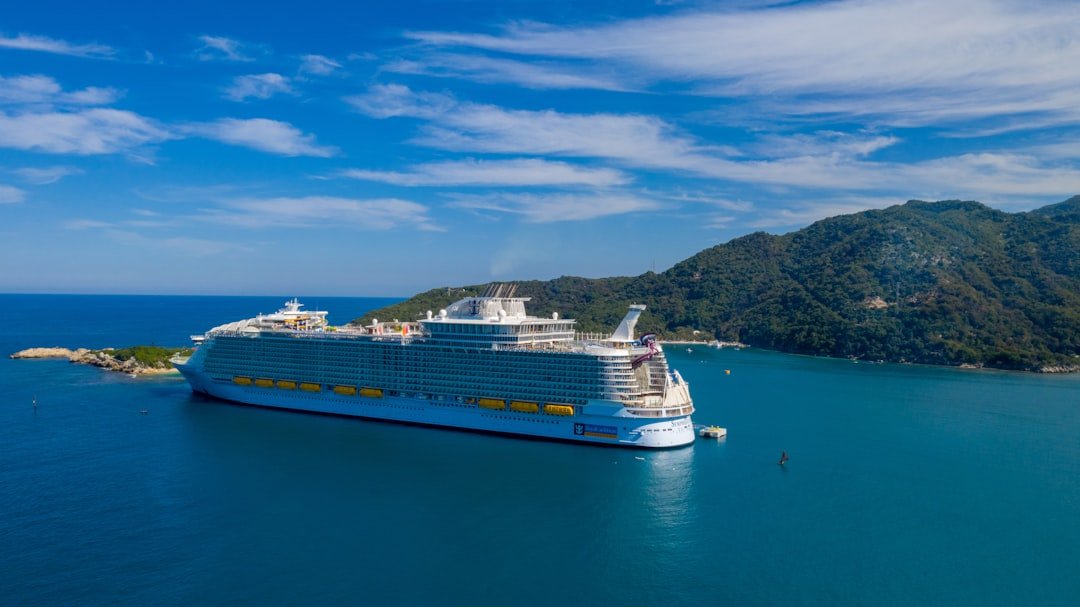
If you want a slower experience, take a scheduled cruise on Lake Lucerne. The Lake Lucerne Navigation Company, or SGV, operates boats on different routes throughout the year, although frequency changes by season. Some trips are simple point-to-point transportation, while others work well as sightseeing cruises.
A boat is not only a sightseeing attraction on Lake Lucerne. It can also be part of your transportation plan between Lucerne, Weggis, Vitznau, Brunnen, and other lakeside stops.
Exploring the Surrounding Towns and Villages
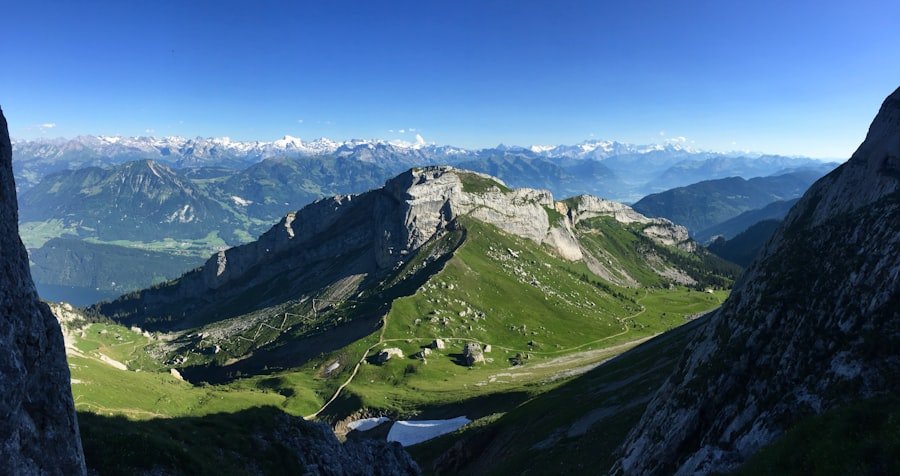
Weggis is one of the most convenient villages for combining lakeside scenery with a Mount Rigi excursion. Its waterfront, gardens, cafes, and views make it pleasant even if you do not continue up the mountain.
From Weggis, the aerial cable car runs to Rigi Kaltbad. The journey takes about 10 minutes under normal operation. Rigi Kaltbad is not the summit, so travelers going to Rigi Kulm can continue by cogwheel railway.
Vitznau offers another useful route. The Vitznau-Rigi cogwheel railway travels directly from the lakeshore to Rigi Kulm in about 30 minutes according to Rigi Bahnen. This makes a boat from Lucerne to Vitznau followed by the cogwheel train an easy mountain-and-lake combination.
Pro Tip: If you want both lake scenery and Mount Rigi in one day, consider traveling one way through Vitznau and the other through Rigi Kaltbad and Weggis. Check that the boat, cogwheel train, and cable car are all operating on your date before setting out.
Other worthwhile lakeside stops include Brunnen, Beckenried, and the Lake Uri area. You do not need to visit every village. Pick one or two that fit naturally with your cruise or mountain route.
Outdoor Adventures on and Around Lake Lucerne
| Activity | Good Starting Point | Planning Time |
| Mount Pilatus walks and hiking | Pilatus Kulm or lower mountain stations | From short summit walks to several hours, depending on route |
| Lake cruise | Lucerne piers | About 1 hour for some short cruises; several hours for longer routes |
| Mount Rigi excursion | Vitznau or Weggis | Allow roughly half a day or longer when combining trains, walking, and boats |
| Paragliding | Mountain launch areas around the region | Flight and total activity time depend on operator and weather |
| Cycling | Lucerne and lakeside routes, including routes toward Weggis | Route-dependent; allow extra time for hills, traffic, stops, and ferry or boat connections |
| Swimming and SUP | Lido Lucerne, Seebad Lucerne, Ufschötti, and other designated bathing areas | Flexible |
Lake Lucerne works well for kayaking, stand-up paddleboarding, sailing, and swimming when weather and lake conditions are suitable. For swimming, established bathing areas are easier for most visitors than entering the water at an unfamiliar shoreline. Lucerne Tourism lists locations such as Lido Lucerne, Seebad Lucerne, and Ufschötti among the popular bathing choices.
Hiking options range from easy panoramic walks to demanding alpine routes. Mount Pilatus is one of the best-known choices. You can reach the upper mountain using the cogwheel railway from Alpnachstad when it is operating or the gondola and aerial cableway system from the Kriens side.
The Pilatus timetable should be checked before your trip. In 2026, the published operating period for the cogwheel railway is May 11 through November 29, subject to operating conditions. The cogwheel railway is not a year-round route.
Warning: Pilatus is not a marked downhill ski or snowboard resort. Pilatus-Bahnen states that there is no skiing or snowboarding on its facilities and warns about alpine hazards outside controlled areas. In winter, use designated activities such as official sledging routes and always check current operating and weather information.
For paragliding, book through an established tandem operator and expect plans to depend on wind and weather. For cycling between Lucerne and places such as Weggis, check the actual route rather than relying only on driving directions, since road conditions, hills, tunnels, and bicycle suitability can affect your trip.
Swimming in Lake Lucerne
Swimming is a popular summer activity around Lake Lucerne. Lucerne Tourism lists several lakes and outdoor bathing facilities, including developed locations with changing rooms and other amenities.
Lido Lucerne, near the Swiss Museum of Transport, is especially convenient for families because it combines lake access with a sandy beach, a heated pool, changing facilities, playground space, and SUP rental.
Open-water conditions are different from swimming in a pool. Stay within areas appropriate for your swimming ability, watch for boat traffic, supervise children closely, and avoid entering during storms or poor visibility.
Rigi or Pilatus: Which Mountain Should You Choose?
| Feature | Mount Rigi | Mount Pilatus |
| Best for | Relaxed lake-and-mountain combination, walking, multiple access routes | Dramatic summit scenery and a classic cogwheel railway/cableway excursion |
| Lake connection | Excellent via Weggis or Vitznau | Can be combined with a boat to Alpnachstad when the relevant services operate |
| Rail access | Cogwheel trains from Vitznau and Goldau; cable car from Weggis to Rigi Kaltbad | Cogwheel railway from Alpnachstad plus gondola/cableway access from Kriens |
| Season planning | Check individual railway and cable-car timetables | Cogwheel railway is seasonal; check operating dates |
If you have only one mountain day, choose Rigi when you want to make the lake cruise a major part of the experience. Choose Pilatus when the mountain railway system and steep alpine scenery are the main attraction. Both can fill most of a day once transportation, viewpoints, meals, and walking are included.
Culinary Delights and Dining Options
Lucerne has everything from casual lakeside cafes to traditional Swiss restaurants and fine dining. Fondue and rösti are familiar Swiss choices, but travelers looking for something more closely associated with Lucerne should look for Luzerner Chügelipastete, a traditional Lucerne pastry dish.
Zürcher Geschnetzeltes, the creamy sliced-veal dish mentioned in the original guide, is also found in Switzerland, but its association is with Zurich rather than Lucerne. It can still be worth ordering if you see it on a menu, but it should not be presented as a uniquely Lucerne specialty.
Fish dishes may appear on lakeside menus, but do not assume that every fish served near the lake was caught in Lake Lucerne. Ask the restaurant about the origin if locally caught fish matters to you.
For a simple meal, choose a lakeside cafe and allow extra time rather than rushing between attractions. Swiss wine and locally brewed beer can also be found around the region.
Cultural and Historical Landmarks
The Lion Monument, or Löwendenkmal, is one of Lucerne’s most important historical memorials. According to Lucerne Tourism, it was created in memory of Swiss Guards who died during the Storming of the Tuileries in Paris on August 10, 1792. The monument was designed by Danish sculptor Bertel Thorvaldsen and inaugurated in 1821.
The sculpture shows a dying lion carved into a rock face. It is free to view and is within walking distance of Lucerne’s historic center.
The Richard Wagner Museum at Tribschen provides a different view of Lucerne’s cultural history. Wagner lived at the lakeside property from 1866 to 1872, and the museum now displays material connected with his life and work. Its grounds also provide attractive views over Lake Lucerne.
The museum’s own historical presentation also addresses Wagner’s antisemitism rather than treating his legacy only as a celebration of his music. That context is useful for visitors who want a fuller understanding of the composer.
Best Time to Visit Lake Lucerne
There is no single best month for every traveler. Your ideal season depends on what you want to do.
- Late spring: Good for sightseeing and hiking at lower elevations, but some high-mountain transport or trails may still have seasonal restrictions.
- Summer: Best for swimming, water sports, long daylight hours, hiking, and frequent lake services. It is also the busiest period.
- Early autumn: A strong choice for walking and sightseeing with cooler temperatures, although transport frequencies begin changing as the season progresses.
- Winter: Lucerne city remains easy to visit and lake boats continue on reduced schedules, but some mountain routes operate differently from summer.
Note: Do not build a mountain itinerary around last year’s operating dates. Boat, cogwheel railway, cable-car, trail, and maintenance schedules can change by season and year.
Getting Around Lake Lucerne
Lucerne railway station is the main transportation hub for most first-time visitors. Trains connect the city with the wider Swiss rail network, while local buses, boats, and mountain railways make it possible to explore much of the region without renting a car.
Scheduled Lake Lucerne boats are particularly useful because a cruise can double as transportation to places such as Weggis and Vitznau.
Swiss Travel Pass
The Swiss Travel Pass can be useful for travelers taking several trains, buses, and boats. Scheduled Lake Lucerne boat trips are covered within the pass’s validity, and SBB lists Rigi among the included mountain excursions. Other mountain transport may receive a discount rather than full inclusion, so check the current validity map and individual operator before buying.
Lucerne Visitor Card
Qualifying overnight guests can receive the Lucerne Visitor Card. It includes local buses and trains within Zone 10 for eligible guests and provides various discounts. However, Lake Lucerne boat trips are not included in the free Zone 10 transport benefit.
Pro Tip: Before buying a multi-day travel pass, list the exact trains, boats, and mountain railways you expect to use. A pass is convenient, but the cheapest option depends on your itinerary.
How Many Days Do You Need at Lake Lucerne?
You can see central Lucerne in one day, but two to three days is more comfortable for a first visit.
- 1 day: Explore Lucerne Old Town, Chapel Bridge, Lion Monument, waterfront, and one museum or short cruise.
- 2 days: Add a full or half-day Rigi or Pilatus excursion.
- 3 days: Add a longer Lake Lucerne cruise, swimming, another lakeside village, or more hiking.
- 4+ days: Slow the pace and explore additional parts of Central Switzerland without treating Lucerne only as a sightseeing checklist.
A Simple Two-Day Lake Lucerne Itinerary
Day 1: Lucerne City and the Lake
Start with Chapel Bridge and the River Reuss, walk through the Old Town, and visit the Lion Monument. Spend the afternoon at the Swiss Museum of Transport or take a one- to several-hour lake cruise depending on the timetable. Finish with dinner in Lucerne.
Day 2: Choose Rigi or Pilatus
For Rigi, combine a boat with Weggis or Vitznau and continue by mountain railway. For Pilatus, use the operating route that best fits the season, such as the Alpnachstad cogwheel railway when available or the Kriens gondola and aerial cableway route. Leave enough time for viewpoints and short walks instead of planning only around transport times.
Tips for Planning Your Visit to Lake Lucerne
Check the weather and live operating information the evening before a mountain excursion and again in the morning. Conditions can differ greatly between Lucerne city and higher elevations.
Pack layers even in warmer months. A comfortable day at lake level can feel much cooler on an exposed mountain viewpoint.
For popular mountain excursions, check whether seat reservations are recommended. Pilatus, for example, recommends reservations for its cogwheel railway at busy times.
Families can combine outdoor sightseeing with the Swiss Museum of Transport, Lido Lucerne, easy boat rides, and shorter Rigi or Pilatus walks rather than committing to a difficult all-day hike.
If rain makes mountain views poor, focus on the Museum of Transport, Old Town sights, cafes, churches, and other indoor attractions rather than spending heavily on a summit trip with no visibility.
Warning: Mountain weather and lake conditions can change quickly. Follow operator closures and official weather warnings, stay on suitable marked routes, and do not continue an outdoor activity simply because you already paid for transportation.
Making the Most of Your Time at Lake Lucerne
Lake Lucerne works best when you avoid trying to fit every mountain, village, museum, and cruise into one visit. Lucerne city deserves time on foot, while Rigi and Pilatus are more enjoyable when you leave room for the journey itself rather than treating the summit as the only goal.
A strong first trip combines three things: Lucerne’s historic center, one mountain excursion, and time on the lake. Add swimming, hiking, museums, or extra villages according to your interests and the weather.
If you travel in a shoulder season or winter, pay particular attention to operating schedules. In summer, the bigger challenge is often crowds, so earlier departures can make popular routes more relaxed.
The original article also included an internal food link that is not specific to Lucerne. If you are building a broader food-reading list, you can separately read this guide to Asian melon. Asian melon is not presented here as a traditional Lake Lucerne specialty or a required part of a Swiss itinerary.
Frequently Asked Questions
What is Lake Lucerne?
Lake Lucerne, known in German as Vierwaldstättersee, is a large lake in Central Switzerland surrounded by mountains, towns, villages, and historic sites. Lucerne city is the main tourism and transportation hub for many visitors.
What are the best things to do at Lake Lucerne?
Popular choices include walking through Lucerne Old Town, crossing Chapel Bridge, taking a lake cruise, visiting the Swiss Museum of Transport, swimming at an established bathing area, and making a mountain excursion to Rigi or Pilatus.
What are the must-see attractions around Lake Lucerne?
For a first visit, prioritize Chapel Bridge and the Water Tower, the Lion Monument, Lake Lucerne itself, and either Mount Rigi or Mount Pilatus. The Swiss Museum of Transport is also one of the region’s strongest indoor attractions.
What is the best time to visit Lake Lucerne?
Summer is best for swimming, water sports, frequent boat services, and high-elevation hiking. Late spring and early autumn can be quieter, while winter suits city sightseeing and selected winter experiences. Mountain and boat schedules vary by season, so check your exact travel date.
How can I get to and around Lake Lucerne?
Lucerne is well integrated into Switzerland’s rail system. Once there, trains, buses, scheduled boats, cogwheel railways, gondolas, and cable cars connect many major attractions. A car is useful for some side trips but is not necessary for a typical Lucerne, Rigi, Pilatus, and lake itinerary.
Where should I stay around Lake Lucerne?
Lucerne city is the most convenient base for first-time visitors because of its railway station, boat piers, restaurants, museums, and sightseeing. Weggis and Vitznau are good alternatives when you prefer a quieter lakeside stay and want easy access to Mount Rigi.
Can you swim in Lake Lucerne?
Yes. Swimming is popular in warmer weather, and established bathing locations include Lido Lucerne, Seebad Lucerne, Ufschötti, and other designated spots around the lake. Choose a location suited to your ability and pay attention to weather, water conditions, and boat traffic.
How many days do I need at Lake Lucerne?
Two to three days is a good first visit. One day can cover central Lucerne, two days allows you to add Rigi or Pilatus, and a third day gives you more time for a longer cruise, swimming, hiking, or another lakeside village.
Sources
- Lucerne Tourism: Chapel Bridge and Water Tower — history of the bridge, 1993 fire, painted panels, and Water Tower.
- Lake Lucerne Navigation Company — current scheduled boat timetables and seasonal operations.
- Rigi Bahnen — official Rigi cogwheel railway and cable-car routes.
- Pilatus-Bahnen — current Pilatus railway and cableway operating information.
- Swiss Museum of Transport — official museum subjects and visitor information.
- SBB: Travel Offers for Visitors — Swiss Travel Pass coverage and public-transport information.