

Turkish coffee has a rich and storied history that dates back to the 15th century, when it first emerged in the Ottoman Empire. The coffee beans were initially brought to the region from Ethiopia, and their popularity quickly spread throughout the empire. By the 16th century, coffeehouses known as “qahveh khaneh” began to appear in cities like Istanbul, serving as social hubs where people gathered to drink coffee, discuss politics, and enjoy music and poetry.
These establishments played a crucial role in the cultural life of the Ottoman Empire, fostering a sense of community and intellectual exchange. The preparation of Turkish coffee is distinct from other brewing methods, characterized by its unique grinding process and the use of a special pot called a “cezve.” The beans are ground to a fine powder, almost to the consistency of flour, which allows for a rich and intense flavor. The coffee is then simmered with water and sugar in the cezve, creating a thick, aromatic brew that is served unfiltered.
Key Takeaways
- Turkish coffee has a long and rich history dating back to the 16th century, and it has become an integral part of Turkish culture.
- Making Turkish coffee is an art form that requires finely ground coffee beans, sugar, and water, all brewed in a special pot called a cezve.
- Istanbul is home to some of the best coffee shops, where visitors can experience the unique flavors and aromas of Turkish coffee.
- Traditional Turkish coffee houses, known as “kıraathane,” offer a glimpse into the past and provide a cozy atmosphere for enjoying a cup of coffee.
- There are different varieties of Turkish coffee, including sade (plain), orta (medium sweet), and şekerli (very sweet), catering to different taste preferences.
The Art of Making Turkish Coffee
Making Turkish coffee is an art form that requires precision and attention to detail. The first step involves selecting high-quality Arabica beans, which are then roasted to perfection. Once roasted, the beans are ground into a fine powder using a traditional mortar and pestle or a specialized grinder.
The fineness of the grind is crucial; it should be so fine that it resembles powdered sugar. This allows for optimal extraction of flavors during brewing. The next step is to measure the water and coffee.
A common ratio is one tablespoon of coffee for every 100 milliliters of water, but this can be adjusted based on personal preference. If sugar is desired, it can be added at this stage, with options ranging from no sugar to varying degrees of sweetness. The mixture is then poured into the cezve and placed over low heat.
As the coffee heats up, it begins to froth, and it is essential to monitor it closely to prevent it from boiling over. Once it reaches just before boiling, the cezve is removed from the heat, allowing the grounds to settle before serving.
The Best Coffee Shops in Istanbul

Istanbul boasts a vibrant coffee scene with numerous establishments that cater to both locals and tourists alike. One standout is “Mandabatmaz,” located in the bustling Beyoğlu district. Known for its rich and velvety Turkish coffee, Mandabatmaz has garnered a loyal following due to its unique brewing technique and cozy atmosphere. The café’s name translates to “it won’t spill,” referring to the thick foam that characterizes their coffee, which is served in small cups that enhance the experience.
Another notable spot is “Fazıl Bey,” which has been serving traditional Turkish coffee since 1923. This café prides itself on its meticulous preparation methods and offers a variety of blends sourced from different regions. The ambiance is steeped in history, with vintage decor that transports visitors back in time.
Fazıl Bey also offers a selection of sweet treats that pair perfectly with their coffee, making it an ideal destination for those looking to indulge in authentic Turkish flavors.
Traditional Turkish Coffee Houses
| Metrics | Data |
|---|---|
| Number of Coffee Houses | Over 10,000 in Turkey |
| Traditional Coffee Serving | Using cezve (pot) and fincan (cup) |
| Popular Coffee Types | Turkish coffee, Mırra, Menengiç coffee |
| Atmosphere | Relaxing, social, often with live music |
| Historical Importance | Part of Turkish culture for centuries |
Traditional Turkish coffee houses, or “kahvehane,” are integral to the social fabric of Turkish culture. These establishments serve as gathering places where people come together to enjoy coffee, play games like backgammon or chess, and engage in lively conversations. The atmosphere is often relaxed and inviting, with patrons lingering for hours over their cups of coffee while discussing everything from local news to philosophical ideas.
One of the most famous traditional coffee houses in Istanbul is “Pierre Loti Café,” located on a hill overlooking the Golden Horn. Named after the French novelist Pierre Loti, this café offers stunning views and a serene environment that attracts both locals and tourists. Visitors can enjoy their coffee while taking in the picturesque scenery, making it a perfect spot for reflection or casual conversation.
The café’s historical significance adds to its charm, as it has been a meeting place for writers and artists for generations.
The Different Varieties of Turkish Coffee
While traditional Turkish coffee is typically made using Arabica beans, there are several varieties that reflect regional preferences and flavors. One popular variation is “Sahlep,” which incorporates orchid tuber powder into the coffee mixture, resulting in a creamy texture and unique taste. This variation is especially popular during the colder months and is often enjoyed with cinnamon or nutmeg sprinkled on top.
Another interesting variety is “Mırra,” a strong and bitter coffee that originates from southeastern Turkey. Mırra is brewed using a different method than traditional Turkish coffee; it is boiled multiple times to achieve its intense flavor profile. This type of coffee is often served in small cups and is typically accompanied by dates or other sweets, making it a unique experience for those willing to explore beyond the classic preparation.
The Importance of Coffee in Turkish Culture
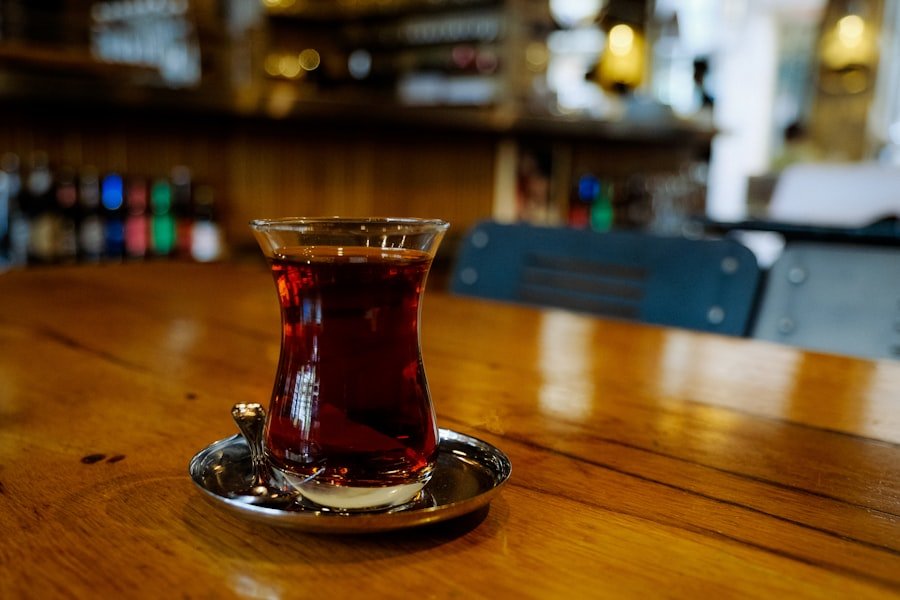
Coffee holds a significant place in Turkish culture, transcending mere consumption to become an integral part of social rituals and traditions. The phrase “a cup of coffee commits one to forty years of friendship” encapsulates the deep connections forged over shared cups of coffee. In many households, offering coffee to guests is a sign of hospitality and respect, reflecting the importance placed on social bonds.
Moreover, Turkish coffee has been recognized by UNESCO as an Intangible Cultural Heritage of Humanity, highlighting its cultural significance beyond just being a beverage. The preparation and consumption of Turkish coffee are often accompanied by specific rituals, such as reading fortunes from the grounds left at the bottom of the cup—a practice known as “tasseography.” This adds an element of mystique and tradition to the experience, further embedding coffee into the cultural identity of Turkey.
Where to Buy the Best Turkish Coffee in Istanbul
For those looking to purchase high-quality Turkish coffee beans in Istanbul, several shops stand out for their exceptional offerings. One such place is “Kurukahveci Mehmet Efendi,” established in 1871 and renowned for its premium quality beans. This shop offers a variety of blends that cater to different tastes, all ground fresh on-site.
Visitors can purchase beans or pre-ground coffee packaged for convenience. Another excellent option is “Café Privato,” which specializes in artisanal coffees sourced from various regions around Turkey. Their knowledgeable staff can guide customers through their selection process, ensuring they find the perfect blend for their brewing needs.
Additionally, Café Privato often hosts tasting events where patrons can sample different varieties before making a purchase.
Tips for Brewing the Perfect Cup of Turkish Coffee
Brewing the perfect cup of Turkish coffee requires attention to detail and adherence to traditional methods. One essential tip is to use cold water when starting the brewing process; this allows for better extraction of flavors as the coffee heats up gradually. Additionally, using freshly ground beans will significantly enhance the flavor profile; stale or pre-ground coffee can lead to a lackluster brew.
Another important aspect is controlling the heat during brewing. It’s crucial to use low heat to prevent boiling over while allowing enough time for the flavors to develop fully. As the coffee begins to froth, removing it from heat just before boiling ensures that you capture that rich crema on top without losing any flavor nuances.
Finally, allowing the grounds to settle before pouring will result in a smoother drinking experience without sediment at the bottom of your cup.
The Ritual of Drinking Turkish Coffee
The ritual surrounding drinking Turkish coffee is as significant as its preparation. Traditionally served in small cups accompanied by a glass of water, this practice allows drinkers to cleanse their palate before indulging in the rich flavors of the coffee. It’s common for friends or family members to gather around a table, sharing stories and laughter while savoring each sip slowly.
In many households, drinking Turkish coffee also involves reading fortunes from the grounds left at the bottom of the cup—a practice steeped in tradition and often accompanied by playful banter among friends or family members. This ritual not only enhances the experience but also fosters connections between individuals as they share their interpretations of what lies ahead based on their cups.
Exploring the Coffee Culture in Istanbul
Istanbul’s coffee culture is an intricate tapestry woven from history, tradition, and modernity. As one strolls through neighborhoods like Karaköy or Kadıköy, it’s impossible not to notice how deeply embedded coffee is within daily life—whether it’s locals enjoying their morning brew at street-side cafés or tourists seeking out hidden gems tucked away in narrow alleyways. The city’s vibrant café scene reflects this diversity; contemporary establishments often blend traditional practices with innovative twists on classic recipes.
For instance, some cafés experiment with flavored syrups or alternative milk options while still honoring traditional brewing methods—creating an exciting fusion that appeals to both purists and adventurous drinkers alike.
The Best Accompaniments for Turkish Coffee
Pairing food with Turkish coffee enhances the overall experience and allows for delightful flavor combinations. One classic accompaniment is “lokum,” also known as Turkish delight—a sweet confection made from sugar and starch that comes in various flavors such as rosewater or pistachio. The chewy texture and sweetness of lokum complement the rich bitterness of Turkish coffee beautifully.
Another popular pairing includes “börek,” savory pastries filled with cheese or minced meat wrapped in thin layers of dough. The flaky texture contrasts nicely with the smoothness of the coffee while providing a satisfying bite that balances out its intensity. Additionally, nuts such as pistachios or hazelnuts are often served alongside Turkish coffee; their crunchiness adds another layer of texture while enhancing its flavor profile.
In conclusion, Turkish coffee represents more than just a beverage; it embodies centuries-old traditions that continue to thrive within modern society today—making it an essential part of both daily life and cultural heritage in Turkey.
If you’re looking for the best Turkish coffee in Istanbul, you should definitely check out the article Exploring the Delightful World of Asian Melon. This article will take you on a journey through the vibrant and diverse flavors of Asian melon, giving you a taste of the exotic and refreshing fruit. And while you’re sipping on your delicious Turkish coffee, why not try making some homemade cottage cheese with the recipe provided in com/delicious-homemade-cottage-cheese-a-simple-and-healthy-recipe/’>Delicious Homemade Cottage Cheese: A Simple and Healthy Recipe?
Enjoying these culinary delights while listening to the music of rock legend Ozzy Osbourne, who sadly passed away as reported in Rock Legend Ozzy Osbourne Passes Away, would make for a truly memorable experience in Istanbul.
FAQs
What is Turkish coffee?
Turkish coffee is a traditional method of preparing unfiltered coffee that is finely ground and brewed in a special pot called a cezve. It is known for its strong flavor and thick, frothy texture.
Where can I find the best Turkish coffee in Istanbul?
Istanbul is known for its rich coffee culture, and there are many cafes and coffee shops that serve excellent Turkish coffee. Some popular places to find the best Turkish coffee in Istanbul include Mandabatmaz, Fazil Bey, and KronotRop.
What makes Turkish coffee in Istanbul special?
The Turkish coffee in Istanbul is special because of the high-quality coffee beans used, the traditional brewing method, and the rich history and culture surrounding coffee in Turkey. The coffee is often served with a small glass of water and a piece of Turkish delight.
What should I look for in a good Turkish coffee in Istanbul?
A good Turkish coffee in Istanbul should have a strong, rich flavor, a thick and frothy texture, and be served in a traditional cezve or small coffee cup. The coffee should also be brewed using high-quality, finely ground coffee beans.
Is Turkish coffee strong?
Yes, Turkish coffee is known for its strong flavor and high caffeine content. It is typically served in small portions due to its potency.