

Established in 1914, the Swiss National Park is a remarkable testament to Switzerland’s commitment to preserving its natural heritage. Nestled in the eastern part of the country, within the Engadine Valley, this park spans over 68,000 acres of pristine wilderness. It is the only national park in Switzerland and serves as a sanctuary for a diverse array of flora and fauna, many of which are endemic to the region.
The park’s rugged terrain, characterized by towering peaks, deep valleys, and glacial lakes, offers a stunning backdrop for nature enthusiasts and adventurers alike. The park was created not only to protect its unique ecosystems but also to promote scientific research and environmental education. With over 80 kilometers of marked trails, visitors can explore the breathtaking landscapes while learning about the delicate balance of nature.
The Swiss National Park is a living laboratory where scientists study the effects of climate change, biodiversity, and conservation practices.
Key Takeaways
- The Swiss National Park is the oldest national park in the Alps, established in 1914.
- The park can be reached by public transportation or car, with the closest major city being Zurich.
- Visitors can enjoy hiking, birdwatching, and guided tours in the park, with no cycling or camping allowed.
- The park is home to a diverse range of wildlife, including ibex, chamois, and golden eagles.
- Accommodation options in the park include a hostel and a hotel, with dining options available in the nearby town of Zernez.
Getting to the Swiss National Park
Reaching the Swiss National Park is an adventure in itself, as it is situated in a remote yet accessible part of Switzerland. The nearest major city is Zernez, which serves as the gateway to the park. Visitors can easily arrive in Zernez by train or car.
The Swiss rail system is renowned for its efficiency and scenic routes, making it a popular choice for travelers. From major cities like Zurich or Bern, one can take a train to Landquart and then transfer to a regional train that leads directly to Zernez. Once in Zernez, visitors can access the park through several entry points.
The park’s visitor center is located in Zernez, providing essential information about trails, wildlife, and safety guidelines. For those who prefer driving, there are parking facilities available near the park entrances. However, it is advisable to check local regulations regarding parking and access during peak seasons, as certain areas may have restrictions to protect the environment.
Activities and Attractions in the Swiss National Park
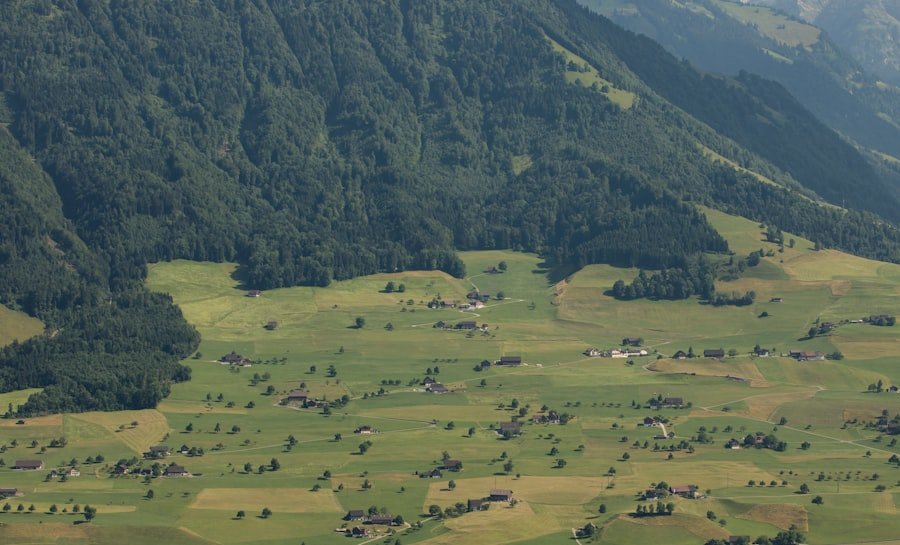
The Swiss National Park offers a plethora of activities that cater to various interests and skill levels. Hiking is undoubtedly one of the most popular pursuits, with trails ranging from easy walks suitable for families to challenging treks for seasoned hikers. The park’s well-marked paths lead visitors through diverse landscapes, including lush meadows, dense forests, and rocky alpine terrain.
One of the most iconic hikes is the “Val Trupchun” trail, which offers stunning views of the surrounding mountains and opportunities to spot wildlife. In addition to hiking, the park provides opportunities for mountain biking, guided nature walks, and educational programs. For those interested in winter sports, cross-country skiing and snowshoeing are available during the colder months.
The park transforms into a winter wonderland, with snow-covered trails that offer a different perspective on its beauty. Guided tours are also available for those who wish to learn more about the park’s ecology and history while enjoying outdoor activities.
Wildlife and Nature in the Swiss National Park
| Category | Metric |
|---|---|
| Animal Species | Over 5,000 species including ibex, chamois, red deer, and marmots |
| Plant Species | Over 650 species including edelweiss, alpine roses, and gentians |
| Protected Area | Over 170 square kilometers |
| Visitors | Over 150,000 visitors annually |
The Swiss National Park is home to an impressive variety of wildlife, making it a prime destination for nature lovers and wildlife enthusiasts. The park’s diverse habitats support over 80 species of mammals, including iconic animals such as ibexes, chamois, red deer, and marmots. The ibex, with its impressive curved horns, is particularly emblematic of the region and can often be seen grazing on steep slopes.
Birdwatchers will also find delight in spotting various avian species, including golden eagles and black grouse. The flora of the Swiss National Park is equally remarkable, with over 1,200 plant species documented within its boundaries. The park’s elevation range creates distinct ecological zones that support different types of vegetation.
From vibrant alpine flowers like edelweiss and gentians to ancient larch forests, the plant life contributes significantly to the park’s biodiversity. Seasonal changes bring a kaleidoscope of colors to the landscape, making each visit unique as visitors witness the transformation from lush greens in summer to vibrant hues in autumn.
Accommodation and Dining Options in the Swiss National Park
Accommodation options near the Swiss National Park cater to a variety of preferences and budgets. In Zernez, visitors can find charming hotels, guesthouses, and hostels that provide comfortable lodging with easy access to the park. For those seeking a more immersive experience in nature, camping is permitted in designated areas within the park during the summer months.
This option allows visitors to fully embrace the wilderness while enjoying starry nights under the expansive alpine sky. Dining options in and around the park reflect local traditions and flavors. Many accommodations offer on-site restaurants that serve regional cuisine made from locally sourced ingredients.
Traditional dishes such as “Capuns” (Swiss chard-wrapped dumplings) and “Pizokel” (a type of pasta) provide a taste of Engadine culture. Additionally, picnic areas are available for those who prefer to bring their own meals while enjoying the scenic surroundings. Visitors are encouraged to pack their lunches and take advantage of the breathtaking views at various lookout points throughout the park.
Sustainable Tourism in the Swiss National Park
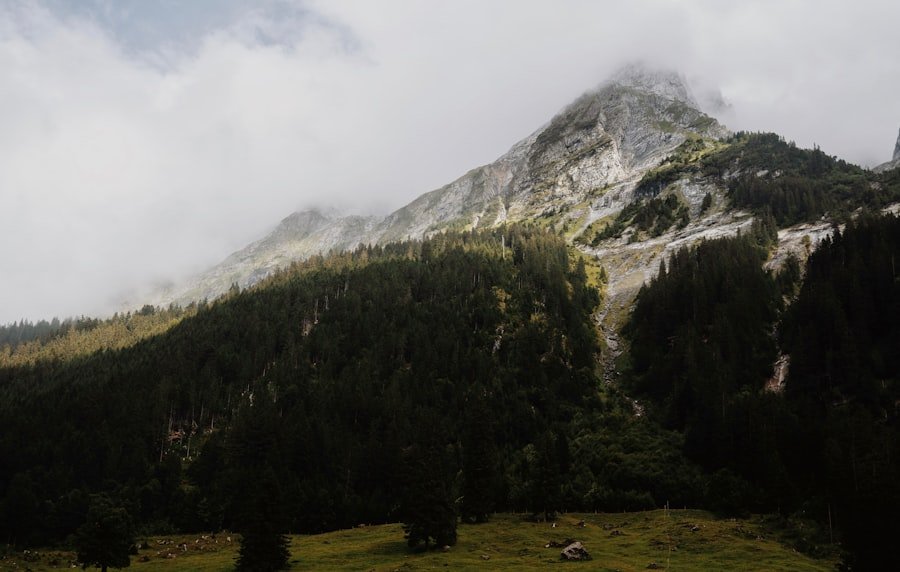
Sustainable tourism is a cornerstone of the Swiss National Park’s philosophy. The park management emphasizes responsible practices that minimize environmental impact while promoting conservation efforts. Visitors are encouraged to adhere to Leave No Trace principles by staying on marked trails, disposing of waste properly, and respecting wildlife habitats.
Educational programs at the visitor center highlight the importance of sustainability and provide tips on how tourists can contribute positively during their visit. Moreover, local businesses are increasingly adopting eco-friendly practices to align with sustainable tourism goals. Many accommodations utilize renewable energy sources and implement water conservation measures.
Additionally, public transportation options are promoted to reduce carbon footprints associated with travel within the region. By fostering a culture of sustainability, the Swiss National Park aims not only to protect its natural resources but also to inspire visitors to become stewards of the environment.
Tips for Visiting the Swiss National Park
When planning a visit to the Swiss National Park, preparation is key to ensuring an enjoyable experience. First and foremost, it is essential to check weather conditions before embarking on any outdoor activities. The alpine climate can be unpredictable; thus, dressing in layers is advisable to accommodate temperature fluctuations throughout the day.
Sturdy hiking boots are also recommended for navigating rugged terrain.
While observing animals in their natural habitat can be thrilling, maintaining a safe distance is crucial for both visitor safety and animal welfare.
Additionally, carrying binoculars can enhance wildlife viewing experiences without disturbing animals. Lastly, consider visiting during off-peak seasons for a more tranquil experience; spring and autumn offer fewer crowds while still showcasing stunning natural beauty.
Conclusion and Final Thoughts on the Swiss National Park
The Swiss National Park stands as a beacon of natural beauty and ecological significance within Switzerland’s diverse landscape. Its commitment to conservation and sustainable tourism ensures that future generations will have the opportunity to experience its wonders firsthand. From breathtaking hikes through alpine meadows to encounters with unique wildlife, every visit offers something new and enriching.
As travelers seek authentic experiences that connect them with nature, the Swiss National Park provides an ideal setting for exploration and reflection. Whether one is an avid hiker or simply looking for a peaceful retreat in nature, this national treasure invites all who enter its boundaries to appreciate the delicate balance between humanity and the environment.
If you’re planning a visit to the Swiss National Park, you might also be interested in exploring the culinary delights of the region. A great way to enhance your travel experience is by trying out local recipes that reflect the simplicity and health-conscious lifestyle of the area. For instance, you can learn how to make delicious homemade cottage cheese, which is a simple and healthy recipe perfect for a picnic in the park. Check out this related article for more details: Delicious Homemade Cottage Cheese: A Simple and Healthy Recipe. This recipe not only complements the natural beauty of the Swiss National Park but also offers a taste of wholesome, homemade goodness.
FAQs
What is the Swiss National Park?
The Swiss National Park is a nature reserve located in the Engadin Valley in the canton of Graubünden, Switzerland. It was established in 1914 and is the oldest national park in the Alps.
What is the size of the Swiss National Park?
The Swiss National Park covers an area of 170.3 square kilometers (65.7 square miles).
What is the landscape like in the Swiss National Park?
The landscape of the Swiss National Park is characterized by rugged mountains, alpine forests, meadows, and lakes. It is home to a diverse range of flora and fauna.
What activities can visitors do in the Swiss National Park?
Visitors to the Swiss National Park can enjoy hiking, wildlife watching, photography, and nature exploration. There are also designated picnic areas and educational trails.
Are there any restrictions for visitors in the Swiss National Park?
Visitors are required to stay on marked trails and are not allowed to camp, light fires, or bring pets into the park. Cycling and skiing are also prohibited.
Is there accommodation available in the Swiss National Park?
There are no accommodations within the park itself, but there are nearby towns and villages where visitors can find hotels, guesthouses, and other lodging options.
What is the best time to visit the Swiss National Park?
The Swiss National Park is open year-round, but the best time to visit for hiking and wildlife watching is from June to September. Winter sports enthusiasts can visit from December to March.