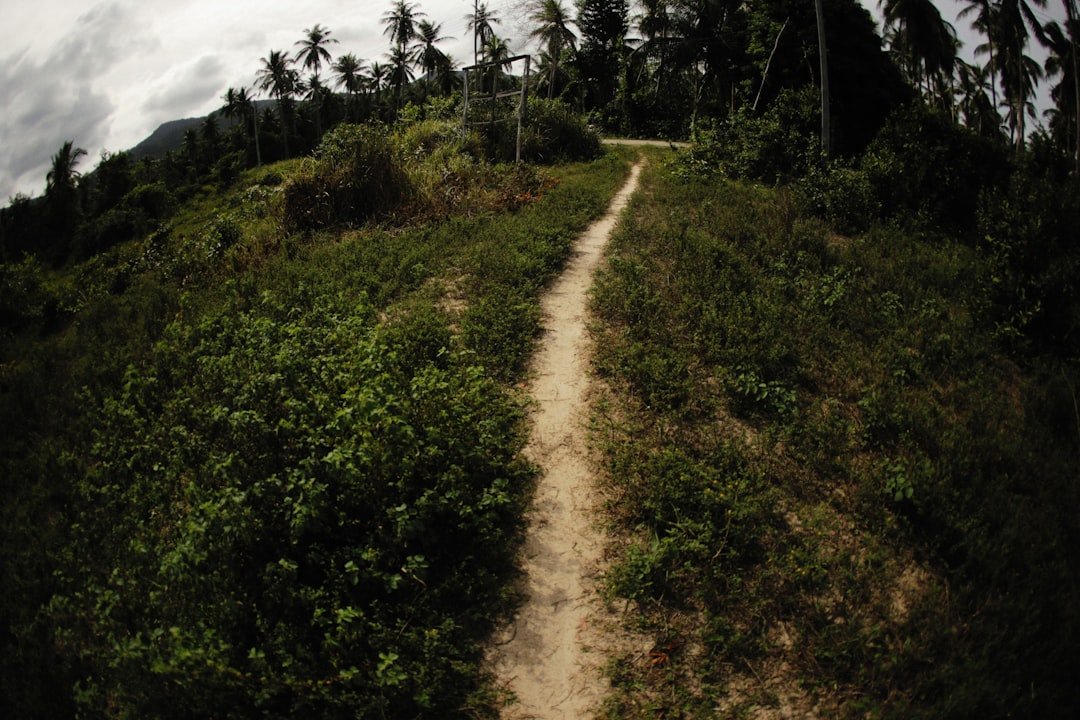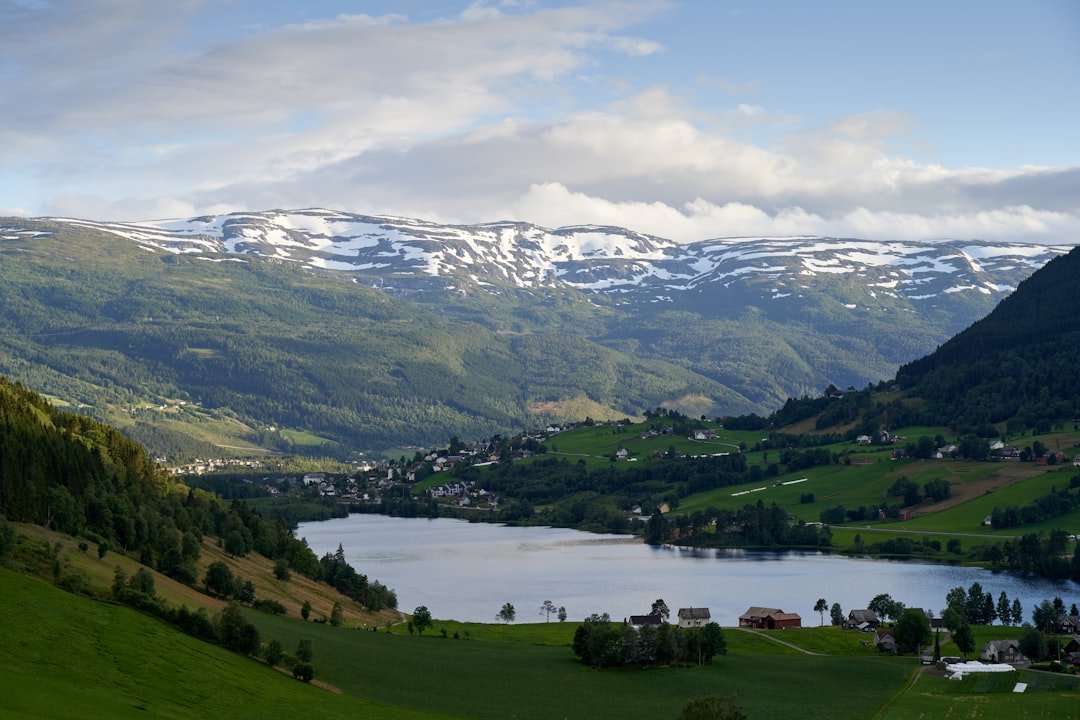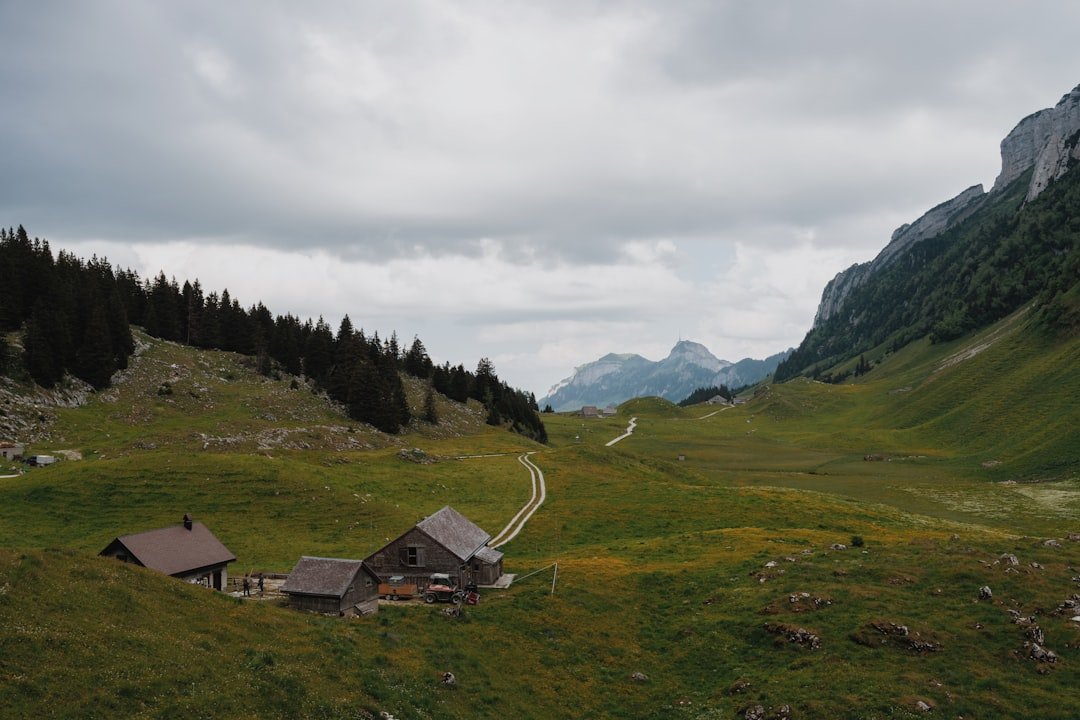
Established on August 1, 1914, the Swiss National Park protects one of the wildest landscapes in Switzerland. Located in Graubünden in the Engadin and Val Müstair region, it covers about 170.3 square kilometers (65.7 square miles, or roughly 42,100 acres). It is the oldest national park in the Alps and Switzerland’s only national park, with strict rules designed to let natural processes continue with as little human interference as possible.
Quick Answer
The Swiss National Park is a strictly protected Alpine wilderness with about 100 km of marked hiking routes. Visit during the hiking season, usually from mid-May to mid-November, check trail conditions first, and remember that dogs, cycling, camping, fires, drones, bathing, and winter entry are prohibited.
Key Takeaways
- The Swiss National Park was founded in 1914 and covers about 170.3 square kilometers of strictly protected Alpine landscape.
- Zernez is the main gateway, and the park recommends arriving by train and bus when practical.
- The park has 21 marked hiking routes covering roughly 100 km, with options ranging from short walks to demanding mountain hikes.
- Visitors must stay on marked paths and obey unusually strict rules designed to protect wildlife and natural processes.
- Cycling, camping, dogs, fires, drones, bathing, and winter entry are not allowed inside the National Park.
- Two overnight options are located within the park: Chamanna Cluozza and Hotel Parc Naziunal Il Fuorn.
The park was created not only to protect individual species but also to allow entire ecosystems to develop without normal human management. This makes it an important long-term research area. Scientists have studied natural processes here since the park’s foundation, using the landscape as an open-air laboratory for research into habitats, wildlife, vegetation, climate, and ecological change. You can read more on the official Swiss National Park website.
The park covers about 170.3 square kilometers and receives roughly 120,000 visitors a year, yet its strict protection rules keep human influence within the wilderness area deliberately limited.
Getting to the Swiss National Park
Zernez is the main gateway to the Swiss National Park. It is a village and regional transport hub rather than a major city, and it is home to the National Park Centre, park administration, railway station, and connections to several important starting points.
Travelers coming from Zurich, Bern, or other parts of Switzerland can use the national rail network to reach the Engadin, with onward Rhaetian Railway and bus connections serving Zernez and other access points. The official park recommends public transportation because many hikes can begin and end at different locations.
The Pass dal Fuorn, also called the Ofenpass, road runs through part of the park. Drivers can use numbered parking areas along this road, but spaces are limited. Several trailheads can also be reached by PostBus or regional bus services. For current rail and bus times, use the SBB timetable.
Pro Tip: Public transport can make point-to-point hikes much easier because you do not always have to return to the same parking area. Check the final bus or train connection before starting a long route.
National Park Centre in Zernez
The National Park Centre is one of the best places to begin a visit. Staff can provide current information about trail conditions, guided walks, wildlife, maps, and park regulations. The centre also has an interactive wilderness exhibition and offers binocular rental.
The information area is free to enter, while the exhibition rooms have a separate admission charge. The centre is open daily during the main summer and autumn season, with reduced opening hours outside that period. Because hours and admission conditions can change, the official visitor-centre page is the best source for current details.
Essential Rules Before You Enter
Warning: The Swiss National Park has stricter rules than many recreational parks. Visitors must stay on marked paths and designated resting areas. Dogs, camping, fires, cycling, bathing, drones, and removing plants, stones, sticks, or other natural objects are prohibited. The park is closed in winter, when entry is forbidden.
The protection regulations are central to the park’s purpose. Visitors are observers rather than active users of the landscape. According to the official protection regulations:
- Stay on marked paths and within marked resting areas.
- Do not litter or leave waste behind.
- Do not pick plants or remove animals, stones, sticks, or other natural objects.
- Visit only during daylight hours.
- Do not bring dogs into the park, even on a lead.
- Do not swim or bathe in lakes, pools, streams, or rivers.
- Do not light fires.
- Do not cycle or use flying devices such as drones.
- Do not camp or sleep in vehicles along the Pass dal Fuorn road within the protected area.
- Do not enter the park during the winter closure.
These rules help reduce disturbance to wildlife and allow forests, meadows, streams, avalanches, fallen trees, erosion, and other natural processes to develop with minimal human intervention.
Activities and Attractions in the Swiss National Park
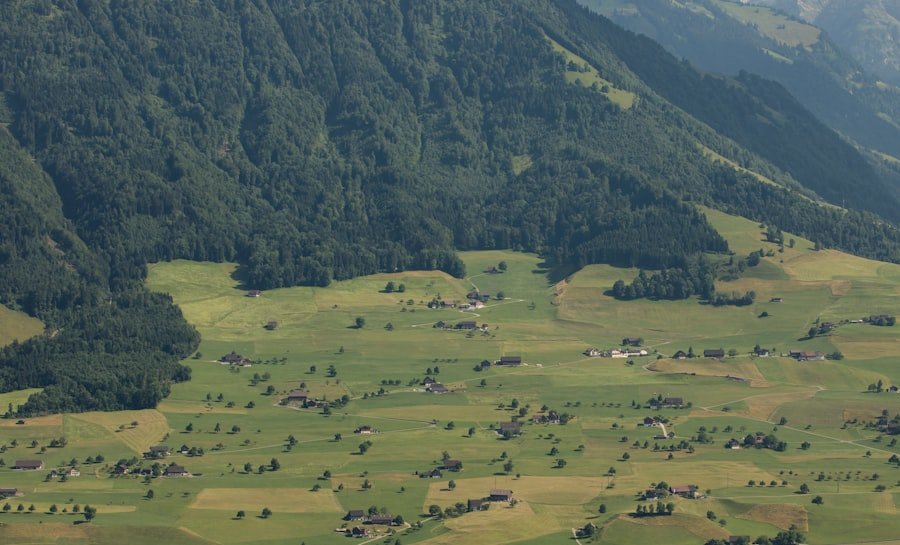
Hiking and wildlife observation are the main outdoor activities inside the Swiss National Park. The current official network includes 21 marked routes covering about 100 km. Routes vary considerably in length, elevation gain, technical difficulty, and exposure, so visitors should choose a hike that matches their experience and fitness.
One of the best-known options is Alp Trupchun. The official route is about 14 km and normally takes around four hours. Val Trupchun is particularly well known for wildlife observation, including red deer and other Alpine animals.
Other routes range from relatively short walks such as Punt la Drossa to Il Fuorn to demanding full-day mountain outings such as Lais da Macun. Some routes climb well above the tree line and require sure-footedness, proper footwear, and preparation for rapidly changing Alpine weather.
Before leaving, check the official trail-status page. Conditions can change quickly because of snow, storms, erosion, rockfall, maintenance, or other mountain hazards.
Guided nature walks and educational programs are also available. A guide can help visitors understand wildlife behavior, geology, habitats, and the park’s long-running scientific research while remaining within the protection rules.
Note: Mountain biking, cross-country skiing, and snowshoeing are not permitted inside the National Park. Those activities are available in parts of the surrounding Engadin and Val Müstair region, but routes must remain outside the protected park boundaries.
Wildlife and Nature in the Swiss National Park
| Category | Official Park Figure |
|---|---|
| Protected Area | About 170.3 square kilometers (65.7 square miles) |
| Mammals | About 36 species |
| Birds | About 100 species, around 60 of which nest in the park |
| Invertebrates | About 5,000 species |
| Higher Plants | About 650 species |
| Marked Hiking Network | 21 routes covering roughly 100 km |
| Annual Visitors | Approximately 120,000 |
The Swiss National Park is an excellent destination for observing Alpine wildlife in a protected environment. Mammals found here include Alpine ibex, chamois, red deer, marmots, foxes, and other mountain species. Golden eagles are among the best-known birds associated with the area.
Wildlife is never guaranteed, and visitors should not approach, feed, call, or otherwise disturb animals. Binoculars are useful because they let you watch from a respectful distance. Remaining quiet can also improve your chances of seeing wildlife.
The park’s plant life changes with altitude, terrain, rock type, and season. Visitors may encounter Alpine flowers, mountain grasslands, larch, Swiss stone pine, and other vegetation adapted to the region’s harsh climate. Edelweiss and gentians are among the recognizable Alpine flowers associated with the area.
Best Time to Visit the Swiss National Park
The hiking season normally runs from around mid-May to mid-November, but opening and closing dates depend on altitude, snow, weather, and individual trail conditions. High routes can remain snowy after lower trails have opened.
- June and July: A strong period for Alpine flowers and observing young animals.
- July and August: Often the most suitable time for higher routes such as the Macun plateau or high passes, depending on conditions.
- Second half of September: A notable period for the red-deer rut.
- October: Larch forests in the Engadin can turn vivid gold.
- Winter: The National Park is closed and entry is forbidden so wildlife can remain undisturbed during the most difficult season.
Always confirm current trail conditions immediately before your hike rather than relying only on seasonal averages.
Accommodation and Dining Options in the Swiss National Park
There are two official overnight options within the National Park. Chamanna Cluozza is the only serviced mountain hut inside the park and sits at about 1,882 meters. It offers simple rooms and mattress-dormitory accommodation and is reached on foot.
The second option is Hotel Parc Naziunal Il Fuorn on the Pass dal Fuorn road. Visitors can also find a wider selection of hotels, guesthouses, holiday apartments, and other lodging in communities around the park, including Zernez and other Engadin and Val Müstair villages.
Camping is not permitted inside the Swiss National Park. Travelers who want to camp should use official campsites in surrounding communities rather than attempting to camp in the protected area or sleep overnight in a vehicle along the park road.
Dining is available at accommodation providers and in nearby villages. Regional dishes may include Engadin and Graubünden specialties such as capuns and pizokel. If you carry your own food during a hike, keep all waste with you and eat only while respecting the park’s marked paths and designated resting areas.
If you enjoy preparing simple food before a day outdoors, the site’s existing recipe for Delicious Homemade Cottage Cheese: A Simple and Healthy Recipe offers one homemade-food idea. Whatever you bring, use secure reusable containers and carry every item of waste back out of the park.
Sustainable Tourism in the Swiss National Park
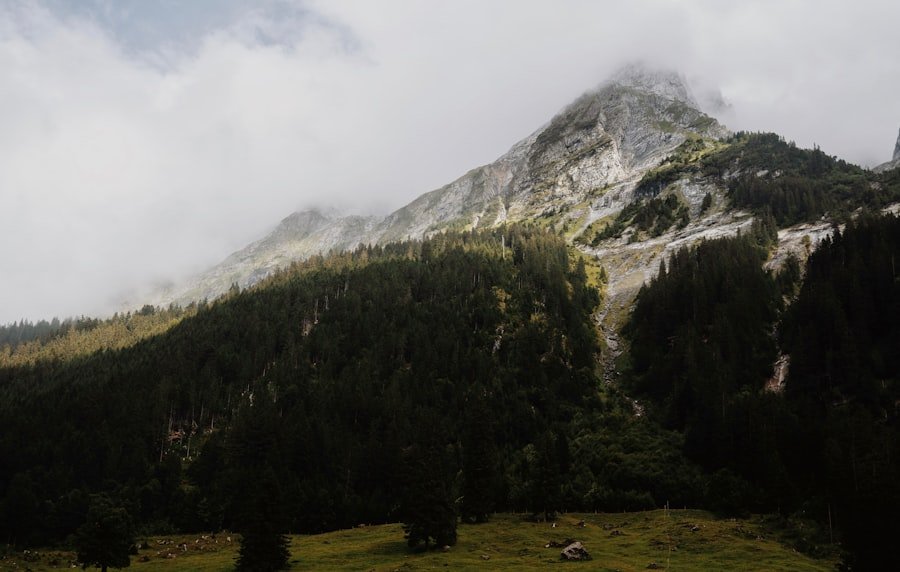
Sustainability in the Swiss National Park is based first on strict protection. Visitors are expected to minimize their influence rather than treat the landscape as a general recreation area. Staying on marked routes, not disturbing animals, leaving natural objects where they are, and carrying out all waste are basic parts of responsible visitation.
The park also encourages visitors to use trains and buses where possible. Public transport reduces pressure on limited parking areas and makes it easier to plan hikes that start and finish at different locations.
Scientific research and environmental education are also central to the park’s mission. Long-term observation helps researchers understand how Alpine habitats develop when human intervention is kept to a minimum, while exhibitions, guided walks, and educational programs help visitors understand what they are seeing.
Tips for Visiting the Swiss National Park
Good preparation is important because this is a genuine mountain environment rather than a landscaped urban park. Routes may involve steep climbs, exposed terrain, rapidly changing temperatures, and long sections without nearby facilities.
- Check the weather and trail status: Conditions can change rapidly in the Alps.
- Wear suitable hiking footwear: Sturdy shoes with good grip are appropriate for mountain trails.
- Dress in layers: Temperature can change considerably with altitude and weather.
- Carry sufficient water and food: Services are limited once you are on the trail.
- Use an offline map: Mobile-phone coverage does not reach every part of the National Park.
- Choose a realistic route: Consider distance, elevation gain, technical difficulty, and your available daylight.
- Bring binoculars: They improve wildlife viewing without forcing you to approach animals.
- Follow every park sign: Local signs and closures take priority over older guidebooks, blog posts, or saved maps.
Warning: Do not rely on continuous mobile service. Tell someone your planned route when undertaking a long hike, keep enough daylight in reserve, and turn back if weather or trail conditions become unsafe.
When observing animals, keep your distance and remain on the path. A close encounter is not a reason to approach wildlife. Quiet observation with binoculars is safer for both visitors and animals.
Families should also check individual route descriptions carefully. The official park notes that its hiking trails are not suitable for wheelchairs or pushchairs, although the National Park Centre in Zernez provides much better barrier-free accessibility.
Conclusion and Final Thoughts on the Swiss National Park
The Swiss National Park is one of Switzerland’s most important protected landscapes and a rare place where visitors can observe Alpine nature under exceptionally strict conservation rules. Its appeal comes from hiking, wildlife observation, mountain scenery, scientific history, and the chance to see landscapes in which natural processes are allowed to proceed with very little human interference.
A successful visit depends on respecting those protections. Plan around the hiking season, check current trail conditions, use marked paths, choose a route that matches your ability, and remember that activities such as cycling, camping, skiing, snowshoeing, fires, bathing, drones, and bringing dogs are not permitted inside the park. With proper preparation, the park offers a memorable way to experience the Engadin’s Alpine wilderness while helping protect it for future visitors.
Frequently Asked Questions
What is the Swiss National Park?
The Swiss National Park is a strictly protected nature reserve in Graubünden in eastern Switzerland. Founded in 1914, it is the oldest national park in the Alps and Switzerland’s only national park.
How large is the Swiss National Park?
The park covers about 170.3 square kilometers, equal to approximately 65.7 square miles or 42,100 acres.
What is the landscape like in the Swiss National Park?
The landscape includes rugged mountains, forests, Alpine meadows, rocky slopes, valleys, streams, and high-elevation lakes. The park is known for allowing natural processes to develop with minimal human intervention.
What activities can visitors do in the Swiss National Park?
The main activities are hiking, wildlife watching, nature photography, educational walks, and guided excursions. Cycling, skiing, snowshoeing, camping, swimming, and drone flying are not permitted inside the protected park.
What restrictions apply to visitors?
Visitors must remain on marked paths and designated resting areas, carry out their waste, leave natural objects untouched, visit only during daylight, and avoid disturbing wildlife. Dogs, fires, bathing, cycling, drones, camping, and winter entry are prohibited.
Can I bring a dog into the Swiss National Park?
No. Dogs are not allowed inside the Swiss National Park, even if they are kept on a lead.
Is accommodation available inside the Swiss National Park?
Yes. The two official overnight options within the park are Chamanna Cluozza, a serviced mountain hut, and Hotel Parc Naziunal Il Fuorn. Camping is not permitted inside the park.
What is the best time to visit the Swiss National Park?
The normal hiking season is approximately mid-May to mid-November, depending on weather and altitude. June and July are good for flowers, July and August suit many higher routes, the second half of September is notable for the red-deer rut, and October can bring golden larch forests.
Can I visit the Swiss National Park in winter?
No. The National Park is closed during winter and entry is forbidden. Winter hiking, skiing, and snowshoeing should be done on permitted routes outside the park boundaries.
How do I reach the Swiss National Park?
Zernez is the main gateway and can be reached by rail. Regional trains and buses connect visitors with several trailheads and park access points. Driving is also possible, but parking along the Pass dal Fuorn road is limited.
Sources
- Swiss National Park official website — park history, conservation purpose, research, and visitor overview.
- Swiss National Park Protection Regulations — official rules covering trails, dogs, camping, cycling, drones, fires, bathing, daylight access, and winter closure.
- Swiss National Park Walking Routes and Conditions — current trail network, route lengths, hiking season, and live trail status.
- Swiss National Park Accommodation and Arrival — Chamanna Cluozza, Hotel Parc Naziunal Il Fuorn, parking, buses, and arrival guidance.
- Swiss National Park Centre — visitor information, exhibitions, accessibility, opening information, and services in Zernez.
- Swiss Federal Railways (SBB) — current train and public-transport timetable information.