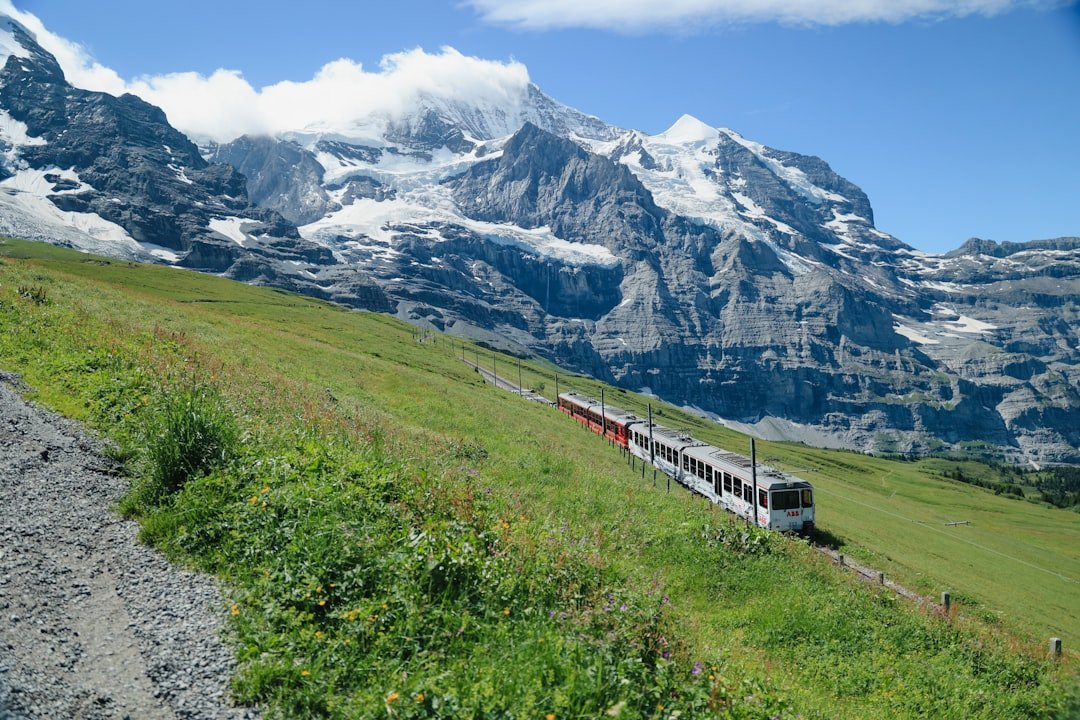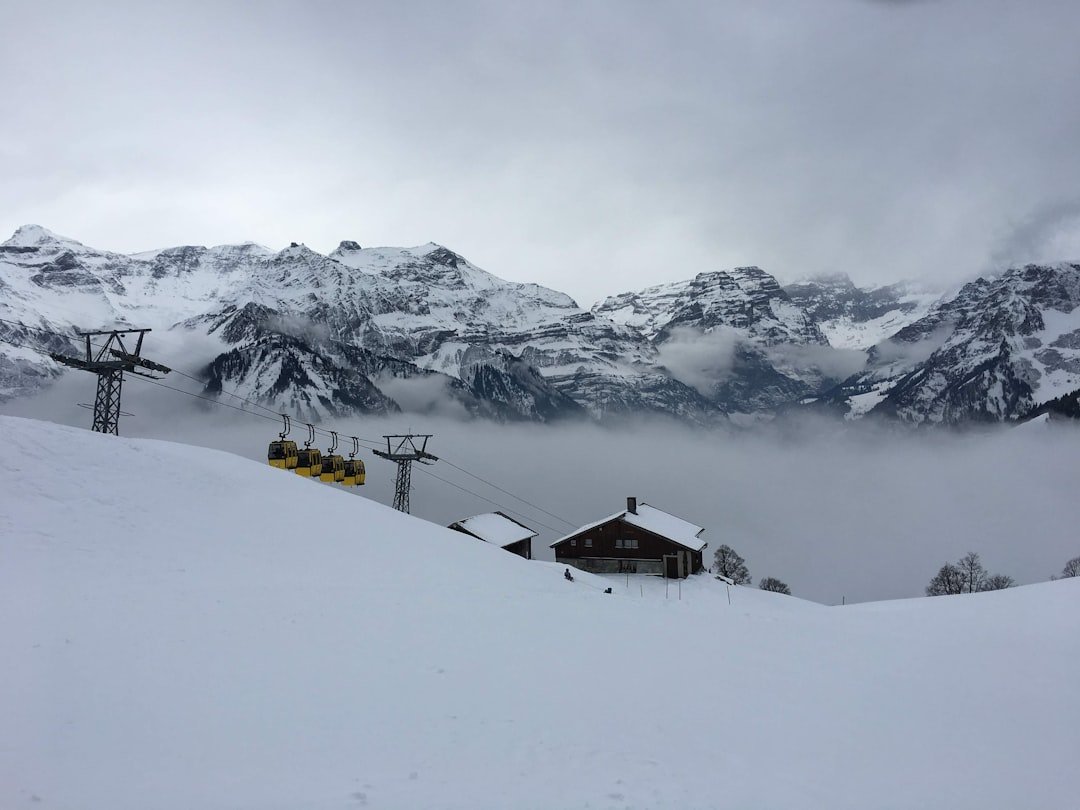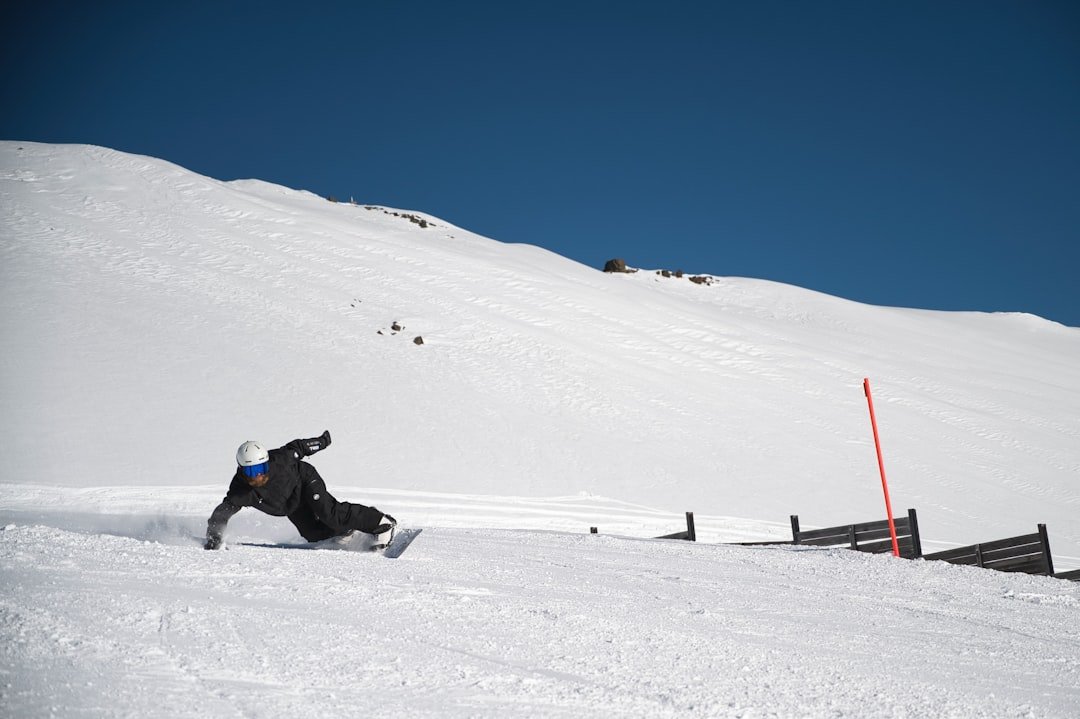
Verbier gives intermediate skiers plenty of room to progress, but it helps to understand what the name covers. Verbier is part of the much larger 4 Vallées ski domain, which offers more than 400 km of slopes across connected sectors. For intermediates, the strongest choices range from forgiving blue pistes around Esserts and La Chaux to red runs such as Attelas and Fontanet, with additional blue and red terrain around Savoleyres-La Tzoumaz and Bruson.
Quick Answer
For most intermediate skiers in Verbier, start with blue pistes such as Esserts, La Chaux, Grand Creux, or easier Savoleyres-La Tzoumaz terrain. Progress to red pistes such as Attelas, Fontanet, and selected reds in Savoleyres or Bruson. Mont-Fort and Mont-Gelé should not be treated as ordinary intermediate progression runs.
Key Takeaways
- Verbier is part of the wider 4 Vallées domain, where official resort information describes roughly 40% of the slopes as blue and 40% as red.
- Esserts, La Chaux blue, Grand Creux, and selected Savoleyres-La Tzoumaz blues are useful choices for lower or developing intermediates.
- Attelas, Fontanet, La Chaux red, and selected red pistes around Savoleyres and Bruson suit skiers who are already comfortable linking controlled turns on varied terrain.
- Mont-Fort is officially graded black, while Mont-Gelé and routes such as Chassoure-Tortin are marked itineraries rather than ordinary intermediate pistes.
- Always check the official live piste and lift status before choosing your route because snow, visibility, grooming, and openings can change during the day.
The Best Intermediate Ski Runs in Verbier
The official Verbier 4Vallées ski information describes a domain with a large proportion of blue and red terrain. That makes the area well suited to skiers who have moved beyond beginner slopes but still want a controlled progression toward steeper pistes.
Esserts: A Comfortable Starting Point
Esserts is officially graded blue and is one of the more sensible places to begin if you are still building confidence. A blue piste lets you concentrate on linked turns, speed control, balance, and using the full width of the slope without immediately committing to a red descent.
It is also a useful warm-up area before moving higher into the ski domain. If your first few turns of the day feel hesitant, staying on blue terrain for another lap is usually a better choice than rushing onto a red piste.
La Chaux: Blue-to-Red Progression
La Chaux is especially useful for intermediates because the official piste information lists both blue and red terrain in this sector. That gives you a natural way to progress within the same general area: start on the blue option, evaluate the snow and your confidence, then try the red piste if conditions and your technique feel comfortable.
The La Chaux area is also well placed for accessing other parts of the Verbier sector, making it a practical part of a full ski day rather than only a training zone.
Attelas: A Red Run for Confident Intermediates
Attelas is officially graded red. It is therefore better treated as a goal for a confident intermediate than as an easy warm-up run. You should be comfortable controlling your speed, linking turns without relying on a snowplough, and adapting when the piste becomes steeper, firmer, busier, or more uneven.
If a red piste feels too demanding on the day, returning to La Chaux blue, Esserts, Grand Creux, or another blue option is good mountain management, not a step backward.
Grand Creux and Other Blue Options
Grand Creux is another blue piste shown in the official Verbier listing. Blue terrain like this can be valuable even for experienced intermediates because it provides space to refine carving, rhythm, and turn shape without the extra pressure of a steeper red run.
Strong intermediates often improve faster by alternating between easier terrain for technique work and red terrain for challenge instead of skiing difficult pistes continuously.
Savoleyres-La Tzoumaz: Plenty of Blue and Red Choice
The Savoleyres-La Tzoumaz sector adds another useful progression zone. Current official piste information includes blue runs such as Croix de coeur-Planards, Planards-Carrefour, Route du Marteau, and Taillay. Red options include pistes such as Etablons, Planards, Saxon, Tournelle, and the upper and lower Cœur runs.
This mix makes the sector useful for groups in which some skiers want comfortable blue cruising while others are ready for more demanding red terrain. Lift configurations and access can change as infrastructure develops, so check the official interactive map before relying on a fixed route.
Bruson: Quieter Variety, but Check the Piste Grade
Bruson is a ski sector rather than a single run. Its current official piste list includes Monneyeux as blue and Grand-Tsai, Moay, Pissevache, and Sur le Six as red. These give developing and stronger intermediates several possible choices when the sector is open.
Warning: Do not assume every Bruson piste is intermediate. Pasay is currently listed as a black piste. Check the official piste map and signs before starting a descent.
Intermediate Ski Runs at a Glance
| Run / Area | Best Use for Intermediate Skiers |
| Esserts, blue | A sensible warm-up or lower-intermediate choice for controlled linked turns and confidence building. |
| La Chaux, blue and red | One of the most useful areas for progressing from comfortable blue skiing toward red terrain. |
| Attelas, red | Best for confident intermediates who already control speed and linked turns on varied red terrain. |
| Savoleyres-La Tzoumaz | A broad mix of official blue and red pistes, useful for mixed-ability intermediate groups. |
| Bruson | Monneyeux provides blue terrain, while several named red pistes suit stronger intermediates. Pasay is black. |
Tips for Intermediate Skiers in Verbier
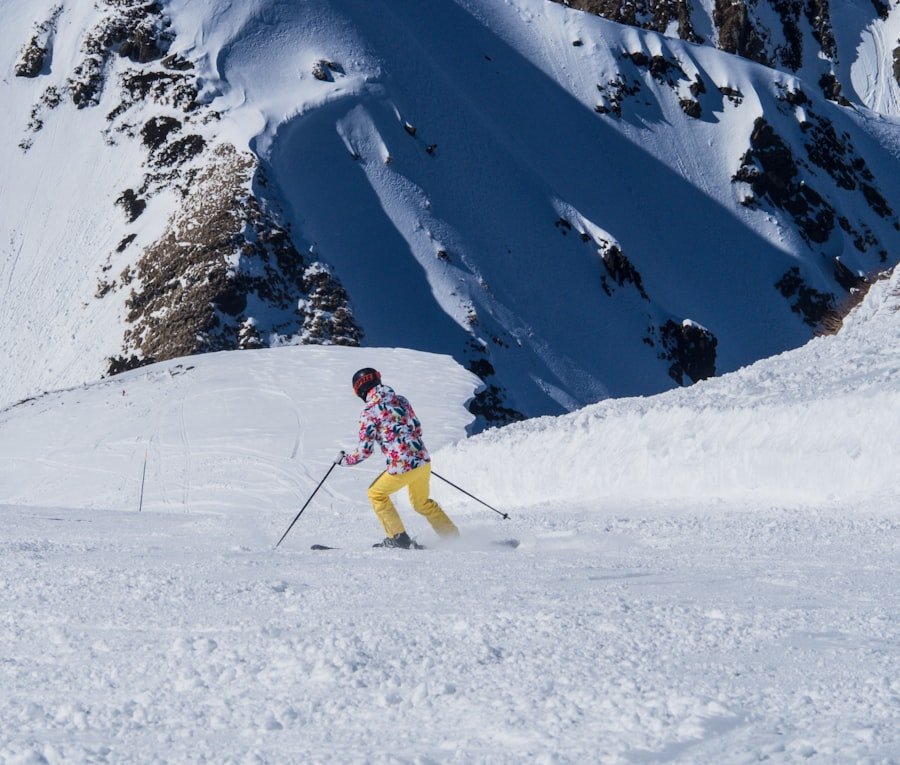
Preparation makes a large ski area much easier to manage. Before leaving your accommodation, check the official live winter information for open pistes, lifts, and activities. A route that looked perfect when you planned your trip may be closed or unsuitable because of snow, wind, maintenance, or visibility.
Start with terrain that feels comfortably inside your ability. Use the first runs to judge your balance, edge control, leg fatigue, and the snow surface. If you are skiing confidently, move gradually from blue to red rather than choosing the most difficult red run immediately.
Technique matters more than collecting piste grades. Useful intermediate skills include controlling speed through turn shape, linking parallel turns, stopping confidently on either side, side-slipping, making shorter turns when space becomes limited, and keeping a balanced stance when the surface becomes uneven.
Pro Tip: Use easier blue pistes for deliberate technique practice. Make several controlled turns with consistent shape before moving to a red run. Good technique on easier terrain usually does more for progression than simply surviving a difficult descent.
If you repeatedly lose control on red pistes, consider a lesson. Verbier has ski schools and independent instructors who work with intermediate skiers, and a local instructor can choose terrain that matches both your technique and the day’s conditions.
What to Expect on Verbier’s Intermediate Ski Runs
Intermediate skiing in Verbier is not one uniform experience. The wider 4 Vallées domain contains a substantial mix of blue and red terrain, and the difficulty you feel on any particular piste can change with visibility, snow texture, congestion, bumps, and fatigue.
A blue piste that feels straightforward on a clear morning may require more concentration during snowfall or flat light. Likewise, a red piste may feel much harder when it becomes scraped, icy, crowded, or heavily tracked later in the day.
Note: Piste color is a useful guide, not a promise that every section will feel identical. Always judge the actual conditions in front of you and use the signs posted on the mountain.
It is also important to distinguish groomed pistes from marked itineraries. The official Verbier information lists yellow routes such as Chassoure-Tortin, Vallon d’Arbi, Mont-Gelé-Chaux, and Mont-Gelé-Tortin. These should not be treated as ordinary blue or red pistes simply because they appear on the same ski map.
Choosing the Right Intermediate Ski Run for You
Your best run depends on how comfortably you can control speed and direction rather than how many ski holidays you have taken. Use the following progression as a practical guide.
If You Are a Lower Intermediate
- Begin with official blue terrain such as Esserts or Grand Creux.
- Use La Chaux blue before trying the red option in the same general sector.
- Explore appropriate blue pistes around Savoleyres-La Tzoumaz when open.
- Stay on terrain where you can stop and change direction confidently without panic.
If You Are a Confident Intermediate
- Try Attelas when snow and visibility are suitable.
- Consider Fontanet and La Chaux red.
- Use selected red runs around Savoleyres-La Tzoumaz for additional variety.
- At Bruson, consider officially graded red pistes such as Grand-Tsai, Moay, Pissevache, or Sur le Six when open and appropriate for your ability.
Terrain to Leave Until You Are Ready
Do not use famous names as a substitute for reading the piste grade. Mont-Fort is officially listed black. The two Mont-Gelé descents are marked freeride itineraries, and Chassoure-Tortin is also listed as a yellow itinerary.
The official Mont-Gelé information describes routes toward Tortin and La Chaux as freeride itineraries. If your goal is intermediate piste skiing, there is no need to use these routes to have a challenging day.
Safety Tips for Intermediate Skiers in Verbier
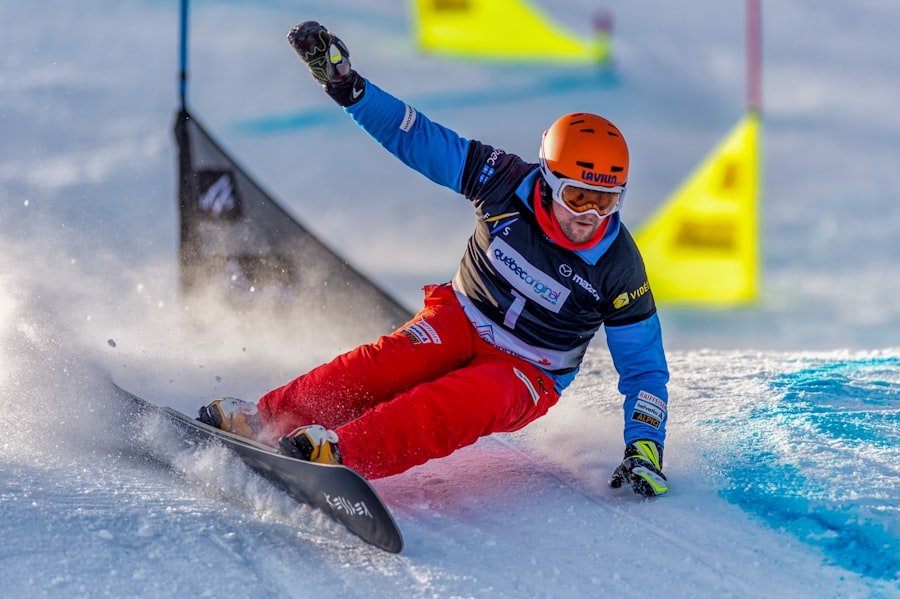
Safety begins with skiing within your ability and adapting to the conditions. The Swiss Commission for Accident Prevention on Snowsport Runs, SKUS, publishes the FIS rules and recommends controlling your speed, wearing a helmet, obeying markings, and using marked and secured snow-sport runs.
You can review the full guidance on the official SKUS skiing and snowboarding page.
- Control your speed. Ski at a speed that matches your ability, visibility, traffic, and snow conditions.
- Respect the skier below you. Choose a line that does not endanger people farther down the slope.
- Leave space when overtaking. Give other skiers enough room for unexpected movement.
- Look uphill before starting. Check for approaching skiers before entering or crossing a piste.
- Stop where you can be seen. Avoid stopping in narrow sections or below blind rolls.
- Follow signs and closures. Do not enter closed terrain even if tracks are visible.
- Use suitable equipment. Properly fitted boots, correctly adjusted bindings, appropriate clothing, eye protection, and a helmet all contribute to a better day.
Warning: Marked freeride itineraries and off-piste terrain require different judgment from normal groomed pistes. If you do not have the necessary experience, knowledge, and equipment, stay on open marked pistes or ski with a qualified professional.
If an accident occurs, protect the scene from approaching traffic, contact the resort’s emergency services, and follow instructions from piste patrol. Verbier’s own ski-patrol guidance also stresses controlled speed and responsible behavior on busy slopes.
Après-ski Activities for Intermediate Skiers in Verbier
After skiing, Verbier has plenty of places to stop for food or drinks. Farinet Après-ski remains listed by Verbier Tourism and is a well-known option in the village. Because opening days and seasonal hours change, check the current tourism listing before planning your evening.
Le Dahu is a different type of stop. It is an official mountain restaurant at La Chaux, at about 2,265 metres, making it better suited to lunch or an end-of-ski food stop than a late-night après-ski plan. Current information is available on the Verbier Tourism Le Dahu listing.
If you still plan to ski after eating or drinking, keep alcohol consumption compatible with safe skiing and allow enough time to return before lifts and pistes close.
Making the Most of Verbier’s Intermediate Ski Runs
Verbier works well for intermediate skiers because you do not have to choose between easy cruising and major expert terrain. The area gives you a progression path: warm up on blue pistes, move to reds such as Attelas or La Chaux when you are skiing confidently, and use sectors such as Savoleyres-La Tzoumaz or Bruson for extra variety.
The most important decision is not finding the single “best” run. It is choosing terrain that fits your ability and the current mountain conditions. Check the live map each morning, use blue pistes to sharpen technique, step onto red terrain gradually, and treat black pistes and yellow itineraries as separate categories rather than automatic intermediate goals.
The original article also linked to a separate food feature about Asian melon. That page is unrelated to Verbier ski planning, so treat it only as optional general reading rather than information for choosing ski runs.
Frequently Asked Questions
What are the best ski runs in Verbier for intermediate skiers?
Good choices depend on your level. Developing intermediates can start with blue pistes such as Esserts, Grand Creux, or La Chaux blue. Confident intermediates can progress to Attelas, Fontanet, La Chaux red, and selected red pistes around Savoleyres-La Tzoumaz and Bruson.
What level of skier is considered intermediate in Verbier?
An intermediate skier should normally be able to link controlled turns, regulate speed, stop confidently, and ski marked blue pistes without relying on a snowplough for every turn. Stronger intermediates are also comfortable on suitable red pistes when conditions are good.
Are there challenging red runs for intermediates in Verbier?
Yes. Attelas, Fontanet, La Chaux red, and several red pistes around Savoleyres-La Tzoumaz and Bruson can provide progression for confident intermediates. Difficulty still varies with snow, visibility, traffic, and fatigue, so check conditions first.
Are Mont Fort and Mont Gelé suitable for intermediate skiers?
They should not be treated as normal intermediate progression pistes. Mont-Fort is officially graded black, while the Mont-Gelé descents are marked freeride itineraries. Intermediate skiers have many blue and red alternatives without needing these routes.
Is Bruson good for intermediate skiers?
Yes, provided you choose the piste carefully. Monneyeux is listed blue, while Grand-Tsai, Moay, Pissevache, and Sur le Six are red. Pasay is black, so it should not be grouped with the intermediate choices.
What amenities are available for intermediate skiers in Verbier?
Verbier has ski schools, independent instructors, rental shops, mountain restaurants, lift connections, piste patrol services, an interactive ski map, and live lift and piste information. Availability varies by sector and season.
What is the best time of year to ski Verbier as an intermediate skier?
The ski season normally runs from around late November to late April, depending on snow and operating conditions. Rather than choosing a trip only by calendar month, check current snow, piste openings, and lift operations before traveling.
How should I check which Verbier runs are open?
Use the official Verbier 4Vallées live winter information and interactive piste map on the day you ski. They provide the most useful current information about lift operations, piste status, and sector access.
Sources
- Verbier 4Vallées: Ski & Snowboard – official ski-area overview, terrain mix, and intermediate-skiing context.
- Verbier 4Vallées: Live Winter Information – current piste grades, lift operations, and piste status.
- Verbier 4Vallées: Interactive Ski Map – current route and sector planning.
- Verbier 4Vallées: Mont-Gelé Freeride Route – official description of the marked Mont-Gelé itineraries.
- Swiss Commission for Accident Prevention on Snowsport Runs (SKUS) – FIS rules, piste behavior, equipment, and safety guidance.
- Verbier Tourism: Skiing and Snowboarding – official resort size, season, sectors, and ski-school information.