Genoa, the capital of the Liguria region in northwestern Italy, is a city steeped in maritime history and cultural richness. With its strategic position along the Mediterranean Sea, it has long been a vital port city, serving as a gateway for trade and cultural exchange between Europe and the rest of the world. The city’s historical significance is reflected in its architecture, which showcases a blend of Gothic, Renaissance, and Baroque styles.
The UNESCO World Heritage Site designation for its Strade Nuove and the Palazzi dei Rolli highlights the importance of its urban landscape, characterized by narrow alleys known as “caruggi” that weave through the city. Genoa’s vibrant atmosphere is further enhanced by its diverse population and rich culinary traditions. The city is not only a hub for commerce but also a melting pot of cultures, which is evident in its festivals, art, and music.
Visitors to Genoa can expect to encounter a lively blend of historical landmarks, modern attractions, and stunning coastal views. The city’s unique charm lies in its ability to offer both the hustle and bustle of urban life alongside serene seaside vistas, making it an ideal destination for travelers seeking a multifaceted experience.
Key Takeaways
- Genoa is a historic city with a rich maritime heritage and delicious cuisine.
- Explore the historic center on foot to discover charming alleyways and beautiful architecture.
- Visit the Old Port and Aquarium for a glimpse into Genoa’s maritime history and marine life.
- Indulge in Genoese cuisine, including pesto, focaccia, and fresh seafood.
- Discover the city’s impressive palaces, museums, and art galleries for a cultural experience.
Day 1: Exploring the Historic Center
Exploring the Medieval City Center
The first day in Genoa should begin with an exploration of its historic center, one of the largest medieval city centers in Europe. As you wander through the narrow streets, you will be captivated by the intricate facades of the buildings that line the alleys. The heart of this area is Piazza De Ferrari, where the grand Teatro Carlo Felice and the striking fountain create a picturesque setting.
Unveiling the Palaces of the Nobility
From here, you can easily access Via Garibaldi, a street renowned for its opulent palaces that once housed the nobility of Genoa. The Palazzi dei Rolli, with their ornate decorations and impressive architecture, are a testament to the city’s wealth during the Renaissance.
Discovering Hidden Gems and Local Craftsmanship
As you delve deeper into the historic center, make sure to visit the stunning Cathedral of San Lorenzo. This Gothic structure, with its black-and-white striped façade and intricate interior, is not only a place of worship but also a repository of art and history. Nearby, you can find the Palazzo Ducale, which served as the residence of the Doges of Genoa. Today, it hosts various exhibitions and cultural events, providing insight into the city’s rich past. The labyrinthine streets are filled with charming shops and local artisans, offering a glimpse into Genoese craftsmanship that has been passed down through generations.
Day 1: Visiting the Old Port and Aquarium
After immersing yourself in the historic center, head towards the Old Port (Porto Antico), an area that has undergone significant revitalization in recent years. This waterfront district is home to a variety of attractions, including the famous Genoa Aquarium (Acquario di Genova), one of the largest aquariums in Europe. The aquarium features an impressive collection of marine life from around the globe, including sharks, dolphins, and colorful tropical fish.
The immersive exhibits provide an educational experience for visitors of all ages, making it a perfect stop for families. In addition to the aquarium, the Old Port offers stunning views of the harbor and surrounding hills. You can take a leisurely stroll along the waterfront promenade or relax at one of the many cafes that dot the area.
The iconic Bigo panoramic lift provides an exhilarating view of the city from above, allowing you to appreciate Genoa’s unique topography. As you explore this revitalized area, you’ll find that it seamlessly blends modern attractions with historical significance, making it a must-visit destination during your stay.
Day 1: Enjoying Genoese Cuisine
| Genoese Cuisine Dish | Ingredients | Preparation Time |
|---|---|---|
| Pesto alla Genovese | Basil, pine nuts, garlic, olive oil, parmesan cheese | 15 minutes |
| Focaccia Genovese | Flour, water, yeast, olive oil, salt | 2 hours |
| Trofie al Pesto | Trofie pasta, green beans, potatoes, pesto sauce | 20 minutes |
No visit to Genoa would be complete without indulging in its renowned cuisine. The city’s culinary heritage is deeply rooted in its maritime history and agricultural traditions. Start your gastronomic journey with a taste of pesto alla Genovese, a fragrant basil sauce made with fresh basil leaves, garlic, pine nuts, Parmesan cheese, and olive oil.
This iconic dish is often served with trofie or trenette pasta and is a true representation of Ligurian flavors. Another local specialty to try is focaccia di Genova, a soft and flavorful flatbread that can be enjoyed plain or topped with various ingredients such as olives or rosemary. As you explore local eateries and trattorias, you may also come across pansoti, a type of stuffed pasta filled with wild greens and served with a walnut sauce.
Pair your meal with a glass of local wine from the nearby vineyards, such as Vermentino or Rossese, to enhance your dining experience. The combination of fresh ingredients and traditional recipes makes Genoese cuisine a delightful adventure for food lovers.
Day 2: Discovering the Palaces and Museums
On your second day in Genoa, dedicate time to exploring its magnificent palaces and museums that showcase the city’s artistic heritage. Begin your day at Palazzo Rosso, one of the most famous palaces on Via Garibaldi. This stunning building houses an impressive collection of paintings by renowned artists such as Van Dyck and Rubens.
The opulent interiors are adorned with frescoes and period furniture that transport visitors back to the grandeur of Genoese nobility. Next on your itinerary should be Palazzo Bianco, located just a short walk away. This palace features an extensive collection of Italian Renaissance art, including works by Caravaggio and Veronese.
The serene atmosphere within its walls allows for quiet contemplation as you admire masterpieces that have shaped Italian art history. For those interested in contemporary art, the Museo di Palazzo Ducale often hosts temporary exhibitions that highlight modern artistic expressions while maintaining ties to Genoa’s rich cultural narrative.
Day 2: Taking a Stroll Along the Waterfront
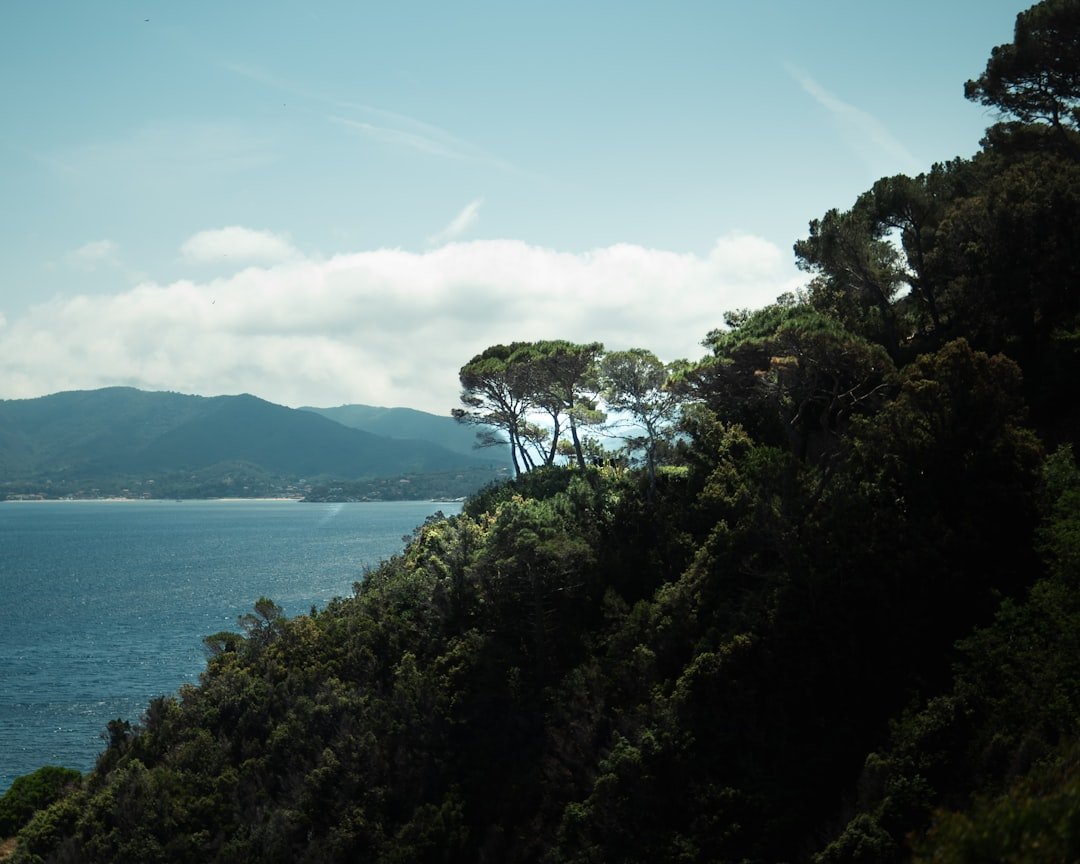
After immersing yourself in art and history, take some time to enjoy a leisurely stroll along Genoa’s waterfront. The Lungomare promenade offers breathtaking views of the Ligurian Sea and is lined with palm trees and vibrant flowers that create an inviting atmosphere. As you walk along this scenic route, you can stop at various viewpoints to capture stunning photographs of the coastline and cityscape.
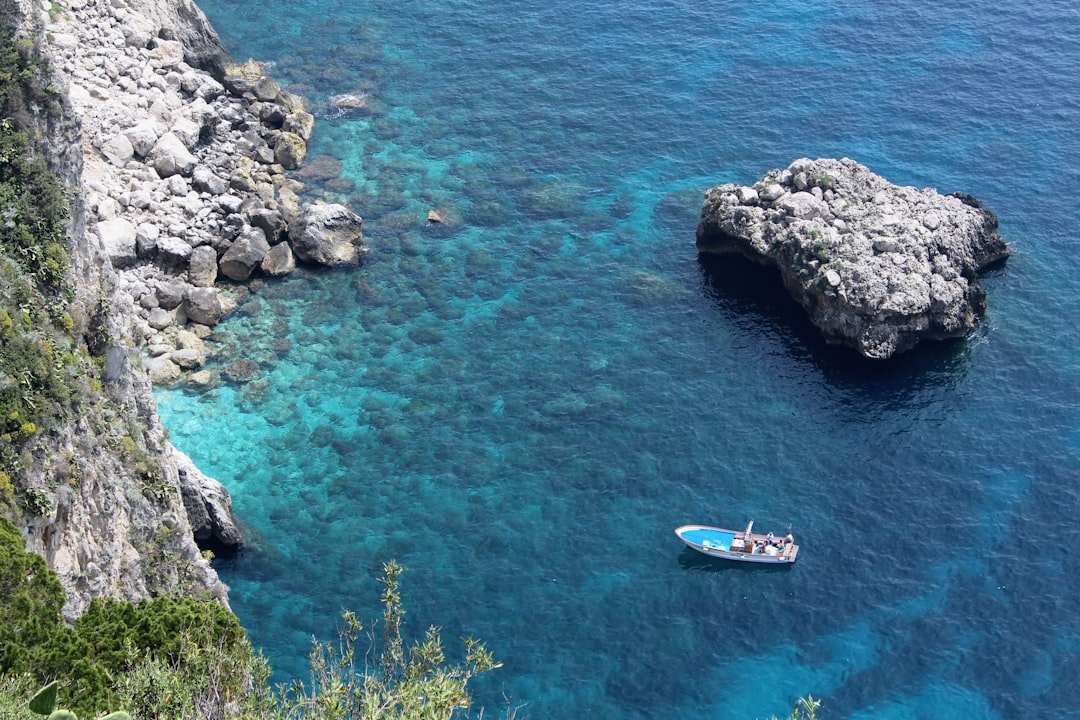
The waterfront area is also home to several beaches where you can relax or take part in water activities such as kayaking or paddleboarding. If you’re feeling adventurous, consider taking a boat tour to explore nearby coastal villages like Portofino or Cinque Terre. These picturesque destinations are easily accessible from Genoa’s harbor and provide an opportunity to experience more of Liguria’s natural beauty.
Day 2: Venturing to the Hilltop Neighborhoods
To gain a different perspective on Genoa’s landscape, venture into its hilltop neighborhoods such as Castelletto or Nervi. These areas offer panoramic views of the city and are perfect for those who enjoy hiking or simply want to escape the urban hustle for a while. Castelletto can be reached via funicular railway, providing an exhilarating ride up the hillside while offering glimpses of Genoa’s sprawling architecture below.
Once at Castelletto, take time to explore its charming streets lined with colorful houses and quaint cafes. The viewpoint at Spianata Castelletto is particularly popular among locals and tourists alike for its breathtaking vistas over the city and harbor. In Nervi, you can stroll along the beautiful promenade known as Passeggiata Anita Garibaldi, which hugs the coastline and showcases stunning gardens along the way.
This area is less crowded than central Genoa but equally enchanting, making it an ideal spot for relaxation.
Day 2: Sampling Local Wines and Delicacies
As your second day unfolds, immerse yourself in Liguria’s rich culinary scene by sampling local wines and delicacies at enotecas (wine bars) or traditional restaurants. Liguria is known for its unique wine varieties that thrive in its hilly terrain; among them are Vermentino—a crisp white wine—and Rossese—a light red wine that pairs beautifully with local seafood dishes. Consider joining a wine tasting tour that allows you to visit nearby vineyards where you can learn about traditional winemaking techniques while savoring exquisite wines paired with local cheeses and cured meats.
The combination of flavors will deepen your appreciation for Ligurian cuisine while providing insight into how geography influences local agriculture. Whether you’re enjoying a glass at a rustic vineyard or sipping wine at a chic enoteca in town, this experience will undoubtedly enhance your understanding of Genoa’s culinary identity.
Where to Stay in Genoa
When planning your stay in Genoa, you’ll find a range of accommodation options that cater to various preferences and budgets. For those seeking luxury, consider booking a room at one of the historic hotels located near Piazza De Ferrari or along Via Garibaldi. These establishments often feature elegant decor and provide easy access to major attractions within walking distance.
If you’re looking for something more budget-friendly yet charming, there are numerous guesthouses and boutique hotels scattered throughout the historic center. Many offer personalized service and unique character that reflects Genoa’s rich heritage. For travelers who prefer modern amenities combined with local flair, consider staying at one of the contemporary hotels located near Porto Antico or along the waterfront—these locations provide stunning views while keeping you close to key attractions.
Getting Around Genoa: Transportation Tips
Navigating Genoa can be an enjoyable experience thanks to its compact size and efficient public transportation system. The city’s extensive bus network connects various neighborhoods and attractions seamlessly; purchasing a day pass can be economical if you plan on using public transport frequently during your visit. Additionally, trams operate in certain areas providing another convenient option for getting around.
For those who prefer exploring on foot, walking is often the best way to appreciate Genoa’s unique architecture and hidden gems tucked away in its narrow streets. However, be prepared for some steep inclines as you traverse between different neighborhoods—comfortable shoes are essential! Taxis are also available throughout the city if you need quick transportation or prefer not to walk long distances.
Tips for Making the Most of Your 2-Day Visit to Genoa
To maximize your two-day visit to Genoa, consider planning your itinerary around specific themes or interests—whether it’s art, food, or history—this will help streamline your experience while ensuring you don’t miss out on key attractions. Start each day early to take advantage of quieter morning hours at popular sites before they become crowded with tourists. Additionally, embrace spontaneity by allowing time for unplanned discoveries; some of Genoa’s most charming experiences can be found off-the-beaten-path in local markets or small cafes where you can interact with residents who share their stories about life in this vibrant city.
Lastly, don’t forget to take breaks throughout your exploration—whether it’s enjoying gelato by the harbor or sipping espresso at a sidewalk café—these moments will enrich your overall experience in this captivating Italian gem.
If you’re looking to explore the culinary delights of Genoa during your 2-day itinerary, you may want to check out this article on delicious homemade cottage cheese. This simple and healthy recipe could be a great addition to your foodie adventures in this Italian city known for its delicious cuisine.
FAQs
What is Genoa known for?
Genoa is known for its rich maritime history, beautiful old town, delicious cuisine, and as the birthplace of Christopher Columbus.
What are the must-see attractions in Genoa?
Some of the must-see attractions in Genoa include the Old Port, the Aquarium of Genoa, Via Garibaldi and its palaces, the Cathedral of San Lorenzo, and the Palazzo Ducale.
What is the best way to get around Genoa?
The best way to get around Genoa is by walking, as many of the city’s attractions are located close to each other in the historic center. There is also a public transportation system including buses and a metro.
What are some popular dishes to try in Genoa?
Some popular dishes to try in Genoa include pesto, focaccia, farinata (chickpea flatbread), and fresh seafood dishes.
Is Genoa a safe city for tourists?
Genoa is generally a safe city for tourists, but it’s always important to take normal precautions such as being aware of your surroundings and keeping an eye on your belongings.