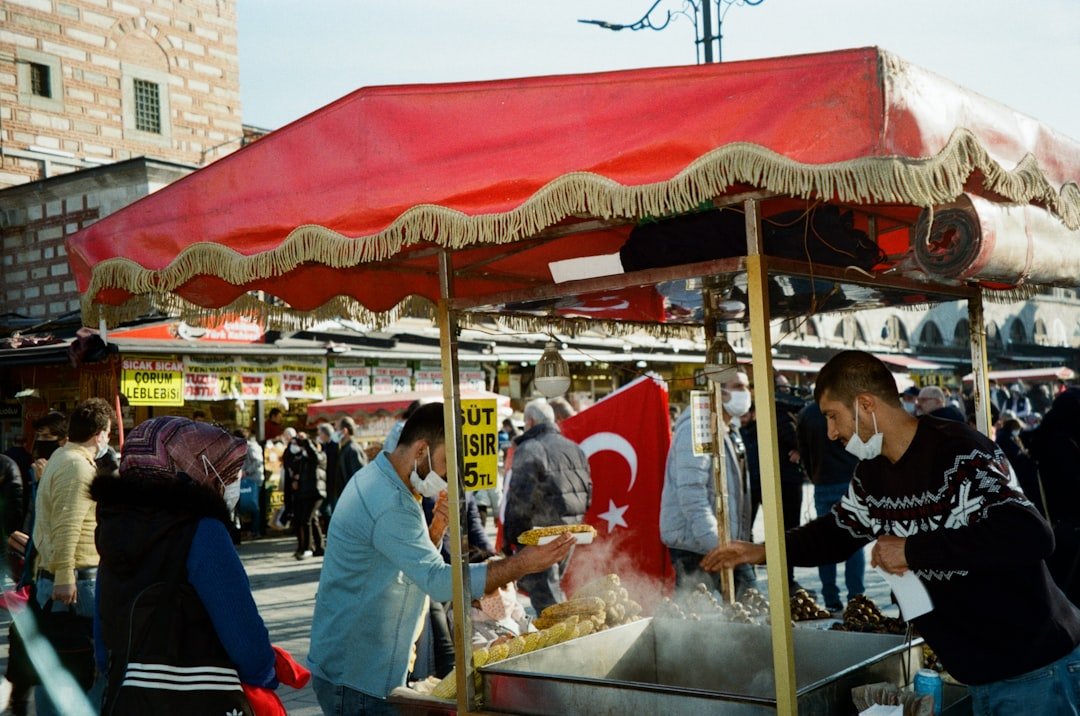
Istanbul is one of the easiest places to understand why lahmacun is more than the nickname “Turkish pizza.” The best lahmacun in Istanbul is thin, crisp at the edges, covered with a well-seasoned meat mixture, and served hot enough to roll with parsley, lemon, and other fresh garnishes. Kadıköy is especially convenient because several long-running lahmacun specialists sit close together around the market streets.
Quick Answer
For the best lahmacun in Istanbul, start in Kadıköy with Çiya, Borsam Taşfırın, or Halil Lahmacun. Look for very thin dough, an evenly spread meat topping, crisp edges, and fast service from the oven. Add lemon and parsley, roll it while warm, and eat it by hand.
Last checked: October 1, 2026. Dates and figures were verified against official sources.
Key Takeaways
- Kadıköy is the strongest one-stop area in this guide because Çiya, Borsam Taşfırın, and Halil Lahmacun are all in the district.
- Lahmacun is not simply pizza without cheese; its thin dough, finely spread topping, fast bake, and rolled serving style make it a different dish.
- Gaziantep lahmacun is a specific protected regional style with defined ingredients and preparation rules, so not every Istanbul lahmacun follows the same formula.
- Lemon, parsley, onions, pickled peppers, and ayran are common partners, but exact garnishes vary by shop and regional style.
- Eat lahmacun soon after baking so the base stays crisp while the flatbread remains flexible enough to fold or roll.
Where to Find the Best Lahmacun in Istanbul
The most useful place to start is Kadıköy, where several established lahmacun shops are clustered around the market and nearby streets. Çiya offers a broader regional Turkish menu, Borsam Taşfırın focuses strongly on baked specialties, and Halil Lahmacun is a compact specialist for a quick meal.
Çiya in Kadıköy
Çiya is a strong choice if you want lahmacun as part of a larger meal built around regional Turkish cooking. Its official Çiya website places its restaurants in Kadıköy’s fish-market area and describes a menu influenced by cuisines from Anatolia and neighboring regions.
An official September 2026 Çiya daily-menu page lists service hours of 11:00 to 22:00. That makes Çiya practical for either lunch or dinner, especially if people in your group want more than lahmacun.
Borsam Taşfırın in Kadıköy
Borsam Taşfırın is also in Kadıköy, not Fatih. It is known for lahmacun and pide baked at its stone-oven locations, making it a straightforward stop when you want a crisp, freshly baked flatbread rather than a long restaurant meal.
A current Borsam Taşfırın menu listing shows standard lahmacun served with lemon and parsley. Branch details can differ, so use the branch name and address when planning a specific visit.
Halil Lahmacun in Kadıköy
Halil Lahmacun is another useful Kadıköy option, especially if you want a shop centered on lahmacun rather than a broad restaurant menu. Current location listings place it at Güneşlibahçe Sokak No:26 in Kadıköy.
The current Halil Lahmacun map listing also identifies it as a lahmacun restaurant. Because restaurant hours can change, confirm the same-day listing before making a special trip across Istanbul.
What Makes Authentic Lahmacun Different?
Good lahmacun depends on the balance between a very thin dough and a moist but not overloaded topping. The meat mixture should spread almost to the edge, cook quickly, and leave the base crisp enough to hold its shape without becoming thick or bread-like.

There is no single recipe for every lahmacun in Türkiye. However, the registered Gaziantep version gives a useful reference point. The Türkiye Culture Portal’s Gaziantep lahmacun specification describes a topping made with lamb, parsley, tomatoes, garlic, peppers, and seasonings on thin dough, baked in a stone oven.
That source is also useful because it corrects a common oversimplification: a wood fire is traditional, but the protected preparation centers on a stone oven rather than requiring every lahmacun everywhere to be wood-fired. The Gaziantep specification also differs from many Istanbul versions because the regional recipe emphasizes garlic and does not use onion in the same way.
The name itself is connected to Arabic words for meat and dough, and Turkish official material notes a 17th-century Ottoman-era reference to lahm-ı acinli börek. Rather than assigning lahmacun to one simple point of origin, it is more accurate to see it as part of a wider regional flatbread tradition that developed into distinct local styles.
Gaziantep lahmacun now has formal international recognition as well. Commission Implementing Regulation (EU) 2025/2237 of October 29, 2025 entered Antep Lahmacunu/Gaziantep Lahmacunu in the EU register as a protected geographical indication.
The Different Variations of Lahmacun in Istanbul
Istanbul brings together regional cooking traditions, so you will see differences in shape, seasoning, heat, and garnishes from one shop to another. The biggest practical differences are usually the meat mixture, whether garlic or onion leads the flavor, the amount of pepper, and how thin or crisp the dough becomes.
| Variation | Ingredients | Size | Toppings |
|---|---|---|---|
| Traditional Lahmacun | Minced meat, onions, tomatoes, parsley, spices | Medium | Lettuce, lemon, parsley, onions |
| Vegetarian Lahmacun | Mixed vegetables, tomatoes, herbs, spices | Medium | Tomatoes, cucumbers, parsley, onions |
| Spicy Lahmacun | Minced meat, onions, tomatoes, spicy peppers, spices | Medium | Spicy peppers, onions, parsley |
The table describes common menu-style variations rather than one official national formula. A vegetarian version, for example, is a modern adaptation rather than the traditional meat-topped dish. Spicy versions may simply increase the amount of hot pepper without changing the basic method.
For a more specific regional contrast, Gaziantep lahmacun has a documented formula. The Turkish Patent and Trademark Office confirms Gaziantep Lahmacunu as a protected geographical product and notes its EU registration in 2025.
The Best Accompaniments for Lahmacun
Lemon and fresh herbs are the simplest additions because they brighten the rich meat topping without covering it. Many shops also serve raw or sumac-seasoned onion, pickled peppers, tomatoes, lettuce, or other greens, although the exact plate varies by restaurant.
- Lemon: squeeze it over the hot lahmacun just before rolling.
- Parsley and greens: add freshness and a little crunch.
- Onion or sumac onion: common with many Istanbul styles, though not part of every regional recipe.
- Pickled peppers or vegetables: add acidity and heat alongside the savory topping.
- Ayran: the cool yogurt drink is a classic partner for spicy or rich grilled and baked foods.
Add garnishes lightly at first. Too much salad or liquid can soften the base and make a crisp lahmacun harder to roll cleanly.
Tips for Ordering and Enjoying Lahmacun in Istanbul

Order lahmacun freshly baked and start eating while it is still hot. That is when you get the best contrast between crisp edges, flexible dough, and a juicy topping.
- Choose the style you want. Ask whether the shop offers spicy and non-spicy versions or a regional style.
- Check the garnishes. Lemon and parsley are common, while onions, lettuce, peppers, and pickles vary.
- Add only what you need. A light squeeze of lemon and a small handful of herbs lets you taste the topping first.
- Roll or fold it. Lahmacun is thin enough to eat comfortably by hand.
- Order another only after tasting the first. This makes it easier to compare styles without over-ordering.
If you are comparing several shops in Kadıköy, keep the orders simple. The dough, topping, seasoning, and bake are easier to judge before you add extra sauces or heavy garnishes.
Why Lahmacun Matters in Istanbul’s Food Culture
Lahmacun fits Istanbul because it works in several settings at once. It can be a fast lunch from a specialist bakery, a starter before kebabs, or part of a larger family meal. That flexibility helps explain why it appears in both simple neighborhood shops and more elaborate restaurants.
Its regional variations also reflect Istanbul’s role as a meeting place for people from across Türkiye. Recipes associated with Gaziantep, Şanlıurfa, and other southeastern traditions appear alongside local interpretations, so the city lets you compare styles without treating one version as the only authentic one.
The dish also remains communal. Diners share greens, lemons, pickles, and ayran at the table, then season and roll each piece to taste. The result is simple food with a strong sense of place and routine.
Making Lahmacun at Home: Step-by-Step
You can make a home version with flour, water, yeast, salt, minced meat, tomatoes, peppers, onion or garlic depending on the style, herbs, and spices. The hardest part is not the ingredient list; it is rolling the dough thinly and spreading the topping in an even, light layer.
- Make the dough. Mix flour, water, yeast, and salt, then knead until smooth. Let it rest until relaxed and slightly risen.
- Prepare the topping. Finely chop the vegetables and herbs, then combine them thoroughly with the minced meat and seasonings.
- Divide and roll. Portion the dough and roll each piece into a thin round or oval on a lightly floured surface.
- Spread the topping. Press a thin, even layer almost to the edge instead of piling the mixture in the center.
- Bake very hot. The original home method uses about 475°F or 245°C for roughly 8–10 minutes, until the base is crisp and the meat is cooked through.
- Serve immediately. Add lemon, parsley, pickled vegetables, or other preferred garnishes while the lahmacun is still warm.
A domestic oven does not reproduce a restaurant stone oven exactly, so use the baking time as a starting point and watch the crust and topping closely. The official Gaziantep method uses a much hotter stone oven and a much shorter bake, which is one reason restaurant lahmacun develops its characteristic texture so quickly.
For another food-focused read, see Exploring the Delightful World of Asian Melon.
Frequently Asked Questions
What is lahmacun?
Lahmacun is a thin flatbread covered with a finely spread mixture of minced meat, vegetables, herbs, and seasonings, then baked quickly at high heat. It is usually served hot with lemon and fresh greens and is often rolled or folded before eating.
Where can I find the best lahmacun in Istanbul?
Kadıköy is one of the most convenient areas for lahmacun because Çiya, Borsam Taşfırın, and Halil Lahmacun are all located there. They suit different needs: Çiya for a broader regional meal, Borsam for baked specialties, and Halil for a focused lahmacun stop.
What makes a good lahmacun?
A good lahmacun has thin dough, crisp edges, an evenly distributed topping, and balanced seasoning. The topping should stay moist without soaking the base, and the flatbread should arrive hot enough to fold or roll without turning tough.
Is lahmacun spicy?
Lahmacun can be mild or spicy. Pepper and spice levels vary by regional style and by restaurant, so a standard version may have warmth without strong heat. If you are sensitive to chili, ask whether the shop offers an acısız, or non-spicy, version.
Can I customize my lahmacun toppings?
You can usually adjust the garnishes added after baking, such as lemon, parsley, onions, or peppers. The meat mixture itself is often prepared to the shop’s recipe, so major changes may not be practical. Some restaurants also offer spicy, cheese-topped, or vegetarian-style variations.
Sources
- Çiya: Kadıköy location context and restaurant background.
- Çiya daily menu, September 10, 2026: official service hours.
- Türkiye Culture Portal: Gaziantep lahmacun ingredients, stone-oven method, history, and regional characteristics.
- EUR-Lex: 2025 EU protected geographical indication registration for Antep Lahmacunu/Gaziantep Lahmacunu.
- Turkish Patent and Trademark Office: confirmation of Gaziantep Lahmacunu’s EU geographical-indication recognition.
- Yemeksepeti: current Borsam Taşfırın menu listing and branch information.
- Apple Maps: current Halil Lahmacun address and business listing.