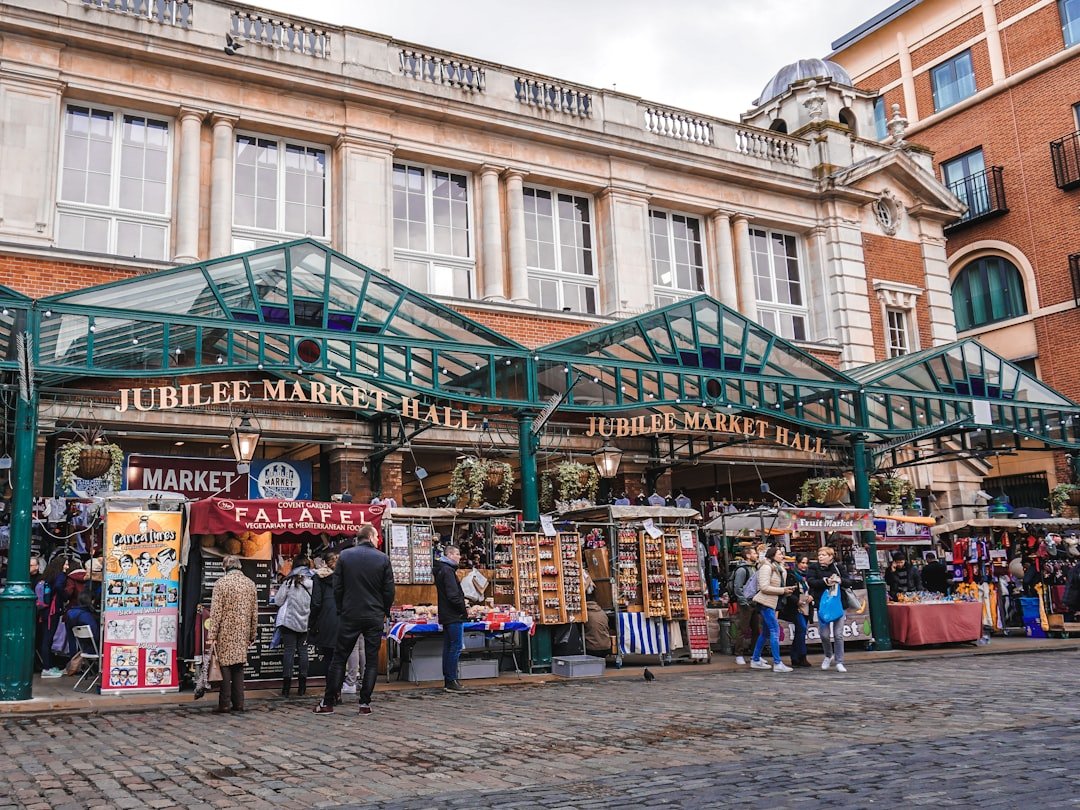
London’s best markets cover almost every kind of shopping trip, from historic food halls and international street food to antiques, vintage fashion, handmade art, flowers, and seasonal produce. Borough Market is the standout for food, Portobello Road is the classic choice for antiques, Camden suits street food and alternative fashion, while Greenwich and Old Spitalfields are strong choices for crafts, design, and independent traders.
Quick Answer
For food, start with Borough or Camden Market. Choose Portobello Road or Alfies for antiques, Brick Lane for vintage and Sunday browsing, Greenwich for crafts and art, Columbia Road for flowers, and a London Farmers’ Market such as Marylebone or Queen’s Park for produce bought directly from farmers and small producers.
Key Takeaways
- Borough Market is the strongest all-round choice for serious food shopping and prepared food near London Bridge.
- Camden Market combines international street food, independent shops, alternative fashion, and entertainment seven days a week.
- Portobello Road is best for antiques on Saturday, while Alfies offers a large indoor antiques collection Tuesday through Saturday.
- Brick Lane is most rewarding on Sunday for flea-market browsing, vintage fashion, food, and East London atmosphere.
- Greenwich Market is a good choice for handmade gifts, crafts, art, jewellery, and food.
- Columbia Road Flower Market is a Sunday-only destination for flowers, plants, and gardening finds.
- Opening hours vary by individual trader and on bank holidays, so use the market’s official website for date-specific changes before making a special journey.
Best Markets in London at a Glance
| Market | Best For | Best Day / Normal Hours | Area |
|---|---|---|---|
| Borough Market | Food, produce, specialty ingredients | Tue–Fri 10am–5pm; Sat 9am–5pm; Sun 10am–4pm | London Bridge |
| Camden Market | Street food, fashion, independent shops | Daily, generally 10am–7pm; individual traders vary | Camden |
| Portobello Road Market | Antiques, vintage fashion, collectibles | Saturday is the main antiques day; antiques traders generally 9am–5pm | Notting Hill |
| Covent Garden Markets | Crafts, gifts, shopping, street performers | Apple Market daily 10am–6pm; East Colonnade generally 10:30am–7pm | Covent Garden |
| Old Spitalfields Market | Independent design, food, fashion, Thursday antiques | Open seven days; Thursday starts at 8am for antiques activity | Spitalfields |
| Greenwich Market | Crafts, art, jewellery, gifts, food | Generally daily 10am–5:30pm | Greenwich |
| Brick Lane Market | Vintage, flea-market finds, street food | Sunday is the main market day; individual halls and traders vary | Brick Lane |
| Columbia Road Flower Market | Flowers, plants, garden goods | Sunday, about 8am–3pm | Bethnal Green |
| Broadway Market | Food, independent goods, neighbourhood atmosphere | Sat 9am–5pm; Sun 10am–4pm | Hackney |
| Alfies Antique Market | Indoor antiques, vintage fashion, design | Tue–Sat 10am–6pm | Marylebone / Church Street |
Note: Market schedules are more fluid than museum opening hours. Bank holidays, Christmas trading, special events, weather, and individual stallholders can affect what is open even when the market itself is operating.
Historical Markets in London
London’s market tradition reaches deep into the city’s history, but two historic names need to be understood differently: Borough Market is now a major public food destination, while Smithfield remains primarily a wholesale meat market.
Borough Market traces its story back around 1,000 years to a food market that developed near the southern end of London Bridge. The present market was established at its current site in 1756. It later became an important wholesale fruit and vegetable market before reinventing itself in the late 20th century as the food market visitors know today.
That history is visible in the railway arches, market halls, surrounding streets, and mix of traditional food traders and contemporary producers. For most visitors, Borough is more useful as a place to eat, shop for ingredients, and explore specialist food than as a conventional souvenir market.
Smithfield Market has an equally remarkable trading history. Livestock and meat trading on the site stretches back for centuries, with a written description of a livestock market there dating to 1174. The Victorian East and West Market Buildings were completed in 1868.
Smithfield is different from Borough because it is still a working wholesale market, with much of the liveliest trading taking place very early in the morning. The City of London says traders are expected to remain at the existing site until at least 2028 while plans progress for New Smithfield at Albert Island in the Royal Docks. That makes Smithfield historically fascinating, but it is not the best choice for a relaxed daytime shopping trip.
Food Markets in London
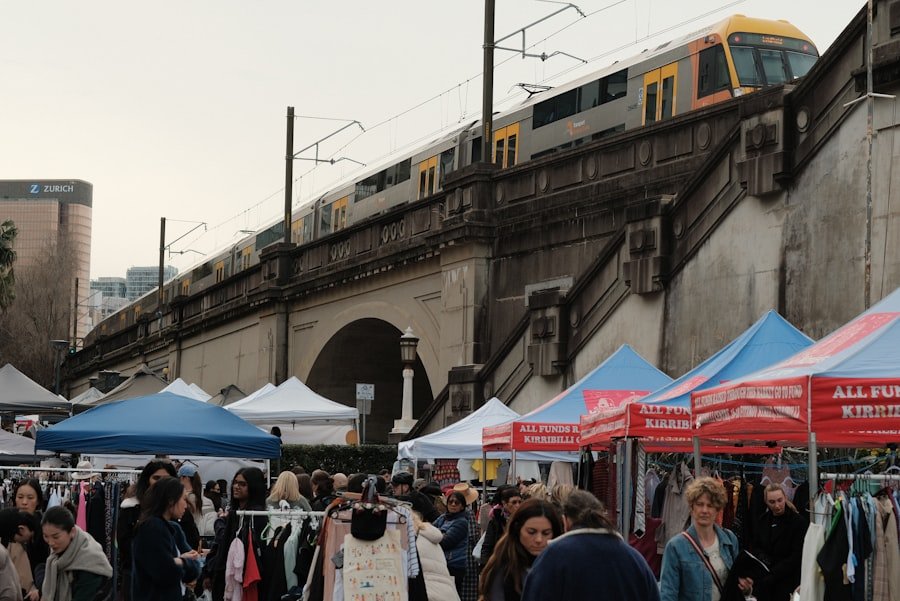
If food is your main reason for visiting a market, Borough and Camden offer two very different experiences.
Borough Market is strongest for high-quality produce, cheese, bread, charcuterie, meat, seafood, baked goods, specialty ingredients, and ready-to-eat dishes. Its location beside London Bridge station also makes it easy to add to a day around the South Bank, Tower Bridge, or the City.
Camden Market is better if you want a wider entertainment-and-shopping experience with food included. The market combines independent retail, alternative fashion, bars, restaurants, and a large choice of international street food. Camden Market’s current visitor information lists the main market as open seven days a week, with individual trader hours varying.
Brick Lane is another good food destination, especially on Sunday, when its vintage, flea-market, and street-food activity overlap. You can move between outdoor stalls, the Old Truman Brewery area, vintage shops, and the surrounding restaurants without treating Brick Lane as a single enclosed market.
If you are near Waterloo at the weekend, the Southbank Centre Food Market is also worth considering. It is a food and drink market rather than an art market, with regular trading Friday through Sunday.
Antique and Vintage Markets in London
| Market Name | Location | Operating Hours | Specialty |
|---|---|---|---|
| Portobello Road Market | Portobello Road, Notting Hill | Antiques: Fri–Sat 9am–5pm; Sun 10am–4pm. Saturday is the busiest antiques day. | Antiques, vintage clothing, jewellery, books, ceramics and collectibles |
| Bermondsey Antique Market | Bermondsey Square | Friday morning–2pm; published listings vary between a 6am and 7am start | Antiques, jewellery, china, furniture, art and collectibles |
| Alfies Antique Market | 13–25 Church Street, London NW8 | Tuesday–Saturday, 10am–6pm | Antiques, vintage fashion, furniture, jewellery and 20th-century design |
Portobello Road Market is the classic choice for a first London antiques-market visit. Saturday brings the biggest concentration of antiques traders, so it is also the busiest day. You can find ceramics, jewellery, books, silver, textiles, vintage clothing, art, and collectibles across the road and its arcades.
Go earlier if you care about selection. Go later if you care more about browsing and atmosphere than finding a particular collectible. The wider Portobello Road area trades throughout the week, but the full antiques experience is not the same every day.
Alfies Antique Market offers a very different experience. It is an indoor, multi-floor antiques and vintage market with nearly 100 dealers. Because it is covered, it is particularly useful on a rainy day or when you want to spend several hours comparing furniture, jewellery, art, decorative objects, fashion, and design pieces in one building.
Bermondsey Antique Market suits serious early risers. Friday trading starts very early, although current published sources differ on whether the official public start should be treated as 6am or 7am. Arriving after 7am avoids relying on the disputed earliest hour while still giving you access to the morning market.
Fashion and Art Markets in London
For independent fashion and design, Old Spitalfields Market is one of the most versatile choices. Its mix includes independent retail, fashion, accessories, food, rotating events, and specialist markets. Thursday is particularly interesting for antiques, while other days offer a broader mix of stalls and permanent shops.
Greenwich Market is especially good for handmade goods. Traders sell art, prints, jewellery, crafts, fashion, gifts, and food within a covered historic market setting. That makes it easy to combine shopping with nearby attractions such as the Cutty Sark, the National Maritime Museum, and Greenwich Park.
Brick Lane also deserves a place in this category. Its strength is less polished and more experimental: vintage clothing, second-hand fashion, independent shops, music, street art, and flea-market finds all mix together. Sunday gives you the fullest version of the neighbourhood’s market culture.
If you are visiting the South Bank specifically for art, explore the galleries and cultural venues there rather than expecting its regular outdoor market to be an art market. The Southbank Centre’s recurring market focuses on food and drink.
Flea Markets and Street Markets in London
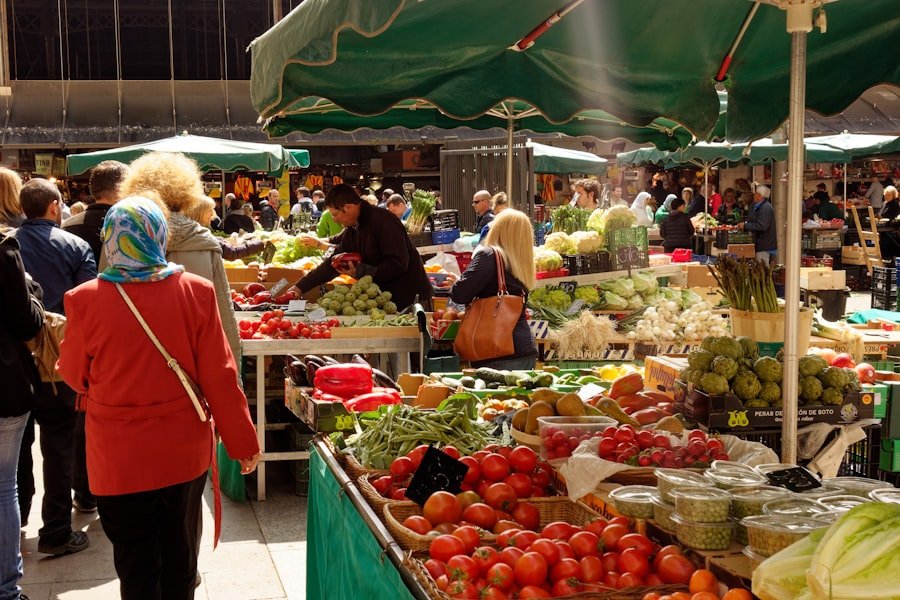
London’s flea and street markets are best when you enjoy browsing without knowing exactly what you will find.
Brick Lane on Sunday is the obvious starting point. Vintage clothing, second-hand furniture, collectables, independent shops, food, music, and the markets around the Old Truman Brewery create a broader experience than a single row of stalls. It is particularly good for visitors who want shopping and East London street culture in the same trip.
Greenwich Market is more organised and craft-focused. Its covered setting makes it easier to visit in poor weather, and its combination of handmade products, artwork, jewellery, food, and gifts works well for visitors looking for something easier to pack and take home.
Columbia Road Flower Market is one of London’s most distinctive street-market experiences. The flower market runs on Sundays from about 8am until 3pm, filling the road with flowers, plants, bulbs, and gardening goods. Earlier visits generally offer more choice, while later visits can feel even busier.
Broadway Market in Hackney combines food, produce, independent goods, cafés, and neighbourhood shopping. Its official schedule currently lists Saturday from 9am to 5pm and Sunday from 10am to 4pm.
Pro Tip: If you want several East London markets in one day, Old Spitalfields and Brick Lane are an easy pairing. Columbia Road is also in East London, but because its flower market is Sunday-only and crowds can be heavy, start there early before moving toward Brick Lane.
Farmers’ Markets in London
Farmers’ markets are different from large food destinations such as Borough Market. A true farmers’ market focuses on direct selling by farmers, growers, and small food producers, often on one fixed morning each week.
The London Farmers’ Markets network operates markets across the capital. Current examples include:
- Marylebone Farmers’ Market: Sunday, 10am–2pm.
- Queen’s Park Farmers’ Market: Sunday, 10am–2pm.
- Notting Hill Farmers’ Market: Saturday, 10am–2pm.
- Parliament Hill Farmers’ Market: Saturday, 10am–2pm.
- South Kensington Farmers’ Market: Saturday, 9am–2pm.
- Highbury Fields Farmers’ Market: Sunday, 10am–2pm; this became a weekly market in July 2026.
These smaller markets are a better fit if you want seasonal vegetables, fruit, bread, cheese, meat, fish, preserves, and other products sold directly by producers. They also tend to feel more like neighbourhood food-shopping markets than sightseeing attractions.
If browsing fresh produce makes you curious about less familiar ingredients, you can also read this guide to Asian melon varieties and the different types you may encounter in produce markets.
Tips for Navigating and Enjoying London Markets
Choose the market by what you actually want to buy
Do not choose solely by fame. Borough is excellent for food but poor for vintage clothing. Portobello is famous for antiques but its experience changes by day. Columbia Road is excellent for flowers but only operates as a flower market on Sunday. Knowing your priority can save several hours of unnecessary travel.
Go early for antiques, flowers, and fresh produce
Early visits matter most when stock is limited. Antique collectors at Portobello and Bermondsey, plant shoppers at Columbia Road, and customers at smaller farmers’ markets all benefit from arriving before the busiest period. For casual street-food visits, arriving immediately at opening time is less important.
Use weekdays when you dislike heavy crowds
Saturday at Borough, Portobello, and Camden can be extremely busy. A weekday visit to Borough, Camden, Covent Garden, or Old Spitalfields usually gives you more room to browse, although some specialist stalls may only appear on particular days.
Carry a card and a little cash
Do not assume London markets are cash-only. Card and contactless payment are widespread, and some vendors prefer or require electronic payment. Carrying a small amount of cash is still useful for independent stalls, but a bank card or contactless phone should be your primary backup.
Bargain only where it makes sense
Polite negotiation can be acceptable with some independent antique, vintage, or flea-market traders, especially when buying several items. Do not treat bargaining as standard practice at food stalls, permanent shops, or clearly fixed-price businesses.
Check the official market website before a special journey
Market hours can change around bank holidays, Christmas, special events, weather disruptions, and individual trader schedules. If one particular stall or specialist market is the reason for your trip, confirm that trader’s schedule rather than relying only on the market’s general opening time.
Wear comfortable shoes and travel light
Markets such as Portobello, Camden, and Brick Lane cover more ground than first-time visitors often expect. Comfortable footwear and a light bag make browsing easier. A reusable shopping bag is useful if you plan to buy food, clothing, flowers, or small antiques.
London’s markets remain some of the best places to see how different parts of the city eat, shop, create, and socialise. Borough offers food and history, Camden delivers variety and energy, Portobello rewards antique hunters, Brick Lane suits vintage browsing, Greenwich highlights independent crafts, and Columbia Road creates a Sunday experience unlike anywhere else in the city. Choosing the right market and the right day matters far more than trying to visit every famous name at once.
Sources
- Borough Market — current visitor hours and access information.
- Visit London — official London visitor guide to major markets and their specialties.
- City of London Corporation — current Smithfield relocation plans and existing-site timeline.
- Portobello Road Market — antiques trading days and hours.
- Old Spitalfields Market — current opening hours and specialist market information.
- London Farmers’ Markets — current farmers-market locations and schedules.
Frequently Asked Questions
What are the best markets in London?
The strongest choices include Borough Market for food, Camden Market for street food and alternative shopping, Portobello Road for antiques, Brick Lane for vintage and Sunday flea-market browsing, Old Spitalfields for independent design, Greenwich Market for crafts and art, and Columbia Road for flowers.
What can I find at London’s markets?
Depending on the market, you can find fresh produce, specialty food, international street food, antiques, vintage clothing, jewellery, handmade crafts, art, flowers, books, collectibles, gifts, and independent fashion.
Are London markets open every day?
No. Camden, Greenwich, and parts of Covent Garden operate most or all days, while specialist markets can run only on certain days. Columbia Road Flower Market is a Sunday market, Bermondsey Antique Market is held on Friday, and many farmers’ markets operate only one morning each week.
Are London markets tourist-friendly?
Yes. Major markets such as Borough, Camden, Portobello Road, Covent Garden, Old Spitalfields, and Greenwich regularly receive visitors and are reachable by public transport. Accessibility and crowd conditions vary by site, so travellers with specific mobility requirements should check the market’s official access information before visiting.
What is the best time to visit London markets?
Go early for antiques, flowers, and farmers’ markets when selection matters most. For famous markets such as Borough, Camden, and Portobello, weekday or earlier visits can reduce crowding. Sunday is the key day for Brick Lane and Columbia Road.
Which London market is best for antiques?
Portobello Road is the best-known choice and is busiest for antiques on Saturday. Alfies Antique Market is better for an indoor, multi-dealer experience, while Bermondsey Antique Market suits serious early-morning collectors on Friday.
Do London markets take cards?
Many London market traders accept cards and contactless payments, and some may prefer them. It is still sensible to carry a small amount of cash for independent stalls, but visitors should not assume any major London market is cash-only.