

Switzerland, a landlocked country nestled in the heart of Europe, is often overshadowed by its more famous wine-producing neighbors like France, Italy, and Germany. However, the Swiss wine regions boast a rich tapestry of unique varietals and distinct terroirs that contribute to a vibrant and diverse wine culture. The country is divided into several key wine regions, each with its own characteristics, traditions, and grape varieties.
The primary wine-producing cantons include Vaud, Valais, Geneva, Neuchâtel, and Aargau, among others. These regions are not only known for their picturesque landscapes but also for their commitment to quality over quantity, as Swiss wines are often produced in limited quantities. The Swiss wine industry is characterized by its small-scale production and a focus on local consumption.
Approximately 70% of the wine produced in Switzerland is consumed domestically, which means that many exceptional wines remain relatively unknown outside the country. This local appreciation fosters a deep connection between the winemakers and their communities, as well as a strong emphasis on traditional methods and sustainable practices. As a result, Swiss wines are often seen as a hidden gem in the global wine market, waiting to be discovered by adventurous wine enthusiasts.
Key Takeaways
- Swiss wine regions are diverse and unique, offering a wide range of grape varieties and wine styles.
- The history of Swiss wine and viticulture dates back to Roman times, with a rich tradition and heritage.
- Major grape varieties in Swiss wine regions include Chasselas, Pinot Noir, Gamay, and Merlot, among others.
- Notable wine regions in Switzerland include Valais, Vaud, Geneva, and Ticino, each with its own distinct characteristics.
- The climate and terroir in Swiss wine regions play a significant role in shaping the quality and flavor profile of the wines produced.
History of Swiss Wine and Viticulture
The history of Swiss viticulture dates back to Roman times when vineyards were first established in the region. Archaeological evidence suggests that grape cultivation began around 15 BC, with the Romans introducing various grape varieties to the area. Over the centuries, the practice of winemaking evolved, influenced by various cultural and political changes.
The Middle Ages saw the establishment of monasteries that played a crucial role in developing viticulture techniques and preserving grape varieties. Monks meticulously cultivated vineyards, producing wines that were not only enjoyed locally but also traded across Europe. The 19th century marked a significant turning point for Swiss wine production.
The introduction of new grape varieties and advancements in winemaking technology led to an increase in quality. However, this period was also marked by challenges such as the phylloxera epidemic that devastated vineyards across Europe. Switzerland was not immune to this crisis; however, its mountainous terrain and diverse microclimates allowed some regions to recover more quickly than others.
By the late 20th century, Swiss winemakers began to focus on quality over quantity, leading to a renaissance in Swiss viticulture that emphasized indigenous grape varieties and sustainable practices.
Major Grape Varieties in Swiss Wine Regions
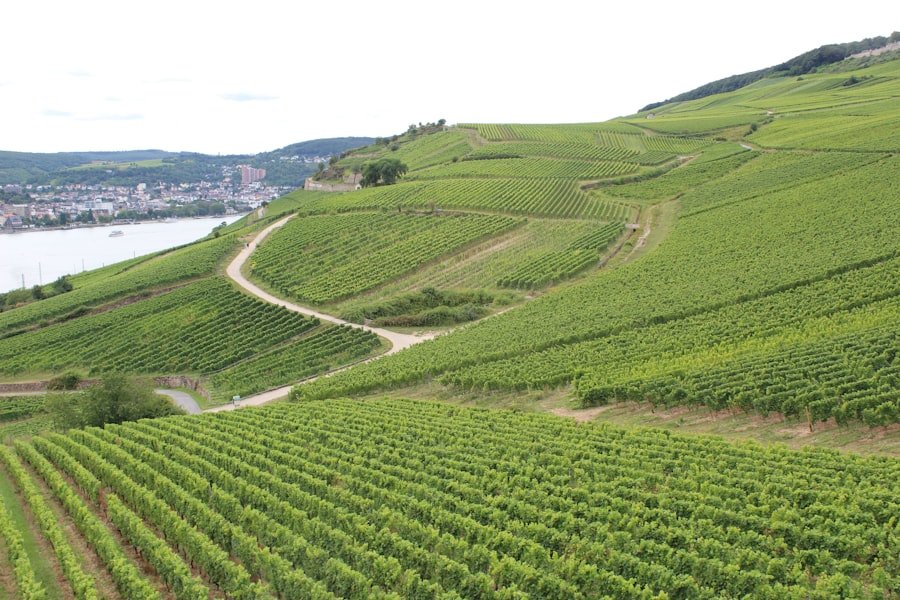
Switzerland is home to a remarkable array of grape varieties, many of which are indigenous to the region. Among the most prominent is Chasselas, a white grape variety that thrives particularly well in the Vaud region along Lake Geneva. Known for its versatility, Chasselas produces wines that range from crisp and refreshing to rich and complex, often exhibiting floral and fruity notes.
This grape is a staple at Swiss tables and is frequently paired with local cheeses and dishes. Another significant white grape variety is Pinot Gris, which is cultivated in various regions across Switzerland. This grape produces wines with a fuller body and a range of flavors from ripe stone fruits to honeyed notes.
In contrast, the red grape variety Pinot Noir has gained recognition for its ability to produce elegant and nuanced wines that reflect the terroir of the regions where it is grown. The Valais region is particularly known for its exceptional Pinot Noir, which showcases the unique characteristics of the local soil and climate. In addition to these well-known varieties, Switzerland boasts lesser-known grapes such as Gamay, Merlot, and the indigenous variety Cornalin.
Gamay is primarily grown in the Geneva region and produces light-bodied red wines with bright acidity and berry flavors. Merlot has found a home in the warmer areas of Valais and produces rich, full-bodied wines that often exhibit dark fruit characteristics. Cornalin, on the other hand, is an ancient variety that has been cultivated in the Valais region for centuries; it yields wines with deep color and complex flavors that reflect the unique terroir of its origin.
Notable Wine Regions in Switzerland
| Wine Region | Main Grapes | Notable Wines |
|---|---|---|
| Valais | Pinot Noir, Chasselas | Fendant, Dôle |
| Vaud | Chasselas, Pinot Noir | Lavaux, Dézaley |
| Ticino | Merlot, Chardonnay | Merlot del Ticino, Bianco di Merlot |
| Geneva | Chasselas, Gamay | Geneva Chasselas, Gamay |
Switzerland’s wine regions are as diverse as its landscapes, each offering distinct characteristics that contribute to the overall richness of Swiss viticulture. The Valais region stands out as one of the largest and most important wine-producing areas in Switzerland. Nestled between the Rhône River and towering mountains, Valais boasts a wide range of microclimates that allow for diverse grape cultivation.
The terraced vineyards along steep slopes are not only visually stunning but also provide optimal conditions for growing high-quality grapes. The Vaud region is another notable area known for its picturesque vineyards overlooking Lake Geneva. The Lavaux UNESCO World Heritage site is particularly famous for its terraced vineyards that date back to the 11th century.
Here, Chasselas reigns supreme, producing some of Switzerland’s most celebrated white wines. The region’s unique geography and climate contribute to the distinct minerality found in its wines, making them highly sought after by connoisseurs. Geneva is also gaining recognition as an emerging wine region with a focus on quality production.
The vineyards here benefit from a temperate climate influenced by Lake Geneva, allowing for a diverse range of grape varieties to flourish. The region has seen a resurgence in interest from both local winemakers and international investors who recognize its potential for producing high-quality wines.
Climate and Terroir in Swiss Wine Regions
The climate and terroir of Switzerland play a pivotal role in shaping the character of its wines. The country experiences a diverse range of climatic conditions due to its varied topography, which includes mountains, valleys, and lakes. The influence of the Alps creates microclimates that can vary significantly even within short distances.
For instance, while one vineyard may bask in sunlight on a south-facing slope, another just a few kilometers away may be shaded by surrounding peaks. Soil composition also varies widely across Swiss wine regions. In Valais, for example, vineyards are often planted on rocky soils rich in minerals, which contribute to the complexity and depth of flavor found in the wines produced there.
This interplay between climate and soil creates a unique terroir that allows Swiss winemakers to produce wines with distinct personalities reflective of their origins. The elevation of vineyards also plays a crucial role in determining grape quality.
Higher altitude vineyards tend to have cooler temperatures during the growing season, which can lead to slower ripening and enhanced acidity in grapes. This is particularly evident in regions like Aargau and Graubünden, where vineyards are situated at elevations that promote balanced flavor development while preserving freshness.
Wine Tourism in Switzerland
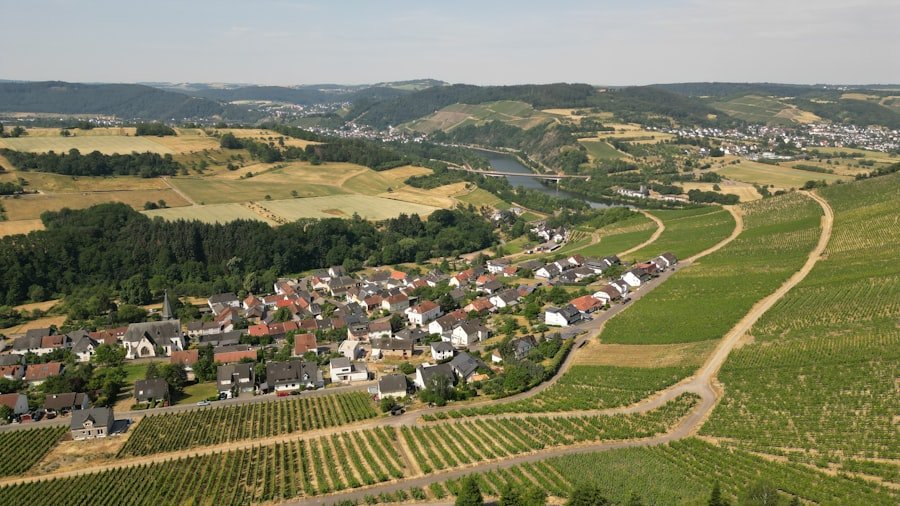
Wine tourism has become an increasingly popular way for visitors to experience Switzerland’s rich viticultural heritage firsthand. The breathtaking landscapes of terraced vineyards along lakeshores or nestled within mountain valleys provide an idyllic backdrop for wine enthusiasts seeking to explore local wineries. Many regions offer guided tours that allow visitors to learn about traditional winemaking techniques while sampling some of the finest wines produced in Switzerland.
In addition to vineyard tours, wine festivals are held throughout the year across various regions, celebrating local varietals and winemaking traditions. Events such as the Fête des Vins in Lavaux attract thousands of visitors who come to taste wines from numerous producers while enjoying local cuisine and live entertainment. These festivals not only showcase Swiss wines but also foster community spirit among winemakers and consumers alike.
Moreover, many wineries have embraced agritourism by offering accommodations on-site or nearby, allowing guests to immerse themselves fully in the winemaking experience. Visitors can participate in grape harvesting during the fall or attend workshops on wine tasting and food pairing led by knowledgeable sommeliers or winemakers themselves. This hands-on approach enhances appreciation for Swiss wines while providing an unforgettable experience amidst stunning natural surroundings.
Sustainable Practices in Swiss Winemaking
Sustainability has become a cornerstone of Swiss winemaking practices as producers increasingly recognize their responsibility toward environmental stewardship. Many wineries have adopted organic or biodynamic farming methods aimed at minimizing chemical inputs while promoting biodiversity within their vineyards. These practices not only enhance soil health but also contribute to producing high-quality grapes that reflect their terroir authentically.
In addition to organic farming techniques, many Swiss winemakers prioritize water conservation through innovative irrigation systems designed to optimize water usage without compromising grape quality. Some producers have even implemented rainwater harvesting systems that collect precipitation for use during drier periods—an essential practice given Switzerland’s variable climate patterns. Furthermore, energy efficiency plays a significant role in modern Swiss wineries’ operations.
Many facilities have invested in renewable energy sources such as solar panels or geothermal heating systems to reduce their carbon footprint during production processes. By prioritizing sustainability at every stage—from vineyard management through bottling—Swiss winemakers are setting an example for responsible practices within the global wine industry.
Emerging Trends in Swiss Wine Industry
As global interest in Swiss wines continues to grow, several emerging trends are shaping the future of the country’s wine industry. One notable trend is the increasing popularity of natural wines—those produced with minimal intervention during fermentation and aging processes. This movement aligns with consumers’ desires for authenticity and transparency in their food and beverage choices.
Additionally, there has been a resurgence of interest in indigenous grape varieties as winemakers seek to differentiate themselves from more widely recognized international varietals. By focusing on lesser-known grapes such as Cornalin or Amigne, producers can create unique offerings that highlight Switzerland’s rich viticultural heritage while appealing to adventurous palates. Finally, technology is playing an increasingly important role in modern winemaking practices across Switzerland.
From precision viticulture techniques utilizing drones for monitoring vineyard health to advanced fermentation technologies enhancing flavor extraction during winemaking—innovation is helping Swiss producers elevate their craft while maintaining traditional values rooted deeply within their culture. In conclusion, Switzerland’s wine regions offer an intricate blend of history, culture, and innovation that continues to captivate both local consumers and international enthusiasts alike. With its commitment to quality production methods combined with sustainable practices—Swiss wines are poised for greater recognition on the global stage as they showcase not only exceptional flavors but also an enduring respect for nature’s bounty.
If you’re interested in exploring the diverse and exquisite Swiss wine regions, you might also enjoy delving into the delightful world of unique fruits that pair beautifully with these wines. A related article that complements your journey through Swiss vineyards is Exploring the Delightful World of Asian Melon. This article provides insights into the flavors and characteristics of Asian melons, which can be a refreshing accompaniment to the rich and varied wines of Switzerland.
FAQs
What are the main wine regions in Switzerland?
Switzerland has six main wine regions: Valais, Vaud, Geneva, Ticino, Neuchâtel, and the Three Lakes region.
What grape varieties are commonly grown in Swiss wine regions?
Swiss wine regions grow a variety of grape varieties, including Chasselas, Pinot Noir, Gamay, Merlot, Chardonnay, and Syrah, among others.
What is the climate like in Swiss wine regions?
The climate in Swiss wine regions varies, but generally, the regions have a continental climate with some influence from the nearby mountains and lakes. This results in a wide range of microclimates that are suitable for growing different grape varieties.
Are Swiss wines well-regarded internationally?
Swiss wines are gaining recognition internationally for their quality and unique characteristics. While production is relatively small compared to other wine-producing countries, Swiss wines are highly regarded for their craftsmanship and distinct flavors.
What are some popular wine tourism activities in Swiss wine regions?
Wine enthusiasts can enjoy a variety of wine tourism activities in Swiss wine regions, including vineyard tours, wine tastings, wine festivals, and food and wine pairings. Many wineries also offer accommodations and dining experiences for visitors.