Zurich combines a compact historic center, major museums, lakeside scenery, excellent public transportation, and easy access to nearby mountains and towns. Switzerland’s largest city is also a major financial and cultural center. At the end of 2025, the City of Zurich recorded 452,421 residents, so older references to a population of about 440,000 are now dated.
Quick Answer
Zurich is easy to explore in two or three days. Focus on the Old Town, Lake Zurich, Grossmünster, the National Museum, Kunsthaus Zürich, Bahnhofstrasse, and one viewpoint such as Uetliberg. Use trams and trains for longer hops, walk the center, and add Lucerne, Rapperswil, or the Rhine Falls if you have extra time.
Key Takeaways
- Zurich’s center is compact, walkable, and backed by a dense network of trams, buses, S-Bahn trains, boats, funiculars, and cable cars.
- First-time visitors should prioritize the Old Town, Lake Zurich, Grossmünster, the National Museum, Kunsthaus Zürich, and Bahnhofstrasse.
- Two days is enough for the main city highlights; three or more days makes room for Uetliberg and a day trip.
- Zurich is expensive, but public transport passes, free viewpoints, lakeside walks, supermarkets, and careful hotel selection can control costs.
- Check museum, restaurant, church, market, and shop hours before you go, especially on Mondays, Sundays, and public holidays.
Getting Around Zurich
Zurich has one of the easiest public transportation systems to use in Switzerland. The Zurich Transport Network (ZVV) integrates trams, buses, S-Bahn trains, boats, and other local services under a zone-based ticket system. For visitors, the simplest approach is usually to walk within the Old Town and city center, then use public transport for longer trips.
Zurich’s standard city trams are associated with the familiar blue-and-white VBZ color scheme, not yellow. They run frequently through central neighborhoods and connect major sights, railway stations, shopping areas, and residential districts.
Tickets are valid for the zones and time period purchased rather than for one specific vehicle. Check the current fare and zone rules on the official Zurich Tourism public transport guide.
Zurich Airport to the City Center
Zurich Airport is directly connected to the city by rail. Zurich Tourism says the train journey to the city center takes less than 15 minutes on suitable services. Trains run to Zurich Main Station, where you can connect to trams, buses, and other trains.
Pro Tip: If you plan to use public transport heavily and visit several included attractions, compare regular ZVV tickets with the Zürich Card. As of September 2026, the official card costs CHF 29 for 24 hours or CHF 56 for 72 hours for adults and includes eligible local public transport, the airport transfer, Uetliberg, selected boat trips, and admission or discounts at many attractions.
Top Attractions in Zurich
Zurich’s strongest sightseeing mix is history, art, lake scenery, and city viewpoints. Most of the main central attractions can be combined on foot.
Old Town and Grossmünster
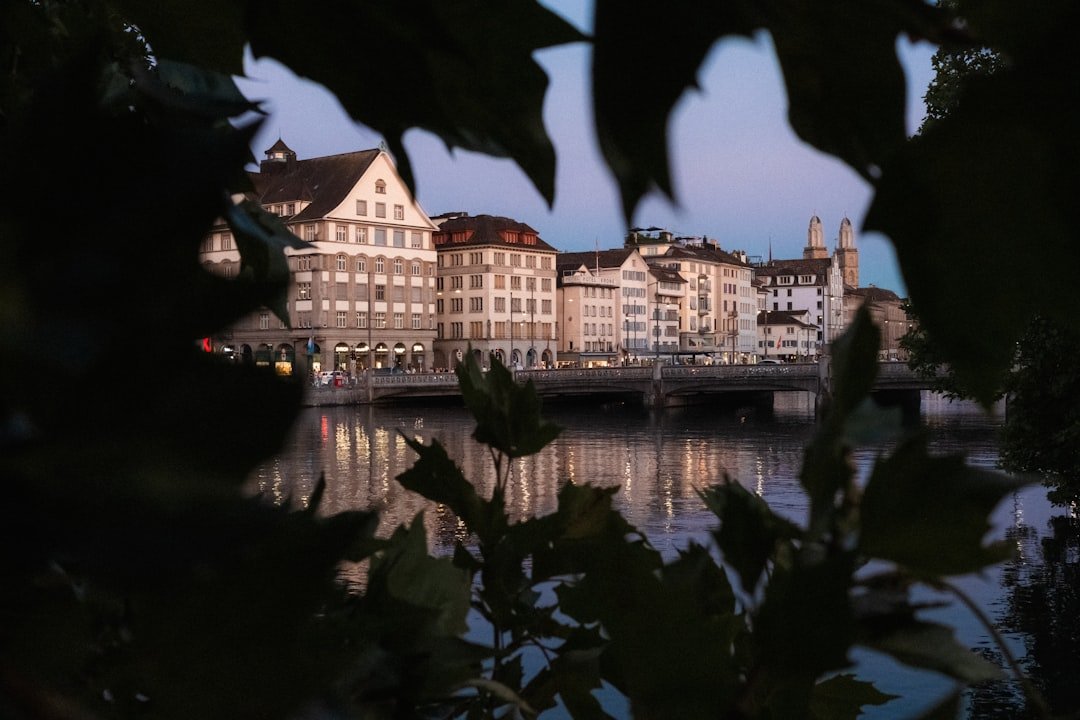
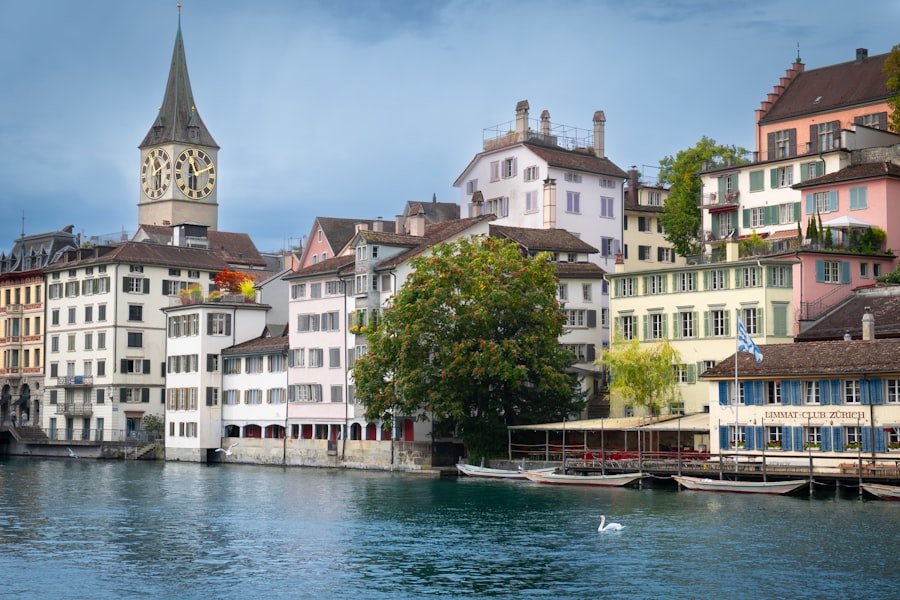
The Old Town, or Altstadt, spreads along both sides of the Limmat River and is filled with narrow lanes, historic buildings, small squares, cafés, and shops. Grossmünster is one of the city’s best-known landmarks. Its Karlsturm tower has 187 steps leading to a viewing level with panoramic windows over the Old Town and lake.
Note: Renovation work at Grossmünster is scheduled from 2025 to 2029. The tower remains a visitor attraction, but conditions can change during construction, so check the current visitor information before your visit.
Lake Zurich
Lake Zurich gives the city much of its visual appeal. The waterfront is good for walking, picnicking, swimming in the warmer months, and boat trips. A short cruise can also work as a relaxed sightseeing break between museums and the Old Town.
National Museum Zurich
The National Museum Zurich, beside the main railway station, focuses on Swiss cultural history. Its exhibitions cover the development of Switzerland through objects, art, design, everyday life, and historical themes. It is an efficient first stop for travelers who want context before exploring the city.
Kunsthaus Zürich
Kunsthaus Zürich is the city’s major art museum. Its collection spans more than 800 years and includes major holdings by Alberto Giacometti as well as works by artists such as Vincent van Gogh, Marc Chagall, Claude Monet, Pablo Picasso, and Edvard Munch. Current collection displays can change, so check what is on view before going.
Exploring Zurich’s Cultural Scene
| Cultural Stop | Why It Stands Out |
| National Museum Zurich | Swiss cultural history in a landmark building beside the main station |
| Kunsthaus Zürich | More than 800 years of art, including major Giacometti holdings |
| Schauspielhaus Zürich | Major theater productions at venues including Pfauen and Schiffbau |
| Zurich Film Festival | Annual international film festival; the 2026 edition runs September 24 to October 4 |
Zurich’s cultural calendar goes well beyond its permanent museums. Schauspielhaus Zürich presents a full theater season, while concert venues, galleries, design spaces, and smaller performance venues are spread across the city. Zurich-West, especially around the former industrial areas, is useful for combining contemporary culture with restaurants and nightlife.
The Zurich Film Festival is one of the city’s major annual events. The official 2026 festival runs from September 24 to October 4. If you are visiting during festival dates, book accommodation and popular screenings early.
Where to Eat and Drink in Zurich
Zurich is a good place to try both traditional Swiss food and international cooking. Classic local dishes include Zürcher Geschnetzeltes, usually sliced veal in a creamy sauce, as well as rösti. Fondue and raclette are popular Swiss cheese dishes, but they are not equally prominent on every traditional restaurant menu.
Zeughauskeller near Paradeplatz is known for hearty traditional fare. Current official visitor information highlights dishes such as Zürcher Geschnetzeltes, Wiener schnitzel, cordon bleu, and sausage-and-cheese salad, making it a better example for Zurich-style comfort food than for specifically promising fondue or raclette.
For vegetarian food, Hiltl dates to 1898 and is recognized by Guinness World Records as the world’s oldest vegetarian restaurant. For sweets, Confiserie Sprüngli is closely associated with its small filled macarons called Luxemburgerli.
How to Save on Food
Restaurant meals can add up quickly. For a lower-cost day, mix one sit-down meal with bakery food, supermarket meals, takeaway counters, or a picnic by the lake. Tap water is widely available, but ask a restaurant about its water policy rather than assuming bottled or table water is free.
Shopping in Zurich
Luxury Shopping on Bahnhofstrasse
Bahnhofstrasse is Zurich’s best-known shopping boulevard. It connects Zurich Main Station with Lake Zurich over roughly 1.4 kilometers and combines luxury boutiques, international fashion brands, department stores, watch shops, and jewelry stores. Even if you are not shopping, it is a useful walking route between the railway station, Paradeplatz, and the lake.
Discovering Local Charm
For smaller stores, explore the Old Town streets around Niederdorf, Rennweg, Augustinergasse, and nearby lanes. You will find Swiss design, watches, chocolate, gifts, books, fashion, and independent shops mixed among cafés and historic buildings.
Markets and Flea Markets
The Bürkliplatz flea market is a seasonal option for antiques, vintage goods, art, and second-hand finds. Zurich Tourism currently lists it on Saturdays from May through October, so confirm the calendar if the market is a priority.
Note: Sunday retail hours are more limited than on weekdays. Major transport hubs, including Zurich Main Station and Zurich Airport, have shops open on Sundays, but many regular city stores do not.
Best Time to Visit Zurich
There is no single best season for every traveler. Summer is popular for lakeside swimming, outdoor dining, boat trips, and long daylight hours. Spring and early autumn can be comfortable for walking and sightseeing, while late autumn and winter bring a quieter city atmosphere, indoor culture, and seasonal Christmas events.
Choose your dates around what matters most. For lake activities, favor the warmer months. For museums and food, Zurich works year-round. For major events such as the Zurich Film Festival or Christmas markets, expect more demand around event dates.
Day Trips from Zurich
Zurich works well as a base for nearby towns, mountains, lakes, and waterfalls. Uetliberg is so close that it is better treated as a half-day city excursion than as a full day trip.
Uetliberg
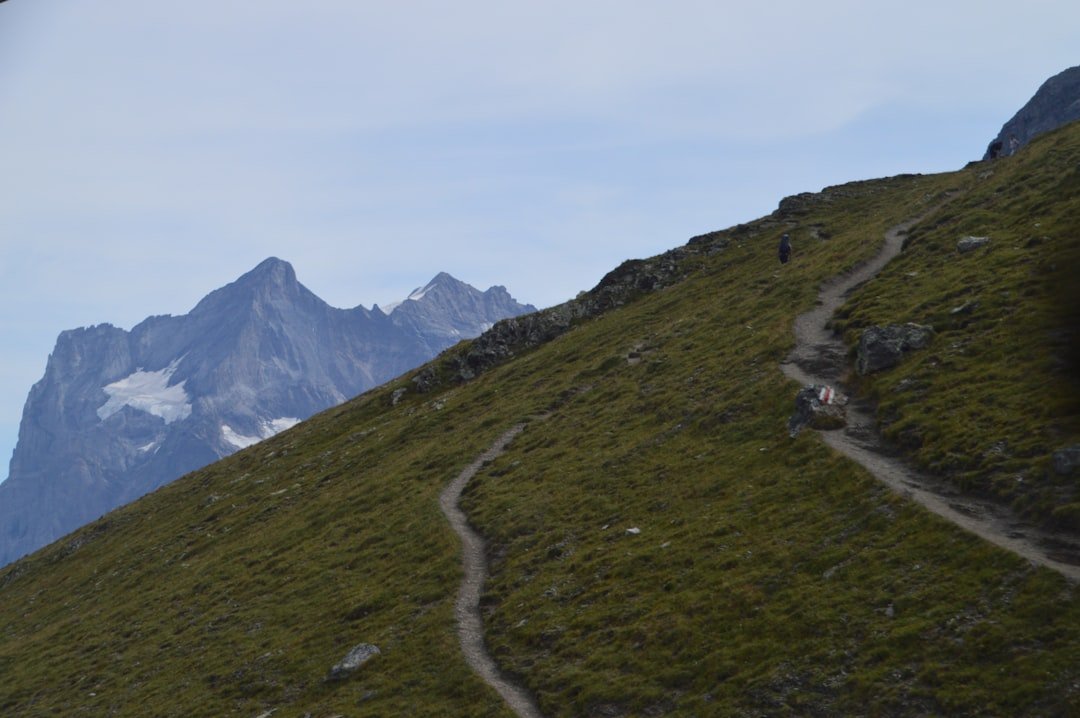
Zurich’s local mountain is reachable by S-Bahn and gives you broad views over the city, Lake Zurich, and, in clear weather, toward the Alps. Walking and cycling trails make it a good choice when you want nature without committing a full day.
Lucerne
Lucerne is one of the easiest classic day trips from Zurich. The Old Town, Chapel Bridge, lakefront, Lion Monument, and Swiss Museum of Transport give you enough to fill a full day. Rail is usually the simplest independent option.
Rhine Falls
Near Schaffhausen, the Rhine Falls is promoted by Zurich Tourism as Europe’s largest waterfall. Viewing platforms and seasonal boat experiences let you see the falls from different angles. It works well as a half-day or full-day outing depending on what else you combine with it.
Rapperswil
Rapperswil sits on the upper end of Lake Zurich and combines a medieval Old Town, castle views, rose gardens, and a lakeside setting. Zurich Tourism lists about 40 minutes by train, while the more scenic boat journey from Bürkliplatz takes around two hours.
Zurich’s Nightlife
Zurich’s nightlife ranges from relaxed wine bars and neighborhood pubs to live-music venues and clubs. Langstrasse is one of the best-known nightlife streets, while Zurich-West has a concentration of restaurants, bars, clubs, and cultural venues in former industrial areas.
Moods in Zurich-West is a strong choice for live jazz, funk, soul, world music, and related styles. Kaufleuten combines nightlife with concerts, readings, dining, and cultural events. For a polished hotel-bar experience, the Dolder Grand’s Canvas Bar & Lounge is a more accurate example than treating Les Halles as an upscale cocktail bar.
Caution: Night transport, last departures, admission policies, and event schedules can vary by day. Check the venue and ZVV schedule before heading out, especially if you are staying outside the center.
Accommodation Options in Zurich
Zurich has everything from luxury hotels to hostels, business hotels, apartments, and smaller boutique properties. Baur au Lac and The Dolder Grand are among the city’s best-known luxury options, while central three-star hotels and hostels can be more practical for travelers who mainly need a convenient base.
Best Areas to Stay
- Old Town / City Center: best for first-time visitors who want to walk to major sights, restaurants, and the river.
- Enge / Lake Area: useful for lakeside access and a quieter feel while remaining close to central Zurich.
- Zurich-West: good for nightlife, contemporary culture, restaurants, and a more modern urban atmosphere.
- Oerlikon: often practical for events, business travel, airport access, and strong rail connections.
Zurich hotel prices can be high, especially during major events. Compare the total rate, cancellation conditions, breakfast, and proximity to a tram or rail stop rather than judging by room price alone.
Tips for Visiting Zurich
A little planning makes Zurich much easier to enjoy without overspending or losing time.
- Plan by neighborhood: group Old Town, Bahnhofstrasse, lakefront, and nearby museums together instead of crossing the city repeatedly.
- Compare transport options: a Zürich Card can be good value for a museum-heavy short stay, while simple ZVV tickets may cost less if you mostly walk.
- Check Monday hours: many museums close on Mondays, although policies differ by institution.
- Check Sunday shopping: regular shops may be closed, but major railway stations and the airport have Sunday shopping options.
- Carry Swiss francs for small purchases: cards are widely used, but a little cash can still be useful.
- Use local greetings: “Grüezi” is a common Swiss German greeting and is an easy, polite way to start an interaction.
- Reserve popular restaurants: booking helps for busy evenings, weekends, and event periods.
- Wear comfortable shoes: the Old Town is best explored on foot, and some streets are steep or cobbled.
How Many Days Do You Need in Zurich?
For most first-time visitors, two full days is a good minimum. Add a third day if you want a slower pace, Uetliberg, more museums, or significant shopping. Four days or more lets you add a full day trip without sacrificing the city itself.
One-Day Zurich Itinerary
- Start at Zurich Main Station and walk through Bahnhofstrasse toward the Old Town.
- Explore Lindenhof, the Limmat riverfront, and the Old Town lanes.
- Visit Grossmünster and cross the river for more Old Town streets.
- Choose either Kunsthaus Zürich or the National Museum depending on your interests.
- Finish with a walk along Lake Zurich and dinner in the center.
Two-Day Zurich Itinerary
On day two, visit the museum you skipped, explore Zurich-West, then take the S-Bahn toward Uetliberg for a late-afternoon viewpoint if the weather is clear. In warm weather, substitute more lake time or a short boat cruise.
Zurich is compact enough for a short city break, but its real advantage is variety: historic streets, major art, lake scenery, efficient transport, and easy excursions can all fit into one trip.
Making the Most of Your Time in Zurich
Zurich rewards a simple plan: walk the historic center, use public transport when distances grow, leave room for the lake, and choose only the museums and excursions that match your interests. A tightly packed checklist is less useful than grouping sights by area and allowing time for cafés, river walks, and viewpoints.
If you have only one or two days, stay focused on the city. With three or more days, add Uetliberg, Rapperswil, Lucerne, or the Rhine Falls. That balance gives you a stronger sense of both Zurich itself and the landscapes that make the region such an appealing base.
Frequently Asked Questions
What is Zurich known for?
Zurich is known for its Old Town, Lake Zurich, banking and finance, major art and cultural institutions, high-quality public transportation, shopping, restaurants, and easy access to nearby mountains and Swiss day-trip destinations.
What are the top attractions in Zurich?
For a first visit, prioritize the Old Town, Lake Zurich, Grossmünster, the National Museum Zurich, Kunsthaus Zürich, Bahnhofstrasse, and a viewpoint such as Uetliberg.
What is the best time to visit Zurich?
Summer is best for lake activities and outdoor dining, while spring and early autumn are comfortable for city sightseeing. Winter works well for museums, food, and seasonal events. The best period depends more on your planned activities than on one universally best month.
What are some popular day trips from Zurich?
Lucerne, the Rhine Falls, and Rapperswil are practical choices. Uetliberg is closer and usually works better as a half-day excursion from the city rather than a full day trip.
What is public transportation like in Zurich?
It is extensive and integrated. Trams, buses, trains, boats, funiculars, and cable-car services operate within a zone-based fare system, and central Zurich is also very walkable.
What traditional Swiss dishes should I try in Zurich?
Try Zürcher Geschnetzeltes, rösti, fondue, and raclette. Zurich also has strong bakeries, chocolate shops, international restaurants, and vegetarian dining.
Is Zurich expensive to visit?
Yes, Zurich can be expensive for hotels and restaurant meals. You can reduce costs by staying near efficient public transport rather than in the most central blocks, buying food from bakeries or supermarkets, using free outdoor sights, and choosing the right transport pass for your itinerary.
How many days are enough for Zurich?
Two full days is enough for the main city sights. Three days gives you a more relaxed visit and time for Uetliberg or additional museums. Plan four or more days if you want a full day trip as well.
Sources
- City of Zurich — Population 2025 — current city population.
- Zurich Tourism — Public Transportation — local transport and airport access.
- Zurich Tourism — Zürich Card — current validity, benefits, and prices.
- Zurich Tourism — Grossmünster — Karlsturm access, stairs, and renovation notice.
- Kunsthaus Zürich — Collection — collection scope and major artists.
- Zurich Film Festival — 22nd ZFF — official 2026 festival dates.