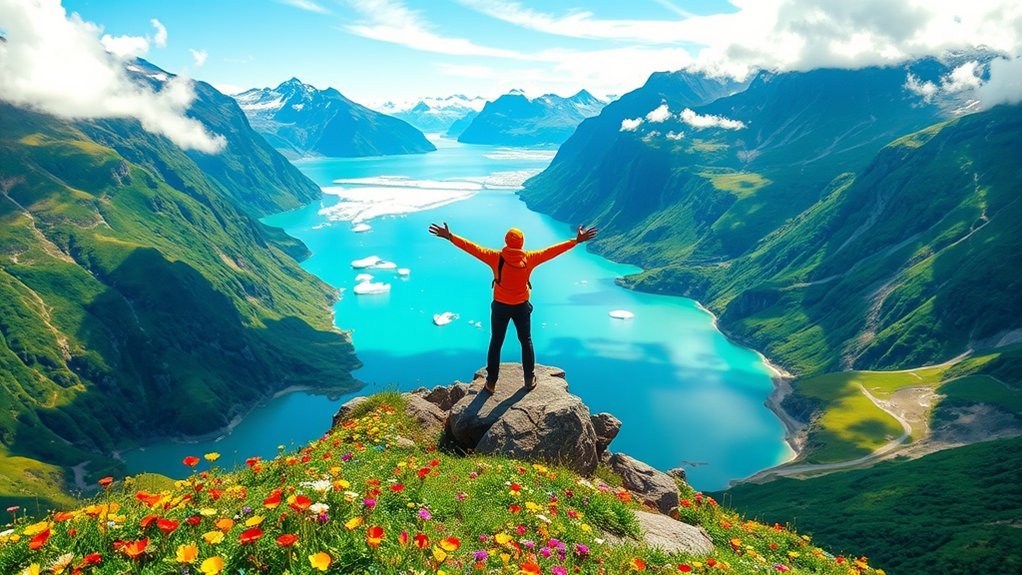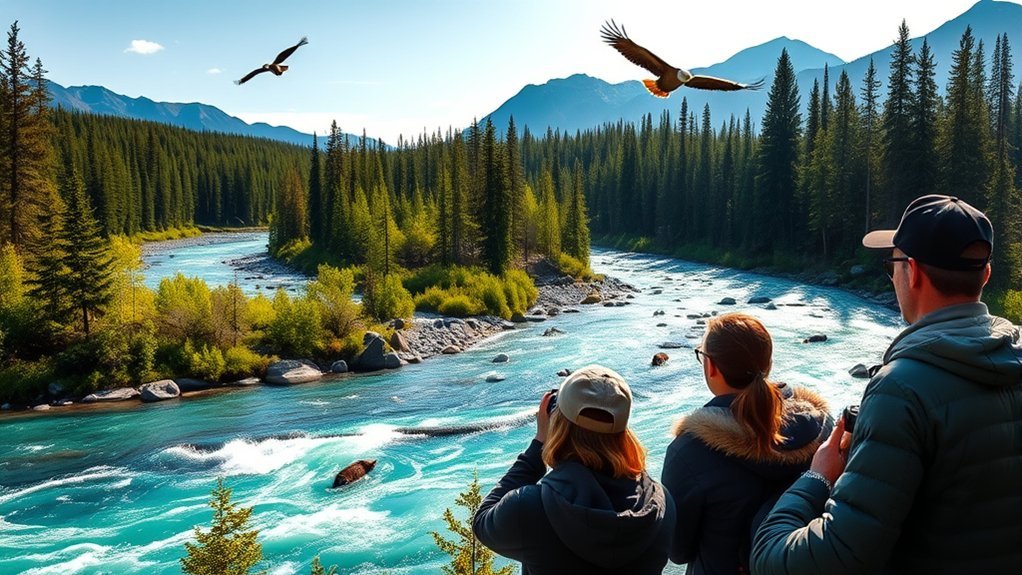
Wildlife viewing in Lake Clark National Park and Preserve rewards careful planning more than speed. The park is remote, mostly roadless, and shaped by weather, tides, seasonal food, and animal movement. This guide explains when and where to look for bears, moose, birds, fish, and other wildlife, while following current safety rules and protecting the habitats that make these encounters possible.
Quick Answer
For the most reliable wildlife viewing in Lake Clark, match your trip to a specific place and food source. Chinitna Bay and Silver Salmon Creek are strongest for coastal brown bears, while Crescent Lake draws bears during summer salmon runs. Use designated viewing areas, follow closures, secure food, and give every animal room to move.
Key Takeaways
- Late spring through mid-summer is useful for watching coastal brown bears graze on sedges; late summer often shifts activity toward salmon streams.
- Chinitna Bay, Silver Salmon Creek, and Crescent Lake are the park’s best-known bear-viewing destinations, but each has different access, terrain, and rules.
- There is no universal “best hour.” Seasonal food, tides, weather, and the animal’s chosen route often matter more than sunrise or sunset.
- Never approach, pursue, crowd, feed, or block wildlife. If an animal changes its behavior because of you, increase your distance.
- Check current alerts, closures, food-storage rules, and air-taxi instructions before departure because conditions can change quickly.
At a Glance
| Main Visitor Season | June through October, when more transportation, lodging, and guide services are generally available. |
| Best-Known Bear Areas | Chinitna Bay, Silver Salmon Creek, and Crescent Lake. |
| Typical Access | Small wheeled aircraft, floatplane, or boat, depending on the destination, weather, tides, and season. |
| Core Safety Gear | Bear spray, binoculars, waterproof layers, sturdy footwear, navigation tools, extra food, and reliable emergency communication. |
| General NPS Fees and Permits | No NPS entrance fee or general recreational permit is required, but cabin reservations, state fishing licenses, and some special-use permits may still apply. |
Overview of Lake Clark National Park and Preserve
Lake Clark National Park and Preserve protects 4,030,006 acres of mountains, glaciers, lakes, rivers, tundra, wetlands, forests, and Cook Inlet coastline. Elevation ranges from sea level to more than 10,000 feet, creating habitat for coastal brown bears, black bears, moose, wolves, caribou, Dall sheep, birds, salmon, and many smaller species.
The park is not connected to Alaska’s road system. Most visitors arrive by small aircraft, while boats can reach parts of the Cook Inlet coast when weather and sea conditions allow. Wheeled aircraft commonly serve beach destinations such as Chinitna Bay and Silver Salmon Creek, while floatplanes can reach inland lakes such as Crescent Lake, Twin Lakes, and Lake Clark.
The park remains open year-round, but most visitors come from June through October because warmer weather and a wider range of transportation, lodging, and guide services make travel easier. Even then, fog, wind, rain, rough water, changing tides, and low visibility can delay flights or pickups.
Note: Do not schedule a tight same-day airline connection after a Lake Clark trip. Bring extra food and medication, agree on a delayed-pickup plan with your air taxi, and leave at least one flexible day when possible.
Best Times for Wildlife Viewing
The best time depends on the species and feeding behavior you want to see. Coastal bears follow sedges, clams, berries, and salmon. Birds follow nesting and migration cycles. Moose use wetlands and willow habitat, while marine mammals depend on coastal conditions. Build your dates around a target habitat instead of relying on a broad “summer is best” rule.
Seasonal Wildlife Calendar
- Late spring to mid-summer: Brown bears commonly graze on protein-rich sedges in the coastal salt marshes at Chinitna Bay and Silver Salmon Creek. Spring migration also brings shorebirds and waterfowl to estuaries and tidal flats.
- Mid- to late summer: Coastal bears may continue grazing or dig for clams, while salmon begin concentrating bears near productive streams. Nesting birds, waterfowl, moose, and marine wildlife can also be active.
- Late summer to early fall: Silver Salmon Creek becomes important when salmon enter the creek. Bears also follow summer salmon runs around Crescent Lake and the Crescent River. Migrating ducks and shorebirds may gather along the coast.
- Late fall and winter: Access, daylight, and services become limited. Winter wildlife trips require advanced cold-weather skills, local knowledge, and flexible aviation plans.
Tides, Weather, and Time of Day
Early morning and evening can offer softer photography light and may help with some moose or bird sightings, but they are not universal peak periods for Lake Clark wildlife. Coastal bears may feed throughout the day when sedges, clams, or salmon are available. Tides can change beach access, aircraft landing windows, and where bears forage, so follow your pilot’s or guide’s plan.
Overcast weather can reduce harsh shadows, while strong wind and heavy rain can make wildlife harder to hear or see. Never push into unsafe weather or rough water just because a forecasted viewing window looks promising.
Best Places for Wildlife Viewing
Chinitna Bay
Chinitna Bay is one of Lake Clark’s best-known coastal brown bear destinations. Bears gather in estuaries where mountain rivers meet Cook Inlet. Late spring through mid-summer is associated with sedge grazing, clams are available on tidal flats through the season, and some bears move toward salmon-bearing rivers later in summer.
Most visitors arrive in wheeled aircraft that land on the beach. Reaching viewing sites may require walking through sand and covering two or more miles. Use established viewing sites, respect private property, and never enter a closed meadow or block a bear’s route between feeding areas.
Silver Salmon Creek
Silver Salmon Creek combines coastal brown bear viewing with sport fishing. Bears graze in sedge meadows from late spring into mid-summer, dig for clams along the beach, and fish during the late-summer salmon run. Visitors may also encounter moose, foxes, ermines, wolves, shorebirds, waterfowl, loons, raptors, and marine mammals.
Travel between the beach, meadow, and creek is usually on foot unless you are staying with a lodge that provides transportation. Stay on the established path near the closed meadow and secure any caught fish immediately in an approved bear-resistant container.
Crescent Lake
Crescent Lake, in the Chigmit Mountains, is a major inland destination for fishing and bear viewing. Sockeye and coho salmon run through the Crescent River during summer, drawing both brown and black bears to the lake and river shoreline. The area is popular and can feel busier than Lake Clark’s more isolated backcountry.
Other Wildlife Habitats
- Wetlands, bogs, and willow thickets: Scan slowly for moose, especially below timberline.
- River mouths and mudflats: Look for shorebirds, ducks, gulls, eagles, and feeding bears.
- High country: Caribou may occur around the Bonanza Hills and the Turquoise, Twin, and Snipe lakes region, while Dall sheep use higher slopes along the western Chigmit Mountains.
- Coastal water: Boat passengers may see sea otters and other marine life, but cold water, wind, and rough seas require conservative decisions.
- Forests and tundra edges: Watch for foxes, porcupines, ground squirrels, songbirds, tracks, scat, feeding signs, and other clues.
Wildlife Species You May See
Brown Bears and Black Bears
Coastal brown bears are the main attraction for many visitors. The richest viewing occurs where food is concentrated, especially in salt marshes, tidal flats, and salmon streams. Black bears occur through much of the park and preserve below the highest elevations, but they are less closely associated with Lake Clark’s open coastal bear-viewing sites.
Bear behavior changes with food availability. Never assume a feeding bear is calm or predictable. Mothers with cubs, bears guarding food, surprised bears, and bears that have learned to approach people require extra caution.
Moose
Moose use boggy ground, wetlands, riverbanks, willow thickets, lake edges, and forest margins. They may appear calm but can charge when threatened, particularly cows with calves and bulls during the rut. Warning signs can include pinned-back ears, raised shoulder hair, lip licking, head movement, or an animal walking directly toward you.
Birdwatching
More than 180 bird species have been observed in Lake Clark National Park and Preserve. Bald eagles, shorebirds, sea ducks, dabbling ducks, loons, gulls, raptors, songbirds, willow ptarmigan, gray jays, and boreal chickadees use the park’s coastlines, wetlands, rivers, forests, and tundra. Spring and fall migration can concentrate birds in estuaries, while summer supports nesting and chick-rearing.
Use binoculars, avoid nests and chicks, and leave immediately if adult birds alarm-call, dive at you, or repeatedly leave a nest because of your presence.
Other Wildlife and Fish
Lake Clark supports wolves, foxes, beavers, river otters, sea otters, porcupines, ground squirrels, caribou, Dall sheep, and 25 freshwater and anadromous fish species. Salmon, rainbow trout, arctic grayling, arctic char, Dolly Varden, lake trout, and northern pike occur in different waters. Many mammals are shy or wide-ranging, so tracks, scat, calls, and feeding signs may be more common than direct sightings.
Wildlife Rules and Seasonal Closures
Rules can change through the annual Superintendent’s Compendium, so review the current Lake Clark laws and policies and the park’s alerts and conditions before departure.
- Chinitna Bay meadow closure: The sedge meadow north of the slough is closed to camping and all other human entry from May 1 through August 31.
- Chinitna Bay food restriction: Picnicking is prohibited above the beach in the designated bear-viewing zone from June 1 through August 31. Keep food packed out of sight, attended, or stored in an approved bear-resistant container.
- Silver Salmon Creek meadow closure: The sedge meadow between the Sargent Creek confluence and Silver Salmon Creek is closed to human entry from June 15 through September 15. Stay on the established path.
- Wildlife disturbance: Do not harass or disturb animals. If wildlife changes its behavior because of your presence, you are too close.
- Drones: Launching, landing, or operating a recreational drone from NPS-administered land or water is generally prohibited unless the superintendent has approved it in writing.
Warning: A closure is not merely a suggestion. Entering a closed sedge meadow can place you inside a high-use feeding area, displace bears, damage habitat, and increase the chance of a dangerous encounter.
Essential Wildlife Safety Guidelines
Safety starts with avoiding surprise encounters. Stay alert, travel in a close group, remain visible in open areas, and talk calmly when moving through brush, near loud streams, or in poor visibility. Do not wear headphones that block surrounding sound. Change your route rather than approaching wildlife for a closer look.
- Give animals room: Never approach, crowd, pursue, surround, or block an animal’s travel route.
- Use optics: Binoculars and telephoto lenses are safer than moving closer.
- Stay together: Group members should remain within a few arm lengths in bear country.
- Keep an exit route: Make sure both you and the animal have open ways to leave.
- Do not run: Running from a bear can trigger pursuit.
- Report serious encounters: Tell a ranger about aggressive, food-conditioned, injured, or unusual wildlife behavior.
What to Do During a Bear Encounter
Bear responses depend on whether the bear has noticed you, why it is approaching, and whether it feels defensive. Review the full Lake Clark bear-safety guidance before entering bear country.
- If the bear has not noticed you: Move quietly away, change direction, and give it space.
- If the bear notices you: Stay with your group, speak calmly so it recognizes you as human, and slowly increase distance without blocking its route.
- If a non-defensive bear keeps approaching: Make sure you are not blocking food or a travel route. Hold your ground as a group, make yourself look larger, speak firmly, and prepare bear spray.
- If a brown bear makes a defensive attack: Lie face-down, protect the back of your neck with clasped hands, spread your legs, and remain still until the bear leaves. If the attack becomes prolonged or clearly predatory, fight back.
- If a black bear attacks or a bear enters your tent: Fight back vigorously. Do not play dead.
Carry bear spray where it is reachable, not buried in a pack. Learn how to remove the safety clip and deploy it before your trip. You must declare bear spray to your air taxi before boarding; the pilot may need to transport it outside the aircraft cabin.
Moose Safety
If a moose shows agitation or approaches, back away and place a large tree, vehicle, building, or other solid object between you and the animal. Do not stand between a cow and calf. Keep dogs away because moose may treat them as predators.
Remote Travel and Weather Safety
Cell service is unreliable or absent across much of the park. Leave a detailed itinerary with a trusted person, consider a satellite messenger or personal locator beacon, and carry enough food, fuel, medication, and warm clothing for a delay of several days. Hypothermia is possible in any season when wind and rain combine with cold water or wet clothing.
Food Storage and Camping in Bear Country
Lake Clark’s food-storage rules apply within one-half mile of the Cook Inlet coastline and within one-half mile of several major lake shores, including Crescent, Telaquana, Turquoise, Upper and Lower Twin, Tazimina, and Kontrashibuna lakes.
In these designated areas, food, beverages, food containers, garbage, and harvested fish must be secured in an approved bear-resistant container, a hard-sided building, a lockable hard-sided section of a vehicle, vessel, or aircraft, or by an approved hanging method. A normal cooler, tent, dry bag, tote, or unmodified kayak is not generally an approved bear-resistant container.
- Keep food, trash, fish, toiletries, sunscreen, and other scented items secured.
- Never leave a hooked or landed fish where a bear can claim it. Cut the line if a nearby bear is focused on your fish.
- Cook, sleep, and store food in separate locations when camping.
- Camp away from bear trails, salmon streams, feeding sites, and thick cover.
- Borrow a bear-resistant container free of charge from the Port Alsworth Visitor Center when available.
- From May 1 through November 1, coastal camps within one-half mile of the Cook Inlet coastline must use functional, active bear-resistant electric fencing around tents.
Ethical Wildlife Viewing Practices
Good wildlife viewing leaves the animal free to feed, rest, travel, and care for young. Your distance is not safe merely because a photograph looks good. Watch the animal’s behavior and back away when it becomes alert, changes direction, stops feeding, vocalizes, or moves because of you.
- Use established viewing sites and paths where they exist.
- In trail-free backcountry, choose durable surfaces and avoid trampling sedge meadows, wetland plants, nests, and shorebird feeding areas.
- Never feed wildlife or abandon food to distract an approaching animal.
- Keep voices and sudden movement low at viewing sites, while still making your presence known in brushy or low-visibility travel areas.
- Do not separate a mother from young or position yourself between an animal and its food, water, or escape route.
- Pack out all trash and fishing line.
Leashed pets are permitted in the park and preserve, but the National Park Service strongly encourages visitors to leave pets at home. Dogs can harass wildlife, attract bears or moose back toward their owners, disturb ground-nesting birds, and face attacks from wild animals.
Wildlife Photography Tips
Strong wildlife photographs come from patience, safe distance, and understanding behavior. A long lens, weather protection, and steady shooting position matter more than getting physically close.
- Watch first: Identify feeding routes, resting areas, and escape paths before raising the camera.
- Use reach, not proximity: Choose a telephoto lens or crop later rather than advancing toward the animal.
- Protect equipment: Carry a rain cover, dry bag, lens cloth, spare batteries, and protected memory cards.
- Use quiet settings: Disable unnecessary sounds and avoid repeated movement around a resting or feeding animal.
- Include habitat: Wider images can show the animal’s relationship to the coast, mountains, river, or wetland without encouraging unsafe close-ups.
- Stop when behavior changes: A photograph is never worth displacing or stressing wildlife.
Pro Tip: Scan with your unaided eyes first, then use binoculars, and only then frame the photograph. Repeatedly looking through a narrow viewfinder can hide a second bear, changing tide, or approaching weather.
Recommended Gear for Wildlife Watching
The best wildlife gear helps you see more while disturbing less and keeps you safe when weather or transportation changes the plan.
- Binoculars: An 8x or 10x pair is practical for general wildlife and bird viewing.
- Bear spray: Carry it in an accessible holster and declare it to your air taxi.
- Waterproof layers: Bring a rain jacket, rain pants, insulating layer, gloves, and a warm hat.
- Sturdy footwear: Waterproof boots with traction help on sand, mud, wet grass, and uneven shorelines.
- Navigation: Carry an offline map, compass, GPS device, and spare power.
- Emergency communication: A satellite messenger or personal locator beacon is useful beyond developed areas.
- Food storage: Bring enough approved bear-resistant capacity for food, trash, scented items, and fish.
- Camera protection: Pack a dry bag, rain cover, spare batteries, and lens-cleaning supplies.
- Delay supplies: Carry extra food, medication, and essential equipment in case weather postpones pickup.
Guided Tours vs. Self-Guided Viewing
A guided trip is the safer choice for many first-time visitors. Authorized local guides understand bear behavior, tide windows, landing beaches, private-property boundaries, seasonal closures, and how to move predictably at established viewing sites.
Self-guided viewing suits people with strong Alaska backcountry skills, reliable navigation, bear-safety training, emergency communication, and a clear transport plan. Some coastal areas have high bear densities and limited escape routes, so experience elsewhere does not remove the need to study Lake Clark’s site-specific guidance.
Before booking, confirm that the operator is authorized to provide services in the park. Ask about group size, walking distance, mobility needs, bear-safety briefings, food rules, included gear, weather cancellations, delayed returns, and refund or rescheduling terms.
Planning Your Wildlife Viewing Trip
- Choose one main wildlife goal: Decide whether your priority is coastal brown bears, salmon fishing, birds, moose, marine life, or general scenery.
- Match the goal to a location and season: Use Chinitna Bay or Silver Salmon Creek for coastal bear feeding, Crescent Lake for salmon-related inland bear activity, and wetlands or estuaries for moose and birds.
- Book transport and lodging early: Air taxis, guides, and lodges have limited capacity during the main visitor season.
- Review current rules: Check alerts, the Superintendent’s Compendium, food-storage requirements, closures, fishing regulations, and pet guidance.
- Build weather flexibility: Agree on pickup procedures and carry supplies for delays.
- Prepare communication: Leave an itinerary and carry a satellite device when traveling beyond developed locations.
- Pack for wet cold: Bring waterproof shells, insulation, dry storage, sturdy footwear, food, medication, and emergency gear.
The National Park Service does not charge an entrance fee or require a general permit or reservation for ordinary recreation such as bear viewing, backpacking, camping, or river travel. Reservations are required for public-use cabins. Anglers need the required Alaska fishing license and must follow current state fishing regulations.
Frequently Asked Questions
What is the best month for bear viewing in Lake Clark?
There is no single best month for every location. Late spring through mid-summer is useful for watching coastal bears graze on sedges at Chinitna Bay and Silver Salmon Creek. Late summer can be better for salmon-related activity at Silver Salmon Creek and Crescent Lake. Confirm current conditions with your guide or air taxi.
What is the best place to see bears in Lake Clark?
Chinitna Bay and Silver Salmon Creek are the best-known coastal brown bear destinations. Crescent Lake offers both brown and black bear viewing during summer salmon runs. The best choice depends on the season, access method, walking requirements, and whether you want a guided day trip, lodge stay, or fishing-focused visit.
Are guided wildlife tours available?
Yes. Authorized commercial operators offer day trips and overnight packages for bear viewing, fishing, lodging, and other activities. A guide can help with bear behavior, tides, landing areas, closures, and safe viewing practices. Verify the operator through the National Park Service commercial provider directory before booking.
Do I need a permit or entrance pass for wildlife viewing?
No general NPS entrance fee, reservation, or recreational permit is required for ordinary bear viewing, backpacking, or camping. Public-use cabins require reservations, fishing requires the proper Alaska license, and certain commercial or special activities may require separate authorization.
How close can I get to a bear?
Do not approach a bear. Lake Clark emphasizes respecting each bear’s personal space, using designated viewing sites, keeping travel routes open, and moving away when a bear approaches. If a bear changes its behavior because of you, you are too close. Follow any stricter instructions from rangers or guides.
Can I bring a pet?
Leashed pets are permitted, but the National Park Service strongly encourages visitors to leave them at home. Dogs can disturb wildlife, attract bears or moose, damage bird nests, and be injured or killed by wild animals. A pet must remain leashed at all times, and its waste must be handled properly.
Is fishing allowed during a wildlife trip?
Yes, sport fishing is allowed with the required Alaska license and compliance with current state regulations. In bear country, keep fish and gear under control, secure caught fish immediately where required, and cut your line if a nearby bear becomes focused on the fish.
Can I fly a drone for wildlife photography?
Recreational visitors generally may not launch, land, or operate a drone from land or water administered by the National Park Service unless written approval has been granted. Drones can disturb wildlife and visitors. Check current park rules before bringing one.
Do I need binoculars?
Binoculars are strongly recommended because they let you identify and observe wildlife without moving closer. An 8x or 10x pair works well for many general wildlife and birding situations. Keep them ready rather than packed deep inside a bag.
Is Lake Clark suitable for beginner wildlife photographers?
Yes, particularly on a guided trip. Beginners should prioritize safety, weather protection, and animal behavior over close-up images. Use a telephoto lens, keep gear dry, stay with the group, and stop photographing when an animal reacts to your presence.
Sources
- National Park Service: Bear Viewing — viewing locations, bear behavior, and coastal best practices.
- National Park Service: Directions and Air Transport — road access, aircraft types, and boat access.
- National Park Service: Food Storage Requirements — regulated areas and approved storage methods.
- National Park Service: Laws and Policies — current closures, wildlife rules, and fishing requirements.
- National Park Service: Permits and Reservations — recreational permits, cabin reservations, and state-license requirements.
- National Park Service: Animals — habitats, bird totals, fish diversity, and notable species.
Conclusion
Lake Clark offers exceptional wildlife viewing because its coast, rivers, wetlands, forests, lakes, and mountains remain wild and connected. The experience is strongest when you choose a location for a specific seasonal food source, prepare for delayed transport, and let animals control every encounter.
Use designated sites, obey closures, secure food, carry bear spray correctly, and increase your distance whenever wildlife reacts to you. These choices protect you, reduce stress on animals, and help preserve Lake Clark’s bear-viewing traditions for future visitors.