 Written by: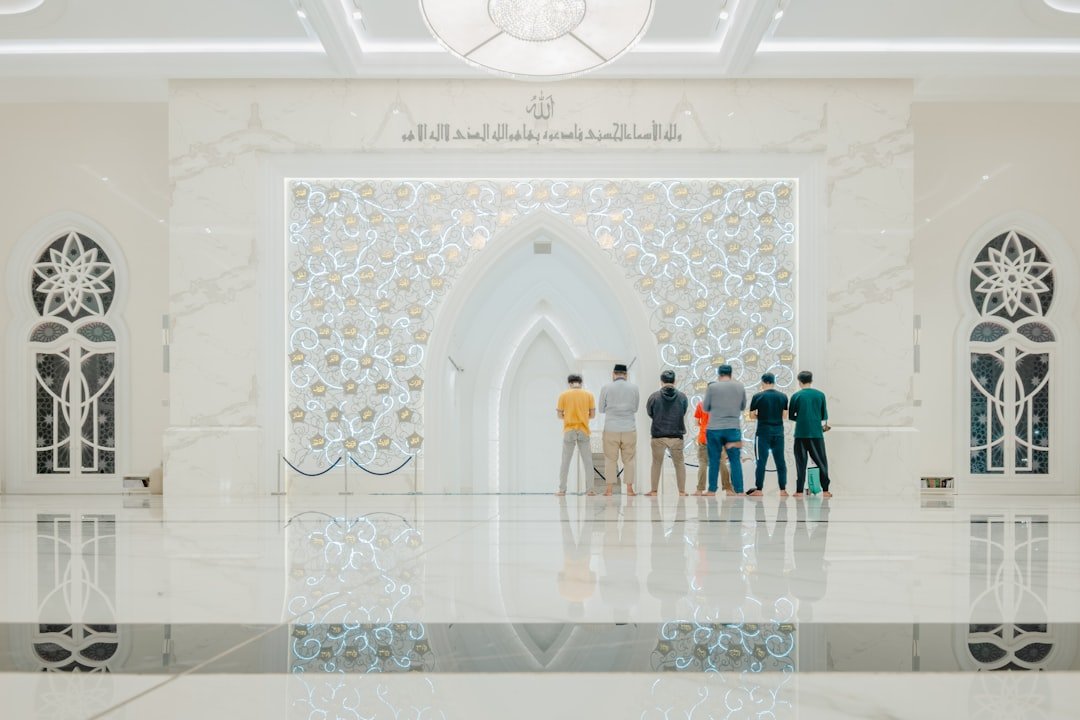
In Dubai, greetings are an essential part of social interaction, reflecting the city’s rich cultural tapestry. When meeting someone for the first time, a firm handshake is customary, but it is important to note that this gesture may not be appropriate between men and women unless initiated by the woman. In such cases, a nod or a smile can serve as a respectful alternative.
The Arabic phrase “As-salamu alaykum,” meaning “peace be upon you,” is a common greeting that showcases the local culture. The response, “Wa alaykum as-salam,” translates to “and upon you be peace,” and using these phrases can help establish rapport and demonstrate respect for local customs. In more formal settings, titles play a significant role in introductions.
It is advisable to address individuals by their professional titles or honorifics, such as “Sheikh” or “Doctor,” followed by their first name. This practice not only shows respect but also acknowledges the importance of hierarchy in Emirati society. When introducing oneself, it is customary to state one’s full name and, if applicable, one’s family name, as family lineage holds considerable significance in the region.
Engaging in small talk about topics such as family, culture, or the weather can also help break the ice and foster a friendly atmosphere.
Key Takeaways
- Greetings in Dubai are often accompanied by a handshake and a warm smile, with the use of titles and last names being common in formal settings.
- Dress code in Dubai is conservative, with both men and women expected to dress modestly and avoid clothing that is too revealing or tight-fitting.
- When dining in Dubai, it is important to wait for the host to initiate the meal and to use the right hand for eating, as the left hand is considered unclean.
- Social customs in Dubai include showing respect for elders, avoiding public displays of affection, and refraining from discussing sensitive topics such as politics and religion.
- Religious etiquette in Dubai involves respecting the Islamic faith, including refraining from eating, drinking, or smoking in public during the holy month of Ramadan.
Dress Code and Modesty in Dubai
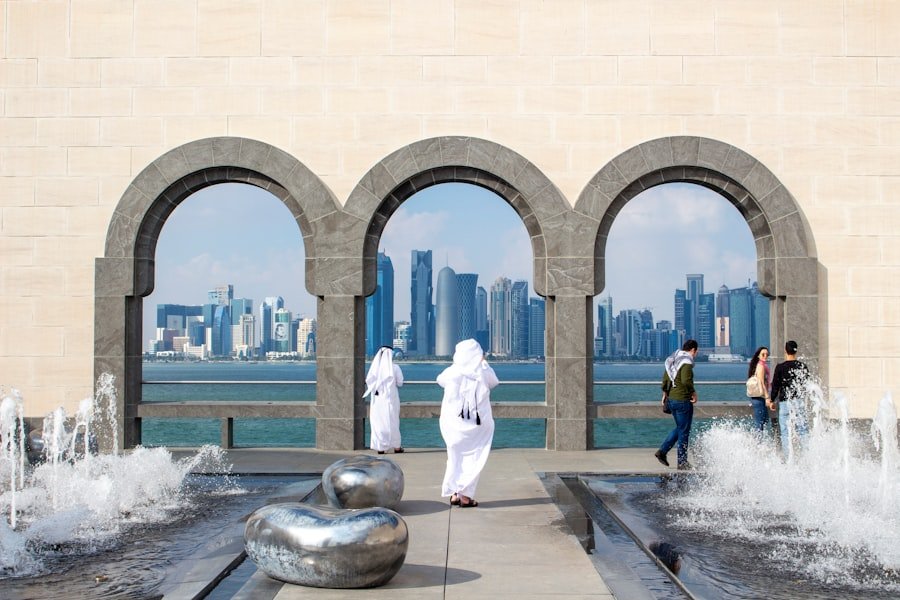
Dubai is known for its modernity and cosmopolitan lifestyle; however, it is essential to adhere to a dress code that reflects the local culture and values. While the city boasts luxurious shopping malls and high-end fashion boutiques, modesty remains a cornerstone of Emirati society. For men, smart casual attire is generally acceptable in most public places, but shorts should be avoided in favor of long trousers.
Women are encouraged to wear clothing that covers their shoulders and knees, particularly when visiting public spaces or religious sites. Lightweight fabrics are advisable due to the region’s hot climate, but they should still maintain a level of modesty. In more formal settings, such as business meetings or upscale restaurants, dressing appropriately becomes even more critical.
Men typically wear suits or dress shirts with ties, while women may opt for elegant dresses or tailored suits that adhere to modesty standards. Swimwear is acceptable at beaches and pools but should not be worn in public areas outside these designated spaces. Understanding and respecting the local dress code not only demonstrates cultural sensitivity but also helps foster positive interactions with residents and fellow visitors.
Dining Etiquette in Dubai
Dining in Dubai is an experience that reflects the city’s diverse culinary landscape, influenced by various cultures from around the world. When invited to someone’s home for a meal, it is customary to bring a small gift, such as sweets or flowers, as a token of appreciation. Upon arrival, guests are often greeted with Arabic coffee (qahwa) and dates, which symbolize hospitality.
It is polite to accept these offerings as they signify warmth and generosity. When it comes to dining etiquette at the table, it is important to be aware of cultural norms. Meals are often served family-style, with dishes placed in the center for everyone to share.
Traditionally, food is consumed using the right hand only, as the left hand is considered unclean. In some households, guests may be provided with utensils; however, many locals prefer to eat with their hands. If you are unsure about the proper way to eat, observing your hosts can provide valuable cues.
Additionally, it is polite to wait for the host to begin eating before starting your meal and to express gratitude after finishing.
Social Customs and Traditions in Dubai
Social customs in Dubai are deeply rooted in Islamic traditions and Bedouin culture, which continue to shape daily life in the emirate. One of the most significant aspects of social interaction is the concept of hospitality. Emiratis take great pride in welcoming guests into their homes and ensuring they feel comfortable and valued.
This tradition extends beyond personal interactions; even in business settings, hospitality plays a crucial role in building relationships. Another important social custom is the practice of visiting friends and family during special occasions such as Eid al-Fitr and Eid al-Adha. These celebrations often involve communal prayers, feasting, and exchanging gifts.
During these times, it is common for families to open their homes to visitors, offering traditional dishes and sweets. Engaging in these festivities can provide valuable insights into Emirati culture and strengthen bonds with local residents.
Religious Etiquette in Dubai
As a predominantly Muslim city, Dubai places significant emphasis on religious practices and observances. During the holy month of Ramadan, Muslims fast from dawn until sunset, refraining from eating or drinking during daylight hours. Visitors should be mindful of this practice; eating or drinking in public during fasting hours can be seen as disrespectful.
Many restaurants will close during the day but may offer takeout services for non-Muslims. After sunset, if invited to break fast with locals, guests can expect a lavish spread featuring traditional dishes such as dates and Arabic coffee. When visiting mosques or other religious sites, adhering to specific guidelines is essential.
Visitors should dress modestly; women are often required to cover their hair with a scarf while men should wear long trousers and avoid sleeveless shirts. It is also important to maintain a respectful demeanor while inside these sacred spaces—speaking softly and refraining from taking photographs unless permitted are key considerations. Understanding these religious customs not only enhances one’s experience but also fosters mutual respect between visitors and residents.
Business Etiquette in Dubai

Business etiquette in Dubai reflects a blend of traditional values and modern practices influenced by globalization. Punctuality is highly regarded; arriving on time for meetings demonstrates respect for others’ time and commitment to professionalism. However, it is not uncommon for meetings to start later than scheduled due to various factors such as traffic or prior engagements.
Flexibility is key when navigating business interactions in this dynamic environment. Building relationships is paramount in Dubai’s business culture; establishing trust often takes precedence over immediate transactions. Engaging in small talk before diving into business discussions can help create a comfortable atmosphere.
It is also common for business cards to be exchanged at meetings; presenting your card with both hands while showing respect for the recipient’s title can leave a positive impression. Additionally, understanding the significance of hierarchy within organizations can guide interactions—addressing senior executives first during discussions reflects an awareness of local customs.
Public Behavior and Respect in Dubai
Public behavior in Dubai is governed by a set of social norms that prioritize respect and decorum. Displays of affection between couples are generally frowned upon in public spaces; holding hands may be acceptable among married couples but kissing or hugging should be avoided altogether. This cultural sensitivity extends to language as well; using profanity or engaging in loud arguments can attract unwanted attention and may even lead to legal repercussions.
Moreover, public intoxication is strictly prohibited in Dubai; consuming alcohol should only occur within licensed venues such as hotels or private clubs. Visitors should also be aware that smoking in public areas is regulated; designated smoking zones are available throughout the city. By adhering to these guidelines regarding public behavior, visitors can ensure a respectful experience while enjoying all that Dubai has to offer.
Gift Giving and Hospitality in Dubai
Gift giving holds significant importance in Emirati culture, serving as a gesture of goodwill and appreciation during various occasions such as weddings or holidays. When selecting gifts for Emirati friends or hosts, it is advisable to choose items that reflect thoughtfulness rather than extravagance. Traditional gifts such as dates, sweets, or high-quality perfumes are well-received; however, avoid giving items made from leather or depicting living creatures due to cultural sensitivities.
When invited to someone’s home for a meal or celebration, bringing a gift is customary and appreciated. It demonstrates respect for your hosts and acknowledges their hospitality. Upon receiving a gift, it is polite to express gratitude verbally; opening the gift in front of the giver may vary based on personal preference but is generally considered acceptable among close friends or family members.
Understanding the nuances of gift giving can enhance social interactions and foster deeper connections within the community. In summary, navigating social customs and etiquette in Dubai requires an understanding of local traditions and values that shape daily life in this vibrant city. By embracing these practices—ranging from greetings and dress codes to dining etiquette and public behavior—visitors can foster meaningful connections while respecting the rich cultural heritage that defines Dubai.
If you are interested in exploring different cultures and traditions, you may also enjoy reading about the delightful world of Asian melon in this article. Just like learning about Dubai culture and etiquette, discovering the unique flavors and customs surrounding Asian melon can be a fascinating experience.
FAQs
What is the traditional dress code in Dubai?
The traditional dress code in Dubai is conservative, with both men and women expected to dress modestly. For men, this typically means wearing long trousers and a shirt, while women are expected to cover their shoulders and knees.
What are some important cultural customs to be aware of in Dubai?
Some important cultural customs to be aware of in Dubai include showing respect for elders, refraining from public displays of affection, and avoiding public criticism or confrontation.
Is it important to greet people in a specific way in Dubai?
Yes, it is important to greet people in Dubai with a handshake and a warm smile. It is also customary to use titles such as “Mr.” or “Ms.” when addressing someone, followed by their surname.
Are there any specific dining etiquette rules to follow in Dubai?
In Dubai, it is important to wait to be seated at a dining table, and to always use the right hand for eating and passing food. It is also customary to leave a small amount of food on your plate to indicate that you are full.
What are some important cultural taboos to be aware of in Dubai?
Some important cultural taboos to be aware of in Dubai include consuming alcohol in public, using offensive language or gestures, and showing disrespect towards the local culture and traditions.

Leave a Reply