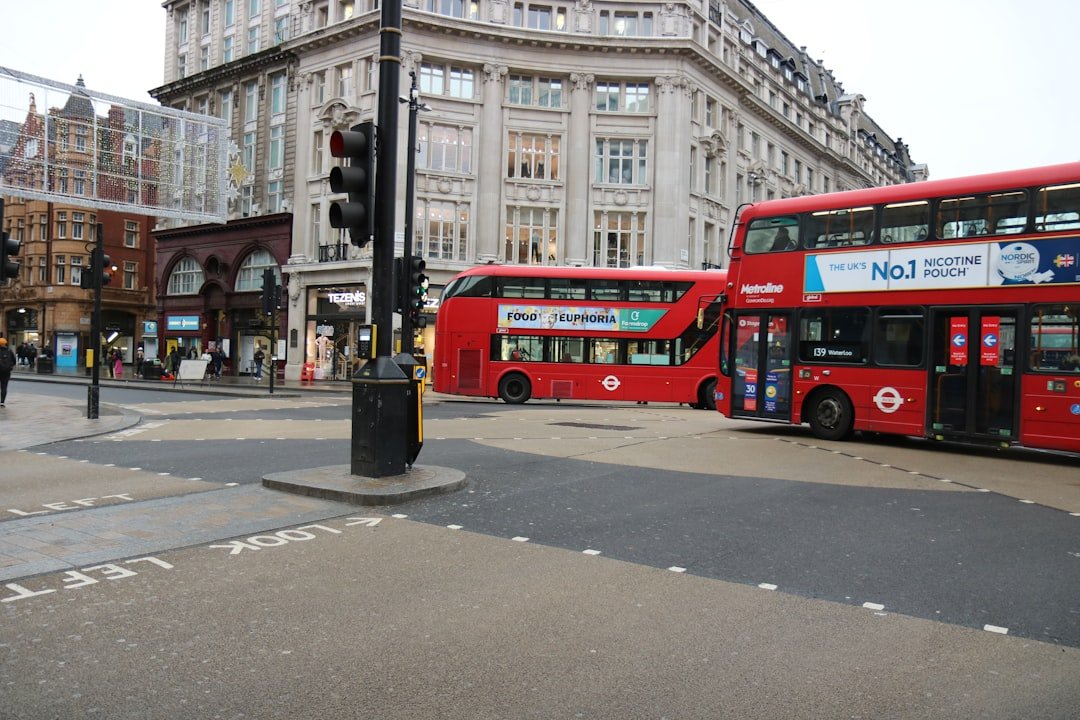
Choosing where to stay in London for your first visit can feel harder than choosing what to see. The city is huge, attractions are spread across several districts, and two hotels that look close on a map can offer very different experiences. The best area depends on whether you value walkability, museums, nightlife, quiet streets, family attractions, or easy transport.
Quick Answer
For most first-time visitors, Covent Garden and nearby central London are the easiest all-round choices because major sights, theatres, restaurants, and several Tube stations are close by. South Bank is excellent for river views and families, while Kensington suits museum lovers and Notting Hill works well for travelers who prefer a quieter neighborhood feel.
Key Takeaways
- Best overall for a first visit: Covent Garden and the West End put many major attractions, restaurants, theatres, and transport options within easy reach.
- Best for river views and families: South Bank and Waterloo offer the London Eye, cultural venues, pedestrian-friendly riverside walks, and strong rail and Tube connections.
- Best for museums: Kensington and South Kensington place you near the Natural History Museum, V&A, Hyde Park, and Kensington Gardens.
- Best for neighborhood charm: Notting Hill combines colorful streets, Portobello Road Market, independent businesses, and easy Tube access.
- Best for nightlife and creative culture: Shoreditch and Camden offer stronger evening scenes, markets, music, street art, and independent venues.
- Do not choose by neighborhood name alone: check the exact walking distance from your accommodation to the nearest useful Tube, rail, Elizabeth line, or DLR station.
Best Areas to Stay in London at a Glance
| Area | Best For | Main Advantage | Main Trade-Off |
| Covent Garden | First-time sightseeing | Very walkable for the West End and central sights | Busy and often expensive |
| South Bank / Waterloo | Families and river views | Major attractions plus strong transport | Some streets become quiet after attractions close |
| Kensington | Museums and families | Museums, parks, and polished residential streets | Less central for some east-London attractions |
| Notting Hill | Couples and neighborhood atmosphere | Pretty streets, markets, cafes, and local character | Fewer headline sights on the doorstep |
| Shoreditch | Nightlife and creative culture | Bars, restaurants, street art, and markets | Can be noisy late at night |
| Camden Town | Music and alternative culture | Markets, venues, canal walks, and distinctive atmosphere | Crowded around the market and station |
| Marylebone | Quieter upscale stays | Central location with a calmer residential feel | Accommodation can be expensive |
| Greenwich | History and a slower pace | Maritime attractions, parkland, and village-like center | Longer journey to many West End attractions |
Note: “Central London” covers several neighborhoods rather than one small district. When comparing hotels, look at the exact address and the nearest useful station rather than relying only on a listing that says “central London.”
Central London: The Heart of the City
Central London is the easiest broad area for first-time visitors who want to spend less time commuting and more time sightseeing. Westminster, Covent Garden, Soho, the West End, Mayfair, and parts of Bloomsbury all fall within or immediately around the central sightseeing zone, but each has a different atmosphere.
Some of London’s most recognizable landmarks are here, including the Houses of Parliament, Big Ben, Westminster Abbey, Buckingham Palace, Trafalgar Square, and the West End theatre district. Staying centrally can make it practical to walk between several attractions rather than taking the Tube for every short journey.
Oxford Street is one of London’s major shopping streets, while Soho is packed with restaurants, bars, entertainment venues, and nightlife. The West End is the main theatre district and works especially well for travelers planning evening shows.
Best for: first-time sightseeing, short visits, theatre, shopping, and travelers who value walkability.
Watch out for: central accommodation can cost more, and streets around Soho, Leicester Square, Oxford Street, and the West End may stay busy well into the evening.
South Bank: Riverside Views and Cultural Attractions
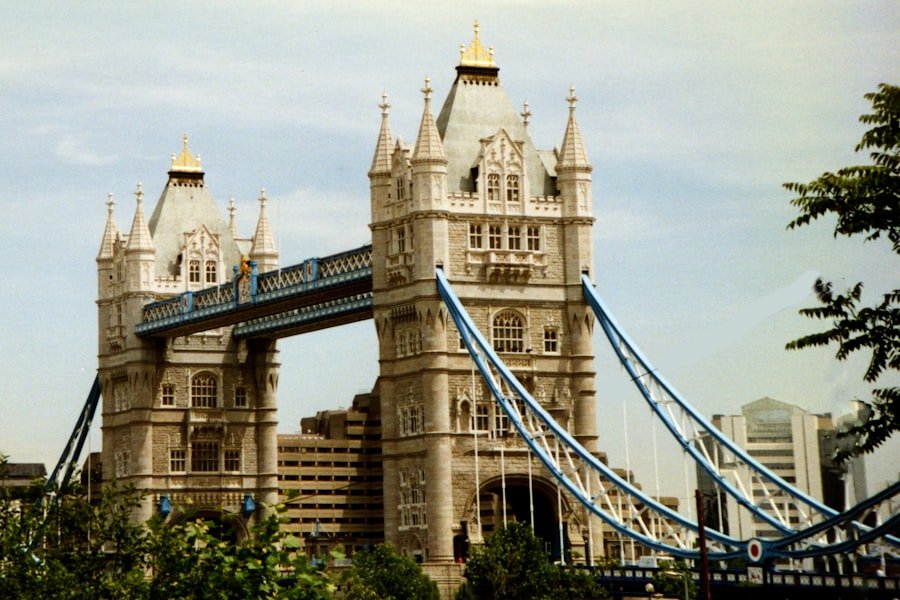
South Bank and Waterloo are strong choices for visitors who want river views, family attractions, cultural venues, and straightforward transport. According to Visit London, South Bank runs along the Thames roughly between Lambeth Bridge and Blackfriars Bridge.
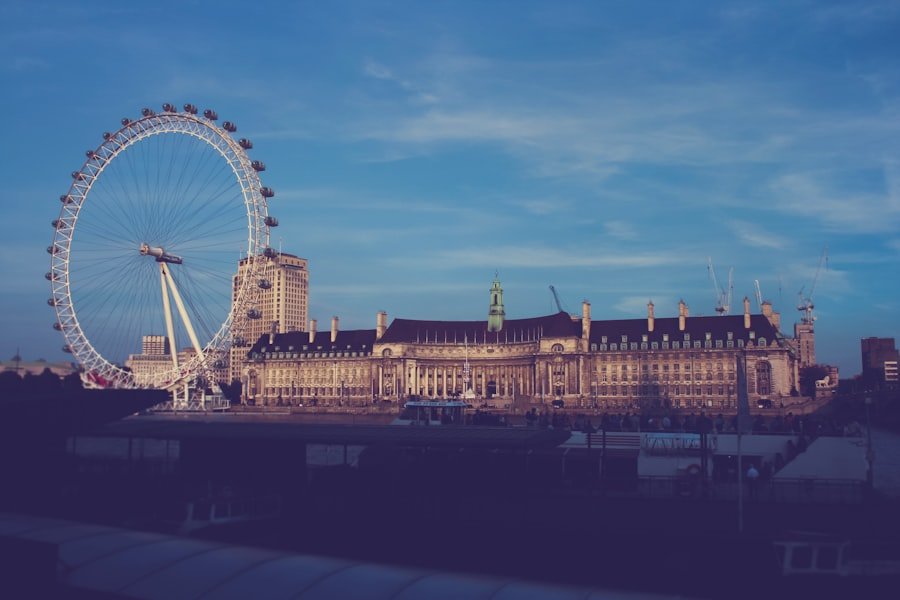
The London Eye, Southbank Centre, National Theatre, BFI venues, restaurants, and riverside walking routes are all nearby. Westminster is directly across the river, so Big Ben, the Houses of Parliament, and Westminster Abbey are within easy reach.
Tate Modern lies farther east at Bankside, while Borough Market is closer to London Bridge. Both can be reached by continuing east along the Thames, but they are better treated as nearby attractions rather than as the boundaries of South Bank itself.
Waterloo station adds an important practical advantage because it provides Tube and National Rail connections. This makes the area particularly useful for visitors who plan day trips as well as central sightseeing.
Best for: families, river walks, culture, city views, and travelers who want a major transport hub nearby.
Watch out for: the riverside can be extremely busy around the London Eye and major events, while some streets farther from the river feel much quieter at night.
Covent Garden: Theatres, Shopping, and Dining
Covent Garden is one of the strongest all-round areas for a first trip to London. The historic market district sits within the West End and puts visitors within walking distance of Leicester Square, Trafalgar Square, Soho, the Strand, theatres, restaurants, and several Tube stations.
Once associated with a fruit and vegetable market, Covent Garden now centers on its historic Market Building and pedestrian-friendly Piazza. Current visitor information from Visit London highlights its shops, restaurants, entertainment, Royal Ballet and Opera, London Transport Museum, and street performers.
Shopping ranges from international brands to independent businesses, while the Apple Market is known for crafts, handmade goods, art, and collectables. The area also has everything from quick meals to high-end dining.
Best for: a first visit, theatre trips, couples, food, shopping, and travelers who want to walk to many sights.
Watch out for: this convenience comes with crowds and generally higher accommodation prices. Light sleepers should also check whether a hotel faces a busy pedestrian or nightlife street.
Pro Tip: A hotel advertised as being “near Covent Garden” can still be a noticeable walk from the Piazza. Check the exact walking route to Covent Garden, Leicester Square, Charing Cross, or Holborn stations before booking.
Notting Hill: Quaint Streets and Colorful Houses
Notting Hill works well for travelers who want a neighborhood atmosphere while remaining connected to central London. Its pastel terraces, mews streets, cafes, independent businesses, and Portobello Road give it a different feel from the busier West End.
Portobello Road Market is a major draw, with antiques, vintage goods, food, shops, and market activity changing through the week. Visit London also highlights the area’s colorful streets, restaurants, nightlife, market culture, and Caribbean heritage.
The annual Notting Hill Carnival is central to the area’s identity. Official Carnival guidance states that the main event takes place on the Sunday and Monday of the August Bank Holiday weekend, with Panorama preceding it on Saturday evening.
Notting Hill is a strong choice when you want London character outside your hotel door but do not need every headline attraction within walking distance.
Best for: couples, photography, markets, cafes, repeat visitors, and travelers who prefer residential charm.
Watch out for: accommodation near Portobello Road can be busy during market periods, and Carnival weekend dramatically changes transport and crowd levels across the neighborhood.
Kensington: Museums and Green Spaces
Kensington and South Kensington are excellent bases for museum lovers, families, and travelers who prefer elegant residential streets to the busiest parts of the West End.
The Natural History Museum is in South Kensington and contains collections covering the natural world, including dinosaur specimens, minerals, wildlife, and Earth sciences. Nearby, V&A South Kensington focuses on art, design, performance, decorative arts, fashion, and material culture.
Green space is another advantage. Kensington Gardens contains the Albert Memorial, Round Pond, Italian Gardens, and Long Water. The connected lake continues into neighboring Hyde Park, where it is known as the Serpentine.
Hyde Park and Kensington Gardens give visitors room for walking, cycling, picnics, and a break from dense sightseeing. This makes the area especially appealing for families or longer stays.
Best for: families, museums, parks, quieter evenings, and travelers who want an attractive west-London base.
Watch out for: Kensington is convenient for west and central London but less convenient than Covent Garden or Shoreditch for travelers focusing heavily on east-London nightlife and markets.
Shoreditch: Hip and Trendy Neighborhood
Shoreditch is one of the best places to stay for travelers who care more about restaurants, nightlife, street art, independent businesses, and contemporary London than royal landmarks outside the hotel door. The area grew from a former commercial and industrial district into one of east London’s most active creative and nightlife centers.
Street art is a major part of the neighborhood, particularly around Shoreditch High Street, Brick Lane, and nearby side streets. Visit London currently highlights Shoreditch and Hoxton for street art, pubs, cafes, galleries, clubs, restaurants, and Boxpark.
The food scene ranges from quick street-food-style meals to destination restaurants, and nightlife continues well beyond dinner. Liverpool Street, Shoreditch High Street, and Old Street provide several transport options depending on exactly where you stay.
Best for: nightlife, younger travelers, restaurants, street art, markets, and contemporary culture.
Watch out for: noise can be a real issue near nightlife streets. Check recent accommodation reviews specifically for street noise before booking.
Camden Town: Markets and Alternative Vibes
Camden Town is known for alternative culture, live music, distinctive shops, busy markets, and Regent’s Canal. Camden Market remains the center of the visitor experience, with food vendors, vintage clothing, handmade goods, and independent retailers.
Current Visit London guidance also highlights Regent’s Canal, Camden Lock, the Roundhouse, music venues, markets, and nearby green spaces. The canal provides a calmer walking route away from Camden High Street and connects toward Regent’s Park and farther west.
Music remains a major reason to stay here. Venues around Camden host everything from small live performances to major touring acts, making the area attractive to travelers who plan evenings around concerts.
For first-time visitors who want markets, music, and a less polished side of London, Camden offers far more personality than a conventional hotel district.
Best for: live music, markets, alternative culture, casual food, and travelers who want a lively neighborhood.
Watch out for: Camden Town station and the market area become heavily crowded at popular times, and the atmosphere is much busier than residential Kensington or Marylebone.
Marylebone: Elegant and Upscale
Marylebone offers a central location without the constant intensity of Leicester Square or Soho. Georgian and Victorian streets, independent shops, restaurants, cafes, and residential blocks give much of the area a polished neighborhood feel.
Marylebone High Street is known for independent retail and dining, while attractions in and around the district include Madame Tussauds, the Wallace Collection, and the Sherlock Holmes Museum. Regent’s Park is within easy reach from the northern side of the neighborhood.
The area can work especially well for travelers who want central access but prefer returning to quieter streets at the end of the day.
Best for: couples, upscale stays, quieter evenings, shopping, and travelers who want a refined central base.
Watch out for: accommodation can be expensive, and “Marylebone” listings can cover a fairly broad area. Check the exact distance to Baker Street, Bond Street, Marylebone, or another useful station.
Greenwich: History and Maritime Heritage
Greenwich is a compelling alternative for travelers who prefer maritime history, parkland, river views, and a more relaxed base than the West End. Its major attractions include the Royal Observatory, National Maritime Museum, Cutty Sark, Queen’s House, Greenwich Park, and the historic town center.
At the Royal Observatory Greenwich, visitors can stand across the historic Greenwich Prime Meridian, the line adopted internationally in 1884 as zero degrees longitude. It is the famous point where visitors can pose with one foot east and one foot west.
Note: The line marked at the Royal Observatory is the historic Greenwich Prime Meridian. Modern satellite-based coordinate systems use the IERS Reference Meridian, which Royal Museums Greenwich explains lies about 102.5 metres east of the historic line.
The National Maritime Museum covers exploration, navigation, maritime history, art, and Britain’s relationship with the sea. Greenwich Park rises behind the museum complex and provides wide views toward the Thames and Canary Wharf.
Greenwich connects to other parts of London by DLR, rail, bus, and river services, but it is farther from the West End than Covent Garden, Westminster, or Marylebone.
Best for: maritime history, families, parks, river travel, and visitors who want a calmer base.
Watch out for: if almost every day of your itinerary centers on Westminster, Soho, Covent Garden, or Kensington, staying in Greenwich adds more travel time.
Which London Area Is Best for Your Type of Trip?
Best for a First Trip: Covent Garden
Covent Garden offers the strongest combination of walkability, attractions, theatres, restaurants, and transport. You pay for that convenience, but it can save significant sightseeing time on a short trip.
Best for Families: South Bank or Kensington
South Bank works well for the London Eye, riverside attractions, and Waterloo transport connections. Kensington is better if your family prioritizes museums, parks, quieter evenings, and more open space.
Best for Nightlife: Shoreditch or Soho
Shoreditch is stronger for east-London bars, restaurants, street art, and clubs. Soho is more central and convenient for West End nightlife and theatre.
Best for Couples: Notting Hill or Marylebone
Notting Hill offers colorful residential streets, cafes, markets, and a neighborhood feel. Marylebone is more central and polished, with easy access to the West End while retaining quieter streets.
Best for Markets and Music: Camden Town
Camden combines markets, casual food, canal walks, and a long-established live-music scene. It suits travelers who want personality and evening activity rather than a traditional sightseeing district.
Best for History Away From the West End: Greenwich
Greenwich rewards travelers interested in maritime history, astronomy, navigation, royal connections, museums, and parkland. The trade-off is a longer trip to many central attractions.
Tips for Choosing the Right Accommodation in London
Selecting accommodation in London becomes easier when you focus on transport and your daily itinerary rather than simply choosing the most famous neighborhood.
1. Check the Exact Station, Not Just the Area Name
A hotel can advertise itself as being in Kensington, Paddington, Camden, or central London while still requiring a long walk to the station you actually need. Check the walking route from the front door to the nearest Tube, Elizabeth line, DLR, Overground, or National Rail station.
2. Match Your Base to Most of Your Sightseeing
If most of your plans are around Westminster, the West End, Soho, and Covent Garden, staying centrally can reduce daily travel. If museums and parks dominate the itinerary, Kensington makes more sense. If nightlife and east-London markets are priorities, Shoreditch may save repeated cross-city journeys.
3. Understand Contactless and Oyster Travel
Transport for London recommends pay as you go using contactless, an Oyster card, or a Visitor Oyster card as easy options for visitors. Pay-as-you-go travel is subject to daily and, where applicable, weekly capping.
When using contactless, use the same physical card or the same device to touch in and out. Do not touch in with a phone and touch out with the linked physical card because TfL treats them as separate payment methods.
Warning: Two adults cannot travel on the same Oyster card at the same time. Each adult traveler needs a separate Oyster card or separate contactless card/device for the journey.
4. Consider King’s Cross and Paddington for Transport Convenience
Budget-conscious travelers should not dismiss King’s Cross or Paddington simply because they are not the most atmospheric sightseeing neighborhoods. Both can provide practical transport access, and a well-located hotel near a useful station may be more convenient than a cheaper room requiring multiple buses or a long walk.
Paddington is particularly useful for west-London connections, while King’s Cross and St Pancras are major rail hubs with several Underground routes.
5. Compare Total Convenience, Not Just the Nightly Price
Staying farther from central London can reduce room prices, but the cheapest hotel is not always the best value. Consider the time spent commuting, how late transport will be needed, whether you will return to the hotel during the day, and whether everyone in the group will be comfortable with additional travel.
6. Think About Noise Before Booking
For nightlife districts such as Soho, Shoreditch, and Camden, read recent accommodation reviews for comments about street noise, clubs, pubs, construction, and soundproofing. A room facing an interior courtyard may feel very different from one facing a main nightlife street.
7. Hotel or Serviced Apartment?
Hotels are usually easier for short stays because reception, housekeeping, luggage storage, and other services are immediately available. Serviced apartments can be more comfortable for families, longer trips, or travelers who value extra living space and a kitchen.
Before choosing an apartment, check whether cleaning, reception, luggage storage, elevators, air conditioning, and late check-in are included rather than assuming it will operate like a full-service hotel.
The best London accommodation is not necessarily the closest hotel to one famous landmark. A comfortable room within a short walk of a useful station can make the entire trip easier.
If you’re looking for more travel tips and recommendations, Tagline Today offers resources covering accommodations, attractions, transportation, and trip planning. Whether you’re planning your first trip to London or returning for another visit, comparing neighborhoods before booking can help you choose a base that matches the way you actually want to explore the city.
Frequently Asked Questions
What are the best areas to stay in London for first-timers?
Covent Garden is one of the best all-round choices because it is central, walkable, and close to the West End, restaurants, theatres, and several major sights. South Bank is excellent for families and river views, while Kensington suits museum lovers and Notting Hill offers more residential charm.
What are the best budget-friendly areas to stay in London?
Budget accommodation varies constantly, so compare exact dates rather than assuming one neighborhood is always cheapest. King’s Cross, Paddington, and areas slightly outside the most tourist-heavy parts of Zone 1 can offer better value. Prioritize a short walk to a useful station so lower room prices do not create difficult daily commutes.
What are the best areas for luxury accommodation in London?
Mayfair, Knightsbridge, Marylebone, Chelsea, and parts of the West End have a strong concentration of luxury hotels, boutique properties, fine dining, and high-end shopping. The best choice depends on whether you prefer central sightseeing, shopping around Knightsbridge, or quieter residential streets.
Is it better to stay in a hotel or a serviced apartment in London?
Hotels are usually simplest for short trips because they commonly provide reception, housekeeping, luggage storage, and other services. Serviced apartments can be better for families or longer stays because they may provide more living space and a kitchen. Compare the actual facilities before booking because service levels vary widely.
How should first-time visitors pay for public transport in London?
Transport for London allows pay-as-you-go travel using contactless cards or devices, Oyster cards, and Visitor Oyster cards. Contactless is convenient for many visitors, while Oyster can be useful when a traveler cannot or does not want to use a contactless bank card. Use the same card or device throughout each journey.
Which London area is best for families?
South Bank and Kensington are two of the easiest choices for families. South Bank provides riverside attractions and excellent transport through Waterloo, while Kensington gives families easy access to major museums, Kensington Gardens, and Hyde Park.
Is it worth staying outside central London to save money?
It can be, especially for longer stays, but compare more than the room rate. A cheaper hotel farther out may add substantial daily travel time. A property slightly outside the center but very close to a fast Tube, Elizabeth line, Overground, DLR, or rail station can offer a better balance than accommodation with poor transport connections.
Sources
- Transport for London — Best ways for visitors to pay — supports contactless, Oyster, Visitor Oyster, capping, and visitor transport guidance.
- Visit London — South Bank and Waterloo — supports South Bank geography, major attractions, and visitor context.
- Natural History Museum — Plan your visit — supports the museum’s South Kensington location and visitor information.
- V&A South Kensington — Plan your visit — supports the V&A’s South Kensington location and visitor information.
- The Royal Parks — Kensington Gardens — supports Kensington Gardens landmarks and Long Water terminology.
- Royal Museums Greenwich — What is the Prime Meridian? — supports the historic Greenwich Meridian and modern IERS Reference Meridian distinction.