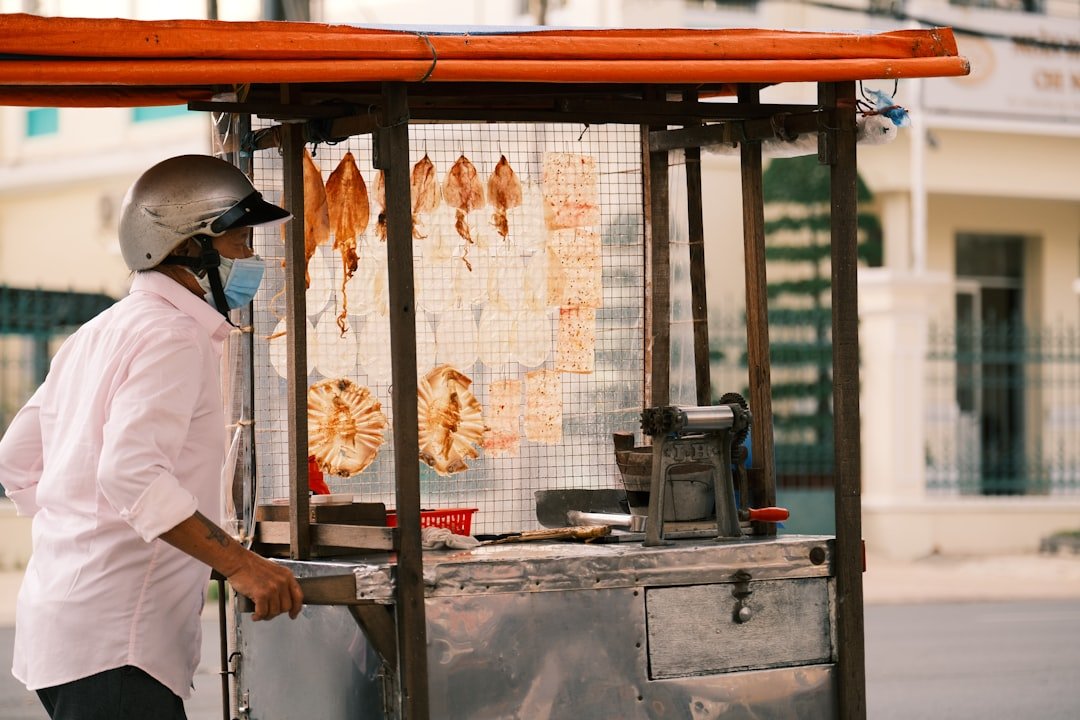
Dubai’s street-food scene brings together Emirati traditions and the cuisines of communities from across the Middle East, South Asia, Southeast Asia and beyond. You can eat everything from shawarma, falafel and manakish to samosas, karak tea and luqaimat, often at small cafeterias, bakeries, kiosks, casual restaurants and seasonal outdoor markets.
Quick Answer
For a good introduction to street food in Dubai, try shawarma, falafel, manakish, samosas, grilled kebabs, karak tea and luqaimat. Satwa’s 2nd December Street, Al Karama and Old Dubai are strong year-round areas, while Global Village and Ripe Market add large seasonal collections of food stalls during Dubai’s cooler months.
Key Takeaways
- Dubai street food includes much more than outdoor carts; small cafeterias, bakeries, kiosks and hole-in-the-wall restaurants are an important part of the experience.
- Shawarma, falafel, manakish, kebabs, samosas, karak tea and luqaimat are easy dishes to start with.
- 2nd December Street in Satwa, Al Karama and Old Dubai are useful areas for affordable casual food.
- Traditional Emirati dishes such as harees, machboos, regag and luqaimat are worth seeking out, although not all of them are everyday grab-and-go street foods.
- Global Village and Ripe Market are seasonal, so check current opening dates before planning a visit.
Popular Street Food in Dubai
Shawarma is one of Dubai’s best-known casual foods. Chicken, beef or lamb is seasoned and cooked on a vertical rotisserie, then sliced into bread with combinations of pickles, vegetables, garlic sauce, tahini or other toppings. Dubai’s official tourism site also highlights shawarma as a city favorite.
Falafel is another popular choice, especially for vegetarians. The fried patties are commonly made with chickpeas or fava beans, herbs and spices and served in bread with vegetables, pickles and tahini. Because falafel is fried and toppings vary, it is better to think of it as a flavorful vegetarian option rather than automatically a low-calorie meal.
Other Street Foods Worth Trying
- Manakish: Flatbread baked with toppings such as za’atar, cheese or minced meat. It works well for breakfast or a quick snack.
- Kebabs and grilled meats: Chicken, lamb and mixed grills are common at casual Middle Eastern, Iranian, Turkish and South Asian restaurants.
- Samosas and chaat: Indian and Pakistani cafeterias serve fried samosas as well as tangy, spicy chaat dishes with chutneys, yogurt and crunchy toppings.
- Karak tea: Strong, sweet milk tea flavored with spices such as cardamom. Small cafeterias across Dubai sell it throughout the day.
- Kunafa: A rich dessert commonly made with shredded pastry, cheese or cream and sweet syrup.
- Luqaimat: Emirati fried dough bites with a crisp outside and soft center, commonly finished with date syrup or honey.
Pro Tip: If you are eating with other people, order several small dishes and share them. It is an easy way to compare breads, grilled meats, dips, sweets and drinks without filling up on your first stop.
Where to Find the Best Street Food in Dubai
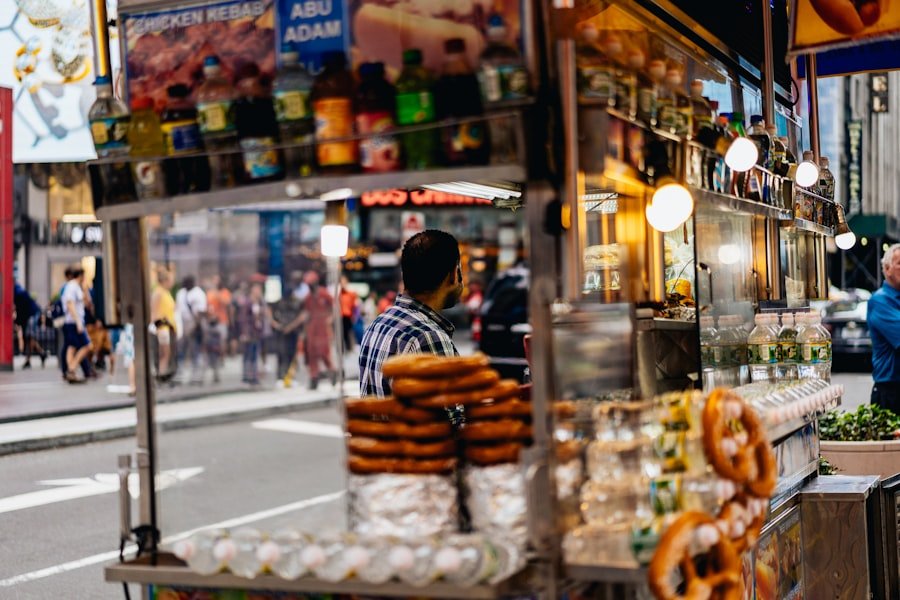
You do not need to limit your search to major tourist attractions. Some of Dubai’s most interesting casual food is concentrated in older neighborhoods where residents eat every day.
2nd December Street and Al Satwa
Start with 2nd December Street in Satwa, formerly known as Al Diyafah Street. Visit Dubai specifically highlights the street for affordable casual food. The surrounding Satwa area has Lebanese, Pakistani, Indian, Filipino and other inexpensive eateries, making it useful when you want several choices within a relatively compact district.
See Visit Dubai’s official street-food guide to 2nd December Street for additional ideas.
Al Karama
Al Karama is one of Dubai’s older, busy residential neighborhoods and is known for casual restaurants and good-value dining. It is especially useful for Indian, Pakistani, Sri Lankan and other South Asian food, with plenty of vegetarian options alongside grills and meat dishes.
Deira and Old Dubai
Deira and the wider Old Dubai area are excellent for exploring food connected to the city’s trading history and long-established immigrant communities. Around busy commercial streets and souk districts, you can find Arabic grills, South Asian snacks, Iranian food, sweets, juices and inexpensive cafeterias.
Combining a meal with a visit to the Spice Souk, Gold Souk or Dubai Creek can make this one of the most interesting areas for travelers who want food and sightseeing together.
Al Seef
Al Seef offers a more polished waterfront experience beside Dubai Creek. It mixes heritage-style architecture, cafés, restaurants and shops, making it convenient for visitors who want to combine traditional surroundings with an easy evening walk.
Jumeirah and Beach Areas
Jumeirah and Dubai’s beachfront districts also have casual cafés, food trucks and pop-up concepts, although the exact vendors and events can change. These areas can be useful if you want a food stop as part of a beach or waterfront day rather than a dedicated street-food crawl.
Global Village
Global Village is one of the easiest seasonal places to sample food from many countries in one evening. Its dining areas include restaurants, cafés, street-food kiosks and specialty zones representing cuisines from around the world.
Note: Global Village is seasonal rather than a year-round street-food destination. Season 31 is scheduled for October 2026 through May 2027, so confirm opening dates before traveling there.
Traditional Emirati Street Food and Local Dishes
Dubai’s casual food scene is heavily international, so it helps to distinguish everyday street-food favorites such as shawarma and samosas from traditional Emirati cuisine. Some Emirati dishes are easy to find at markets and heritage events, while others are more commonly served as full meals in homes or traditional restaurants.
Harees
Harees is made by slowly cooking wheat with chicken or meat until the ingredients develop a thick, smooth texture. The UAE Government identifies harees as a traditional dish associated with occasions and Ramadan. It may appear at festivals, heritage events and Emirati restaurants, but it should not be treated as an everyday roadside snack everywhere in Dubai.
Machboos
Machboos is a traditional rice dish prepared with meat or chicken, spices and often saffron. It is more substantial than typical grab-and-go food, but it is one of the key dishes to try if your goal is to understand Emirati cuisine rather than only Dubai’s international street-food culture.
Luqaimat
Luqaimat are small fried dough balls with a crisp exterior and soft center. They are commonly finished with date syrup or honey and may include flavors such as cardamom or saffron. Because they are easy to portion and eat, they are particularly well suited to markets, festivals and dessert stalls.
Regag, Khameer and Chabab
Traditional Emirati breads and pancakes add more variety. Regag is a thin, crisp bread that can be eaten with savory or sweet toppings. Khameer is a softer bread, while chabab is a spiced Emirati pancake that may be served with date syrup.
The UAE Government’s guide to Emirati food provides useful background on traditional breads, rice dishes, dates, coffee and local ingredients.
International Street Food in Dubai
Dubai’s international population is one of the main reasons its casual food scene is so varied. You can move between different regional cuisines without traveling far.
Indian street food is particularly easy to find. Pani puri combines crisp hollow shells with flavored water, chutneys and fillings, while vada pav places a spiced potato fritter inside bread. Chaat can combine chickpeas, potatoes, yogurt, chutney, herbs and crunchy toppings in many different ways.
Pakistani cafeterias and bakeries add samosas, kebabs, parathas and grilled meats. Lebanese and other Levantine restaurants contribute shawarma, falafel, hummus and manakish. Turkish eateries offer doner-style meats and grills.
Dubai’s Asian communities broaden the selection further. Depending on the neighborhood or market, you may encounter Filipino lumpia and grilled skewers, Vietnamese sandwiches and noodles, Thai snacks, Sri Lankan dishes and other regional specialties.
If you’re a fan of exploring different types of food, you may also enjoy reading about the delightful world of Asian melon in this article. Discover the unique flavors and varieties of this refreshing fruit that are popular in Asian cuisine.
How Much Does Street Food Cost in Dubai?
Street-food prices vary widely by neighborhood, portion size and venue. A small tea, snack or bakery item can cost only a few dirhams, while a full shawarma, grilled meal or specialty-market dish costs more. Seasonal venues and tourist districts also tend to have a wider price range than older residential areas.
Instead of relying on one fixed citywide price, check the displayed menu before ordering. Al Karama, Satwa and parts of Old Dubai are generally better starting points if value is a priority, while large festivals and waterfront destinations may cost more.
Tips for Trying Street Food in Dubai
Follow the Locals
Busy restaurants and cafeterias can be useful indicators of popularity and fast ingredient turnover. A queue does not guarantee that you will love the food, but it can help you identify places that have a regular customer base.
Ask the Experts
Ask staff what the restaurant or stall is best known for instead of automatically ordering the most familiar dish. At small specialty eateries, one or two items may be the reason regular customers keep coming back.
Stay Safe and Savvy
Dubai Municipality oversees food establishments and food-safety activities across the emirate. Even with that regulatory system, use normal food-safety judgment: choose clean establishments, prefer food that is cooked thoroughly and served at an appropriate temperature, and be cautious if handling or storage looks questionable.
Dubai Municipality also provides food-safety guidance for consumers.
Warning: If you have a serious food allergy, do not assume a dish is safe because the main ingredient looks familiar. Ask about sesame or tahini, nuts, dairy, eggs, wheat, sauces and shared cooking equipment before ordering.
Plan Around Dubai’s Weather
Outdoor eating is generally more comfortable during Dubai’s cooler months. In hotter periods, evening meals, air-conditioned cafeterias and indoor food halls can be more comfortable than spending a long time walking between outdoor stalls during the middle of the day.
Consider Dietary Preferences
Vegetarians can usually find falafel, hummus, manakish, vegetable samosas and many Indian dishes. However, recipes and preparation methods differ, so ask whether sauces, stocks or cooking fats contain ingredients you avoid.
If halal status is particularly important to you, ask the individual establishment about its ingredients and preparation instead of making assumptions based only on the cuisine.
Street Food Markets and Festivals in Dubai
Dubai’s outdoor food scene changes with the season, so event dates matter. Cooler months bring more markets, pop-ups and large outdoor dining areas than the hottest part of the year.
Ripe Market
The Ripe Market at Academy Park combines local businesses, farmers, artisan vendors, food concepts and family activities. The announced 2026–27 outdoor season runs from October 10, 2026 through May 2, 2027, with the market scheduled for Saturdays and Sundays from 9am to 9pm.
Global Village
Global Village is another major cooler-season option, with dedicated street-food kiosks and dining areas representing many cuisines. Its 2026–27 season is scheduled from October 2026 through May 2027.
Dubai Food Events
Dubai also hosts changing food festivals, restaurant promotions, Ramadan food events and limited-time pop-ups. These should not be treated as permanent attractions because locations and dates can change from year to year. Check the official Visit Dubai events calendar close to your travel date.
Street Food Etiquette in Dubai
Dubai is highly international, and normal polite restaurant behavior will work in most casual eateries. A friendly greeting and a simple thank-you are sufficient; you do not need to know Arabic to order successfully.
When eating a traditional shared meal or accepting food directly, using the right hand is a customary courtesy in Emirati and wider Arab culture. The UAE Government specifically notes the tradition of accepting food and drink with the right hand. In ordinary cafés and restaurants, however, knives, forks and spoons are completely normal, so visitors do not need to overthink the rule.
You can read the UAE Government’s official visitor etiquette guidance for more cultural context.
If you are sharing food, offering some to your companions is a friendly gesture. Dispose of packaging and leftovers in available bins, and avoid blocking busy counters while deciding what to order.
Eating During Ramadan
Ramadan changes the rhythm of dining in Dubai. Many restaurants continue serving, while others adjust their hours and become much busier around iftar and later in the evening. Seasonal Ramadan markets and food events can also create excellent opportunities to try traditional sweets and dishes. Check opening hours on the day you visit because schedules may change.
Frequently Asked Questions
What is street food in Dubai?
Street food in Dubai includes inexpensive food from small cafeterias, bakeries, kiosks, food trucks, casual restaurants and seasonal market stalls. It is broader than the image of vendors cooking only from carts on the pavement.
What are some popular street food dishes in Dubai?
Good starting choices include shawarma, falafel, manakish, kebabs, samosas, Indian chaat, karak tea and luqaimat. Dubai’s diverse population also makes Filipino, Pakistani, Iranian, Turkish, Sri Lankan and Southeast Asian casual food easy to explore.
Where can I find street food in Dubai?
Useful year-round areas include 2nd December Street in Satwa, Al Karama and Old Dubai, including Deira. Al Seef offers a more visitor-oriented waterfront setting. Global Village and Ripe Market are strong seasonal choices during Dubai’s cooler months.
Is street food in Dubai safe to eat?
Dubai Municipality regulates food establishments and food-safety activities, but no meal can be guaranteed risk-free. Choose clean establishments, look for proper food handling, and favor food that is freshly cooked and served at an appropriate temperature.
What is the cost of street food in Dubai?
Prices depend on the dish and neighborhood. Small teas, bakery items and snacks can cost only a few dirhams, while larger wraps, grilled meals and specialty-market dishes cost more. Satwa, Al Karama and parts of Old Dubai are good areas to start if you want budget-friendly casual food.
What traditional Emirati foods should I try?
Try dishes and snacks such as harees, machboos, luqaimat, regag, khameer and chabab. Some are served as full traditional meals rather than everyday street snacks, so Emirati restaurants, heritage venues and seasonal festivals may be the easiest places to find them.
When is the best time to explore Dubai street food?
Evenings are convenient throughout much of the year, while outdoor markets are especially enjoyable during the cooler months. Seasonal destinations such as Global Village and Ripe Market operate mainly from autumn through spring, so check their current dates before visiting.
Sources
- Visit Dubai — Street Food Gems — supports current street-food guidance for 2nd December Street and Satwa.
- UAE Government — Emirati Food — supports information about traditional Emirati dishes, breads, dates and local cuisine.
- Dubai Municipality — Food Safety for Consumers — supports food-safety guidance for diners.
- Global Village — Dining — supports seasonal street-food and dining information.
- Ripe Market — Academy Park — supports the 2026–27 market dates, opening hours, location and food-vendor information.
- UAE Government — Visitor Etiquette — supports cultural guidance about sharing and accepting food with the right hand.