

The Elizabeth Line, a significant addition to London’s extensive transport network, represents a transformative leap in urban mobility. Officially opened in May 2022, this railway line connects the eastern and western parts of London, facilitating seamless travel across the city and beyond. Named in honor of Queen Elizabeth II, the line is not only a tribute to the monarchy but also a symbol of modern engineering and urban planning.
With its sleek design and advanced technology, the Elizabeth Line aims to enhance connectivity, reduce travel times, and alleviate congestion on existing transport routes. This new railway line spans approximately 60 miles, linking key areas from Reading and Heathrow in the west to Shenfield and Abbey Wood in the east. The Elizabeth Line is designed to accommodate up to 24 trains per hour during peak times, significantly increasing capacity for commuters and travelers alike.
The introduction of this line is expected to have a profound impact on London’s economy, providing easier access to jobs, education, and leisure activities across the capital. As such, the Elizabeth Line is not merely a transportation project; it is a catalyst for growth and development in one of the world’s most dynamic cities.
Key Takeaways
- The Elizabeth Line is a new railway line in London, set to transform the city’s transportation system.
- The line has a rich history and has undergone extensive development to become a key part of London’s infrastructure.
- The Elizabeth Line will connect various stations and routes across London, making it easier for commuters to travel around the city.
- Traveling on the Elizabeth Line will provide access to many attractions and landmarks in London, making it a convenient option for tourists.
- There are plenty of shopping and dining options near Elizabeth Line stations, offering convenience and variety for commuters and visitors.
History and development of the Elizabeth Line
The origins of the Elizabeth Line can be traced back to the early 2000s when discussions about improving London’s transport infrastructure gained momentum. The need for a new east-west rail link became increasingly apparent as population growth and urban expansion put pressure on existing services. In 2007, the project was officially named Crossrail, with plans to create a new railway that would connect various parts of London and its surrounding areas.
The project was ambitious, aiming to integrate multiple transport modes and enhance the overall efficiency of the city’s transport network. Construction of the Elizabeth Line began in 2009, marking the start of a monumental engineering endeavor. The project faced numerous challenges, including geological complexities, budget overruns, and delays.
Despite these obstacles, significant progress was made over the years, with tunneling completed in 2015 and station construction well underway. The line’s design incorporates state-of-the-art technology, including advanced signaling systems and energy-efficient trains. In 2018, the project was officially renamed the Elizabeth Line in honor of Queen Elizabeth II, reflecting its significance as a major infrastructure achievement for London.
After years of hard work and dedication from thousands of engineers and construction workers, the line finally opened to the public in May 2022.
Stations and route of the Elizabeth Line
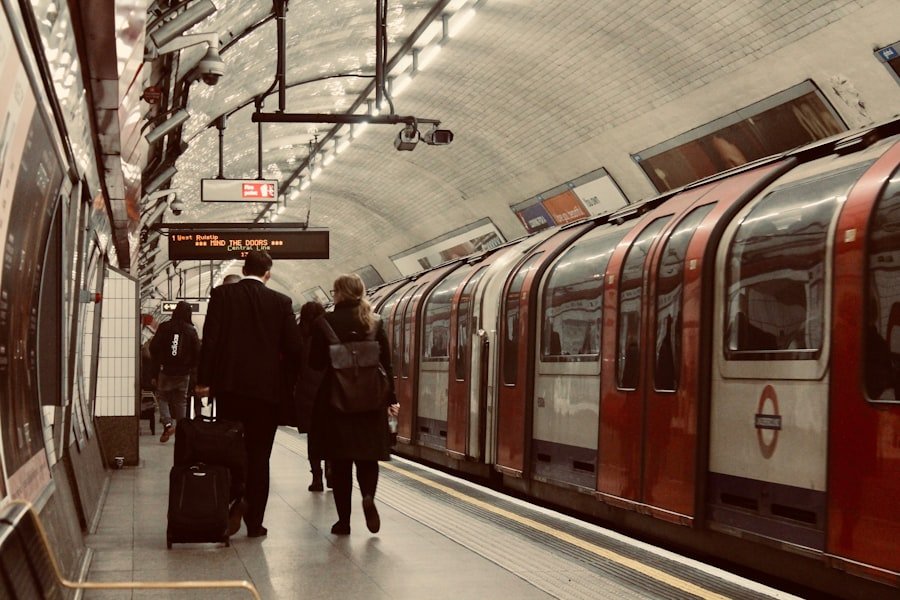
The Elizabeth Line features a total of 41 stations, with 10 new stations specifically built for this line. The route is divided into three main sections: the central section running through London, and two outer sections extending to Reading and Heathrow in the west and Shenfield and Abbey Wood in the east. This strategic layout allows for efficient transfers between various transport modes, including London Underground lines, National Rail services, and even Crossrail’s own services.
The central section of the Elizabeth Line is particularly noteworthy for its innovative design and engineering feats. It runs approximately 13 miles beneath central London, connecting key hubs such as Paddington, Liverpool Street, and Farringdon. The stations in this section are designed with modern aesthetics and user-friendly features, including step-free access and spacious concourses.
Notably, Farringdon station serves as a crucial interchange point between the Elizabeth Line, Thameslink services, and London Underground lines, making it one of the busiest stations in the network. The outer sections extend into suburban areas, providing vital links for commuters traveling to and from work or leisure activities.
Traveling on the Elizabeth Line
Traveling on the Elizabeth Line offers a unique experience characterized by comfort and efficiency. The trains are designed with passenger convenience in mind, featuring spacious interiors with wide aisles and ample seating. Each train is equipped with modern amenities such as air conditioning, Wi-Fi connectivity, and real-time travel information displays.
This focus on passenger comfort is complemented by an efficient timetable that allows for frequent services throughout the day. One of the standout features of traveling on the Elizabeth Line is its integration with other transport services. Passengers can easily transfer between different modes of transport at various interchange stations without facing significant delays.
For instance, at Paddington station, travelers can switch from the Elizabeth Line to Heathrow Express services or London Underground lines with relative ease. This seamless connectivity enhances the overall travel experience and encourages more people to utilize public transport rather than relying on private vehicles.
Attractions and landmarks along the Elizabeth Line
The Elizabeth Line not only serves as a vital transportation link but also provides access to numerous attractions and landmarks throughout London. As it traverses through some of the city’s most iconic neighborhoods, passengers can easily explore cultural sites, historical landmarks, and entertainment venues. For example, travelers disembarking at Liverpool Street station can visit the historic Spitalfields Market or take a short walk to the vibrant Shoreditch area known for its street art and trendy cafes.
Another notable stop along the route is Farringdon station, which is conveniently located near Smithfield Market—one of London’s oldest markets—and St. John’s Gate, a historic entrance to the former priory of St. John.
Additionally, passengers traveling towards Abbey Wood can explore Greenwich, home to attractions such as the Royal Observatory and the Cutty Sark ship museum. The line’s design encourages exploration by making it easier for residents and tourists alike to access these cultural gems without navigating through congested city streets.
Shopping and dining options near Elizabeth Line stations
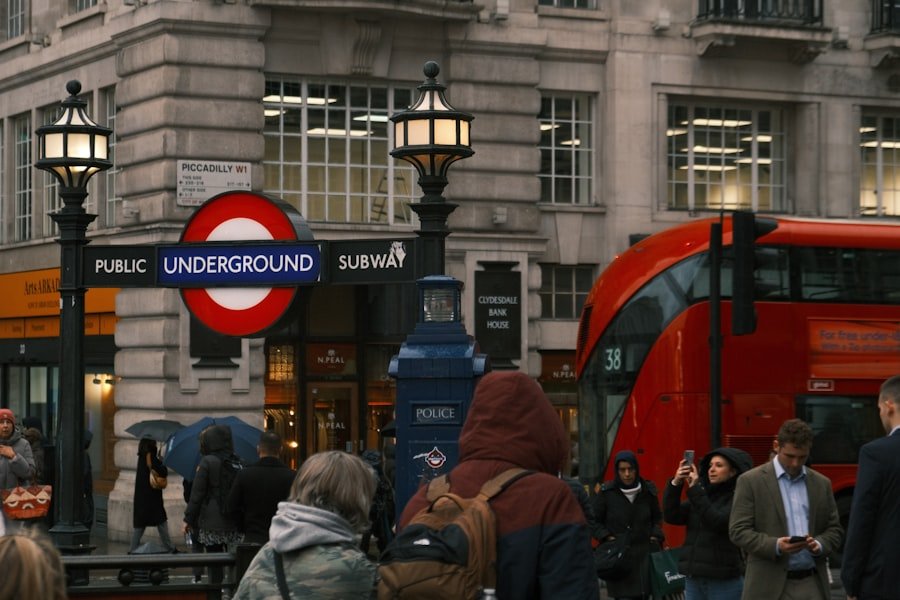
The areas surrounding Elizabeth Line stations are rich with shopping and dining options that cater to diverse tastes and preferences. For instance, near Paddington station lies an array of shops ranging from high-end boutiques to popular chain stores. The nearby Westbourne Grove offers an eclectic mix of independent shops and cafes that provide a perfect pit stop for travelers looking to unwind before continuing their journey.
In addition to shopping opportunities, dining options abound near many stations along the Elizabeth Line. At Liverpool Street station, passengers can indulge in a variety of culinary experiences—from quick bites at food stalls to sit-down meals at renowned restaurants. The area is known for its vibrant food scene that reflects London’s multicultural identity.
Similarly, Farringdon boasts an impressive selection of eateries that cater to all tastes; whether one craves traditional British fare or international cuisine, there is something for everyone within walking distance of the station.
Future developments and expansions of the Elizabeth Line
As London continues to grow and evolve, so too does the vision for expanding the Elizabeth Line’s reach. Future developments aim to enhance connectivity further by extending services beyond current terminus points or integrating additional lines into the network. One potential expansion includes extending services from Reading towards Oxford, which would provide even greater access for commuters traveling between these two important cities.
Moreover, there are discussions about improving connections with other rail networks to facilitate smoother transfers for passengers traveling beyond London. This could involve integrating services with regional rail lines or enhancing links with other major transport hubs such as Gatwick Airport or Stansted Airport. Such developments would not only improve travel efficiency but also contribute positively to London’s economy by attracting more visitors and businesses.
Tips for navigating the Elizabeth Line
Navigating the Elizabeth Line can be straightforward with a few helpful tips in mind. First and foremost, it is advisable for travelers to familiarize themselves with the line’s map before embarking on their journey. Understanding key interchange stations will enable passengers to plan their routes effectively and minimize travel time.
Additionally, utilizing mobile apps that provide real-time updates on train schedules can enhance the travel experience by keeping passengers informed about any delays or changes. Another useful tip is to take advantage of off-peak travel times whenever possible. The Elizabeth Line operates frequent services throughout the day; however, traveling during peak hours may result in crowded trains and longer wait times at stations.
By planning trips during off-peak hours—typically mid-morning or early afternoon—passengers can enjoy a more comfortable journey while also contributing to reduced congestion on public transport. In conclusion, navigating through London’s vibrant landscape has been significantly enhanced by the introduction of the Elizabeth Line. With its rich history rooted in urban development efforts, extensive network of stations connecting key areas across London, modern amenities designed for passenger comfort, proximity to attractions and dining options, future expansion plans aimed at improving connectivity further still—this railway line stands as a testament not only to engineering prowess but also as an essential component shaping how people experience life within one of Europe’s most dynamic cities today.
If you’re looking for more travel inspiration after reading about the Elizabeth Line in London, check out this article on exploring the delightful world of Asian melon. Discover new and exotic fruits to try during your next adventure abroad.
FAQs
What is the Elizabeth Line in London?
The Elizabeth Line is a new railway line that is currently under construction in London. It is part of the Crossrail project and is set to be one of the most significant infrastructure developments in the city.
When will the Elizabeth Line be operational?
The Elizabeth Line is expected to open in stages, with the central section between Paddington and Abbey Wood set to open first. The full line is expected to be operational by 2022.
What are the key features of the Elizabeth Line?
The Elizabeth Line will provide a new east-west railway connection across London, linking Reading and Heathrow in the west to Shenfield and Abbey Wood in the east. It will also provide direct connections to key London airports, including Heathrow and London City Airport.
How will the Elizabeth Line benefit commuters and travelers?
The Elizabeth Line is expected to significantly reduce journey times across London, as well as provide much-needed additional capacity on the city’s transport network. It will also improve connectivity between key business districts and residential areas.
What are some of the key stations on the Elizabeth Line?
Key stations on the Elizabeth Line include Paddington, Bond Street, Liverpool Street, Canary Wharf, and Stratford. These stations will provide important interchanges with other rail and underground lines, as well as access to major shopping and business districts.
How will the Elizabeth Line impact London’s transport network?
The Elizabeth Line is expected to have a transformative impact on London’s transport network, providing a much-needed boost to capacity and connectivity. It is also expected to drive economic growth and regeneration in areas along the route.