The Elizabeth line is one of the fastest and most useful ways to cross London, linking Reading and Heathrow in the west with Shenfield and Abbey Wood in the east through central London. The central section opened on 24 May 2022, and the railway now provides direct connections between major business districts, shopping areas, visitor attractions and Heathrow Airport.
Quick Answer
The Elizabeth line is a high-capacity railway running more than 100 km across London and the South East. It serves 41 stations between Reading and Heathrow in the west and Shenfield and Abbey Wood in the east, with fast central-London connections and up to 24 trains per hour through its busiest core section at peak times.
For visitors, the line is especially useful for journeys involving Heathrow, Paddington, Bond Street, Tottenham Court Road, Farringdon, Liverpool Street, Canary Wharf and Stratford. It also connects with numerous Underground, National Rail, London Overground and DLR services, making many cross-London journeys possible with fewer changes.
Key Takeaways
- The Elizabeth line serves 41 stations across a route of more than 100 km, connecting Reading and Heathrow with central London, Shenfield and Abbey Wood.
- The central Paddington-to-Abbey Wood section opened on 24 May 2022, with through-running introduced later in 2022 and the full peak timetable in May 2023.
- Up to 24 trains per hour operate through the busiest central section during peak periods.
- Heathrow Airport has direct Elizabeth line service, while London City Airport requires an onward DLR connection.
- All 41 stations are step-free from street to platform, although level boarding between platform and train is not available at every station.
- Contactless payment is widely available, but Oyster is not accepted at Elizabeth line stations between Iver and Reading.
History and Development of the Elizabeth Line
The railway was developed under the Crossrail project to create a high-capacity east-west connection through London. The formal start of construction was 15 May 2009, following years of planning, design and enabling work.
A major part of the project involved constructing twin-bore railway tunnels beneath central and east London. The new underground section is about 21 km, or 13 miles, long. Tunnelling was completed in 2015, after which work continued on tracks, signalling, power systems, stations and testing.
The Crossrail railway was announced as the Elizabeth line in February 2016 in honour of Queen Elizabeth II. The name therefore predates the 2018 date sometimes associated with later testing and branding work.
The central section between Paddington and Abbey Wood opened to passengers on 24 May 2022. Bond Street station followed on 24 October 2022. Through-running between the eastern, western and central sections began on 6 November 2022, removing the need for many passengers to change at Paddington or Liverpool Street.
The full peak timetable was introduced on 21 May 2023, increasing service in the central core between Paddington and Whitechapel to as many as 24 trains per hour.
TfL reported 242 million Elizabeth line journeys during 2025/26, with midweek demand regularly exceeding 800,000 journeys per day.
Stations and Route of the Elizabeth Line
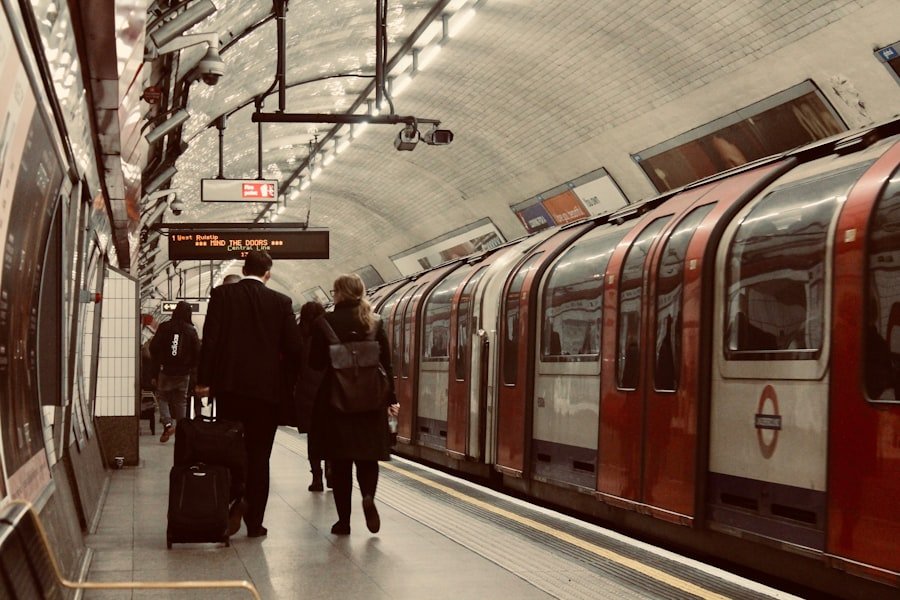
The Elizabeth line serves 41 stations across more than 100 km of railway. Ten major new or substantially rebuilt central-section stations were delivered through the Crossrail project.
In the west, services run toward Reading and Heathrow Airport. Trains then pass through the central section before continuing east toward either Shenfield or Abbey Wood. Not every train serves every outer destination, so always check the destination display before boarding.
The 21 km twin-bore tunnel through central and east London connects important hubs including Paddington, Bond Street, Tottenham Court Road, Farringdon, Liverpool Street, Whitechapel, Canary Wharf, Custom House and Woolwich.
Key Interchange Stations
| Station | Useful Connections |
| Paddington | London Underground, National Rail and Heathrow Express |
| Bond Street | Central and Jubilee lines |
| Tottenham Court Road | Central and Northern lines |
| Farringdon | Thameslink and London Underground |
| Liverpool Street | National Rail, London Underground and connections through the Liverpool Street/Moorgate complex |
| Custom House | DLR, ExCeL London and onward connections toward London City Airport |
| Stratford | London Underground, DLR, London Overground and National Rail |
Farringdon is particularly useful because it connects the Elizabeth line with Thameslink north-south rail services as well as Underground routes. This makes it an important interchange for travelers crossing London in different directions.
Traveling on the Elizabeth Line
Elizabeth line services use Class 345 trains designed for high passenger volumes. The full-length trains have nine walk-through carriages, air conditioning, wide doorways, wheelchair spaces and onboard passenger-information displays.
The trains do not have onboard toilets, so passengers making longer journeys to Reading or other outer stations may want to use station facilities before boarding.
Mobile connectivity has also improved across the underground railway. TfL has progressively introduced 4G and 5G coverage across central Underground and Elizabeth line stations and tunnels, although signal availability can still vary by location and mobile provider.
Note: Elizabeth line trains can be very busy during weekday commuting periods. If your schedule is flexible, traveling outside the busiest morning and evening periods usually gives you more space for luggage and easier boarding.
Accessibility
All 41 Elizabeth line stations provide step-free access from the street to the platform. However, “step-free” does not always mean there is completely level access between the platform and the train.
Stations from Paddington through Woolwich, as well as the Heathrow stations, provide level access between Elizabeth line platforms and trains. At other stations, staff can provide a boarding ramp when needed.
Passengers who need assistance should check current accessibility information using TfL’s accessibility guidance or the TfL Go app before traveling.
Elizabeth Line to Heathrow Airport
The Elizabeth line provides direct rail service between central London and Heathrow Airport. According to Transport for London, six Elizabeth line trains per hour serve Heathrow under the current service pattern.
- All six serve Heathrow Terminals 2 & 3.
- Four trains per hour continue to Terminal 4.
- Two trains per hour serve Terminal 5.
TfL lists the Paddington-to-Heathrow journey at about 28 minutes. Elizabeth line trains are generally cheaper than Heathrow Express for many central-London journeys, although the exact fare depends on your origin, destination and payment method.
Pro Tip: Check which Heathrow terminal your airline uses before boarding. Trains for Terminal 4 and Terminal 5 follow different service patterns, so the first Heathrow-bound train may not be the correct one for your terminal.
Fares, Contactless and Oyster
Most visitors can use pay as you go by touching in and out with the same contactless bank card, phone or other supported contactless device. TfL calculates the appropriate fare from the stations and time of travel.
Oyster is accepted on much of the Elizabeth line, but Oyster cards are not accepted at stations between Iver and Reading. Travelers using the western end of the route should use contactless or an appropriate rail ticket instead.
From 1 March 2026, TfL lists the adult pay-as-you-go Elizabeth line fare between Zone 1 and Heathrow at £15.50. Fares can change, so check the current price using TfL’s pay-as-you-go information before traveling.
Note: Always touch in and out using the same card or device. Using a physical bank card to enter and a phone wallet linked to that card to exit can be treated as two different payment methods.
Attractions and Landmarks Along the Elizabeth Line
The Elizabeth line makes many major London attractions easier to reach because it passes through the West End, the City, Docklands and east London.
Bond Street and Tottenham Court Road
Bond Street is convenient for Oxford Street, Mayfair and nearby West End shopping. Tottenham Court Road provides easy access to Soho, theatre districts and the eastern end of Oxford Street, with many central attractions reachable on foot or by a short Underground journey.
Liverpool Street and Spitalfields
Passengers leaving at Liverpool Street can walk to Old Spitalfields Market and explore Shoreditch, which is known for restaurants, independent businesses, nightlife and street art. The City of London’s historic streets are also nearby.
Farringdon and Smithfield
Farringdon is close to Smithfield and provides convenient access to areas around Clerkenwell and the City. St John’s Gate and other historic sites are within walking distance.
Canary Wharf and Custom House
Canary Wharf provides access to London’s Docklands business district, shopping centres and waterfront spaces. Custom House serves ExCeL London and connects with the DLR.
Greenwich
The Elizabeth line does not stop directly at Greenwich. Visitors heading to the Royal Observatory, Cutty Sark or Greenwich town centre can connect to other rail, DLR or bus services depending on their starting point. Checking TfL Journey Planner before departure is the easiest way to compare routes.
Shopping and Dining Options Near Elizabeth Line Stations
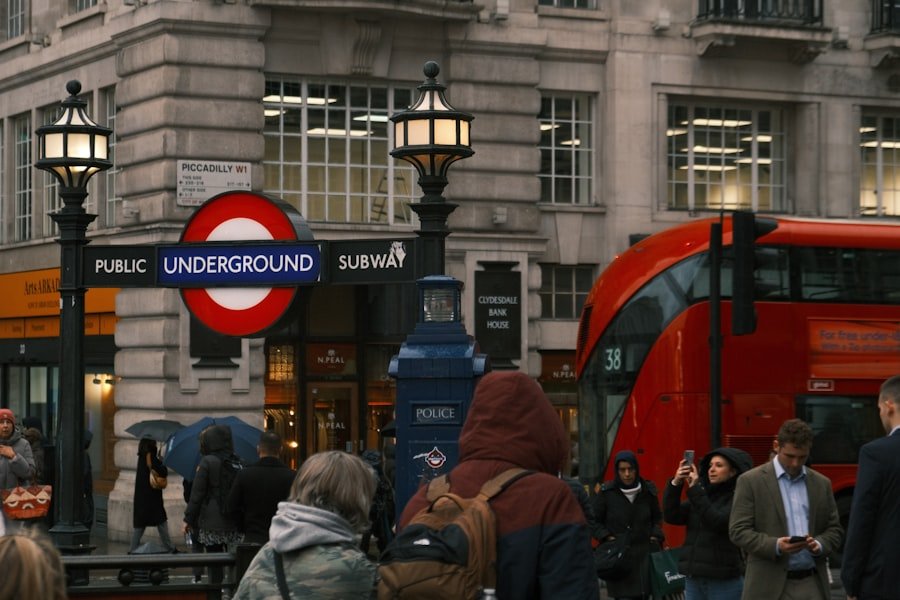
The areas surrounding many Elizabeth line stations offer extensive shopping and dining choices. Paddington provides quick access to Paddington Basin, restaurants and nearby neighborhoods such as Bayswater and Notting Hill.
Bond Street is one of the most useful stops for shoppers because Oxford Street, New Bond Street and Mayfair are close to the station entrances. Tottenham Court Road is convenient for Soho restaurants and the eastern part of Oxford Street.
At Liverpool Street, travelers can choose between restaurants around the station, the City and nearby Spitalfields. The wider Shoreditch area provides an even larger range of independent cafes, bars and international food.
Canary Wharf has several indoor shopping areas and a large concentration of restaurants, making it particularly convenient in rainy weather or for travelers who want food close to the station.
Future Developments and Improvements to the Elizabeth Line
The most important confirmed Elizabeth line developments in 2026 concern additional capacity and service improvements rather than a confirmed extension to Oxford, Gatwick or Stansted.
TfL’s current Elizabeth line improvement programme includes 10 additional Class 345 trains. TfL says the new trains are intended to support growing demand and future service needs, including journeys associated with the planned Old Oak Common interchange. Passenger service with the additional trains is scheduled to begin before the end of 2026.
A new timetable introduced in May 2026 also increased the number of selected morning services stopping at Southall, Hanwell and Acton Main Line, improving west-London connectivity.
Ideas for extending the railway have been discussed separately over the years. For example, TfL confirmed in August 2026 that it holds a 2021 Strategic Outline Business Case concerning a possible extension beyond Abbey Wood toward Ebbsfleet. A strategic business case, however, should not be treated as a confirmed construction programme or passenger opening date.
Tips for Navigating the Elizabeth Line
Check your destination before boarding because Elizabeth line trains divide between different western and eastern branches. A Heathrow-bound train, Reading train or Paddington train may not serve the same stations beyond the central core.
- Use TfL Go or Journey Planner: Check live departures, disruption and interchange options before leaving.
- Look at the destination display: Do not assume every westbound train goes to Heathrow or Reading.
- Plan Heathrow terminals carefully: Terminal 4 and Terminal 5 are served by different trains.
- Travel outside the busiest periods when possible: This can make journeys more comfortable, especially with luggage.
- Keep luggage clear of doors and aisles: Elizabeth line trains are busy and wide doorways are designed for fast boarding.
- Check accessibility before traveling: All stations are step-free to platform level, but some require a boarding ramp to reach the train.
- Use the same payment method: Touch in and out with the same physical card or the same device.
- Use station toilets before long journeys: Class 345 Elizabeth line trains do not contain toilets.
The Elizabeth line has significantly changed cross-London travel by joining major rail corridors with a fast central tunnel, reducing the number of changes required for many journeys and increasing rail capacity through central London. For residents and visitors alike, its greatest advantages are straightforward connections between major stations, Heathrow Airport, the West End, the City and Docklands.
If you’re looking for more travel inspiration after reading about the Elizabeth Line in London, check out this article on exploring the delightful world of Asian melon. This is a separate food-and-culture feature rather than additional Elizabeth line guidance.
Frequently Asked Questions
What is the Elizabeth line in London?
The Elizabeth line is a high-capacity railway linking Reading and Heathrow in the west with Shenfield and Abbey Wood in the east through central London. It was developed through the Crossrail project and serves 41 stations.
When did the Elizabeth line open?
The central section between Paddington and Abbey Wood opened on 24 May 2022. Through-running began on 6 November 2022, and the full peak timetable with up to 24 trains per hour in the central core was introduced on 21 May 2023.
What are the key features of the Elizabeth line?
The railway serves 41 stations over more than 100 km, includes a 21 km twin-bore tunnel through central and east London, uses long air-conditioned walk-through trains and operates up to 24 trains per hour through its busiest central section at peak times.
How does the Elizabeth line benefit commuters and travelers?
It provides faster cross-London journeys, more rail capacity and direct connections between areas that previously required additional changes. It also connects central London directly with Heathrow Airport and major employment centres such as the City and Canary Wharf.
What are some key Elizabeth line stations?
Major stations include Paddington, Bond Street, Tottenham Court Road, Farringdon, Liverpool Street, Whitechapel, Canary Wharf, Custom House, Stratford and Woolwich, along with the outer branches toward Reading, Heathrow, Shenfield and Abbey Wood.
How has the Elizabeth line affected London’s transport network?
TfL says the railway increased central London’s rail capacity by about 10 percent. Demand has grown strongly: the line carried 242 million journeys in 2025/26, and midweek use regularly exceeds 800,000 journeys per day.
Does the Elizabeth line go directly to Heathrow Airport?
Yes. Elizabeth line trains directly serve Heathrow Terminals 2 & 3, Terminal 4 and Terminal 5. TfL currently schedules six Elizabeth line trains per hour to Heathrow, although individual trains serve different terminals.
Can I use Oyster or contactless on the Elizabeth line?
Contactless pay as you go can be used for Elizabeth line journeys across the wider network. Oyster can be used on much of the line but is not accepted at Elizabeth line stations between Iver and Reading.
Does the Elizabeth line go directly to London City Airport?
No. London City Airport does not have an Elizabeth line station. Travelers can use the Elizabeth line as part of the journey and connect to the DLR for London City Airport. Check TfL Journey Planner for the best interchange from your starting point.
Sources
- Transport for London — Getting to and from Heathrow on the Elizabeth line — Heathrow frequencies, terminals, journey times and accessibility.
- Transport for London — Pay as you go — contactless, Oyster and payment restrictions.
- Transport for London — Help from staff — step-free access across the Elizabeth line.
- Transport for London — Improving the Elizabeth line — 2026 timetable changes and additional trains.
- Transport for London — Quarterly Performance Report Q4 2025/26 — current ridership and operational performance.
- Transport for London — Elizabeth line benefits framework — construction timeline, opening and project background.