 Written by:
Emirati cuisine is a rich tapestry woven from the diverse cultural influences that have shaped the United Arab Emirates over centuries. The culinary landscape of the UAE reflects its history as a crossroads of trade, migration, and cultural exchange. The traditional dishes are deeply rooted in the Bedouin lifestyle, which emphasizes the use of locally sourced ingredients and cooking methods that have been passed down through generations.
The cuisine is characterized by its hearty flavors, aromatic spices, and communal dining practices, which foster a sense of togetherness and hospitality. The evolution of Emirati cuisine has been influenced by various cultures, including Persian, Indian, and East African, due to the UAE’s strategic location along ancient trade routes. This blending of culinary traditions has resulted in a unique gastronomic identity that is both traditional and contemporary.
As the UAE continues to modernize and globalize, Emirati cuisine has also adapted, incorporating new techniques and ingredients while still honoring its roots. This dynamic interplay between tradition and innovation makes Emirati cuisine a fascinating subject for exploration.
Key Takeaways
- Emirati cuisine is a reflection of the country’s rich history and diverse cultural influences, with a focus on fresh ingredients and bold flavors.
- Traditional Emirati dishes include favorites like machboos, harees, and luqaimat, which are often enjoyed during special occasions and celebrations.
- Popular Emirati ingredients and spices include dates, saffron, cardamom, and rose water, which add depth and complexity to Emirati dishes.
- Emirati street food and snacks, such as shawarma, falafel, and chebab, offer a convenient and delicious way to experience local flavors on the go.
- Modern Emirati fusion cuisine combines traditional Emirati flavors with international influences, resulting in innovative and exciting dishes.
Traditional Emirati Dishes
At the heart of Emirati cuisine lies a selection of traditional dishes that showcase the region’s culinary heritage. One of the most iconic dishes is Al Harees, a simple yet flavorful preparation made from wheat and meat, typically chicken or lamb. The ingredients are slow-cooked together until they reach a porridge-like consistency, often seasoned with salt and served with ghee.
Al Harees is particularly popular during Ramadan and special occasions, symbolizing unity and sharing among families. Another staple is Majboos, a spiced rice dish that is often compared to biryani but has its own distinct flavor profile. Majboos is made with basmati rice, marinated meat (usually chicken or lamb), and a blend of spices such as saffron, cardamom, and cinnamon.
The dish is cooked in a single pot, allowing the flavors to meld beautifully. It is typically garnished with fried onions and served with a side of yogurt or salad, making it a hearty meal that embodies the essence of Emirati hospitality.
Popular Emirati Ingredients and Spices
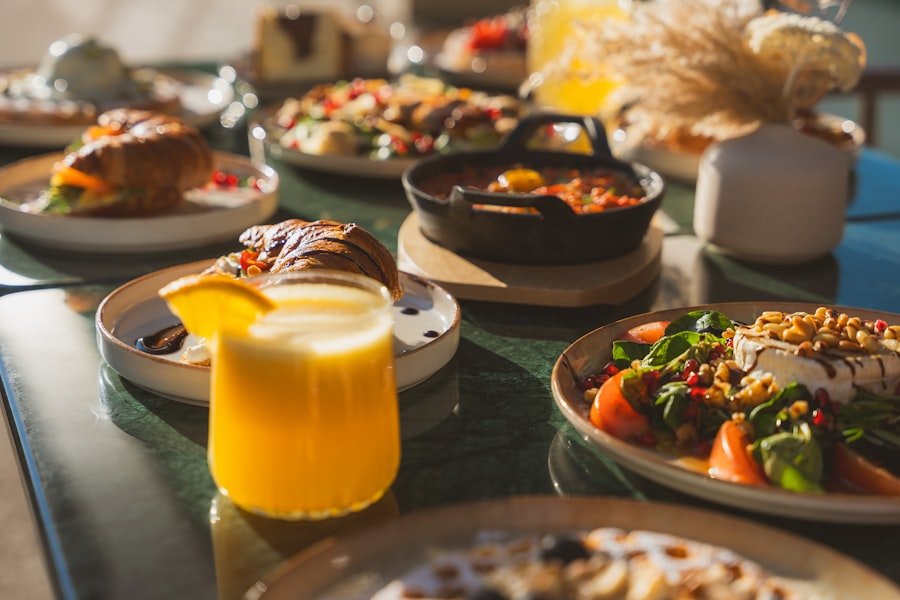
The foundation of Emirati cuisine lies in its use of fresh, local ingredients and aromatic spices that enhance the flavors of each dish. One of the most commonly used ingredients is rice, particularly basmati rice, which serves as a base for many traditional meals. The quality of rice is paramount in Emirati cooking, as it absorbs flavors well and provides a satisfying texture.
Spices play a crucial role in defining the taste of Emirati dishes. Among the most popular spices are cumin, coriander, turmeric, and cardamom. These spices not only add depth to the flavors but also reflect the historical trade connections of the region.
For instance, saffron, which is often used in dishes like Majboos, has been traded in the Middle East for centuries and is prized for its unique flavor and vibrant color. Additionally, dried lime (loomi) is frequently used to impart a tangy flavor to stews and rice dishes, showcasing the ingenuity of Emirati cooks in balancing flavors.
Emirati Street Food and Snacks
Street food in the UAE offers a delightful glimpse into everyday Emirati life, with vendors serving up quick bites that are both delicious and affordable. One popular street food item is Shawarma, which has become synonymous with Middle Eastern cuisine. While Shawarma has origins in Levantine cooking, it has been embraced by Emiratis who have added their own twist to it.
Typically made with marinated meat that is slow-cooked on a vertical rotisserie, Shawarma is served wrapped in pita bread with garlic sauce, pickles, and vegetables. Another beloved snack is Luqaimat, small deep-fried dumplings that are crispy on the outside and soft on the inside. These sweet treats are drizzled with date syrup or honey and often sprinkled with sesame seeds.
Luqaimat are especially popular during Ramadan as they provide a sweet indulgence to break the fast. The preparation of Luqaimat involves a simple batter made from flour, sugar, yeast, and cardamom, showcasing how basic ingredients can be transformed into something extraordinary.
Modern Emirati Fusion Cuisine
As globalization continues to influence culinary practices around the world, Emirati cuisine has not remained untouched by modern trends. Fusion cuisine has emerged as a way to blend traditional Emirati flavors with international culinary techniques and ingredients. Chefs in Dubai and other major cities are experimenting with innovative dishes that pay homage to their heritage while appealing to contemporary palates.
For example, one might find dishes like saffron-infused risotto topped with grilled prawns marinated in traditional spices or gourmet burgers featuring spiced lamb patties served with tahini sauce. These modern interpretations not only highlight the versatility of Emirati ingredients but also attract a diverse audience eager to experience the flavors of the UAE in new forms. This culinary evolution reflects a broader trend where chefs are encouraged to think outside the box while still respecting their cultural roots.
Emirati Desserts and Sweets
Desserts hold a special place in Emirati cuisine, often served during celebrations and gatherings as symbols of hospitality and generosity. One of the most cherished sweets is Baklava, layers of flaky pastry filled with nuts and sweetened with honey or syrup. While Baklava has its origins in Ottoman cuisine, it has been embraced by Emiratis who have added their own local flavors through the use of cardamom and rosewater.
Another traditional dessert is Knafeh, a sweet cheese pastry soaked in syrup and topped with crushed pistachios. This dish exemplifies the balance between sweetness and richness that characterizes many Emirati desserts. Additionally, dates play an integral role in Emirati sweets; they are often stuffed with nuts or rolled in coconut for an indulgent treat that reflects the region’s agricultural heritage.
The use of dates not only highlights their nutritional value but also their cultural significance as a symbol of hospitality.
Emirati Beverages and Drinks
Beverages are an essential part of Emirati dining culture, providing refreshment and complementing meals. One of the most popular drinks is Arabic coffee (Gahwa), which is traditionally served in small cups alongside dates as a gesture of hospitality. The coffee is lightly roasted and flavored with cardamom, resulting in a fragrant beverage that embodies the warmth of Emirati culture.
Another refreshing drink is Qamar al-Din, made from dried apricot puree mixed with water or juice. This drink is particularly popular during Ramadan as it provides hydration after fasting. Additionally, fresh juices made from local fruits such as pomegranates or lemons are widely enjoyed throughout the year.
These beverages not only quench thirst but also reflect the UAE’s agricultural bounty and commitment to using fresh ingredients.
Where to Experience Emirati Cuisine in Dubai
Dubai offers an array of dining options for those eager to explore authentic Emirati cuisine. One notable establishment is Al Fanar Restaurant & Cafe, which aims to recreate the ambiance of Dubai in the 1960s while serving traditional dishes like Al Harees and Majboos. The restaurant’s decor features vintage photographs and artifacts that transport diners back in time while they savor classic flavors.
For those seeking a more modern twist on Emirati cuisine, Zuma Dubai presents an innovative dining experience that combines Japanese influences with local ingredients. While not strictly traditional, Zuma’s menu features dishes that incorporate Emirati flavors into contemporary presentations, appealing to both locals and tourists alike. Additionally, food festivals such as Taste of Dubai often showcase local chefs who highlight traditional dishes alongside modern interpretations.
These events provide an excellent opportunity for visitors to sample a variety of flavors while learning about the cultural significance behind each dish. In conclusion, experiencing Emirati cuisine in Dubai offers not just a meal but an exploration of history, culture, and community through food. Whether indulging in street snacks or dining at upscale restaurants, each bite tells a story that connects diners to the rich heritage of the UAE.
If you’re looking to explore the diverse culinary scene in Dubai, be sure to check out this article on Exploring the Delightful World of Asian Melon. While Emirati cuisine offers a unique blend of flavors and influences, it’s always interesting to discover new ingredients and dishes from around the world. Whether you’re a foodie or just looking to try something different, this article is sure to inspire your next culinary adventure in Dubai.
FAQs
What is Emirati cuisine?
Emirati cuisine refers to the traditional food and cooking style of the United Arab Emirates. It is a blend of Middle Eastern and Asian influences, with an emphasis on spices, rice, and meat.
What are some popular dishes in Emirati cuisine?
Some popular dishes in Emirati cuisine include Machboos (spiced meat and rice), Harees (wheat and meat porridge), and Luqaimat (sweet dumplings). Seafood dishes are also common due to the UAE’s coastal location.
What are some must-try Emirati dishes in Dubai?
When in Dubai, visitors should try dishes such as Al Harees, a slow-cooked wheat and meat dish, and Al Machboos, a spiced meat and rice dish. Additionally, Luqaimat, sweet dumplings served with date syrup, is a popular dessert to try.
What are the key ingredients used in Emirati cuisine?
Key ingredients in Emirati cuisine include rice, meat (especially lamb and chicken), fish, and a variety of spices such as saffron, cardamom, and cinnamon. Dates and dairy products are also commonly used in Emirati dishes.
Where can I find Emirati cuisine in Dubai?
Emirati cuisine can be found in traditional Emirati restaurants, as well as in some luxury hotels and resorts in Dubai. Visitors can also explore local markets and food festivals to sample authentic Emirati dishes.

Leave a Reply