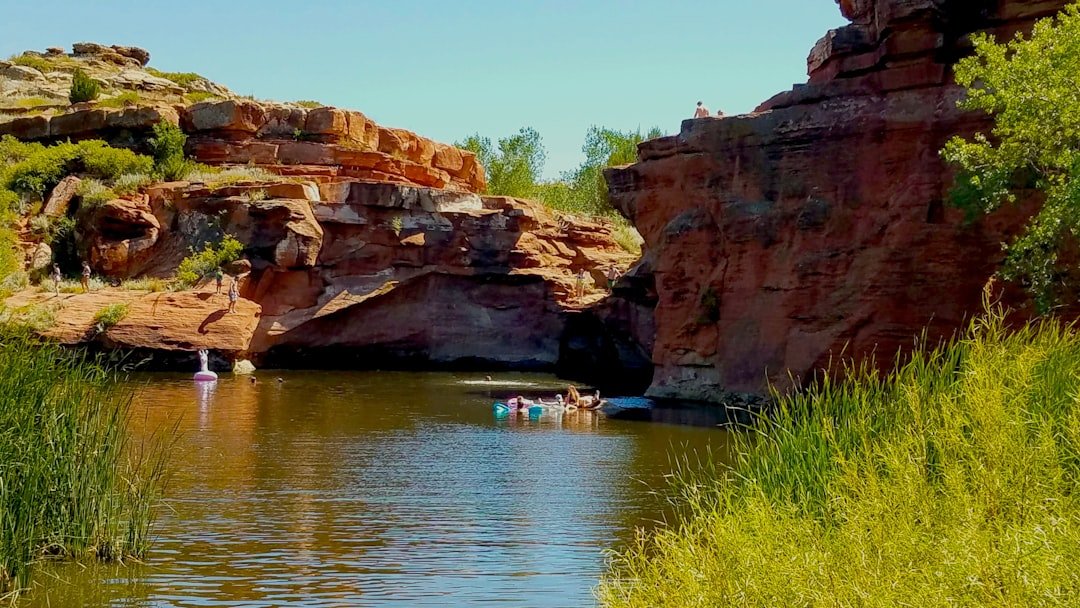
What you pack for Alabama depends on the season and what you plan to do. Summer trips call for sun protection, breathable clothing, rain protection, and plenty of drinking water, while cooler months require more layers. Beach days, hikes, camping trips, city sightseeing, and road trips also need different gear, so use this Alabama packing list as a flexible starting point rather than packing the same suitcase year-round.
Quick Answer
For Alabama, pack breathable clothing, a light rain jacket, broad-spectrum sunscreen, insect repellent, comfortable shoes, a wide-brimmed hat, UV-protective sunglasses, and a reusable water bottle. Add swimwear for Gulf Coast or lake days, activity-specific gear for hiking or camping, and light-to-warm layers for cooler fall and winter weather.
Key Takeaways
- Pack broad-spectrum sunscreen and reapply it as directed, especially during long outdoor days or water activities.
- Bring an effective insect repellent for mosquitoes and other biting insects, particularly when spending time outdoors.
- Choose lightweight, breathable clothing for Alabama’s warm months, but bring layers when traveling in fall or winter.
- Comfortable walking or trail shoes are essential if your plans include cities, parks, beaches, or hiking.
- A wide-brimmed hat and UV-protective sunglasses add important protection during sunny outdoor activities.
- Check the forecast shortly before departure because heat, thunderstorms, rain, and cooler conditions can change what you need.
Sunscreen
Pack enough sunscreen for the amount of time you expect to spend outdoors. The U.S. Food and Drug Administration recommends using broad-spectrum sunscreen as directed and reapplying it at least every two hours, or more often when swimming or sweating. An average-size person needs about one ounce, roughly enough to fill a shot glass, to cover the exposed body evenly.
If swimming, boating, or sweating heavily, choose a product labeled water resistant and follow the time stated on the label. Water-resistant sunscreens are generally labeled for 40 or 80 minutes of swimming or sweating; no sunscreen is truly waterproof. See the FDA’s sunscreen and sun-safety guidance for current recommendations.
Do not assume cloudy weather means you can skip sun protection. Clouds can reduce ultraviolet exposure, but they do not eliminate it. The EPA UV Index guidance explains that meaningful UV radiation can still reach the ground under cloud cover.
Pro Tip: Keep sunscreen somewhere cool and shaded rather than leaving it exposed to direct sun for hours. Reapply to easily forgotten areas such as ears, the back of the neck, hands, and tops of the feet.
Bug Spray
Alabama’s warm-season conditions can mean plenty of mosquito activity, so insect repellent is a useful addition to an Alabama packing list, especially for hiking, camping, fishing, or spending evenings outdoors. Some mosquitoes can spread disease, which makes bite prevention more than a comfort issue.
The CDC recommends EPA-registered insect repellents containing active ingredients such as DEET, picaridin, IR3535, oil of lemon eucalyptus, para-menthane-diol, or 2-undecanone. Follow the product label carefully.
Apply repellent to exposed skin and clothing according to the instructions. Avoid spraying repellent directly onto your face; apply it to your hands first and then carefully spread it on the face while avoiding the eyes and mouth. Loose-fitting long sleeves and pants can provide additional protection.
Permethrin-treated clothing and gear can also help protect against mosquitoes and ticks. Permethrin products intended for clothing or equipment should not be applied directly to skin. Light-colored clothing can feel more comfortable in strong sun, but do not rely on clothing color alone as insect protection.
Lightweight Clothing
During Alabama’s warmer months, pack lightweight and breathable clothes that allow heat to escape. Cotton and linen can feel comfortable for casual sightseeing, while quick-drying or moisture-managing synthetic fabrics are often more practical for hiking and other strenuous activities.
Loose-fitting garments generally provide better airflow than very tight clothes. Light colors can also be more comfortable in direct sun. A useful warm-weather mix includes short-sleeved shirts, lightweight long-sleeved sun shirts, shorts, lightweight pants, undergarments, and a change of dry clothes if you expect to get wet.
Alabama is not hot all year. NOAA’s Alabama State Climate Summary describes relatively mild winters, hot summers, and year-round precipitation, with colder winter conditions generally more noticeable in northern Alabama than along the Gulf Coast. Check your destination and travel dates before deciding how many warm layers to pack.
Comfortable Shoes
Whether you’re hiking in northern Alabama, walking through a city, or spending time along the Gulf Coast, comfortable footwear is one of the most useful items you can bring. Choose shoes that match the terrain rather than trying to use one pair for every activity.
| Shoe Type | Features |
|---|---|
| Hiking Boots | Good arch support, cushioning, stable fit, durable outsole |
| Trail Running Shoes | Lightweight construction, good traction, breathable upper |
| Sandals | Comfortable straps, supportive footbed, water-friendly design when needed |
| Walking Shoes | Cushioning, breathable upper, supportive midsole |
If you plan to hike, trail shoes or hiking boots with dependable traction and stability are preferable on uneven ground. Merrell and Salomon are examples of brands that sell trail footwear, but fit, grip, support, and comfort matter more than the logo on the shoe.
For urban sightseeing, comfortable sneakers or walking shoes are usually enough. Break in unfamiliar shoes before your trip whenever possible to reduce the chance of blisters and sore feet.
Wide-Brimmed Hat
A wide-brimmed hat helps shade your face, ears, and neck during long periods outdoors. It can be particularly useful while hiking, fishing, boating, sightseeing, or spending the day at the beach.
Choose a lightweight, breathable design that stays secure in the wind. Straw hats can work for casual beach use, while quick-drying or moisture-managing outdoor hats are often better for active days. Some travel hats are made with sun-protective fabric, which can provide another layer of coverage.
A hat can also help keep sweat out of your eyes and make strong sunshine more comfortable, but it should complement rather than replace sunscreen, shade, and appropriate clothing.
Sunglasses
Protect your eyes with sunglasses that clearly state UV400 or 100% UV protection on the label. The FDA notes that these markings provide strong protection from UVA and UVB radiation. Dark tint by itself does not prove that sunglasses provide adequate UV protection.
Polarized lenses can reduce glare from reflective surfaces such as water and sand, which can make them useful for beaches, boating, fishing, and driving. Polarization and UV protection are separate features, so check the label rather than assuming polarized glasses automatically offer adequate UV protection.
Wraparound frames can reduce light entering from the sides, while impact-resistant lenses may be useful for active outdoor pursuits. Choose a secure and comfortable fit that you will actually wear throughout the day.
Swimsuit and Water Gear
With Gulf Coast beaches, lakes, and rivers, Alabama offers many opportunities for swimming and other water activities. Pack a swimsuit if your itinerary includes places such as Gulf State Park, Lake Martin, a hotel pool, or another swimming destination.
A practical Alabama water-day kit includes a swimsuit, cover-up, towel, sunscreen, sunglasses, hat, drinking water, and water-friendly footwear appropriate for the location.
Choose swimwear that is comfortable for the activity you have planned. A cover-up makes it easier to move between swimming areas and nearby restaurants or facilities. A quick-dry towel can also be convenient because it dries faster and is often easier to pack than a bulky traditional beach towel.
For a full beach day, consider adding sandals or water shoes, a beach bag, dry bag or waterproof phone pouch, and some form of shade if permitted at your destination.
Rain Jacket
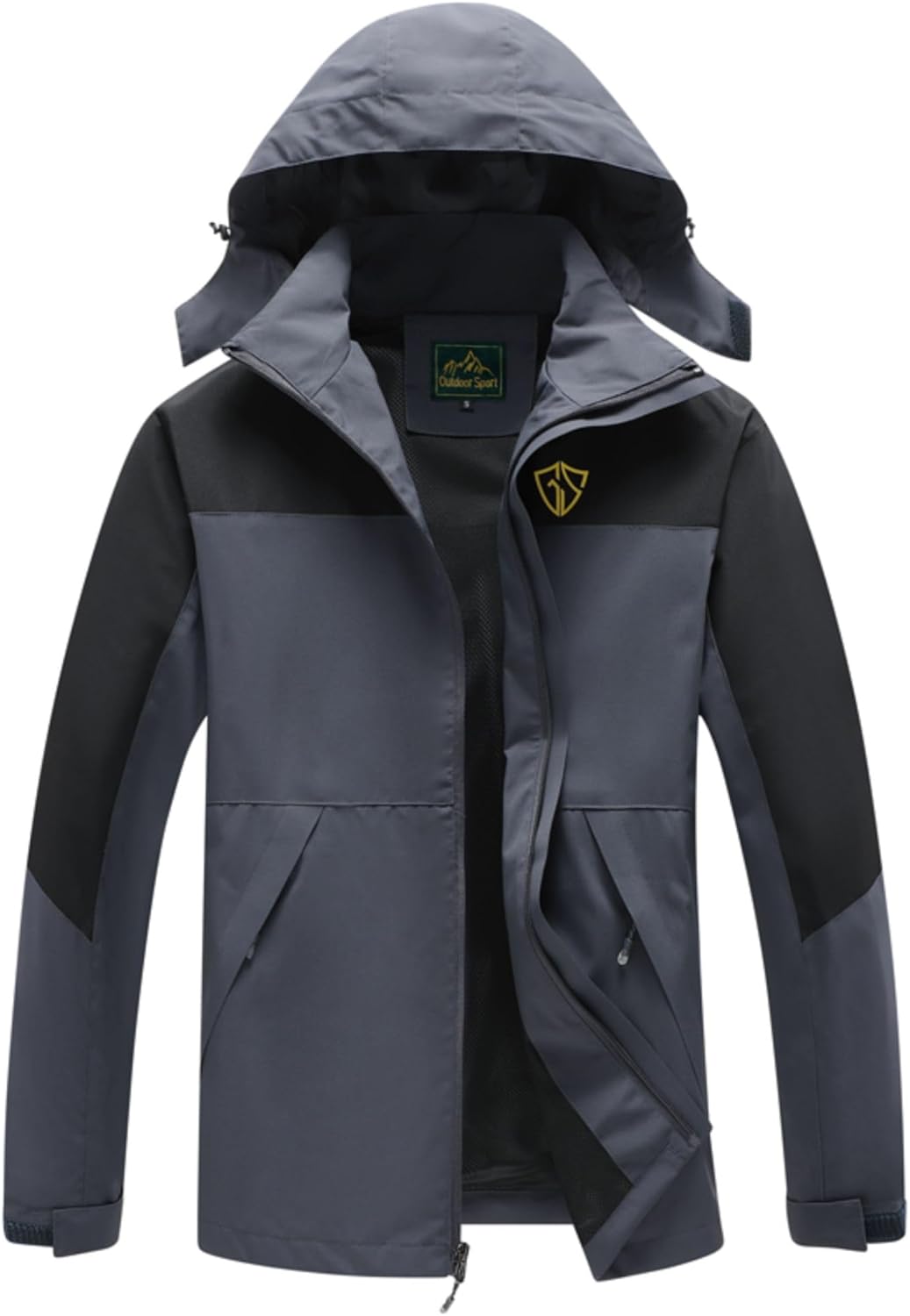
Rain can occur throughout the year in Alabama, and warm-season thunderstorms can develop quickly. A lightweight waterproof rain jacket is therefore more versatile than relying only on an umbrella, particularly when hiking or spending long periods outside.
Look for a rain shell with an adjustable hood and cuffs so you can reduce wind-driven rain. Breathable construction, ventilation zippers, or a mesh lining can make a jacket more comfortable in warm and humid conditions.
Note: Check the local forecast shortly before leaving your hotel or campsite. A rain jacket helps with rain, but it is not protection from lightning or severe thunderstorms.
Reusable Water Bottle
Staying hydrated matters during hot and humid weather, especially when hiking, walking, sightseeing, or spending hours at the beach. Pack a reusable water bottle that is easy to refill throughout the day.
Instead of relying on a fixed rule such as exactly 64 ounces per day, adjust your intake for temperature, exertion, individual health needs, and how long you are outside. The CDC’s heat-safety guidance advises drinking more water than usual during heat and not waiting until you feel thirsty. People whose doctors restrict fluid intake should follow individualized medical advice.
An insulated bottle can keep drinking water cooler during long outings. If you are hiking or camping away from treated water, however, do not assume a bottle with a basic built-in filter makes lake, stream, or river water safe.
Warning: Untreated natural water can contain bacteria, parasites, and viruses even when it looks clean. CDC guidance says boiling is the most reliable treatment for germs; when boiling is not practical, filtration followed by appropriate disinfection may be needed depending on the system and contaminant. Review CDC backcountry water-treatment guidance before relying on natural water.
Using a reusable bottle can also reduce the number of single-use plastic bottles you need during a trip.
Camera and Electronics
Pack a camera if photography is an important part of your trip. A dedicated camera can be useful for landscapes and wildlife, but a modern smartphone is enough for many travelers and is much easier to carry during long walks.
Think about the balance between image quality and weight. A lightweight point-and-shoot or phone works well for casual sightseeing, while photographers may prefer a camera with interchangeable lenses for landscapes, wildlife, or low-light scenes.
Bring the supporting equipment you actually need, such as a charger, charging cable, spare battery, memory card, and portable power bank. Nothing ends a day of photography faster than an empty battery or full storage card just as a sunset over Mobile Bay appears.
What to Pack for Alabama by Season
Alabama’s climate changes enough through the year that one packing list does not work equally well for every trip. Destination also matters because northern Alabama and the Gulf Coast can feel quite different during the same season.
| Season | Useful Packing Priorities |
|---|---|
| Spring | Light layers, rain jacket, closed-toe walking shoes, sunscreen, insect repellent, weather access |
| Summer | Breathable clothing, sunscreen, hat, sunglasses, insect repellent, rain shell, reusable water bottle, swimwear |
| Fall | Short sleeves plus light layers, comfortable shoes, rain protection, sunscreen, light jacket for cooler periods |
| Winter | Long pants, sweaters or fleece, medium jacket, closed shoes, rain protection, warmer layers for northern Alabama as conditions require |
Always check the actual forecast a few days before departure rather than relying only on seasonal averages. That final forecast should determine whether you add warmer layers, additional rain protection, or extra hot-weather supplies.
Everyday Travel Essentials
Weather-specific gear gets most of the attention, but basic travel essentials can be just as important. Before closing your suitcase, check that you have the items required for transportation, accommodations, medication, communication, and daily comfort.
- Identification and travel documents: driver’s license or other required ID, reservations, and any tickets you need.
- Prescription medication: enough for the trip, preferably in clearly identified containers.
- Phone and chargers: include the correct charging cable and a portable power bank for long sightseeing days.
- Personal toiletries: toothbrush, toothpaste, deodorant, and other daily items.
- Small first-aid kit: useful for minor cuts, scrapes, and blisters during active trips.
- Reusable bag or daypack: useful for water, sunscreen, rain gear, camera equipment, and snacks.
- Weather access: keep a reliable weather app or other forecast source available, especially for outdoor itineraries.
Extra Gear for Hiking and Camping
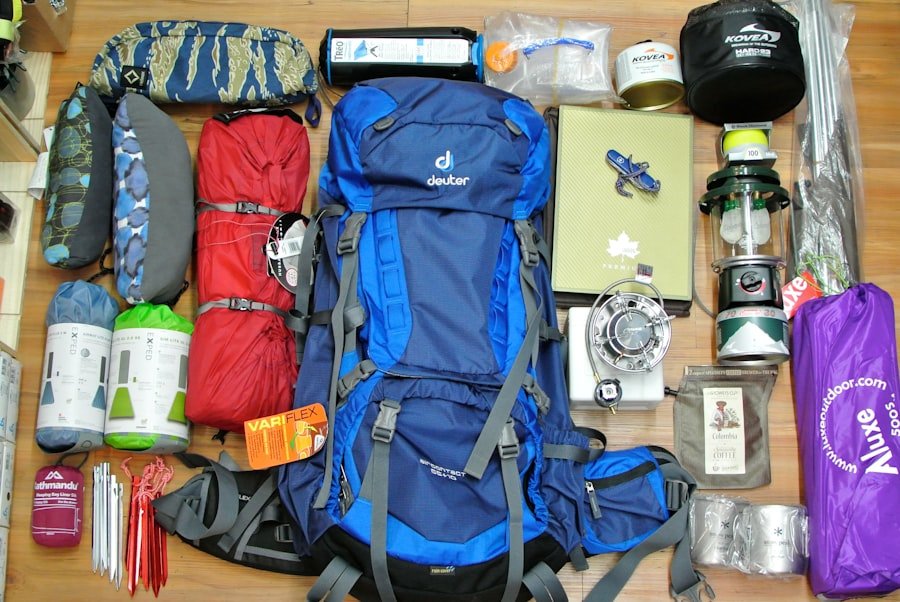
If your Alabama trip includes hiking or camping, add equipment based on the distance, terrain, weather, and remoteness of the route. For a short maintained trail, a full backpacking setup may be unnecessary; for remote or overnight travel, your needs increase considerably.
- Trail shoes or hiking boots with suitable traction
- Comfortable daypack or backpack
- Reusable water bottle plus adequate treated drinking water
- Offline map or navigation backup
- Headlamp or flashlight
- Compact first-aid supplies
- Sun protection and insect repellent
- Rain shell
- Food and snacks appropriate for the outing
- Tent and sleeping bag for camping when required
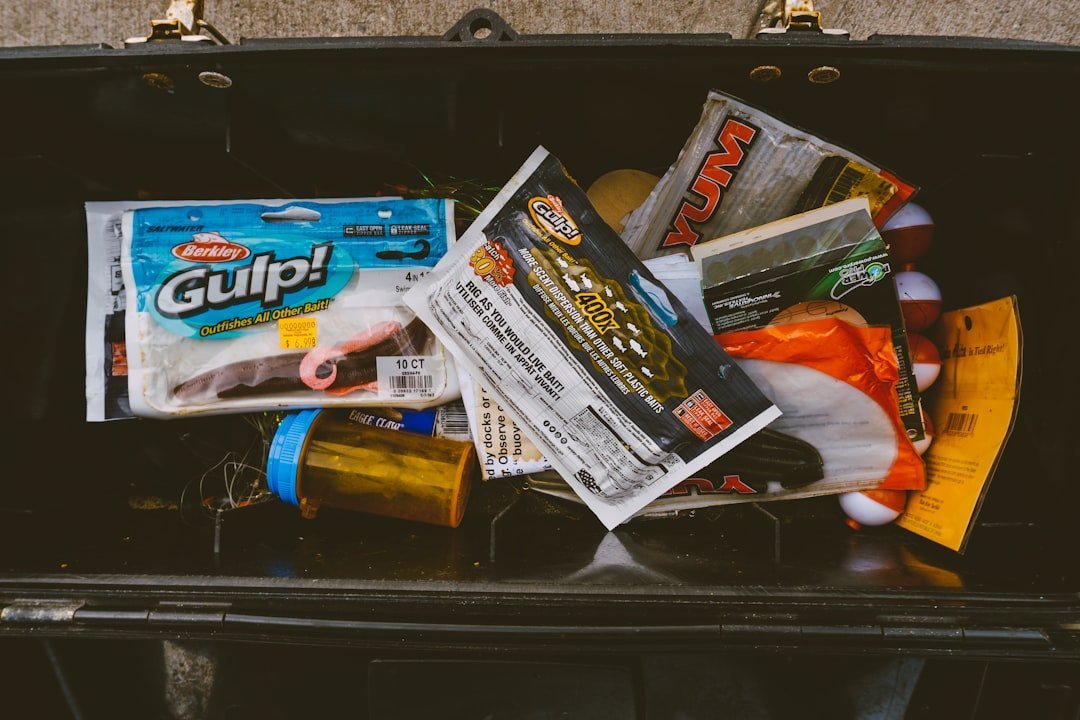
- Fishing equipment if fishing is part of your plans
If you intend to collect drinking water from a natural source, carry a treatment system appropriate for the organisms you may encounter and understand how to use it before leaving home.
Extra Gear for an Alabama Beach Trip
A beach visit calls for more than a swimsuit. Packing the small comfort items before you leave can prevent an unnecessary shopping trip after arrival.
- Swimsuit and optional spare swimsuit
- Beach towel or quick-dry towel
- Cover-up or lightweight change of clothes
- Broad-spectrum sunscreen
- Wide-brimmed hat
- UV-protective sunglasses
- Sandals or water-friendly footwear
- Reusable water bottle
- Beach bag or dry bag
- Umbrella or other permitted portable shade if needed
Water and sand can increase glare, so sunglasses, a hat, and sunscreen are especially useful for long beach days.
Extra Gear for an Alabama Road Trip
For a road trip through Alabama, keep essential items in the cabin where they are easy to reach instead of burying everything in luggage.
- Phone with navigation or GPS
- Car charging cable and compatible charger
- Reusable drinking water
- Snacks
- Basic first-aid kit
- Sunglasses
- Rain jacket or compact umbrella
- Downloaded music, audiobooks, podcasts, or games for passengers
- Any medication needed during the driving day
- A backup navigation option for areas with weak mobile service
Before a long drive, make sure the vehicle itself is suitable for the trip and check the weather along the route, not just at your final destination.
Food and Simple Travel Meals
If your accommodations include a refrigerator or kitchen, simple groceries can help with breakfasts, snacks, or meals between sightseeing days. Packing a few reusable food containers can also make road-trip snacks easier to organize.
If you’re interested in preparing an easy meal during a longer stay, you can also use this recipe for delicious homemade cottage cheese. It can be prepared in a rental kitchen when you want something simple instead of eating every meal out.
Frequently Asked Questions
What should I pack for a trip to Alabama?
For most trips, bring comfortable walking shoes, season-appropriate clothing, a rain jacket, sunscreen, sunglasses, a hat, insect repellent, a reusable water bottle, toiletries, medication, identification, and phone chargers. Add swimwear, hiking equipment, or other activity-specific gear based on your plans.
Do I need to pack specific items for outdoor activities in Alabama?
Yes. Hiking and camping may require trail shoes or boots, a backpack, adequate treated drinking water, navigation, rain protection, insect repellent, sun protection, a small first-aid kit, and a headlamp. Overnight camping can also require a tent, sleeping bag, food equipment, and other campsite supplies.
Are there cultural or historical sites in Alabama that I should pack for?
Sites such as museums, memorials, historic districts, and the USS Alabama Battleship Memorial Park can involve substantial walking, so comfortable shoes are useful. Bring a camera or phone if you want photos, plus clothing appropriate for the weather and any venue-specific expectations.
What should I pack for an Alabama beach trip?
Pack a swimsuit, towel, cover-up, sunscreen, UV-protective sunglasses, a wide-brimmed hat, water, sandals or water-friendly footwear, and a beach bag. A portable shade option may also be useful where local rules allow it.
What are essential items for a road trip through Alabama?
Bring navigation, a phone charger, water, snacks, a first-aid kit, sunglasses, weather protection, necessary medications, and entertainment such as downloaded music or audiobooks. A backup navigation method can also help if mobile service becomes unreliable.
What should I wear in Alabama during summer?
Choose loose, lightweight, breathable clothing and comfortable shoes. Add sunscreen, sunglasses, a brimmed hat, insect repellent, a reusable water bottle, and a lightweight rain shell. Check the heat and thunderstorm forecast before long outdoor activities.
What should I pack for Alabama in winter?
Pack long pants, closed shoes, sweaters or fleece, and a jacket, then adjust the weight of your layers to the forecast. Northern Alabama can experience colder winter conditions than the Gulf Coast, so check the specific city rather than assuming one winter outfit works statewide.
Can I drink stream or lake water through a portable filter?
Do not assume that a basic portable filter makes natural water safe. Different filters remove different organisms, and many do not remove viruses or all bacteria. CDC guidance recommends boiling when practical or using an appropriate combination of filtration and disinfection when water safety is uncertain.
Sources
- U.S. Food and Drug Administration: Sunscreen and Sunglasses — sunscreen application, reapplication, water resistance, and UV-protective eyewear.
- U.S. Environmental Protection Agency: UV Index — UV exposure and the effect of cloud cover.
- Centers for Disease Control and Prevention: Preventing Mosquito Bites — recommended repellent ingredients, protective clothing, and permethrin-treated gear.
- Centers for Disease Control and Prevention: Heat and Athletes — hydration and hot-weather activity guidance.
- Centers for Disease Control and Prevention: Water Treatment While Hiking and Camping — filtering, disinfecting, and boiling untreated water.
- NOAA/NCEI Alabama State Climate Summary — Alabama’s seasonal temperatures and year-round precipitation patterns.