Quick Answer
Choose Çemberlitaş Hamamı for a classic Mimar Sinan bath near the Grand Bazaar, Hürrem Sultan Hamamı for a luxury Sultanahmet setting, and Kılıç Ali Paşa Hamamı for a polished historic ritual in Tophane. Cağaloğlu Hamamı suits visitors who want 18th-century grandeur. The best hammam in Istanbul depends on budget, location, privacy, and treatment style.
Last checked: October 1, 2026. Dates and figures were verified against official sources.
Key Takeaways
- Historic hammams vary widely: some run separate men’s and women’s sections, while others use separate time slots.
- A classic ritual usually includes warming on heated marble, a kese exfoliation, a soap-foam wash, rinsing, and rest.
- Published 2026 prices among the four baths below range from a basic ₺3,200 entrance at Çemberlitaş to luxury packages priced in euros at other venues.
- Massage is not automatically included in every hammam package, so compare the treatment contents rather than the package name alone.
- Heat can cause dehydration or dizziness, so hydrate, leave the hot room if you feel unwell, and ask a clinician first if heat exposure may be risky for you.
Why Istanbul Hammams Are Part of the City’s History
Public bathing in Istanbul developed from earlier Roman and Byzantine traditions, then took on a distinct form under the Ottomans. Hammams became places for washing, socializing, ceremonies, and community life as well as architectural showpieces.
Several baths still operating today are closely tied to major Ottoman architects and patrons. The official history of Hürrem Sultan Hamamı says Mimar Sinan designed it for Hürrem Sultan in 1556–1557, between Hagia Sophia and the Blue Mosque. Çemberlitaş Hamamı was completed in 1584 and is also associated with Sinan.
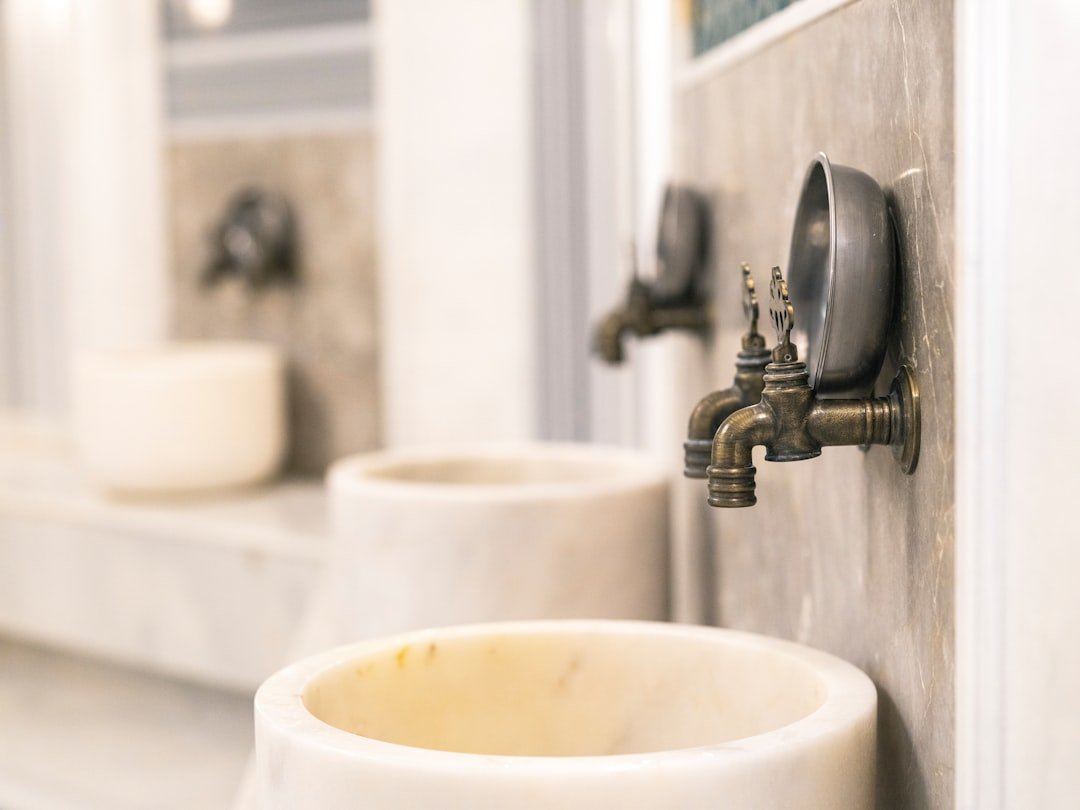
The architecture helps explain the experience. A traditional hammam usually has changing and cooling spaces, warmer transition rooms, marble water basins called kurnas, and a hot room centered on a heated marble platform called the göbek taşı.
What Are the Benefits of a Hammam for Body and Mind?
The most dependable benefits are simple: warmth, washing, exfoliation, relaxation, and time away from daily distractions. Heat can make muscles feel looser, while a kese scrub removes surface dead skin and leaves the skin feeling smoother.
A hammam should not be treated as a medical “detox.” Cleveland Clinic’s explanation of sweating notes that sweating mainly helps regulate body temperature and is not proven to purify the body of high levels of toxins.
Heat also deserves respect. The CDC’s heat-health guidance lists dizziness, weakness, headache, nausea, and shortness of breath among warning signs of overheating and stresses hydration.
Note: If you are pregnant, have heart or blood-pressure problems, take medicines that affect heat tolerance, or have another condition that can worsen with heat, ask a qualified clinician whether a hot-room hammam is appropriate for you.
What Happens During a Traditional Hammam Experience?
A traditional hammam is a sequence rather than a single steam-room session. Exact service order varies by venue, but the core ritual centers on warming the body, exfoliating with a kese, washing with soap foam, rinsing, and cooling down.
- Check in and change. You usually change in a locker area and wrap yourself in a peştamal, the traditional hammam cloth. Policies on swimwear or underwear differ by bath.
- Warm up. You enter the hot room, often called the hararet or sıcaklık, and rest on or near the heated marble. This softens the outer layer of skin and prepares you for the scrub.
- Have the kese scrub. An attendant uses a textured mitt to exfoliate the body. The pressure can feel vigorous, so tell the attendant if you want a gentler touch.
- Receive the foam wash. Soap foam is worked over the body before you are rinsed with water from the marble basins.
- Add a massage if booked. Oil, aromatherapy, foot, or other massage treatments are often separate add-ons rather than part of the basic hammam ritual.
- Cool down and rehydrate. After washing, you move to a cooler rest area, dry off, drink water or a provided beverage, and let your body temperature settle.
Kılıç Ali Paşa Hamamı, for example, says guests spend about 15–20 minutes warming on the marble before the scrub. Its hammam-culture guide also advises keeping the waist covered and says it supplies peştamals, towels, slippers, and shampoo.
Four of the Best Hammams in Istanbul
These four historic baths are useful starting points because their official sites publish clear information about services, opening arrangements, or prices. The “best for” column is a practical match based on location, architecture, and service format rather than a live review-score ranking.
| Hammam | Area | Best for | Published rate checked Oct. 1, 2026 |
|---|---|---|---|
| Çemberlitaş Hamamı | Çemberlitaş / Old City | Classic historic bath near the Grand Bazaar | ₺3,200 entrance; ₺4,050 scrub + foam |
| Hürrem Sultan Hamamı | Sultanahmet | Luxury setting between Hagia Sophia and the Blue Mosque | Pir-ü Pak: €110 / 45 minutes |
| Cağaloğlu Hamamı | Eminönü / Old City | 18th-century atmosphere and separate male/female sections | İstanbul Dream: €95 |
| Kılıç Ali Paşa Hamamı | Tophane / Karaköy | A polished traditional ritual in a restored Sinan-era bath | Traditional Hamam Ritual: ₺4,700 |
Çemberlitaş Hamamı: Completed in 1584, it is a practical choice if you want a historic bath near the Grand Bazaar with a lower-priced basic entry option before adding treatments. Its official prices page lists daily hours of 06:00–00:00, separate men’s and women’s sections, and current package contents.
Hürrem Sultan Hamamı: This is the strongest fit for travelers who want a more luxurious experience in the heart of Sultanahmet. The official Hürrem Sultan Hamamı site lists daily hours of 08:00–22:00 and published rituals from €110 for 45 minutes to €300 for 110 minutes.
Cağaloğlu Hamamı: Built in 1741, this Old City bath has separate sections for male and female guests and does not offer a couples service in the same bathing section. The official Cağaloğlu Hamamı site lists the İstanbul Dream at €95 and hours of 09:00–22:00 Monday–Thursday and 09:00–23:00 Friday–Sunday.
Kılıç Ali Paşa Hamamı: This Tophane bath is a strong option if you are staying around Karaköy, Galata, or the waterfront and want a clearly structured traditional service. The official reservation page lists the Traditional Hamam Ritual at ₺4,700 and recommends booking ahead.
What Should You Expect at a Luxury Hammam?
A luxury hammam keeps the basic ritual but adds more time, more personal service, premium products, or extra treatments. The important comparison is not the package name but what the price actually includes.
At Hürrem Sultan Hamamı, the published menu ranges from a 45-minute Pir-ü Pak ritual to longer 60-, 80-, and 110-minute options. Cağaloğlu lists several tiers that add massage or other treatments. A higher price does not always mean a longer traditional scrub, so read the included services before choosing.
Luxury venues may also provide polished changing rooms, lounge areas, beverages, massage rooms, and more elaborate presentation. Those comforts can matter if you want a special-occasion spa visit rather than the simplest traditional wash-and-scrub experience.
What Types of Hammam Treatments Are Available?
The classic treatment is a kese scrub followed by a soap-foam wash, but many Istanbul hammams sell additional massage and body-care services. These extras vary by venue, so a “hammam package” can mean very different things from one bath to another.
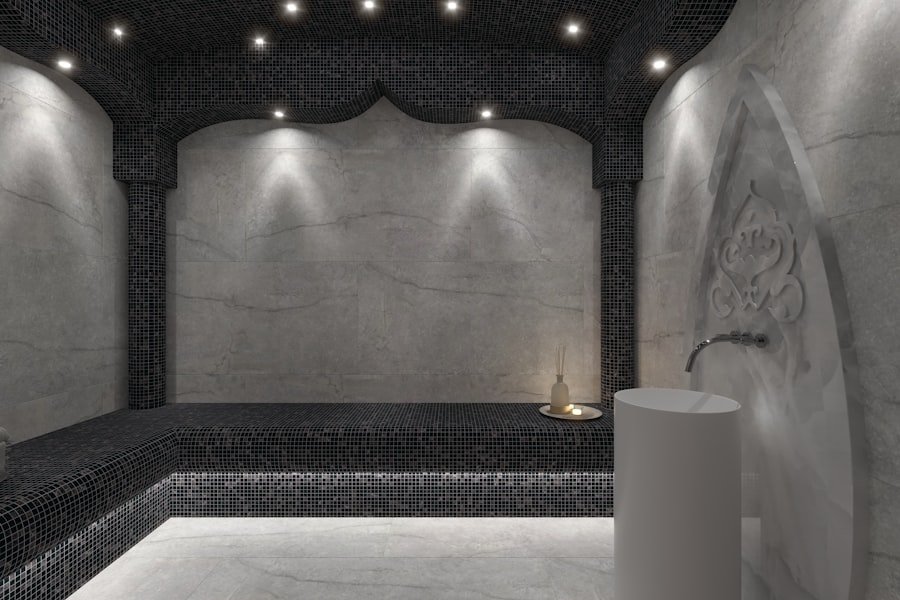
- Hammam entrance only: access to the heated marble, hot room, washing areas, and changing facilities without an attendant-led scrub.
- Kese and foam wash: the core attendant-led treatment, with exfoliation followed by a warm soap-foam wash and rinse.
- Oil or aromatherapy massage: a separate massage treatment that may be offered after the bath or as part of a premium package.
- Foot or partial-body massage: shorter add-ons for guests who do not want a full-body massage.
- Face, clay, or body treatments: spa-style additions available at some hammams, but not a required part of the traditional ritual.
If cultural authenticity is your priority, start by comparing the basic hammam ritual. If relaxation and pampering matter more, compare total treatment time and included massage rather than choosing only by the age or fame of the building.
Tips for Making the Most of Your Hammam Experience
A little preparation makes a first hammam visit easier. The most important points are knowing the venue’s gender arrangement, arriving with enough time to change, and understanding exactly which treatments you booked.
- Reserve popular historic baths in advance. Kılıç Ali Paşa explicitly recommends reservations and says walk-in guests may need to wait.
- Check whether couples can bathe together. Cağaloğlu says its male and female sections are separate and it does not offer couples service. Other baths may use separate sections, separate time blocks, or different arrangements.
- Bring clean underwear or a swimsuit bottom if you prefer. Many venues provide the peştamal, towel, slippers, soap, or shampoo, but modesty rules and supplied items vary.
- Leave jewelry and sensitive electronics in a locker. Heat and water are hard on devices, and jewelry can get in the way of the scrub.
- Speak up about scrub pressure. A traditional kese can be vigorous. Ask for lighter pressure if your skin feels uncomfortable.
- Hydrate before and after the hot room. Leave the heated area if you become dizzy, weak, nauseated, short of breath, or otherwise unwell.
Pro Tip: For a first visit, book the basic scrub-and-foam ritual before adding a long massage. It lets you experience the part that is most specific to Turkish hammam culture without committing to the longest package.
How Can You Recreate Part of the Hammam Routine at Home?
You can copy the gentle structure of the ritual at home, but not the architecture or attendant-led experience. Start with a warm shower, wash thoroughly, exfoliate gently with a suitable mitt or scrub, rinse, dry off, moisturize, and give yourself time to cool down.
Avoid trying to force heavy sweating for “detox” purposes. Keep water comfortably warm rather than extremely hot, stop if you feel lightheaded, and be especially cautious if you have a condition that makes heat exposure risky.
The part worth carrying home is the pacing: warmth, cleansing, careful exfoliation, rinsing, hydration, and quiet rest. That captures the practical rhythm of a hammam without pretending a home bathroom can reproduce a centuries-old Ottoman bathhouse.
Frequently Asked Questions
What is a hammam?
A hammam is a Turkish bathhouse built around heated rooms, water, washing, and rest. A traditional visit usually uses a peştamal wrap, warm marble, marble basins, a kese exfoliating mitt, and a soap-foam wash. Historic Istanbul hammams also preserve an important part of Ottoman social and architectural culture.
What happens during a hammam experience?
A typical hammam experience starts with changing into a peştamal, then warming in the hot room. An attendant may perform a kese scrub, followed by a soap-foam wash and rinse. You then cool down and rest. Massage is often optional, so confirm whether your package includes it.
What should I wear or bring to a hammam?
Most visitor-friendly hammams provide a peştamal, towel, slippers, and basic washing items, but policies differ. Bringing clean underwear or a swimsuit bottom is useful if you prefer extra coverage. Leave jewelry and sensitive electronics in a locker, and bring any personal skin or hair products you specifically need.
Are hammams in Istanbul separate for men and women?
Many historic hammams separate male and female guests, but the arrangement is not identical everywhere. Çemberlitaş and Cağaloğlu use separate sections, while Kılıç Ali Paşa serves women and men during different time blocks. Couples should confirm the format before booking if staying together during the bath matters.
How much does a hammam in Istanbul cost?
Prices vary sharply by venue and package. On October 1, 2026, Çemberlitaş listed basic entry at ₺3,200 and scrub plus foam at ₺4,050, Hürrem Sultan listed its 45-minute Pir-ü Pak at €110, Cağaloğlu listed İstanbul Dream at €95, and Kılıç Ali Paşa listed its traditional ritual at ₺4,700.
Which hammam in Istanbul is best for a first-time visitor?
Çemberlitaş is a practical first choice if you want a historic Mimar Sinan setting, a central Old City location, and a clear basic-entry option. Hürrem Sultan suits a more luxurious Sultanahmet visit, while Kılıç Ali Paşa is convenient for Tophane and Karaköy. Choose by location, budget, and gender arrangement.
Do I need to reserve a hammam in advance?
Reservations are a good idea for well-known historic hammams, especially if you need a specific time or treatment. Kılıç Ali Paşa specifically recommends booking and warns that walk-ins may wait. Reserving also lets you confirm the package length, included treatments, gender schedule, and cancellation terms before arrival.
Is a hammam safe for everyone?
A hammam is not suitable for everyone because the hot environment can cause overheating, dehydration, or dizziness. If you are pregnant, have heart or blood-pressure problems, take medicines that affect heat tolerance, or have another relevant medical condition, ask a qualified clinician first. Leave the hot room if you feel unwell.
If you want an unrelated recipe after your spa day, the original post also linked to this homemade cottage cheese recipe.
Sources
- Hürrem Sultan Hamamı — About Us: history, architecture, and traditional bath sections.
- Hürrem Sultan Hamamı — Official Site: current rituals, prices, and opening hours.
- Çemberlitaş Hamamı — Prices: current entrance and treatment prices, opening hours, and included items.
- Cağaloğlu Hamamı — Official Site: history, current services, prices, and opening hours.
- Kılıç Ali Paşa Hamamı — Reservation: current ritual price, reservation guidance, and service details.
- Kılıç Ali Paşa Hamamı — Hamam Culture: traditional ritual sequence, clothing guidance, and supplied items.
- U.S. Centers for Disease Control and Prevention — Heat and Your Health: hydration and overheating warning signs.
- Cleveland Clinic — Sweat: sweating, thermoregulation, dehydration, and detox claims.