Alabama combines Gulf Coast beaches, mountain scenery, major civil rights landmarks, space history, Southern food, and small-town stops in one state. A good Alabama trip works best when you choose a region or connect a few major destinations instead of trying to see everything at once. Gulf Shores, Huntsville, Birmingham, Montgomery, Mobile, and the state’s parks each offer a different experience.
Quick Answer
For a well-rounded Alabama trip, combine Gulf Coast beaches, Birmingham or Montgomery’s civil rights landmarks, Huntsville’s space attractions, and at least one state park. Spring and fall are comfortable for sightseeing, while summer suits beach trips if you prepare for heat and changing Gulf conditions.
Key Takeaways
- Gulf Shores and Gulf State Park are strong choices for beaches, trails, fishing, paddling, and family trips.
- Huntsville is a major stop for space and science attractions, especially the U.S. Space & Rocket Center.
- Birmingham, Montgomery, and Selma preserve nationally significant civil rights history.
- Cheaha State Park, Little River Canyon, and Lake Guntersville add hiking, scenic views, and fishing to an Alabama itinerary.
- Alabama food is closely associated with barbecue, seafood, soul food, and the state’s distinctive white barbecue sauce.
- Check official attraction hours, fishing-license rules, weather alerts, and Gulf Coast beach flags before activities that depend on current conditions.
Must-See Attractions in Alabama: From Gulf Shores to Huntsville
Gulf Shores and Alabama’s Gulf Coast
Gulf Shores is one of Alabama’s best-known vacation destinations. Visitors come for the white-sand coastline, Gulf views, seafood, water activities, and easy access to Gulf State Park.
The park includes beach access as well as trails, lakes, fishing areas, paddling opportunities, camping, and other outdoor recreation. That combination makes the area useful for families and travelers who want more than a beach-only vacation.
Nearby Orange Beach expands the coastal options with additional beaches, boating, dining, and water-based activities. If the coast is the main purpose of your trip, give yourself several days rather than treating it as a quick stop between inland cities.
Huntsville and the U.S. Space & Rocket Center
Huntsville shows a completely different side of Alabama. The U.S. Space & Rocket Center features space hardware, interactive exhibits, rockets, spacecraft-related displays, and exhibits covering the past, present, and future of space exploration.
The center can take a significant part of a day if you enjoy science and aerospace history. Huntsville Botanical Garden provides a quieter contrast with gardens, seasonal displays, and outdoor spaces.
Birmingham and Montgomery
Birmingham is a strong first stop for travelers interested in civil rights history, museums, food, and family attractions. The Birmingham Civil Rights District brings several important sites close together, including the Birmingham Civil Rights Institute, Kelly Ingram Park, and 16th Street Baptist Church.
Montgomery adds another major chapter of American history. Key stops include the Rosa Parks Museum, Dexter Avenue King Memorial Baptist Church, and other civil rights sites connected with the Montgomery Bus Boycott and the broader movement.
Mobile and Battleship Memorial Park
Mobile combines Gulf Coast culture with architecture, museums, Mardi Gras traditions, and military history. The USS ALABAMA Battleship Memorial Park includes the battleship USS ALABAMA, submarine USS DRUM, aircraft displays, military equipment, and memorials.
Outdoor Adventures in Alabama: Hiking, Fishing, and More
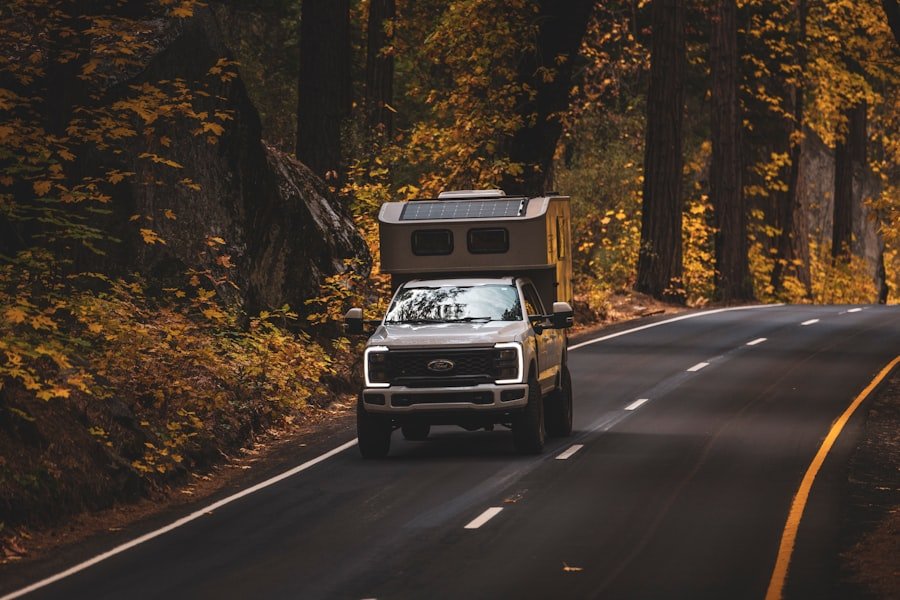
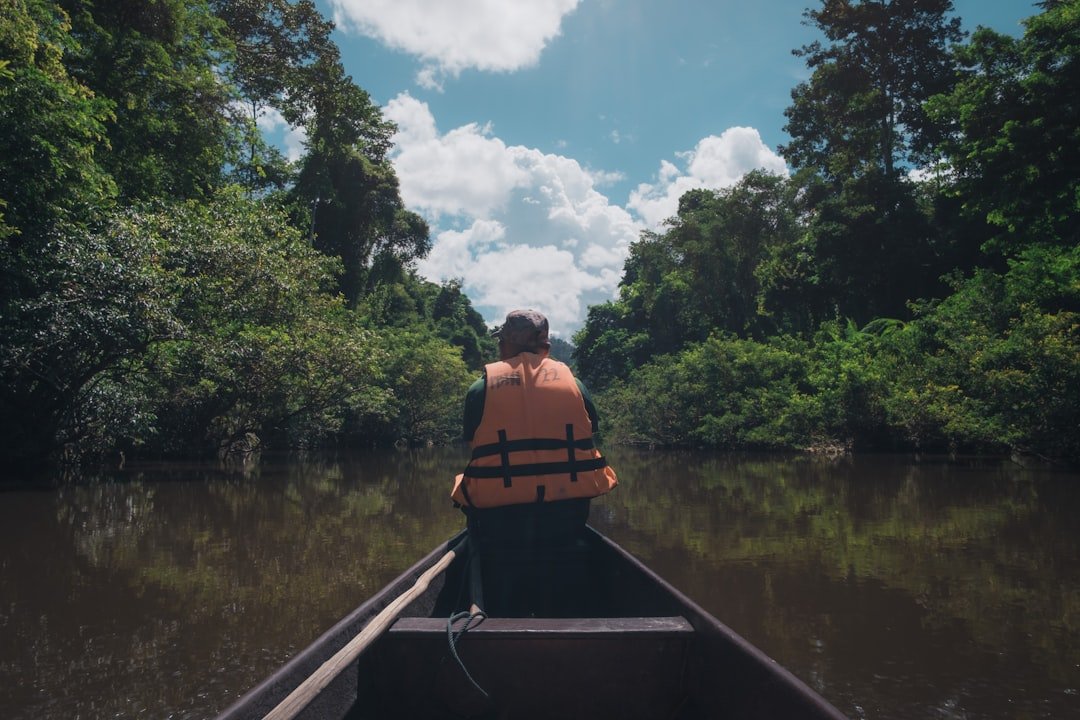
Alabama’s landscape changes considerably from the Appalachian foothills in the northeast to rivers, forests, lakes, and the Gulf Coast. That variety gives hikers, anglers, paddlers, cyclists, and wildlife watchers many ways to build outdoor time into a trip.
Hiking at Cheaha State Park
Cheaha State Park contains Alabama’s highest point at 2,407 feet above sea level. Trails around the park lead through forested mountain terrain and to overlooks, picnic areas, and other recreation facilities.
At 2,407 feet, Cheaha is the highest point in Alabama and an easy way to add mountain scenery to a statewide trip.
Little River Canyon
Little River Canyon National Preserve in northeastern Alabama offers waterfalls, overlooks, wooded trails, picnic areas, and access to the canyon and river. Conditions at waterfalls can change with rainfall, so the experience may differ by season.
Some routes include uneven terrain, stairs, or steeper access. Check the National Park Service’s current trail information before choosing a route, especially when traveling with young children or anyone with limited mobility.
Fishing and Boating
Fishing is another major outdoor option. The Coosa River system is popular with anglers, while Lake Guntersville combines fishing with boating and lakeside recreation. Lake Guntersville State Park provides access to the lake along with trails and other outdoor facilities.
If fishing is part of your trip, check Outdoor Alabama’s current licensing information first. Requirements vary by residency, age, and whether you are fishing freshwater or saltwater.
Alabama’s Rich History: Explore Civil Rights Landmarks and Historic Sites
| Landmark/Historic Site | Location | Significance |
| Dexter Avenue King Memorial Baptist Church | Montgomery | Church where Martin Luther King Jr. served as pastor and helped lead the Montgomery Bus Boycott. |
| Edmund Pettus Bridge | Selma | Site of the March 7, 1965 Bloody Sunday confrontation during the voting-rights campaign. |
| Birmingham Civil Rights Institute | Birmingham | Museum and educational center interpreting Birmingham’s role in the Civil Rights Movement. |
| Rosa Parks Museum | Montgomery | Museum dedicated to Rosa Parks and the history and lessons of the Montgomery Bus Boycott. |
| 16th Street Baptist Church | Birmingham | Site of the September 15, 1963 bombing that killed four girls and became a pivotal event in civil rights history. |
Alabama played a central role in the Civil Rights Movement of the 1950s and 1960s. Birmingham and Selma in particular preserve places where campaigns against segregation and voter suppression became national turning points.
The Birmingham Civil Rights National Monument connects visitors with sites associated with the 1963 Birmingham campaign. Kelly Ingram Park was a major protest site, while 16th Street Baptist Church is remembered both for its role in the movement and for the bombing that killed four girls in 1963.
In Selma, the Edmund Pettus Bridge became an enduring symbol of the voting-rights struggle after law enforcement attacked nonviolent marchers on Bloody Sunday. The Selma to Montgomery National Historic Trail commemorates the 1965 voting-rights marches along the 54-mile route between the two cities.
Pro Tip: Do not rush civil rights sites into a checklist. In Birmingham, several important locations are close together, making it easier to spend meaningful time reading exhibits and historical markers rather than simply taking photos and leaving.
Culinary Delights in Alabama: Southern Comfort Food and BBQ
Alabama’s food traditions draw from barbecue, Gulf seafood, Southern home cooking, and regional recipes passed through generations. Barbecue remains one of the state’s best-known food experiences, with pork, ribs, chicken, and different sauce traditions appearing across the state.
One particularly recognizable Alabama contribution is white barbecue sauce, a tangy mayonnaise-based sauce strongly associated with north Alabama and commonly served with smoked chicken. The state’s official tourism site maintains an Alabama BBQ Trail for travelers who want to build food stops into a road trip.
Other familiar dishes include fried chicken, collard greens, cornbread, black-eyed peas, fried catfish, shrimp and grits, fried green tomatoes, pecan pie, and sweet tea. Along the coast, fresh seafood becomes a bigger part of the menu.
Food festivals and local restaurants can be useful ways to sample regional cooking, but event schedules and restaurant hours change. Check current information before making a long detour for one meal or festival.
If you also enjoy exploring ingredients and fruit beyond regional Southern cuisine, you can read Exploring the Delightful World of Asian Melon for another food-focused guide.
Unique Events and Festivals in Alabama: Experience Local Culture and Traditions
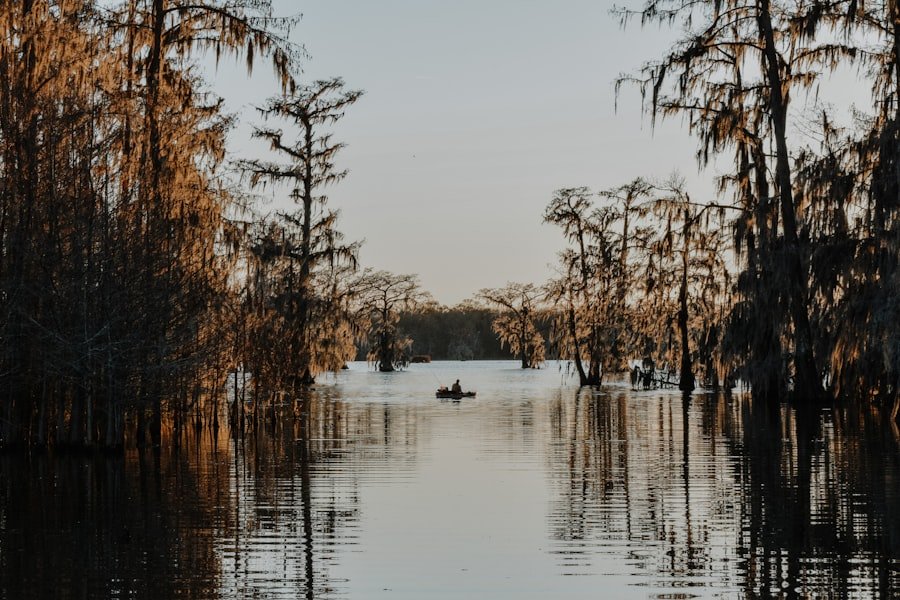
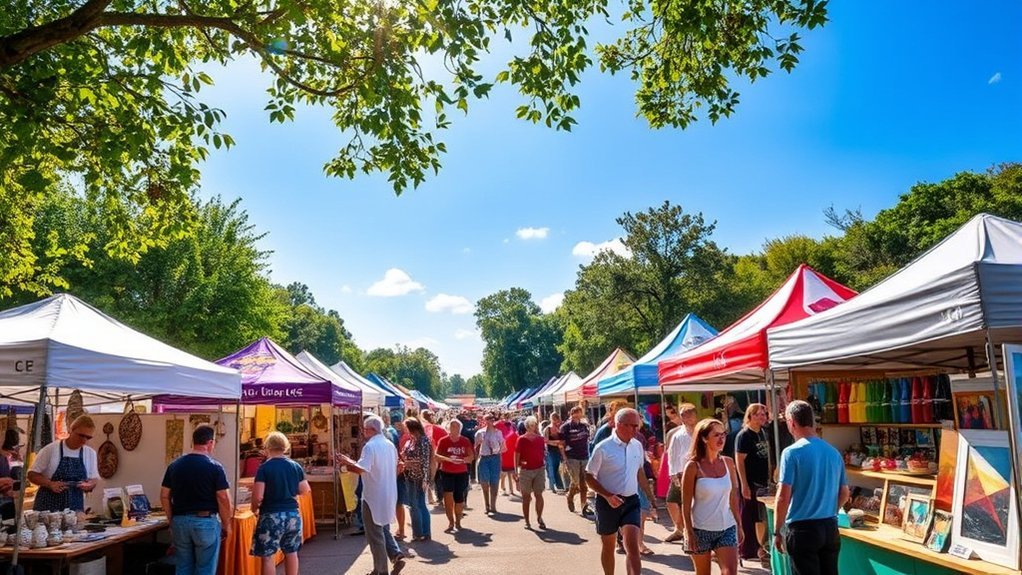
Alabama’s festivals can add music, food, local history, and community traditions to a trip, but dates often change from year to year. Confirm the current schedule before booking accommodations around any event.
Mobile Mardi Gras
Mobile traces its Mardi Gras tradition to 1703 and promotes itself as the home of America’s original Mardi Gras celebration. The season includes parades, elaborate floats, marching bands, masked societies, and other traditions throughout the Mobile area. Current schedules are available through Visit Mobile’s Mardi Gras guide.
National Shrimp Festival in Gulf Shores
The Annual National Shrimp Festival combines seafood, music, arts and crafts, and family activities near the beach in Gulf Shores. For 2026, the festival is scheduled for October 8–11, 2026. Admission to the festival grounds is listed as free by the organizer. Check the official National Shrimp Festival website for current schedules, parking, shuttles, and event updates.
Large festivals can increase traffic and accommodation demand, so travelers attending specifically for an event should plan lodging and transportation earlier than they would for an ordinary weekend.
Alabama’s Hidden Gems: Off-the-Beaten-Path Destinations
Alabama’s quieter destinations can be especially rewarding when you have time to travel outside the major cities.
Little River Canyon National Preserve
Little River Canyon in northeastern Alabama combines waterfalls, canyon overlooks, wooded trails, picnic areas, and river access. It works well as a scenic stop for travelers moving through the northeastern part of the state, although trail difficulty varies.
Fairhope and Mobile Bay
Fairhope sits on the eastern shore of Mobile Bay and offers a slower pace than Alabama’s larger cities. Its walkable central area includes shops, galleries, restaurants, and access to the waterfront. Fairhope Pier and the surrounding bayfront area are popular places for an evening walk and sunset views.
Pairing Fairhope with Mobile or the Gulf Shores area can create a coastal itinerary with both beach time and a smaller-town experience.
Best Time to Visit Alabama
There is no single best month for every Alabama trip. The right season depends on whether you want beaches, hiking, festivals, city sightseeing, or a combination.
Spring
Spring is a strong period for sightseeing, gardens, hiking, and road trips. Temperatures are often more comfortable than midsummer, but thunderstorms and severe weather can occur. Check the forecast when your plans include long drives or outdoor activities.
Summer
Summer is popular on the Gulf Coast and works well for swimming and beach vacations, but heat and humidity can be demanding inland. Schedule strenuous outdoor activities earlier in the day, carry water, and take heat warnings seriously.
Fall
Fall is another good period for road trips, hiking, football weekends, festivals, and city sightseeing. October can be particularly useful for travelers who want outdoor activities with somewhat cooler conditions, although weather varies across the state.
Winter
Winter usually means smaller crowds at many outdoor destinations, but conditions can change quickly. Northern and central Alabama can occasionally experience disruptive cold or winter weather, so check road and weather reports before longer drives.
How to Plan an Alabama Itinerary
Alabama stretches from the Tennessee border to the Gulf of Mexico, so trying to visit every major destination on a very short trip creates too much driving. Build your itinerary around the number of days you actually have.
3-Day Alabama Trip
For three days, concentrate on one area. Good combinations include Birmingham plus Montgomery for civil rights history, Huntsville plus nearby north Alabama outdoor attractions, or Gulf Shores and Orange Beach for a beach-focused break.
5-Day Alabama Trip
With five days, combine two nearby themes or regions. Birmingham, Montgomery, and Selma work well for a history-centered trip. Huntsville, Cheaha, and northeastern Alabama can form a science-and-outdoors route. Mobile, Fairhope, Gulf Shores, and Orange Beach can fill a coastal itinerary.
7-Day Alabama Trip
A week gives you more flexibility to connect several parts of the state. One approach is to begin in Huntsville, continue through Birmingham and Montgomery, and finish on the Gulf Coast. Another is to spend the whole week more slowly exploring one half of the state instead of changing hotels almost every night.
Note: Opening hours, admission prices, tour availability, event schedules, and park conditions can change. Check each attraction’s official website shortly before your visit rather than relying on an old itinerary or screenshot.
Practical Tips for Traveling in Alabama: Transportation, Accommodations, and Safety
Getting Around
Major cities have local public transportation options. Huntsville operates the Orbit bus system, and Birmingham has bus and other transit services. However, many state parks, rural attractions, small towns, and cross-state routes are much easier to reach by car.
A rental car is therefore useful for many visitors planning a multi-city Alabama trip. If you prefer not to drive, concentrate on one city and confirm local transportation options before booking attractions outside the urban center.
Where to Stay
Accommodation ranges from hotels and vacation rentals to cabins, campgrounds, and bed-and-breakfast properties. Staying near your main attraction cluster can reduce unnecessary driving.
Book earlier for Gulf Coast summer trips, major festivals, college football weekends, and other high-demand periods. If your itinerary includes several regions, avoid changing hotels every day unless the route genuinely requires it.
Fishing Licenses and Outdoor Rules
Do not assume recreational fishing is license-free. Alabama has different rules for freshwater and saltwater fishing and different requirements based on factors such as residency and age. Check Outdoor Alabama before fishing and review the current regulations for the water you plan to visit.
Beach and Weather Safety
Warning: Check Gulf Coast beach flags before entering the water. Rip currents and changing surf can be dangerous even when the weather looks pleasant. A double-red-flag condition means Gulf waters are closed to the public. Also monitor heat, thunderstorm, tornado, and tropical-weather alerts when they apply to your route.
For Gulf Shores and Orange Beach, review the current beach flag warning system before swimming. For inland activities, carry water, use sun protection, and reconsider exposed hikes or water activities when thunderstorms are nearby.
Use normal travel precautions with valuables and vehicles, pay attention to local conditions, and follow instructions from park staff, lifeguards, law enforcement, and weather officials. The most useful safety advice depends on where you are and what you plan to do rather than a blanket judgment about the entire state.
In summary, Alabama offers substantially different experiences within one state: beaches on the Gulf Coast, mountain and canyon scenery in the northeast, aerospace attractions in Huntsville, nationally significant civil rights sites in Birmingham, Montgomery, and Selma, and distinctive food and festival traditions. A focused itinerary with enough time in each region will usually be more rewarding than trying to cover the entire state too quickly.
Sources
- Alabama Tourism Department: Trip Tips — statewide trip-planning and seasonal information.
- Alabama State Parks: Gulf State Park — beaches, trails, recreation, and park information.
- Alabama State Parks: Cheaha State Park — Alabama’s highest point and mountain recreation.
- National Park Service: Birmingham Civil Rights National Monument — Birmingham civil rights sites and history.
- National Park Service: Selma to Montgomery National Historic Trail — Bloody Sunday and the 1965 voting-rights marches.
- Alabama Department of Conservation and Natural Resources: License Information — current hunting and fishing license guidance.
Frequently Asked Questions
What are the top attractions in Alabama?
Popular Alabama attractions include the U.S. Space & Rocket Center in Huntsville, Gulf Shores and Gulf State Park, Birmingham’s civil rights sites, Montgomery’s Rosa Parks Museum and Dexter Avenue King Memorial Baptist Church, and USS ALABAMA Battleship Memorial Park in Mobile.
What are the best outdoor activities in Alabama?
Popular outdoor activities include hiking at Cheaha State Park and DeSoto State Park, exploring Little River Canyon, fishing and boating on Alabama’s lakes and rivers, paddling, birdwatching, and spending time on the Gulf Coast beaches.
What is the best time to visit Alabama?
Spring and fall are good choices for many sightseeing and outdoor trips because conditions are often more comfortable than midsummer. Summer remains popular for Gulf Coast vacations. Your best season depends on whether your priority is beaches, hiking, festivals, history, or city sightseeing.
What are some popular foods and drinks in Alabama?
Alabama food traditions include barbecue, white barbecue sauce, fried chicken, fried green tomatoes, shrimp and grits, Gulf seafood, fried catfish, collard greens, cornbread, pecan pie, and sweet tea.
What are some family-friendly activities in Alabama?
Families can visit the U.S. Space & Rocket Center, Birmingham Zoo, McWane Science Center, USS ALABAMA Battleship Memorial Park, Gulf State Park, beaches along the Gulf Coast, and state parks with easier trails and picnic areas.
How many days do you need for an Alabama trip?
Three days works best for one city or region. Five days allows you to combine nearby destinations, while seven days gives you enough flexibility for several cities or a north-to-south road trip without making every day a long driving day.
Do you need a car to travel around Alabama?
A car is strongly useful for statewide travel because many parks, rural attractions, small towns, and cross-state routes are outside convenient public-transit networks. Travelers staying mainly in one city may be able to combine local transit, rideshare services, and walking.