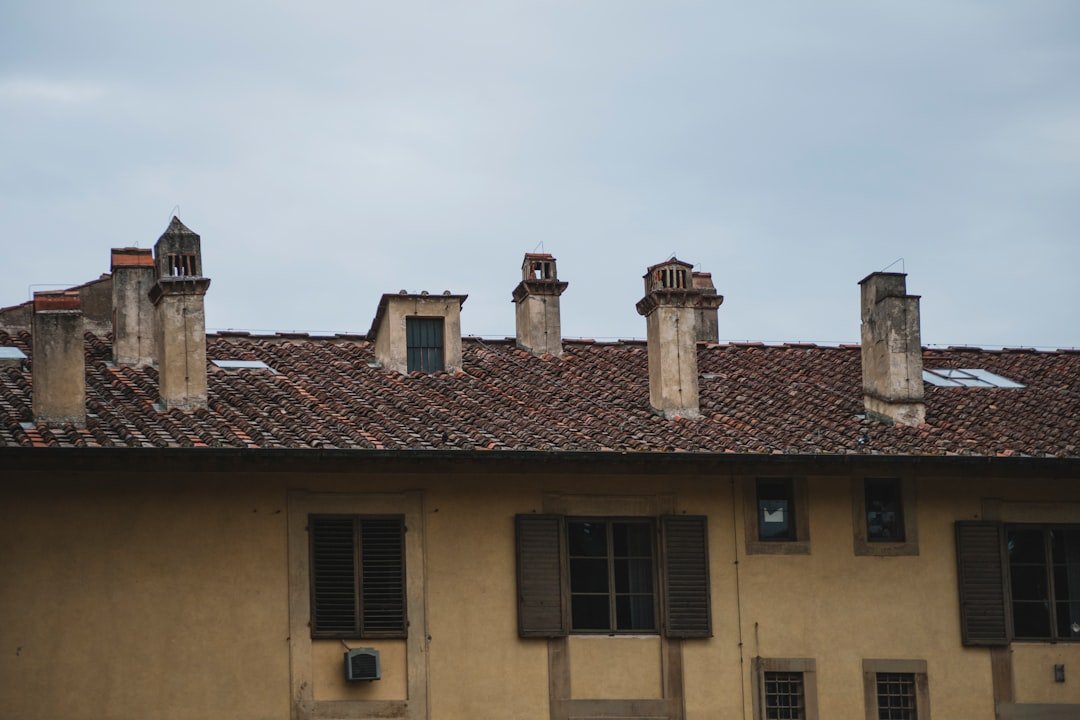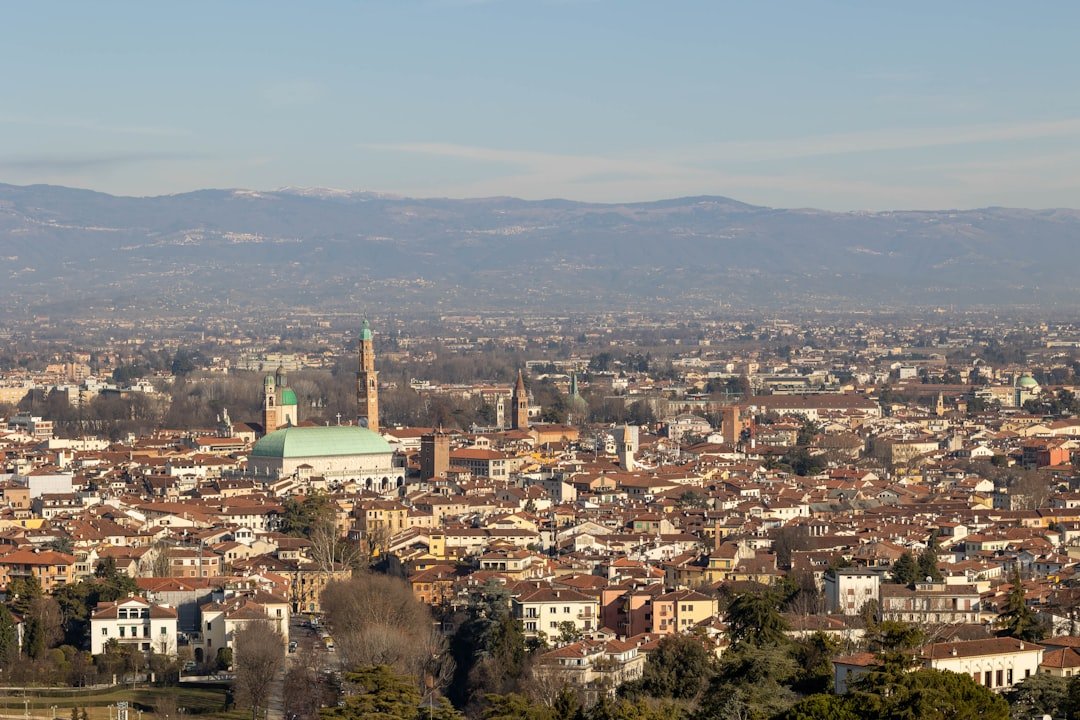
Siena is an excellent base for exploring Tuscany without changing hotels, but not every famous Tuscan destination works equally well by rail. The best day trips from Siena by train include Florence, Pisa, Grosseto, and stops along the Siena–Chiusi line, while places such as San Gimignano, Montepulciano, Chianti, and Saturnia usually need an onward bus, taxi, or other transport.
Quick Answer
Florence is the easiest major day trip from Siena by direct train. Pisa is also practical with a change at Empoli, while Grosseto offers a direct ride toward Maremma. San Gimignano works best by combining rail with bus 130, and Chianti or Saturnia are better treated as mixed-transport trips rather than train-only excursions.
Last checked: October 1, 2026. Dates and figures were verified against official sources.
Key Takeaways
- Florence has direct regional trains from Siena and is the simplest full-day city trip by rail.
- Pisa normally requires a change at Empoli, so allow more travel time than for Florence.
- San Gimignano has no railway station; use Poggibonsi plus a bus, or take the direct Siena–San Gimignano bus.
- Chianti’s vineyards and hill towns are spread across the countryside, making rail alone a poor fit for winery touring.
- Saturnia’s free thermal pools are rewarding, but reaching them from Siena by public transport requires several stages.
Best Day Trips From Siena by Train at a Glance
The most convenient choices are destinations sitting directly on Siena’s regional rail network. Others remain possible without a car, but you need to combine the train with a local bus or taxi.
| Destination | How to Get There | Best For |
|---|---|---|
| Florence | Direct regional train | Renaissance art and architecture |
| Pisa | Train with a change at Empoli | Piazza dei Miracoli and the Leaning Tower |
| Grosseto | Direct regional train | Maremma, historic center, and coastal connections |
| San Gimignano | Train to Poggibonsi, then bus; direct bus from Siena is also available | Medieval towers and streets |
| Montepulciano | Siena–Chiusi rail line plus onward local transport | Wine, Renaissance architecture, and hill-town views |
| Chianti | Train can reach the edge of the region; buses, taxi, or car are better for villages and wineries | Wine country and rural scenery |
How to Get Around by Train From Siena
Siena is connected by regional rail to Florence, Empoli, Grosseto, and the Chiusi-Chianciano Terme direction. The station itself is below the historic center, so include the trip between your accommodation and the railway station when planning your day.
Where Is Siena Train Station?
Visit Siena’s official travel information places the railway station about 2 km from the city center. Local buses connect the station area with central Siena, while walking involves a substantial change in elevation.
From the north, direct regional trains connect Siena with Florence Santa Maria Novella. From the south, Siena also has rail connections toward Grosseto and Chiusi-Chianciano Terme.
How Long Is the Train From Siena to Florence?
Allow roughly an hour and a half for many direct regional services rather than the one-hour estimate in the original article. For example, the RFI timetable for June 14 to December 12, 2026 lists a 09:18 departure from Siena reaching Firenze Santa Maria Novella at 10:52.
Schedules vary by day, and some regional services do not operate on holidays. Check both your outbound and return journeys before leaving Siena, especially if you plan to stay for dinner or visit a museum with a timed entry.
Day Trip to Florence
Florence is the strongest choice if you want a straightforward full-day trip from Siena by train. Direct regional services bring you into Firenze Santa Maria Novella, close enough to explore the historic center on foot.
Start with the Cathedral of Santa Maria del Fiore and Brunelleschi’s dome, then continue toward Piazza della Signoria and the Uffizi Gallery. The Uffizi holds major works by artists including Botticelli and Leonardo da Vinci, so it can easily occupy several hours.
From there, walk to the Ponte Vecchio for views along the Arno. Palazzo Vecchio, Santa Croce, and the streets around the Duomo provide more than enough for a full day, so avoid trying to combine Florence with another major destination.
If the Uffizi is your priority, make that the fixed point in your itinerary and fit the outdoor sights around it. Florence is also one of the easiest places on this list to enjoy without taxis once you arrive.
Day Trip to Pisa by Train
Pisa is possible as a day trip from Siena, but it normally involves changing trains at Empoli. That makes it less convenient than Florence, although the city’s best-known sights are concentrated enough to make the journey worthwhile.
After arriving at Pisa Centrale, head through the center toward Piazza dei Miracoli. The monumental complex includes the Leaning Tower, Cathedral, Baptistery, and Camposanto.
The route also gives you a chance to see more of Pisa than the tower alone. Walk along the Arno, explore the streets between the station and historic center, and allow enough time for your connection back through Empoli.
Discovering the Chianti Region
Chianti is one of Tuscany’s most famous wine landscapes, but it is not one compact town served by a single convenient railway station. If wineries and villages such as Radda or Greve are your main goal, road transport is usually more useful than trying to build the entire day around trains.
| Chianti Classico Metric | Official Figure |
|---|---|
| Production zone | 71,800 hectares (177,500 acres) |
| Total vineyard area | Approximately 10,000 hectares |
| Vineyards suitable for Chianti Classico DOCG | About 7,000 hectares |
| Consortium members reported in 2024 | 482 |
| Annual production, 2013–2022 | 255,000–285,000 hectoliters |
The Consorzio Vino Chianti Classico defines a 71,800-hectare production zone stretching between the provinces of Siena and Florence. Its villages include Castellina in Chianti, Gaiole in Chianti, Greve in Chianti, and Radda in Chianti, along with parts of several neighboring municipalities.
The consortium’s 2024 centenary statistics reported 482 members, about 10,000 hectares of vineyards, and roughly 7,000 hectares eligible for Chianti Classico DOCG production. Annual production during 2013–2022 ranged from 255,000 to 285,000 hectoliters.
Sangiovese is the defining grape of Chianti Classico, alongside varieties including Canaiolo, Colorino, Merlot, and Cabernet Sauvignon. For a wine-focused day, choose one village or a small cluster of estates rather than trying to cover the entire region.
Visiting the Medieval Town of San Gimignano
San Gimignano is one of the most rewarding excursions from Siena, but it is not a direct train destination because the town has no railway station. A common rail-based option is to travel to Poggibonsi and continue by bus.
Autolinee Toscane line 130 connects Siena, Poggibonsi, and San Gimignano. Because the same route also serves Siena directly, taking the bus all the way from Siena can be simpler than combining train and bus on some schedules.
San Gimignano’s skyline was created by tower houses built by wealthy medieval families. According to UNESCO’s World Heritage listing, about 72 tower houses once existed and 14 survive today. The historic center was inscribed on the World Heritage List in 1990.
Once inside the walls, explore Piazza della Cisterna, Piazza del Duomo, the Collegiata di Santa Maria Assunta, and the streets beneath the surviving towers. Vernaccia di San Gimignano is the local white wine traditionally associated with the town.
Because your return depends on bus timing as well as the rail schedule if you travel through Poggibonsi, leave more flexibility than you would for Florence.
Exploring the Tuscan Coast in Grosseto
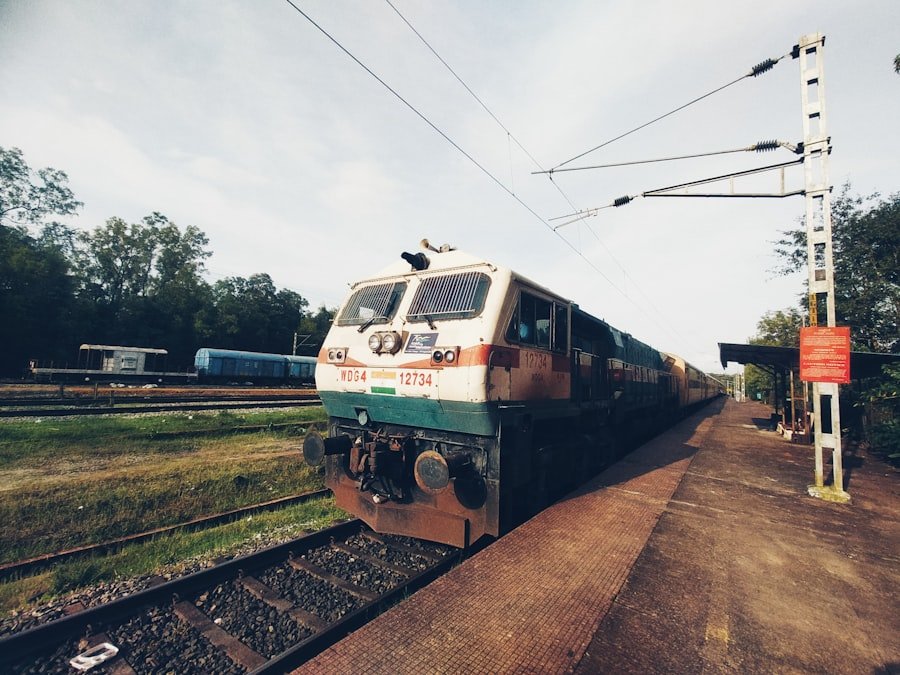
Grosseto is one of the most useful direct rail trips south of Siena and a gateway to the Maremma. The city itself has enough for a relaxed visit, while beaches and protected natural areas require additional local transport.
What to See in Grosseto
Begin in the historic center, where Grosseto’s defensive walls surround streets, squares, and the Cathedral of San Lorenzo. This is the simplest option if you want a day trip that remains mostly walkable after getting off the train.
Visiting Maremma Regional Park
Maremma Regional Park adds hiking, Mediterranean vegetation, wildlife, and access toward Marina di Alberese. It is outside central Grosseto, so factor the onward journey into your day rather than treating the railway station as the final stop.
The official Maremma Regional Park information states that the Alberese Visitor Center is open daily from 8:30 a.m. to 3 p.m. from March 28, 2026 until further notice. Some routes and seasonal transport arrangements can differ, so structure your trip around the park visit rather than adding it as an afterthought.
Beaches and Outdoor Activities
The wider Maremma coast offers sandy beaches, cycling, hiking, and birdwatching. A beach-focused trip needs more transport planning than a day in Grosseto itself, but it provides a very different landscape from Siena’s inland hills.
Day Trip to the Thermal Springs of Saturnia
Saturnia is memorable, but it is not a practical train-only day trip from Siena. Public transport usually means traveling toward Grosseto and then continuing by bus through the Maremma, so a car, driver, or carefully planned bus connection makes the day much easier.
The main natural attraction is Cascate del Mulino, where thermal water flows over travertine terraces into open-air pools. The official Terme di Saturnia information says the waterfalls are wild, free to enter, and accessible at any time of day.
That free natural site is separate from the paid spa facilities at Terme di Saturnia. If your goal is simply to soak in the outdoor pools, make Cascate del Mulino your destination rather than assuming every thermal pool in Saturnia is free.
Because the return to Siena involves considerably more logistics than Florence, Pisa, or Grosseto, Saturnia suits travelers who are comfortable dedicating most of the day to the outing.
How to Choose the Right Day Trip From Siena
Choose Florence if you want the easiest major city trip with a direct train. Pick Pisa if the Leaning Tower and Piazza dei Miracoli matter enough to justify changing trains at Empoli, or choose Grosseto for a direct route into a quieter part of southern Tuscany.
For medieval atmosphere, San Gimignano is excellent, but think of it as a bus or train-plus-bus outing rather than a true rail destination. Montepulciano, Chianti, and Saturnia reward extra planning because the railway does not put you directly at the main sights.
If you have several days in Siena, mixing one easy rail trip with one countryside excursion gives you a better picture of Tuscany than trying to force every destination into a train-only itinerary.
For a separate food article from this site, see this homemade cottage cheese recipe.
Frequently Asked Questions
What are the best day trips from Siena by train?
Florence, Pisa, and Grosseto are among the most practical day trips from Siena using the railway. San Gimignano and Montepulciano can also be visited without a car, but they need an additional bus or taxi connection to reach the main historic sights.
How long does it take to travel from Siena to Florence by train?
Many direct regional trains take about an hour and a half from Siena to Firenze Santa Maria Novella. One current 2026 timetable example leaves Siena at 09:18 and arrives in Florence at 10:52, although individual services and holiday schedules can differ.
What is the approximate cost of a train ticket from Siena to Florence?
A one-way train ticket from Siena to Florence typically falls in the €10 to €20 range stated in the original article. The exact fare depends on the service and ticket conditions, so use the fare shown for your chosen departure when purchasing.
Can I visit Pisa on a day trip from Siena by train?
Yes. Siena-to-Pisa rail journeys normally require a change at Empoli, making Pisa a longer outing than Florence but still suitable for a full day. From Pisa Centrale, you can walk through the center toward Piazza dei Miracoli and the Leaning Tower.
Are there direct trains from Siena to San Gimignano?
No. San Gimignano has no railway station. You can take a train from Siena to Poggibonsi and continue by bus, although Autolinee Toscane line 130 also provides a bus connection from Siena toward San Gimignano.
How do I travel from Siena to Montepulciano without a car?
You can use the Siena–Chiusi-Chianciano Terme railway and continue from the Montepulciano-area rail stop by local transport, or use a bus connection from Siena. The historic center is on the hill and is not beside the railway station, so the final transfer is an essential part of the trip.
Can you visit Chianti from Siena entirely by train?
Not conveniently. Rail lines can bring you toward parts of the Chianti area, but famous villages and wineries are spread through the countryside. For a wine-focused visit, bus, taxi, car, or organized transport is usually more practical for the final part of the journey.
Sources
- Visit Siena Official: Siena station location and regional transport connections.
- Rete Ferroviaria Italiana: 2026 Siena departures and Florence journey example.
- Consorzio Vino Chianti Classico production zone: official territory size and municipalities.
- Consorzio Vino Chianti Classico centenary data: members, vineyard area, and production figures.
- Autolinee Toscane line 130: Siena, Poggibonsi, and San Gimignano route information.
- UNESCO World Heritage Centre: San Gimignano’s towers, heritage status, and inscription details.
- Maremma Regional Park: current 2026 Alberese Visitor Center hours.
- Terme di Saturnia: Cascate del Mulino access and free natural pools.