

Nestled in the heart of Switzerland, Appenzell is a picturesque village that embodies the quintessential charm of the Swiss Alps. Known for its stunning landscapes, traditional wooden chalets, and vibrant cultural heritage, Appenzell serves as a gateway to some of the most breathtaking hiking trails in the region. The village is surrounded by rolling hills, lush meadows, and towering mountains, making it an ideal destination for outdoor enthusiasts and nature lovers alike.
With a population of just over 5,500 residents, Appenzell retains a small-town feel while offering a wealth of activities and experiences that attract visitors from around the globe. The region is characterized by its unique blend of natural beauty and rich traditions. Appenzell is famous for its cheese, particularly Appenzeller cheese, which is produced using age-old methods that have been passed down through generations.
The local culture is deeply rooted in customs and festivals, with the Landsgemeinde, or open-air assembly, being one of the oldest forms of direct democracy in the world. This vibrant cultural backdrop enhances the hiking experience, as visitors can immerse themselves not only in the stunning scenery but also in the local way of life. Hiking in Appenzell is not just about traversing trails; it’s an opportunity to connect with nature while experiencing the rich tapestry of Swiss culture.
Key Takeaways
- Appenzell is a picturesque region in Switzerland known for its stunning landscapes and rich cultural heritage.
- The best hikes in Appenzell include the Ebenalp and Seealpsee trails, offering breathtaking views of the Swiss Alps.
- Tips for hiking in Appenzell include wearing sturdy footwear, carrying plenty of water, and being mindful of wildlife and local customs.
- The flora and fauna of Appenzell are diverse, with alpine flowers, marmots, and golden eagles being common sights along the hiking trails.
- Cultural and historical sites along the hikes in Appenzell include traditional Swiss chalets, ancient churches, and charming mountain villages.
- The best times to visit Appenzell for hiking are in the spring and summer months, when the weather is mild and the wildflowers are in bloom.
- To prepare for hiking in Appenzell, it’s important to check the weather forecast, pack layers for changing conditions, and familiarize yourself with trail maps.
- In conclusion, Appenzell is a nature lover’s paradise, offering a perfect blend of natural beauty, cultural experiences, and outdoor adventure.
The Best Hikes in Appenzell
Appenzell boasts an extensive network of hiking trails that cater to all levels of experience, from leisurely strolls to challenging mountain treks. One of the most popular hikes is the Ebenalp Trail, which offers breathtaking views of the surrounding landscape. The trail begins at the Ebenalp cable car station and leads hikers through lush forests and rocky outcrops before reaching the iconic Aescher mountain inn.
This historic inn clings to the side of a cliff and provides a perfect spot for a well-deserved break while soaking in panoramic views of the Appenzell region. Another must-visit trail is the Seealpsee hike, which takes you to a stunning alpine lake surrounded by majestic peaks. The hike starts from Wasserauen and meanders through picturesque meadows dotted with wildflowers.
As you approach Seealpsee, the tranquil waters reflect the towering mountains, creating a postcard-perfect scene. This hike is particularly popular among families and those looking for a more relaxed experience, as it offers relatively gentle terrain and ample opportunities for picnicking along the way. For those seeking a more challenging adventure, the Santis summit hike is an exhilarating option.
Mount Santis stands at 2,502 meters and is one of the highest peaks in the region. The ascent requires a good level of fitness and determination, but the reward is unparalleled.
The trail is well-marked but can be steep and rocky in sections, making it essential for hikers to be prepared for changing weather conditions.
Tips for Hiking in Appenzell
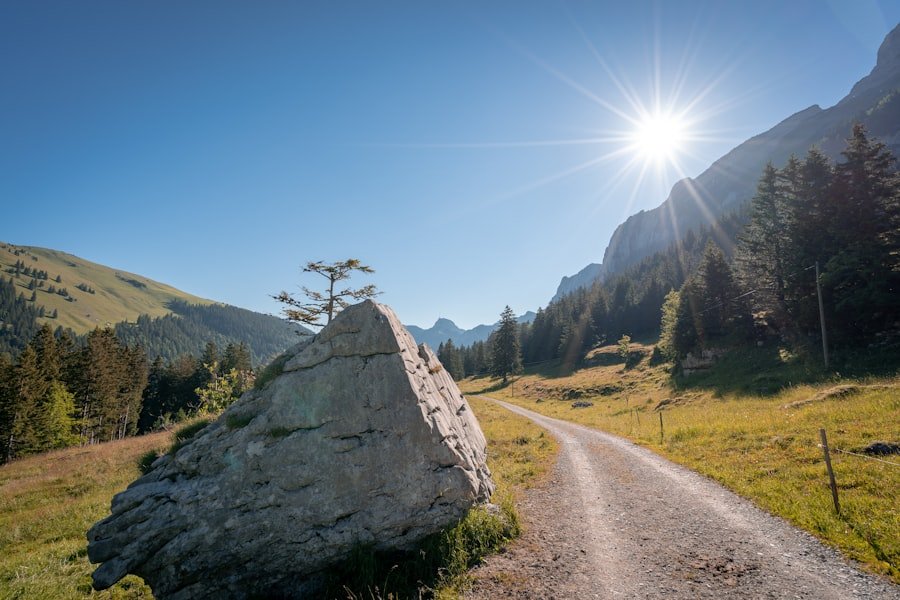
When planning a hiking trip in Appenzell, preparation is key to ensuring a safe and enjoyable experience. First and foremost, it’s crucial to check the weather forecast before setting out. The weather in the Alps can change rapidly, so being equipped with appropriate clothing and gear is essential.
Layering is advisable; wearing moisture-wicking base layers, insulating mid-layers, and waterproof outer layers can help you adapt to varying temperatures and conditions throughout your hike. Additionally, it’s important to stay hydrated and nourished during your trek. Carrying enough water and snacks will keep your energy levels up as you navigate the trails.
Local Swiss chocolate or energy bars are excellent choices for quick energy boosts. Moreover, consider investing in a good pair of hiking boots that provide adequate support and grip on uneven terrain. Proper footwear can make a significant difference in comfort and safety while hiking.
Another tip for hiking in Appenzell is to familiarize yourself with the trail maps and signage.
It’s also wise to inform someone about your hiking plans and expected return time, particularly if you’re hiking alone or exploring less-traveled routes.
The Flora and Fauna of Appenzell
| Category | Number of Species |
|---|---|
| Flora | Over 1,500 species of plants |
| Fauna | Over 1,000 species of animals |
| Endemic Species | Several endemic plant and animal species |
| Conservation Status | Some species are endangered or vulnerable |
The natural environment surrounding Appenzell is rich in biodiversity, making it a haven for nature enthusiasts interested in flora and fauna. The region’s varied altitudes create distinct ecosystems that support a wide range of plant species. In spring and summer, hikers can witness vibrant wildflower displays, including alpine roses, gentians, and edelweiss—flowers that have become symbols of the Swiss Alps.
These blooms not only add color to the landscape but also play a crucial role in supporting local wildlife. Wildlife enthusiasts will be delighted by the opportunity to spot various animal species during their hikes. The area is home to chamois, ibex, and marmots, which can often be seen grazing on grassy slopes or sunning themselves on rocks.
Birdwatchers will also find plenty to admire; species such as golden eagles and peregrine falcons soar above the mountains while smaller birds flit among the trees. Observing these creatures in their natural habitat adds an enriching layer to the hiking experience in Appenzell. The preservation of this unique ecosystem is supported by local conservation efforts aimed at protecting both flora and fauna from environmental threats.
Many trails are designed to minimize human impact on sensitive areas, ensuring that future generations can continue to enjoy the natural beauty that Appenzell has to offer. This commitment to conservation enhances not only the hiking experience but also fosters a deeper appreciation for nature among visitors.
The Cultural and Historical Sites Along the Hikes
Hiking in Appenzell offers more than just stunning views; it also provides an opportunity to explore the region’s rich cultural and historical heritage. Along many trails, hikers will encounter traditional Swiss chalets that showcase local architectural styles and craftsmanship. These charming buildings often serve as reminders of Appenzell’s agricultural roots and are integral to understanding the region’s history.
One notable cultural site is the Appenzell Museum located in the village itself. This museum offers insights into local traditions, including cheese-making practices and folk art. Visitors can learn about the significance of customs such as yodeling and alphorn playing, which are deeply embedded in Swiss culture.
Incorporating visits to such sites into your hiking itinerary can enhance your understanding of Appenzell’s identity. Additionally, many trails lead to historical landmarks such as chapels and churches that reflect the region’s spiritual heritage. The St.
Mauritius Church in Appenzell features stunning frescoes and intricate woodwork that tell stories of faith and community life over centuries. These sites not only provide rest stops along your hike but also serve as windows into the past, allowing hikers to appreciate how history has shaped this enchanting region.
The Best Times to Visit Appenzell for Hiking
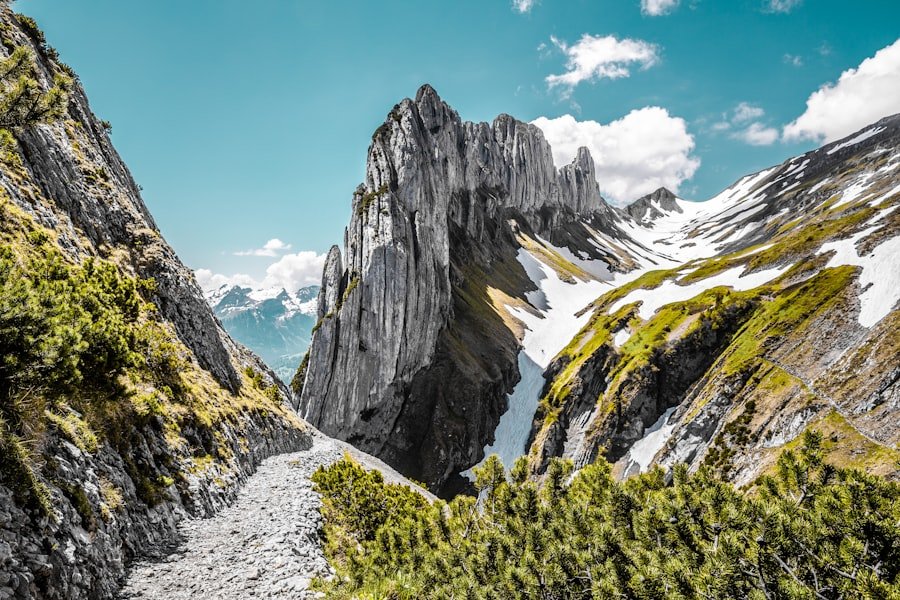
The timing of your visit can significantly impact your hiking experience in Appenzell. Generally, late spring through early autumn (May to October) is considered the best time for hiking due to favorable weather conditions and trail accessibility. During this period, temperatures are mild, ranging from 15°C to 25°C (59°F to 77°F), making it comfortable for outdoor activities.
Spring brings vibrant wildflowers that blanket the meadows, creating a colorful backdrop for hikes. As summer approaches, longer days provide ample daylight for exploration, allowing hikers to tackle more extensive trails without feeling rushed. Autumn offers its own unique charm; as leaves change color, hikers can enjoy breathtaking views against a backdrop of golden hues.
However, winter also has its allure for those interested in snowshoeing or winter hiking. While some trails may be closed due to snow cover, others remain accessible for those seeking a different kind of adventure amidst serene winter landscapes. Each season presents its own beauty and challenges; thus, choosing when to visit depends on personal preferences regarding weather conditions and desired activities.
How to Prepare for Hiking in Appenzell
Preparation is essential for ensuring a successful hiking experience in Appenzell’s diverse terrain. Before embarking on your journey, it’s advisable to research specific trails that match your fitness level and interests. Online resources such as local tourism websites or hiking apps provide detailed information about trail lengths, difficulty ratings, and estimated completion times.
Packing appropriately is another critical aspect of preparation. In addition to water and snacks, consider bringing essentials such as a first-aid kit, sunscreen, insect repellent, and a fully charged mobile phone for navigation purposes. A lightweight backpack can help distribute weight evenly while keeping your hands free for balance or trekking poles if needed.
Moreover, understanding local regulations regarding trail use is important for preserving natural habitats and ensuring safety on hikes. Some areas may have restrictions on dogs or require permits for certain trails; being informed about these guidelines helps maintain the integrity of Appenzell’s pristine environment while enhancing your overall experience.
Why Appenzell is a Nature Lover’s Paradise
Appenzell stands out as a remarkable destination for nature lovers seeking adventure amidst stunning landscapes steeped in cultural richness. With its diverse array of hiking trails catering to all skill levels, visitors can explore everything from serene lakeside paths to challenging mountain ascents while immersing themselves in breathtaking scenery. The region’s commitment to preserving its natural beauty ensures that hikers can enjoy encounters with unique flora and fauna while learning about local traditions along their journeys.
Whether you’re drawn by the allure of alpine meadows bursting with wildflowers or captivated by historical sites nestled within picturesque landscapes, Appenzell offers an unforgettable experience that resonates long after your visit concludes. In essence, Appenzell encapsulates what it means to connect with nature while embracing cultural heritage—a true paradise for those who cherish outdoor exploration combined with rich experiences that celebrate both land and community.
If you’re planning a trip to the picturesque Appenzell region and are eager to explore its best hiking trails, you might also be interested in discovering some delightful culinary experiences to complement your adventure. While the serene landscapes and breathtaking views of Appenzell are a hiker’s paradise, indulging in local flavors can enhance your journey. For a unique culinary experience, consider trying your hand at making delicious homemade cottage cheese. This simple and healthy recipe can be a perfect addition to your hiking snacks or a delightful treat after a long day on the trails. You can find the recipe and more details in this related article: Delicious Homemade Cottage Cheese: A Simple and Healthy Recipe.
FAQs
What are the best hikes in the Appenzell region?
Some of the best hikes in the Appenzell region include the Ebenalp to Seealpsee hike, the Hoher Kasten Panorama Trail, and the Kronberg Panorama Trail.
How difficult are the hikes in the Appenzell region?
The difficulty of the hikes in the Appenzell region varies, with some being relatively easy and suitable for beginners, while others are more challenging and require a good level of fitness and hiking experience.
What is the best time of year to go hiking in the Appenzell region?
The best time to go hiking in the Appenzell region is during the summer months, from June to September, when the weather is generally mild and the trails are clear of snow.
Are there any guided hiking tours available in the Appenzell region?
Yes, there are guided hiking tours available in the Appenzell region, which can provide valuable insights into the local flora, fauna, and culture, as well as ensuring a safe and enjoyable hiking experience.
What should I bring with me on a hike in the Appenzell region?
It is recommended to bring sturdy hiking boots, plenty of water, sunscreen, a map or GPS device, and appropriate clothing for changing weather conditions when hiking in the Appenzell region.