Arnavutköy is one of the best Istanbul neighborhoods for a short Bosphorus walk, combining historic wooden houses, waterfront views, religious landmarks, cafés, and a strong local food tradition. This guide covers the Arnavutköy neighborhood in Beşiktaş, between Kuruçeşme and Bebek, not the separate Arnavutköy district near Istanbul Airport. You can see the core sights on foot, then extend the walk north toward Bebek if you want more time by the water.
Quick Answer
For an Arnavutköy walking tour, start near the ferry pier, follow the Bosphorus waterfront past the wooden houses, visit Tevfikiye Mosque and the Taxiarchis Greek Orthodox Church, then continue toward Akıntıburnu. Allow about 1–2 hours for the neighborhood itself, or longer if you add a meal or continue into Bebek.
Last checked: October 1, 2026. Dates and figures were verified against official sources.
Key Takeaways
- Arnavutköy is a compact Bosphorus neighborhood in Beşiktaş with a waterfront, steep backstreets, wooden houses, and active places of worship.
- The name means “Albanian Village,” but the exact origin of the name is not certain; historical sources connect it with Albanian settlement after the Ottoman conquest.
- Tevfikiye Mosque dates to 1832–1838, while the present Taxiarchis Church was built in the late 19th century.
- Seafood, meze, cafés, and the historic Arnavutköy strawberry are stronger local themes than generic souvenir shopping.
- Arnavutköy has its own Şehir Hatları pier, but ferry services and timetables can change, so plan your arrival around the current schedule.
History and Culture of Arnavutköy
Arnavutköy has a much older history than its present Ottoman-era streets suggest. The neighborhood sits on the European side of the Bosphorus in today’s Beşiktaş district, and earlier sources refer to the area by names including Mega Revma, a Greek expression linked to the powerful current around Akıntıburnu.
The Turkish name Arnavutköy literally means “Albanian Village.” The source article placed Albanian settlement in the 18th century, but an academic study of Arnavutköy’s historic environment says the exact origin of the name is uncertain and notes that older historians associated the post-conquest settlement with Albanians. By the late 17th century, the neighborhood was known as a non-Muslim settlement with a large Greek population.
That mixed history is still visible in the neighborhood’s religious buildings, street pattern, houses, and place names. Greek Orthodox heritage is especially prominent, but Muslim, Armenian, Jewish, and other communities also formed part of Arnavutköy’s social history at different times.
Arnavutköy was also known for gardens and fruit growing. One especially distinctive local product was the fragrant Arnavutköy strawberry, which became associated with the hills above the Bosphorus during the 19th century. That agricultural landscape has largely disappeared, but the strawberry remains part of the neighborhood’s cultural memory.
Landmarks and Architecture in Arnavutköy

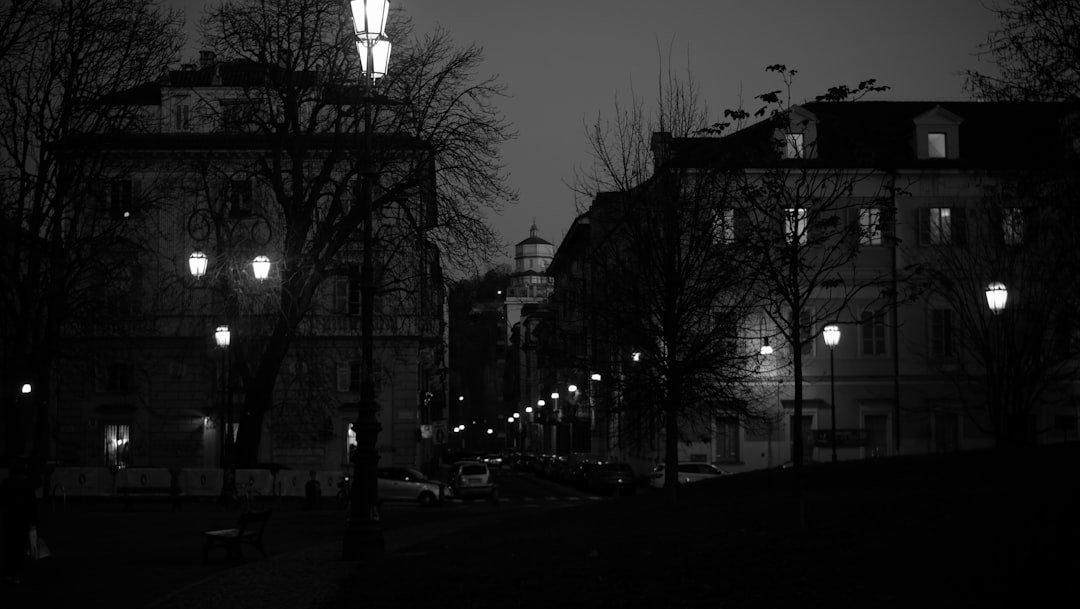
The strongest reason to explore Arnavutköy on foot is its architecture. Along the shore and in the streets behind it, you can see surviving wooden houses, late Ottoman details, religious buildings, fountains, and views across the Bosphorus. The neighborhood is compact enough that these layers appear within a short walk.
Tevfikiye Mosque
Tevfikiye Mosque, also called Arnavutköy Mosque or Akıntıburnu Mosque, stands close to the waterfront. According to Dijital İstanbul, a project of the Istanbul Governorship, it was built between 1832 and 1838 under Sultan Mahmud II. The mosque has masonry walls, a wooden roof, a cut-stone minaret, a sultan’s lodge, and a timing room on the sea side.
The mosque was repaired after the 1894 Istanbul earthquake and restored again in 2022–2023 before reopening for worship in 2023. Because it is an active mosque, visit respectfully and avoid entering during prayer if you are sightseeing.
Aya Strati Taksiarhi Greek Orthodox Church
The Taxiarchis Church is one of the clearest signs of Arnavutköy’s long Greek Orthodox history. The Beşiktaş Local History Project dates the present church to 1896–1899 and traces earlier churches on or near the site much further back.
The church remains a religious site rather than a museum. Exterior viewing is straightforward from the surrounding streets, but interior access can depend on services, ceremonies, or local arrangements, so do not build a tight walking schedule around guaranteed entry.
Wooden Houses, Yalıs, and Bosphorus Details
Arnavutköy is especially known for wooden houses and waterfront residences. Many surviving examples reflect 19th-century revival styles, with balconies, projecting bays, decorative timber work, and varied façades. Some buildings have been restored or reconstructed over time, so the streets show both original fabric and later conservation work.
As you walk, also look for smaller details such as fountains, old street alignments, garden walls, and the relationship between the hillside lanes and the waterfront. The Istanbul Metropolitan Municipality’s Arnavutköy guide highlights Akıntıburnu, Tevfikiye Mosque, the Taxiarchis Church, İzzetabad Kasrı, and Beyhan Sultan Fountain among the area’s notable sights.
Local Cuisine and Dining Options
| What to Try | Where It Fits | Why It Matters Here |
|---|---|---|
| Seafood and meze | Waterfront and Akıntıburnu | Fish dining has deep roots in the neighborhood’s Bosphorus culture. |
| Turkish breakfast and café food | Side streets and waterfront cafés | A useful stop before or after a slow neighborhood walk. |
| Arnavutköy strawberry products | Seasonal or specialty offerings | The historic strawberry is part of Arnavutköy’s local food identity. |
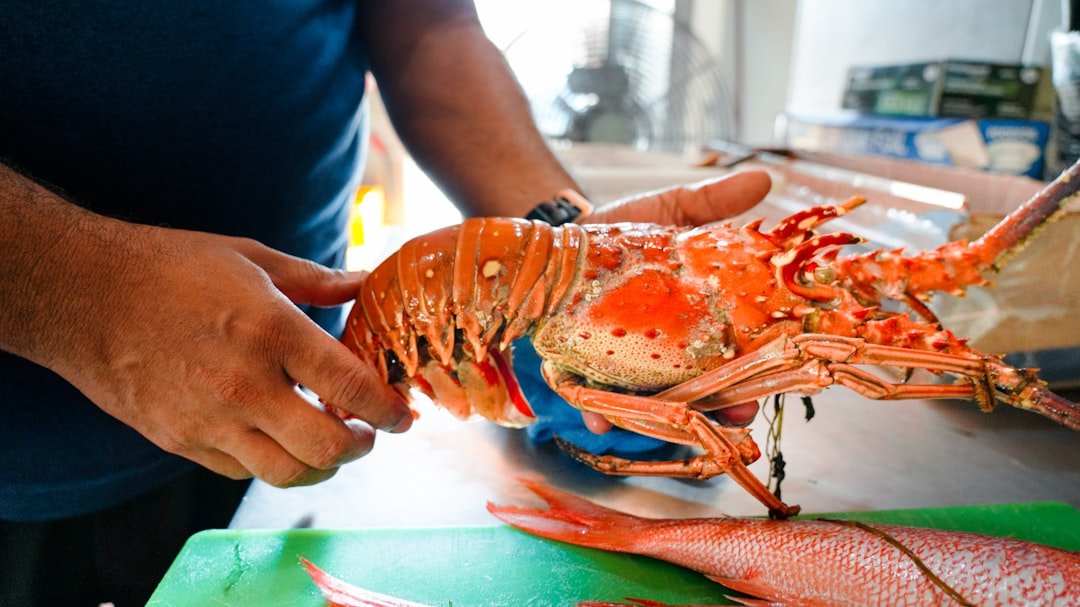
Seafood remains the most recognizable dining theme in Arnavutköy. The location beside the Bosphorus shaped a long tradition of fishing, fish restaurants, taverns, and meze culture around Akıntıburnu and the shore. Today, you will find both traditional seafood dining and more modern cafés and restaurants.
For a casual visit, breakfast, coffee, pastries, or a simple meal can fit more easily into a walking tour than a long waterfront dinner. If you do want a sit-down seafood meal, allow extra time and choose a place based on the menu and current prices rather than assuming every waterfront restaurant offers the same experience.
The neighborhood also has an unusual food story: the Arnavutköy strawberry. The Beşiktaş Local History Project’s account of the Arnavutköy strawberry traces local cultivation to the early 19th century and notes that the variety became closely identified with the neighborhood. Large-scale cultivation later disappeared, although local efforts have tried to preserve the heritage.
Shopping and Artisanal Crafts in Arnavutköy
Shopping is a secondary part of the Arnavutköy experience, but the backstreets do include small neighborhood businesses, boutiques, design shops, and places selling decorative or handmade goods. The selection changes, so it is better to treat shopping as something you discover while walking rather than the main reason to visit.
The source article highlights textiles, ceramics, jewelry, and modern home décor as examples of items you may encounter. Small-scale shops can be useful for gifts because they feel more connected to the neighborhood than mass-market souvenir stores. Still, stock and opening hours vary from one business to another.
Keep some time for ordinary local shops as well. Bakeries, food stores, florists, and small cafés often reveal more about daily life in Arnavutköy than a dedicated souvenir stop.
Parks and Outdoor Spaces in Arnavutköy

Arnavutköy’s main outdoor attraction is the Bosphorus waterfront itself. The promenade gives you open water views, passing boats, anglers, benches, and a clear look at the Asian shore. Akıntıburnu is especially important because the strong local current helped give the area its old Greek name, Mega Revma.
Ömer Yılmaz Güven Park is a neighborhood gathering space and has also hosted local events. If you continue north into Bebek, Bebek Park adds a larger green stop beside the water; the Istanbul Metropolitan Municipality describes it as an 8,800-square-meter park that opened to the public in 1908.
The inland streets are hillier and more enclosed than the waterfront. That contrast is part of the walk: you can move from open Bosphorus views to narrow residential lanes within minutes. Comfortable shoes matter because some side streets are steep, uneven, or paved differently from the flat shoreline.
Local Events and Festivals
Arnavutköy has a long tradition of neighborhood gatherings, and the best-documented current example is the Traditional Arnavutköy Festival. The Türkiye Çağdaş Yaşamı Destekleme Vakfı reported that the 22nd Traditional Arnavutköy Festival took place on June 7, 2026 at Ömer Yılmaz Güven Park, organized by Beşiktaş Municipality with local participation.
The event focused on neighborhood history, cultural values, community organizations, stands, and live activity rather than functioning as a tourist attraction alone. Because festival dates can change from year to year, use the most recent organizer announcements if you are planning a trip specifically around the event.
The source article also describes an annual Seafood Festival along the Bosphorus waterfront, with fishermen, chefs, cooking demonstrations, tastings, music, and entertainment. I could not confirm a current 2026 edition from an official organizer, so treat that event description cautiously and do not plan a visit around it without current local confirmation.
Tips for Exploring Arnavutköy on Foot
A self-guided Arnavutköy walking tour works best as a simple waterfront-and-backstreets loop. The neighborhood is small, but stopping for architecture, photos, food, or an interior visit can easily turn a quick walk into half a day.
- Start near Arnavutköy Ferry Pier. It gives you an immediate Bosphorus orientation and puts you close to the historic waterfront.
- Walk the shore and study the wooden houses. Look across the water as well as toward the façades; the neighborhood’s character comes from both the buildings and the strait.
- Visit Tevfikiye Mosque respectfully. The mosque is close to the shore, so it is easy to add without a long detour.
- Turn inland for the Taxiarchis Church and old streets. This is where you see more of the neighborhood’s Greek Orthodox heritage and hillside street pattern.
- Return to the water and continue toward Akıntıburnu. From there, you can finish in Arnavutköy or continue north toward Bebek for a longer Bosphorus walk.
Wear comfortable shoes and give yourself extra time on the sloped side streets. Early morning is useful for quieter streets, while late afternoon gives the waterfront a livelier atmosphere. If photography is important, be considerate around homes and active religious sites.
Arnavutköy has a Şehir Hatları pier, and the current Rumelikavağı–Eminönü Bosphorus timetable lists Arnavutköy as a stop. Ferry service is not the only way to reach the neighborhood, and timetables can change, so build your arrival around the service operating on your travel day.
If you want a small food project after your Istanbul walk, the site also has a guide to delicious homemade cottage cheese.
Frequently Asked Questions
What is Arnavutköy?
Arnavutköy is a historic Bosphorus neighborhood in the Beşiktaş district on Istanbul’s European side. It sits between Kuruçeşme and Bebek and is known for its waterfront, wooden houses, religious heritage, seafood culture, and narrow streets rising inland from the shore.
What can I expect to see on a walking tour of Arnavutköy?
You can expect Bosphorus views, wooden waterfront houses, Tevfikiye Mosque, the Taxiarchis Greek Orthodox Church, cafés, restaurants, anglers, and steep residential backstreets. Akıntıburnu is another key stop because of its strong current and its importance in the neighborhood’s older identity.
How long does a walking tour of Arnavutköy typically take?
A focused walk around central Arnavutköy typically takes about 1–2 hours, depending on your pace and how often you stop. Add more time for a meal, church or mosque access, photography, or a longer waterfront walk toward Bebek.
Are there guided walking tours available in Arnavutköy?
Yes, private and small-group Istanbul tours may include Arnavutköy, especially routes focused on the Bosphorus. Availability varies by operator and season, so compare the actual route before booking and make sure the tour means Arnavutköy in Beşiktaş rather than the larger district near Istanbul Airport.
What should I wear and bring on a walking tour of Arnavutköy?
Wear comfortable walking shoes because the side streets can be steep or uneven. Bring weather-appropriate clothing and water, and keep a modest layer available if you plan to enter an active mosque or church. A camera or phone is useful for the waterfront and architecture.
Is this Arnavutköy the same place as the district near Istanbul Airport?
No. This guide is about Arnavutköy in Beşiktaş, a Bosphorus neighborhood between Kuruçeşme and Bebek. Istanbul also has a much larger Arnavutköy district northwest of the city center near Istanbul Airport, so confirm the Beşiktaş location when using maps, taxis, or tour listings.
Can I walk from Arnavutköy to Bebek?
Yes. Arnavutköy and Bebek are neighboring Bosphorus areas, and continuing north along the waterfront is a natural extension of the walk. This gives you more shoreline scenery and makes it easy to add Bebek Park, cafés, or another transport point before ending your outing.
How do I get to Arnavutköy by public transport?
Arnavutköy can be reached by Bosphorus ferry services and road-based public transport along the European shore. Şehir Hatları currently lists Arnavutköy as a stop on a Bosphorus line, but schedules can change, so use the operating timetable for your travel date rather than relying on an old departure time.
Sources
- Middle East Technical University: Peculiarities of the Historic Environment of Arnavutköy: neighborhood history, name origin, fires, and historic timber architecture.
- Dijital İstanbul: Tevfikiye Mosque: construction dates, patron, architectural details, repairs, and 2023 reopening.
- Beşiktaş Local History Project: Aya Strati Taksiarhi Church: the present church and its historical background.
- Istanbul Metropolitan Municipality: Places to Visit in Arnavutköy: neighborhood location, landmarks, Akıntıburnu, and nearby Bebek Park.
- Beşiktaş Local History Project: Arnavutköy Strawberry: the neighborhood’s historic strawberry cultivation.
- Türkiye Çağdaş Yaşamı Destekleme Vakfı: date and location of the 22nd Traditional Arnavutköy Festival in 2026.
- Şehir Hatları: Rumelikavağı–Eminönü timetable: current Bosphorus ferry service listing Arnavutköy as a stop.