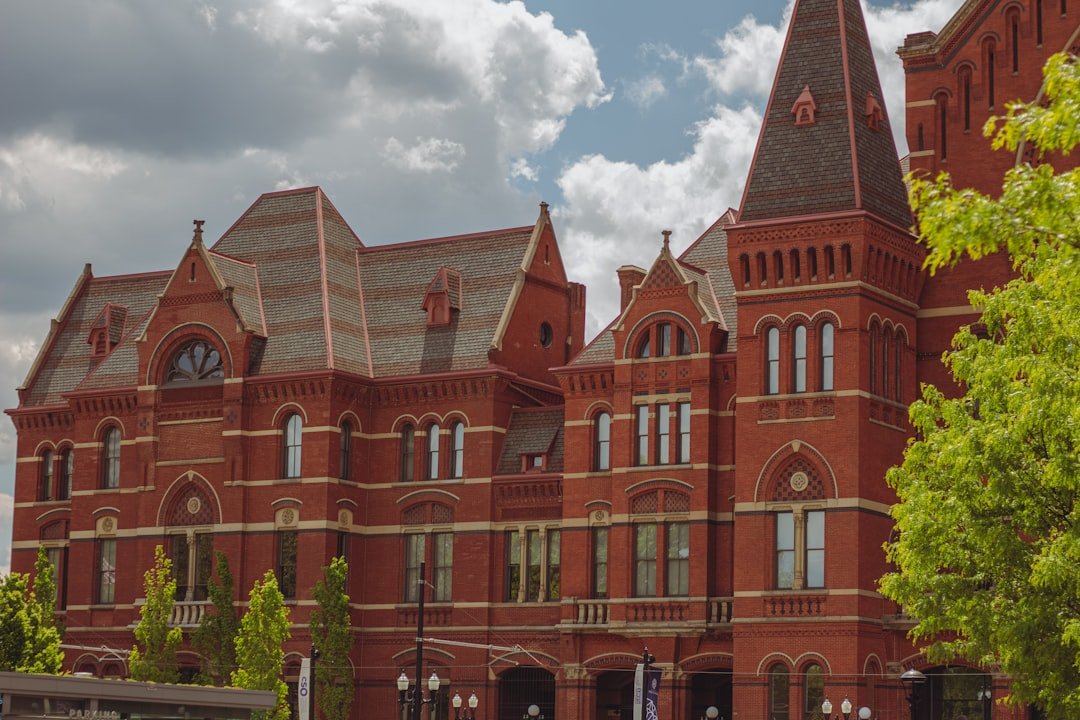
Birmingham, Alabama, is a city steeped in a rich and complex history that has played a pivotal role in the American civil rights movement. Founded in 1871, Birmingham was established as an industrial hub, primarily due to its abundant natural resources, including iron ore, coal, and limestone. This economic foundation attracted a diverse population, including many African Americans who migrated from rural areas in search of better opportunities.
However, the city’s rapid growth also laid the groundwork for deep-seated racial tensions that would erupt into significant civil rights struggles in the mid-20th century. The 1960s marked a critical period in Birmingham’s history, as it became a focal point for civil rights activism. The city was notorious for its segregationist policies and violent resistance to desegregation.
Events such as the Birmingham Campaign in 1963, led by Martin Luther King Jr. and other civil rights leaders, brought national attention to the injustices faced by African Americans. The campaign included peaceful protests, sit-ins, and marches aimed at ending segregation in public facilities.
The brutal response from local authorities, including the use of fire hoses and police dogs against peaceful demonstrators, shocked the nation and galvanized support for the civil rights movement. This tumultuous backdrop set the stage for the establishment of institutions like the Birmingham Civil Rights Institute, which serves as a testament to the struggles and triumphs of those who fought for equality.
Key Takeaways
- Birmingham has a rich history in the Civil Rights Movement, with pivotal events such as the 1963 Birmingham Campaign and the 16th Street Baptist Church bombing.
- When planning your visit to the Birmingham Civil Rights Institute, be sure to check the opening hours and any special events or exhibitions that may be taking place during your visit.
- Engage with the exhibits and interactive displays at the institute to gain a deeper understanding of the struggles and triumphs of the Civil Rights Movement.
- Learn from personal stories and testimonies of individuals who were directly impacted by the Civil Rights Movement, gaining a more personal and emotional connection to the history.
- Participate in educational programs and workshops offered by the institute to further educate yourself and others on the importance of civil rights and social justice.
Planning Your Visit to the Birmingham Civil Rights Institute
When planning a visit to the Birmingham Civil Rights Institute (BCRI), it is essential to consider the best times to experience its offerings fully. The institute is open year-round, but visiting during weekdays can provide a quieter atmosphere, allowing for deeper engagement with the exhibits. The BCRI is conveniently located in the Civil Rights District, making it easy to combine your visit with other historical sites such as the 16th Street Baptist Church and Kelly Ingram Park.
It is advisable to check the institute’s official website for any special events or temporary exhibits that may enhance your experience. Before your visit, familiarize yourself with the layout of the BCRI and its various sections. The institute features a range of exhibits that chronicle the history of the civil rights movement in Birmingham and beyond.
Consider allocating at least two to three hours for your visit to ensure you have ample time to explore each exhibit thoroughly. Additionally, if you are traveling with a group or family, consider scheduling a guided tour. Knowledgeable guides can provide valuable insights and context that enrich your understanding of the exhibits and their significance within the broader narrative of civil rights history.
Engaging with Exhibits and Interactive Displays
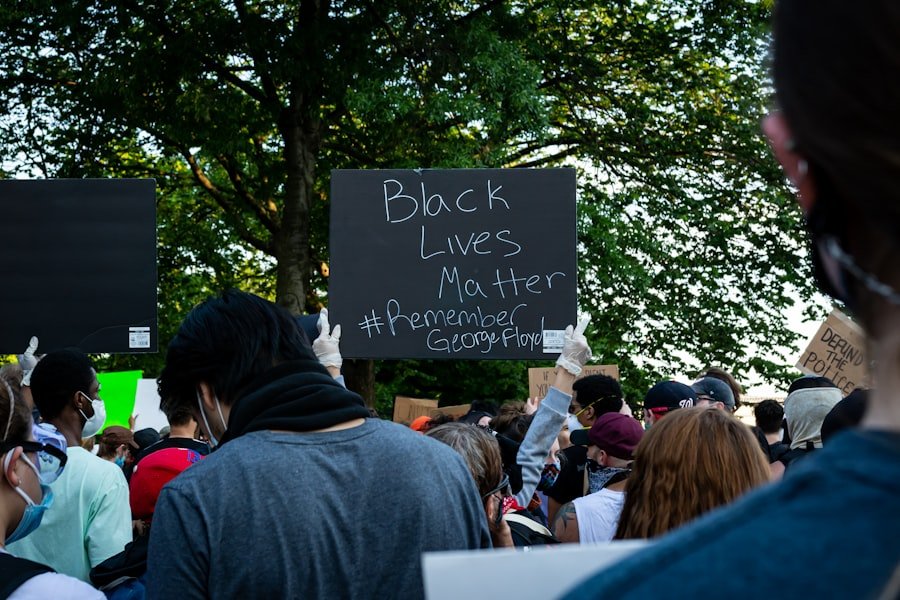
The Birmingham Civil Rights Institute is renowned for its immersive exhibits that engage visitors on multiple levels. One of the most striking features of the BCRI is its use of multimedia presentations, which combine photographs, videos, and audio recordings to create a dynamic storytelling experience. For instance, visitors can view powerful footage from protests and marches that took place in Birmingham during the 1960s, allowing them to witness firsthand the courage and determination of those who fought for justice.
This multimedia approach not only captivates audiences but also helps to convey the emotional weight of the events being depicted. In addition to traditional exhibits, the BCRI incorporates interactive displays that encourage visitor participation. For example, some installations allow guests to step into the shoes of civil rights activists by simulating scenarios they faced during their struggles for equality.
These interactive elements foster empathy and understanding, prompting visitors to reflect on their own roles in promoting social justice today. By engaging with these exhibits, visitors can gain a deeper appreciation for the sacrifices made by countless individuals who fought against systemic racism and inequality.
Learning from Personal Stories and Testimonies
| Metrics | 2019 | 2020 | 2021 |
|---|---|---|---|
| Number of personal stories collected | 150 | 200 | 250 |
| Number of testimonies shared | 100 | 120 | 150 |
| Percentage of positive feedback | 85% | 90% | 92% |
One of the most impactful aspects of visiting the Birmingham Civil Rights Institute is the opportunity to hear personal stories and testimonies from those who lived through this tumultuous period in American history. The BCRI features oral histories and recorded interviews with civil rights activists, community leaders, and everyday citizens who experienced firsthand the challenges of segregation and discrimination. These narratives provide a human face to historical events, allowing visitors to connect emotionally with the struggles and triumphs of individuals who fought for their rights.
For instance, visitors may encounter stories from individuals who participated in pivotal events such as the Children’s Crusade or those who were directly affected by violent reprisals against peaceful protests. These testimonies not only highlight the resilience of those involved but also serve as powerful reminders of the ongoing fight for civil rights. By listening to these personal accounts, visitors can gain insights into the motivations and aspirations that drove activists to challenge injustice, fostering a deeper understanding of the complexities surrounding the civil rights movement.
Participating in Educational Programs and Workshops
The Birmingham Civil Rights Institute is committed to education and community engagement through various programs and workshops designed for visitors of all ages.
Programs often include lectures from historians, panel discussions featuring civil rights activists, and hands-on workshops that encourage participants to explore themes related to equality and justice.
For example, workshops may focus on topics such as nonviolent protest strategies or the importance of civic engagement in today’s society. These sessions provide participants with practical tools and knowledge that they can apply in their own communities. Additionally, educational programs tailored for school groups are available, allowing students to engage with civil rights history in an interactive manner that complements their classroom learning.
By participating in these programs, visitors not only enhance their understanding of historical events but also become empowered to advocate for change in their own lives.
Reflecting on the Impact of the Civil Rights Movement

A visit to the Birmingham Civil Rights Institute offers an opportunity for profound reflection on the impact of the civil rights movement both locally and nationally. The exhibits encourage visitors to consider how far society has come since the 1960s while also acknowledging that many challenges remain. The BCRI serves as a reminder that progress is often hard-won and requires ongoing commitment from individuals and communities alike.
As visitors walk through the institute’s galleries, they are prompted to think critically about issues such as systemic racism, economic inequality, and social justice. The BCRI encourages this reflection through thought-provoking questions posed throughout its exhibits, inviting guests to consider their own roles in addressing these issues today.
Supporting the Birmingham Civil Rights Institute
Supporting the Birmingham Civil Rights Institute is vital for preserving its mission and ensuring that future generations can learn from this important chapter in American history. There are several ways individuals can contribute to the institute’s efforts. One of the most direct methods is through financial donations, which help fund educational programs, special exhibits, and maintenance of the facility itself.
Membership options are also available for those who wish to support ongoing initiatives while enjoying benefits such as free admission and exclusive event invitations. Volunteering is another meaningful way to support the BCRI’s mission. The institute often seeks volunteers for various roles, including assisting with educational programs or helping organize community events.
Engaging with the BCRI as a volunteer not only provides valuable support but also allows individuals to deepen their connection with civil rights history while meeting like-minded people who share a passion for social justice.
Extending Your Experience in Birmingham
While visiting the Birmingham Civil Rights Institute is undoubtedly a highlight of any trip to Birmingham, there are numerous other historical sites and cultural attractions worth exploring in this vibrant city. Just a short walk from the BCRI lies Kelly Ingram Park, which played a significant role during the civil rights movement as a gathering place for protests and demonstrations. The park features several monuments commemorating key events and figures from this era, providing additional context for visitors seeking to understand Birmingham’s historical landscape.
Another must-visit location is the 16th Street Baptist Church, where a tragic bombing in 1963 claimed the lives of four young girls and galvanized national outrage against racial violence. The church now serves as both a place of worship and a memorial site dedicated to those who lost their lives during this dark chapter in history. Exploring these sites allows visitors to gain a more comprehensive understanding of Birmingham’s role in shaping civil rights discourse while honoring those who fought tirelessly for justice.
In addition to historical sites, Birmingham boasts a thriving arts scene and diverse culinary offerings that reflect its rich cultural heritage. Visitors can explore local galleries showcasing works by contemporary artists or indulge in Southern cuisine at one of the city’s many acclaimed restaurants. By extending your experience beyond the BCRI, you can gain a deeper appreciation for Birmingham’s multifaceted identity while honoring its legacy as a center for civil rights activism.
If you’re planning a visit to the Birmingham Civil Rights Institute, it’s worth exploring the broader cultural and historical context of the area. While the institute offers a profound insight into the civil rights movement, you might also be interested in exploring other cultural experiences. For instance, the article on exploring the delightful world of Asian melon provides a fascinating look into the culinary diversity that can be found in various communities, including those in Birmingham. This exploration of different cultural elements can enrich your understanding and appreciation of the diverse influences that shape the region’s identity.
FAQs
What is the Birmingham Civil Rights Institute?
The Birmingham Civil Rights Institute is a cultural and educational research center that promotes a comprehensive understanding and appreciation for the significance of civil rights developments in Birmingham.
What can visitors expect to see at the Birmingham Civil Rights Institute?
Visitors can expect to see exhibits that showcase the history of the civil rights movement in Birmingham, including multimedia presentations, artifacts, and interactive displays.
What are the operating hours of the Birmingham Civil Rights Institute?
The Birmingham Civil Rights Institute is typically open from Tuesday to Saturday, with varying hours of operation. It is closed on Sundays and Mondays.
Is there an admission fee to visit the Birmingham Civil Rights Institute?
Yes, there is an admission fee for visitors to enter the Birmingham Civil Rights Institute. However, there are discounts available for seniors, students, and military personnel.
Are there guided tours available at the Birmingham Civil Rights Institute?
Yes, guided tours are available for visitors who want a more in-depth and educational experience at the Birmingham Civil Rights Institute. These tours are led by knowledgeable docents.
Is the Birmingham Civil Rights Institute accessible to individuals with disabilities?
Yes, the Birmingham Civil Rights Institute is accessible to individuals with disabilities. The facility is equipped with ramps, elevators, and accessible restrooms to accommodate all visitors.