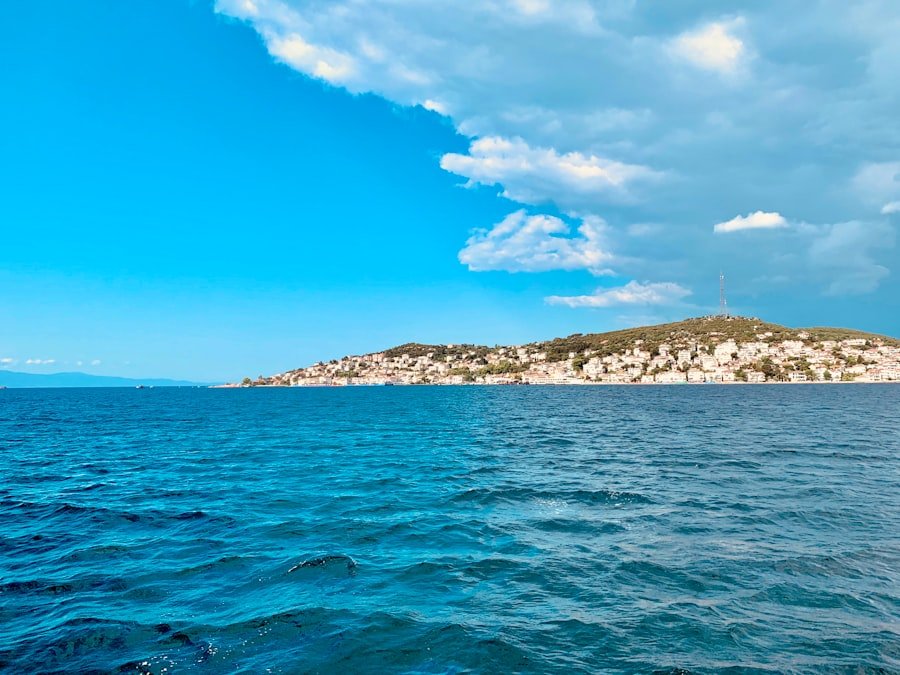
Büyükada is the largest of Istanbul’s Princes’ Islands and one of the easiest places to experience historic wooden mansions, pine-covered hills, Greek Orthodox landmarks, waterfront restaurants, and a slower pace within reach of the city. Ferries connect the island with several Istanbul piers, while most local exploration is done on foot, by bicycle, or with authorized electric public transport.
Quick Answer
Büyükada is the largest of Istanbul’s Princes’ Islands and a popular day-trip or overnight destination known for historic mansions, Aya Yorgi, pine-covered hills, seaside dining, and ferry access from Istanbul. Horse-drawn public transport ended in 2020; visitors now mainly walk, cycle, or use IETT electric vehicles.
Key Takeaways
- Büyükada is the largest of the Princes’ Islands in the Sea of Marmara and is reached mainly by ferry from Istanbul.
- The island has deep Byzantine and Ottoman-era history, including a long association with monasteries, exile, summer residences, and multicultural communities.
- Historic wooden mansions are a defining feature of Büyükada’s late-Ottoman architectural landscape.
- Aya Yorgi is one of the island’s best-known religious landmarks, but its history includes several different dates rather than one simple construction year.
- Horse-drawn public transportation was discontinued in 2020. Walking, bicycles, and IETT electric vehicles are now the main ways to move around the island.
The History of Büyükada
Büyükada has a long history tied to the wider Princes’ Islands archipelago. Historical sources connect the islands especially strongly with the Byzantine or Eastern Roman period, when monasteries and isolated island locations were used for religious retreat and, at times, for the exile of members of the imperial family and other prominent figures.
The island was historically known as Prinkipo or Prinkipos. Its connection with Byzantine religious life can still be seen in the histories of its churches and monasteries. However, claims about specific prehistoric settlers should be treated cautiously unless supported by archaeological evidence. It is safer to describe Büyükada’s well-documented historical importance as extending back through antiquity and becoming especially visible in Byzantine records.
After the Ottoman conquest of Constantinople in the 15th century, the islands became part of the Ottoman world. Their character changed significantly during the 19th century as improved ferry connections helped turn the Princes’ Islands into summer retreats for wealthy residents of Istanbul. Greek, Armenian, Jewish, Muslim, and other communities contributed to the islands’ social and architectural character.
The late 19th and early 20th centuries left one of the clearest marks on Büyükada. Villas, mansions, religious buildings, hotels, gardens, and other structures from this period still shape many streets today. This combination of Byzantine religious history, Ottoman-era development, and later resort culture gives Büyükada a much richer story than a simple beach-day destination.
Büyükada is best understood as a layered cultural landscape: a place shaped by Byzantine religious history, Ottoman-era communities, 19th-century summer-resort development, and modern Istanbul life.
The Architecture of Büyükada
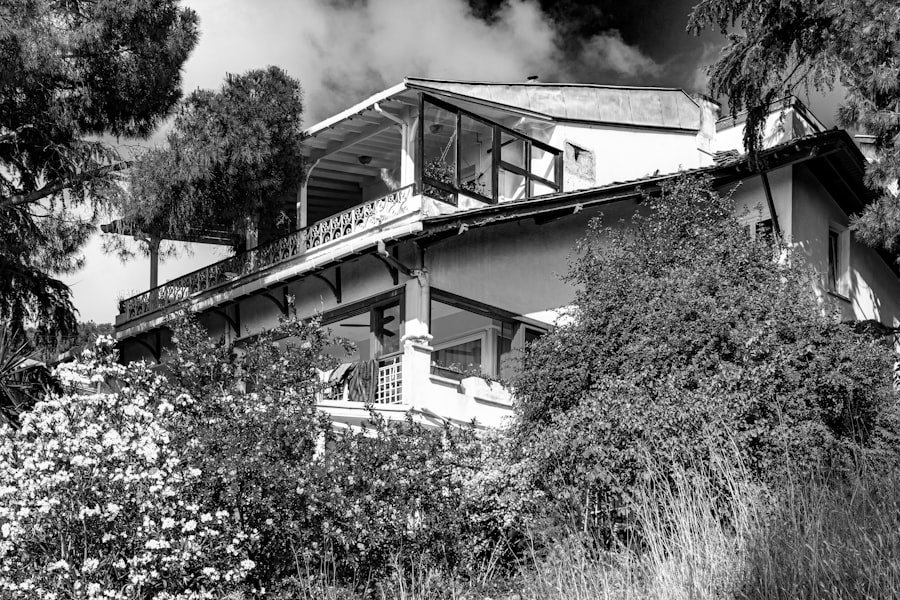
The architectural landscape of Büyükada is one of the main reasons to explore beyond the ferry pier. Many streets contain late-Ottoman and early-20th-century wooden houses, villas, and mansions with balconies, decorative woodwork, bay windows, gardens, and carefully designed facades.
This residential heritage reflects Büyükada’s growth as a summer retreat for affluent Istanbul families during the 19th and early 20th centuries. Rather than representing one single style, the island’s buildings show a mixture of Ottoman-period residential design and European architectural influences. Academic research on Büyükada describes this built environment as an important part of the island’s distinctive cultural landscape.
One of Büyükada’s most remarkable large wooden structures is the historic Greek Orphanage on Hristos Hill. Although visitors should not assume that every historic building is open to the public, viewing these structures from public streets and paths helps explain the scale of the island’s former Greek community and summer-resort culture.
Religious architecture adds another layer. The island contains Greek Orthodox churches and monasteries as well as mosques from the Ottoman period. The Hamidiye Mosque, associated with the reign of Sultan Abdülhamid II, is an important example of Büyükada’s Muslim architectural heritage.
Note: Many historic mansions on Büyükada are private residences. Enjoy their architecture from public streets unless a property is clearly operating as a museum, hotel, restaurant, or other publicly accessible venue.
Religious Sites on Büyükada
| Religious Site | Tradition / Period | What to Know |
|---|---|---|
| Aya Yorgi Church and Monastery | Monastic tradition linked to 963; older complex documented in 1751; present stone church built in 1905 and opened in the early 20th century | Located on Yücetepe and reached by a steep final walk. |
| Aya Nikola Monastery | Byzantine roots with later rebuilding | Part of Büyükada’s long Greek Orthodox monastic history. |
| Hagia Triada Greek Orthodox Church | Historic Greek Orthodox heritage | One of the churches reflecting the island’s historic Christian community. |
| Hamidiye Mosque | Late Ottoman period | Represents the Muslim and Ottoman architectural history of the island. |
Aya Yorgi, also known as the Monastery of St. George, is Büyükada’s best-known pilgrimage site. Its chronology is often simplified incorrectly. Local historical sources connect the monastic tradition with the Byzantine period and a traditional date of 963. Patriarchal records cited by local cultural sources describe an older complex dating from 1751, while the present stone church on the hill was built in 1905 and opened a few years later.
The climb is part of the experience. Aya Yorgi stands on Yücetepe, the island’s highest hill, and the final approach is steep. The reward is a broad view across the island and the Sea of Marmara.
Aya Nikola is another important part of Büyükada’s Orthodox heritage. Its history includes Byzantine roots and later rebuilding, illustrating why a single “year built” can be misleading for religious complexes that evolved over centuries.
The Hamidiye Mosque adds an important Ottoman and Muslim dimension to the island’s religious landscape. Together, Büyükada’s churches, monasteries, and mosques show how several communities contributed to its identity.
Pro Tip: Wear comfortable shoes if you plan to visit Aya Yorgi. The final ascent is steep, and hot summer weather can make the climb more tiring than the distance alone suggests.
Exploring Nature on Büyükada
Büyükada combines dense settlement near the ferry pier with wooded hills, coastal roads, rocky coves, and quieter areas farther from the center. Walking is one of the best ways to notice the change from busy waterfront streets to pine-covered slopes.
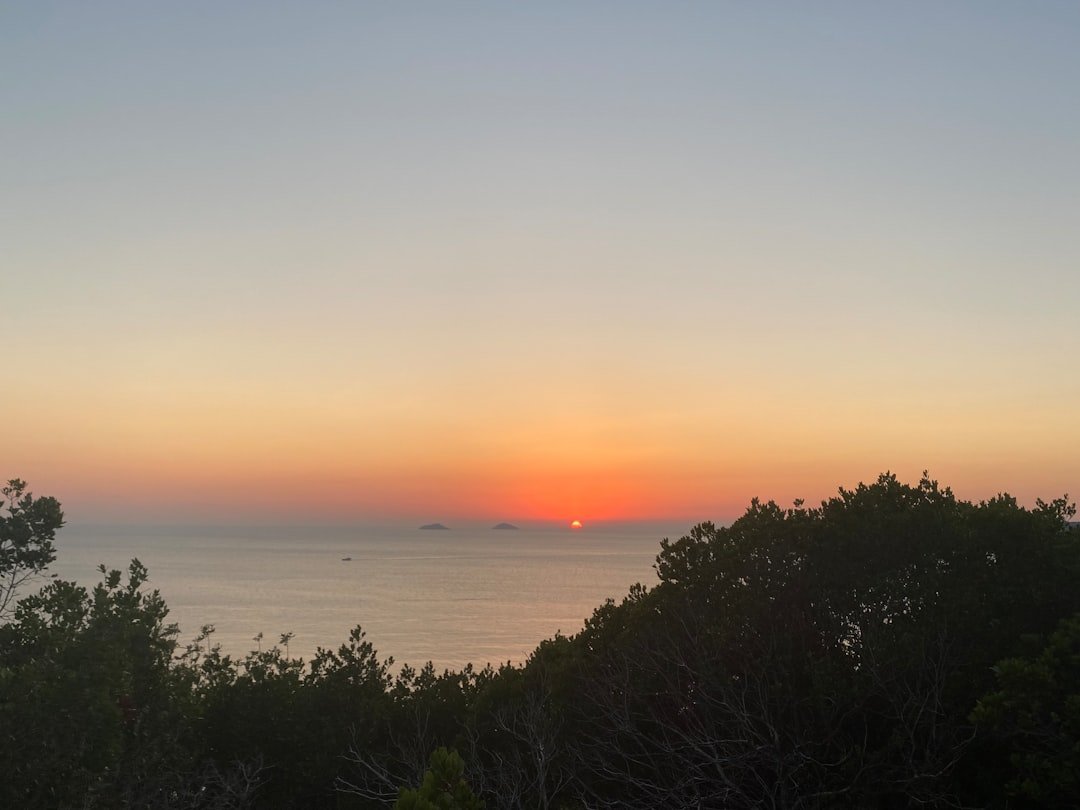
Yücetepe, where Aya Yorgi is located, is the highest point on Büyükada and one of the island’s main viewpoints. The climb provides views across the Sea of Marmara and neighboring islands.
Dilburnu is another popular area for visitors who want more greenery and coastal scenery. Depending on your route, you can combine a walk or bicycle ride with picnic areas, sea views, and quieter stretches away from the central market streets.
Büyükada also has beaches and swimming areas, but access arrangements, entrance charges, facilities, and operating seasons can vary. Some beaches are commercially operated rather than unrestricted public swimming areas, so it is better to check the conditions for the specific beach you plan to use.
During hot weather, carry drinking water, use sun protection, and avoid underestimating the island’s hills. Büyükada looks compact on a map, but a full circuit plus hill climbs can become a substantial day of walking.
Local Cuisine and Dining on Büyükada
Dining is a major part of a Büyükada visit, especially around the ferry pier and waterfront. Fish, seafood, meze, salads, and familiar Turkish dishes are common choices, and many restaurants use their sea views as part of the experience.
Rather than looking for one single “official” island dish, focus on what the location does particularly well. A meal built around seasonal fish, grilled seafood, meze, vegetables, bread, and a simple dessert fits Büyükada’s coastal setting better than treating a general Istanbul street food such as kumpir as the island’s defining specialty.
You can still find casual snacks, baked potatoes, ice cream, pastries, tea, coffee, and quick meals near the busiest streets. Prices and menus can vary significantly between waterfront restaurants and smaller places farther inland.
If you want a quieter meal, consider eating outside the busiest arrival period for day-trippers. Checking the menu and prices before sitting down also makes it easier to compare restaurants along the waterfront.
Activities and Entertainment on Büyükada
The simplest Büyükada activity is also one of the best: walking through its residential streets. Historic houses, gardens, viewpoints, religious buildings, and the waterfront are spread across different parts of the island, so exploring slowly often reveals more than staying around the ferry square.
Bicycles are another popular way to cover longer distances. The island’s hills mean that some routes require more effort than they first appear to, so choose a bicycle and route that match your fitness and comfort level.
Horse-drawn carriage rides should no longer be included in current Büyükada itineraries. İstanbul Metropolitan Municipality ended horse-drawn public transportation in the Adalar district in 2020. Authorized electric vehicles now provide public transport, while walking and cycling remain important ways to explore.
During warmer months, visitors may also combine sightseeing with a beach visit or other seasonal coastal activities. Availability can depend on weather and individual operators.
Evenings are generally calmer than central Istanbul. Restaurants, cafes, and some bars remain active, especially in busy periods, but Büyükada is better known for relaxed waterfront evenings than for a large nightlife district.
Transportation on Büyükada
Büyükada’s transportation system is one of the features that most clearly separates it from mainland Istanbul. Ordinary private motor traffic is highly restricted, but the island should not be described as having no motorized vehicles at all. Authorized service vehicles and electric public-transport vehicles operate on the island.
Getting to Büyükada by Ferry
Ferries are the main way to reach Büyükada. İstanbul Şehir Hatları operates Princes’ Islands services involving piers such as Kabataş, Bostancı, Maltepe, Kadıköy, Beşiktaş, and others depending on the route and timetable.
Departure times can change by weekday, weekend, public holiday, and seasonal schedule. For that reason, visitors should use the current official Şehir Hatları timetable rather than relying on a permanent ferry time quoted in a travel article.
Getting Around the Island
IETT operates electric public transportation on Büyükada. Current listed routes include BA1 Çarşı–Tepeköy–Kadıyoran, BA4 Çarşı–Kumsal–Maden, and BA5 Çarşı–Nizam.
These services are especially useful for residents, visitors with limited mobility, families, and anyone who does not want to walk every hill. Walking remains ideal for the central area and historic streets, while bicycles can help with longer island routes.
Note: Horse-drawn public transportation was discontinued in 2020. Current guides should not recommend arriving on Büyükada expecting to take a traditional carriage tour.
Accommodations on Büyükada
Büyükada has hotels, boutique properties, pensions, guesthouses, and other small accommodations for visitors who want to stay beyond a day trip. Staying overnight changes the experience because the island often feels quieter after large groups of daytime visitors return to Istanbul.
Travelers who value historic atmosphere may prefer a restored mansion or older boutique property, while others may prioritize a waterfront location close to the ferry pier. A central location is convenient for restaurants and ferries, but accommodation farther inland can offer quieter surroundings.
Before booking, check whether the property has stairs, elevator access, air conditioning, breakfast, and luggage assistance if those features matter to you. Büyükada’s hilly terrain and older buildings can make these details more important than they would be in a modern city hotel.
Shopping on Büyükada
Most casual shopping is concentrated around the ferry landing, market streets, and central commercial area. Visitors can find souvenirs, clothing, accessories, food products, sweets, and small decorative items.
Historic Büyükada has a strong craft and residential heritage, but not every souvenir sold near the pier is necessarily handmade on the island. If local production matters to you, ask where an item was made before buying it.
Food shops and markets can also be useful if you are staying overnight or planning a picnic. Fresh produce, cheese, olives, bread, snacks, and drinks are practical choices for a day outdoors.
Tips for Visiting Büyükada
- Check the ferry timetable before leaving. Routes and departure times vary by day and season.
- Visit on a weekday if possible. Weekends and holidays can bring significantly larger day-trip crowds.
- Wear comfortable walking shoes. Büyükada has hills, uneven surfaces, and a steep approach to Aya Yorgi.
- Carry water in warm weather. A long walking or cycling route can be tiring in summer.
- Use sun protection. Coastal roads and hilltop areas can leave you exposed to strong sun.
- Do not plan around horse-drawn carriages. They were removed from public transportation in 2020.
- Use electric public transport when needed. IETT operates island routes serving several Büyükada neighborhoods.
- Respect active religious sites. Dress and behave appropriately, keep noise low, and follow any entry rules posted at churches, monasteries, or mosques.
- Allow more time than the map suggests. Hills, photo stops, meals, and ferry queues can turn a short route into a full-day visit.
- Consider staying overnight. The island can feel noticeably calmer after the main day-trip period ends.
Büyükada rewards visitors who look beyond the ferry square. Its strongest appeal comes from the combination of historic streets, religious heritage, wooded hills, coastal scenery, and the unusual experience of exploring an Istanbul district where walking and electric public transport play a much larger role than ordinary road traffic.
Frequently Asked Questions
What is the history of Büyükada?
Büyükada has ancient roots and became especially important during the Byzantine period, when the Princes’ Islands were associated with monasteries, religious retreat, and the exile of prominent figures. During the Ottoman period and especially the 19th century, improved ferry access helped the island develop into a summer-resort community with mansions, religious buildings, and a multicultural population.
Who were the early inhabitants of Büyükada?
The island has connections to antiquity, but claims naming the Hittites as confirmed Büyükada settlers around 3000 BC should not be presented as established fact without strong archaeological evidence. Büyükada’s securely documented historical importance is much clearer from the Byzantine period onward.
What role did Büyükada play in Byzantine and Ottoman history?
The Princes’ Islands were used for religious retreat and exile during Byzantine history, and Büyükada developed several important monastic sites. Under Ottoman rule, the island later grew into a major summer retreat, particularly during the 19th century, when ferry travel encouraged the construction of mansions and villas.
How did Büyükada change during the 20th century?
Büyükada continued to function as a resort and residential island, but political, demographic, and social changes altered the communities that had shaped its late-Ottoman character. Historic mansions, churches, hotels, and other buildings still preserve visible traces of that earlier period.
What is Büyükada like today?
Today Büyükada is both a residential part of Istanbul’s Adalar district and a popular visitor destination. People come for its historic architecture, religious sites, coastal scenery, restaurants, walking routes, cycling, beaches, and easy ferry access from Istanbul.
Are there still horse-drawn carriages on Büyükada?
No. Horse-drawn public transportation in the Adalar district was discontinued in 2020. IETT now provides electric public transportation, while walking and cycling are also common ways to explore Büyükada.
How do you get to Büyükada from Istanbul?
Büyükada is reached mainly by ferry. Şehir Hatları operates Princes’ Islands services involving several Istanbul piers, including routes connected with Kabataş, Bostancı, Maltepe, Kadıköy, and Beşiktaş. Check the current official timetable because schedules vary.
Can you visit Büyükada in one day?
Yes. Büyükada is a popular day trip, especially if you focus on the historic center, a scenic walking or cycling route, Aya Yorgi, and a waterfront meal. Staying overnight is better if you want a slower pace and a quieter evening after day-trippers leave.
Sources
- GoTürkiye — Büyükada — official tourism information on Büyükada, its landscape, landmarks, and visitor appeal.
- İstanbul Metropolitan Municipality — Adalar planning and transport history — documents the 2020 decision ending horse-drawn public transportation and introducing electric transport.
- IETT — Transportation in the Princes’ Islands — current Büyükada public-transport routes including BA1, BA4, and BA5.
- Şehir Hatları — Kabataş–Princes’ Islands ferry service — official ferry timetable and island connections.
- Adalar Municipality — Aya Yorgi Rum Monastery — historical background on the Aya Yorgi site and its Byzantine tradition.
- Heritage — The Characteristics of Büyükada as a Cultural Landscape — academic research supporting the island’s historical, architectural, and cultural significance.