

Engadine, a picturesque valley nestled in the Swiss Alps, is a region that captivates visitors with its stunning landscapes, rich cultural heritage, and a plethora of outdoor activities. Spanning approximately 80 kilometers, this enchanting valley is located in the canton of Graubünden and is renowned for its breathtaking scenery, which includes towering peaks, crystal-clear lakes, and lush meadows. The valley is divided into two main sections: the Upper Engadine, characterized by its high-altitude lakes and ski resorts, and the Lower Engadine, known for its charming villages and traditional architecture.
The Engadine region is not just a feast for the eyes; it is also steeped in history and culture. The area has been inhabited since prehistoric times, with evidence of ancient settlements found throughout the valley. The Romans referred to it as “Engadina,” and remnants of their presence can still be seen today.
The local culture is a blend of Swiss traditions and influences from neighboring Italy, which is reflected in the architecture, cuisine, and dialects spoken by the residents. This unique cultural tapestry makes Engadine a fascinating destination for those seeking both adventure and insight into the region’s heritage.
Key Takeaways
- Engadine is a picturesque region in the Swiss Alps, known for its stunning landscapes and diverse hiking trails.
- When planning your hiking adventure in Engadine, consider the difficulty level of the trails, the weather, and the necessary gear and supplies.
- Some of the top hikes in Engadine include the Muottas Muragl Panorama Trail, the Bernina Express Trail, and the Val Roseg Trail.
- Safety tips for hiking in Engadine include staying on marked trails, being aware of weather changes, carrying essential supplies, and informing someone of your hiking plans.
- Engadine is home to a variety of wildlife and natural beauty, including ibex, marmots, and alpine flowers.
Planning Your Hiking Adventure
When planning a hiking adventure in Engadine, it is essential to consider several factors to ensure a safe and enjoyable experience. First and foremost, understanding the terrain and trail difficulty levels is crucial. The region offers a wide range of hiking trails suitable for all skill levels, from leisurely walks around scenic lakes to challenging ascents that reward hikers with panoramic views of the Alps.
Resources such as local hiking maps, guidebooks, and online platforms can provide valuable information about trail conditions, distances, and elevation changes. Another important aspect of planning your hike is to consider the time of year you will be visiting. The hiking season in Engadine typically runs from late spring to early autumn, with the best conditions often found between June and September.
During this period, the weather is generally mild, and the trails are well-maintained. However, it is advisable to check weather forecasts before embarking on your hike, as conditions can change rapidly in the mountains. Additionally, packing appropriate gear is essential; sturdy hiking boots, weather-resistant clothing, and sufficient water and snacks will enhance your hiking experience.
Top Hikes in Engadine
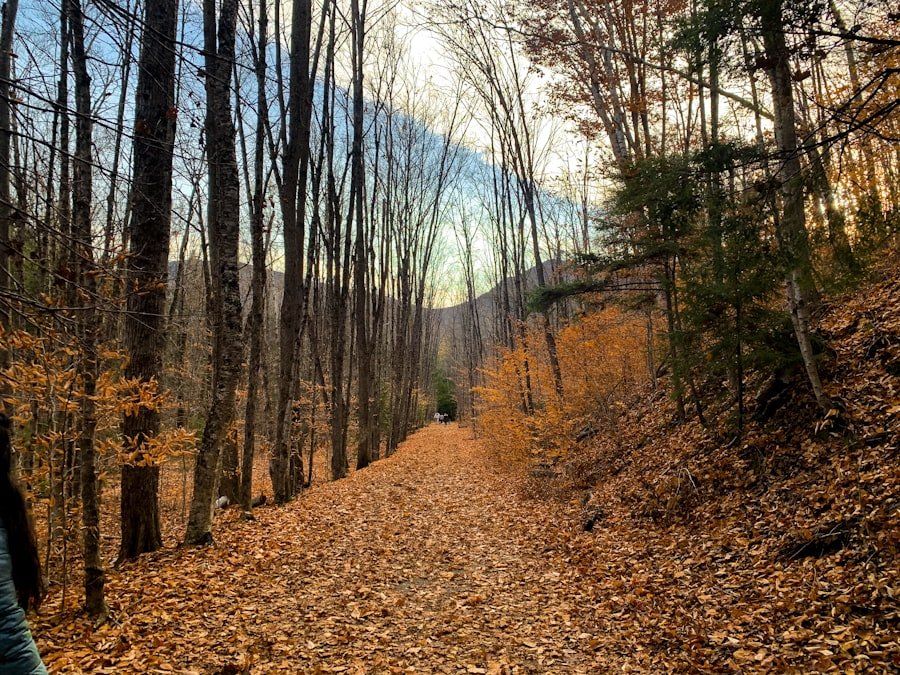
Engadine boasts an impressive array of hiking trails that cater to various preferences and abilities. One of the most popular hikes is the Muottas Muragl Panorama Trail. This relatively easy trail begins at the summit of Muottas Muragl, accessible via a funicular railway from the valley floor.
The trail meanders along the ridge, offering breathtaking views of Lake St. Moritz and the surrounding peaks. Hikers can enjoy the vibrant alpine flora while taking in the stunning vistas that stretch across the valley.
For those seeking a more challenging adventure, the hike to Piz Bernina is an exhilarating option. As the highest peak in the Eastern Alps, Piz Bernina stands at 4,049 meters and presents a demanding ascent that requires technical climbing skills. The route typically starts from the Diavolezza cable car station and involves traversing glaciers and rocky terrain.
Another noteworthy trail is the Fanes-Senes-Braies Nature Park hike, which showcases some of the most stunning landscapes in the Dolomites. This moderate hike takes you through lush meadows dotted with wildflowers and past dramatic rock formations.
The park is also home to several alpine lakes that provide perfect spots for a picnic or a refreshing dip on a warm day.
Safety Tips for Hiking in Engadine
| Safety Tips for Hiking in Engadine |
|---|
| 1. Check the weather forecast before heading out. |
| 2. Inform someone about your hiking plans and expected return time. |
| 3. Wear appropriate clothing and footwear for the terrain. |
| 4. Carry enough water and snacks for the hike. |
| 5. Stay on marked trails and follow all signs and warnings. |
| 6. Be aware of wildlife and respect their habitat. |
| 7. Carry a map, compass, or GPS device for navigation. |
| 8. Be prepared for changes in weather and sudden emergencies. |
| 9. Stay alert and aware of your surroundings at all times. |
| 10. Leave no trace and pack out all trash and waste. |
Safety should always be a top priority when hiking in Engadine’s mountainous terrain. One of the most critical aspects of ensuring safety is being aware of your physical limits and choosing trails that match your fitness level. It is advisable to start with easier hikes if you are new to hiking or unfamiliar with the area.
Additionally, always inform someone about your hiking plans before setting out, especially if you are venturing into remote areas. Weather conditions can change rapidly in the mountains, so it is essential to be prepared for various scenarios. Carrying a map or GPS device can help you navigate unfamiliar trails, while a first-aid kit can be invaluable in case of minor injuries.
It is also wise to pack extra layers of clothing to accommodate temperature fluctuations throughout the day. Hiking with a buddy or group can enhance safety by providing support in case of emergencies. Moreover, understanding local wildlife and respecting their habitats is crucial for both your safety and conservation efforts.
While encounters with animals such as marmots or ibex are common in Engadine, it is important to observe them from a distance and avoid feeding them. This not only protects you but also helps maintain their natural behaviors.
Wildlife and Nature in Engadine
Engadine’s diverse ecosystems are home to an array of wildlife that thrives in its pristine natural environment. The region’s varied altitudes create distinct habitats ranging from lush valleys to rocky alpine terrains. Among the most iconic animals found here are the chamois and ibex, both of which are adept climbers that navigate steep slopes with ease.
These agile creatures can often be spotted grazing on grassy ledges or bounding across rocky outcrops. Birdwatchers will also find Engadine to be a paradise, as it hosts numerous bird species throughout different seasons. The golden eagle, with its impressive wingspan and keen eyesight, soars high above the valleys while searching for prey.
In contrast, smaller birds like alpine choughs can be seen flitting around mountain huts and trails, often unafraid of human presence. The region’s rich biodiversity extends to its flora as well; hikers can marvel at vibrant wildflowers that bloom during summer months, painting the meadows in hues of purple, yellow, and red. The preservation of these natural habitats is vital for maintaining ecological balance.
Conservation efforts in Engadine focus on protecting endangered species and their environments while promoting sustainable tourism practices that allow visitors to appreciate nature without causing harm. Engaging with local conservation organizations can provide insights into ongoing projects aimed at preserving this unique ecosystem.
Best Time to Visit Engadine for Hiking
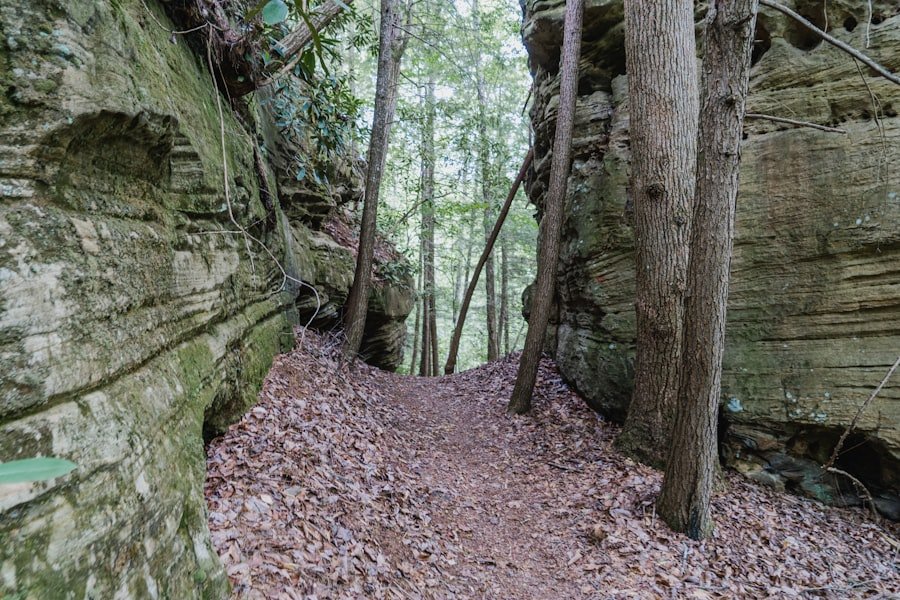
The best time to visit Engadine for hiking largely depends on personal preferences regarding weather conditions and trail accessibility. Generally speaking, late spring through early autumn offers optimal hiking conditions. Late June marks the beginning of summer when most trails are fully accessible after winter snowmelt.
During this time, hikers can enjoy mild temperatures averaging between 15°C to 25°C (59°F to 77°F), making it comfortable for long treks. July and August are peak months for hiking enthusiasts due to longer daylight hours and stable weather patterns. This period sees an influx of visitors drawn by the allure of lush green landscapes adorned with colorful wildflowers.
However, it’s important to note that these months can also attract larger crowds on popular trails; thus, early morning hikes may provide a more serene experience. As autumn approaches in September and October, hikers can witness a stunning transformation as foliage shifts from vibrant greens to warm hues of orange and gold. This season offers cooler temperatures ideal for those who prefer less strenuous hikes without excessive heat.
Additionally, fewer tourists during this time allow for a more tranquil experience on the trails.
Exploring Engadine’s Cultural and Historical Sites
Beyond its natural beauty, Engadine is rich in cultural heritage that reflects centuries of history and tradition. The region boasts charming villages such as Sils Maria and Pontresina, where visitors can wander through narrow streets lined with traditional wooden chalets adorned with intricate carvings. These villages serve as living museums showcasing local architecture influenced by both Swiss and Italian styles.
One significant historical site worth exploring is the Church of St. John in Sils Maria, which dates back to the 12th century. This Romanesque church features stunning frescoes that depict biblical scenes and offer insight into medieval art forms prevalent during that era.
Additionally, nearby Muottas Muragl offers not only breathtaking views but also historical significance as it was once a popular retreat for artists and writers seeking inspiration from nature. Engadine’s cultural landscape extends beyond architecture; it encompasses local festivals celebrating traditional customs such as folk music performances or culinary events featuring regional delicacies like Pizzoccheri (buckwheat pasta) or Capuns (Swiss chard dumplings). Participating in these festivities provides an opportunity to connect with locals while gaining deeper insights into their way of life.
Embracing Adventure in Engadine
Engadine stands as a testament to nature’s grandeur intertwined with rich cultural heritage waiting to be explored by adventurers from all walks of life. With its diverse hiking trails catering to varying skill levels alongside breathtaking landscapes teeming with wildlife, this Swiss gem offers an unparalleled outdoor experience that beckons travelers year-round. Whether you seek adrenaline-pumping ascents or leisurely strolls through picturesque valleys adorned with wildflowers, Engadine promises unforgettable memories etched against stunning backdrops steeped in history.
As you lace up your hiking boots and set forth on your journey through this enchanting valley, prepare yourself not just for physical challenges but also for moments of reflection amidst nature’s splendor—a true embrace of adventure awaits you in Engadine!
If you’re planning a trip to the Engadine region and are interested in exploring its breathtaking hiking trails, you might also enjoy discovering the local culinary delights.
For more details on how to prepare this delightful dish, check out this related article: Delicious Homemade Cottage Cheese: A Simple and Healthy Recipe. This recipe can provide a nutritious and satisfying end to your adventurous day in the stunning landscapes of Engadine.
FAQs
What is Engadine?
Engadine is a region in the southeastern part of Switzerland, known for its stunning alpine landscapes, picturesque villages, and outdoor recreational activities.
What are the best hikes in Engadine?
Some of the best hikes in Engadine include the Muottas Muragl Panorama Trail, the Val Roseg Trail, the Diavolezza to Morteratsch Glacier Trail, and the Bernina Pass to Alp Grüm Trail.
What are the difficulty levels of these hikes?
The difficulty levels of the hikes in Engadine vary, with some being relatively easy and suitable for beginners, while others are more challenging and require a higher level of fitness and hiking experience.
What are the highlights of these hikes?
The hikes in Engadine offer breathtaking views of the Swiss Alps, pristine mountain lakes, lush meadows, and the opportunity to spot local wildlife such as ibex and marmots.
When is the best time to hike in Engadine?
The best time to hike in Engadine is during the summer months, from June to September, when the weather is generally mild and the trails are free from snow. However, some lower elevation hikes can be enjoyed in the spring and fall as well.
Are there any guided tours available for these hikes?
Yes, there are guided hiking tours available for those who prefer to explore the trails with the assistance of a knowledgeable local guide. These tours often provide valuable insights into the region’s history, culture, and natural environment.