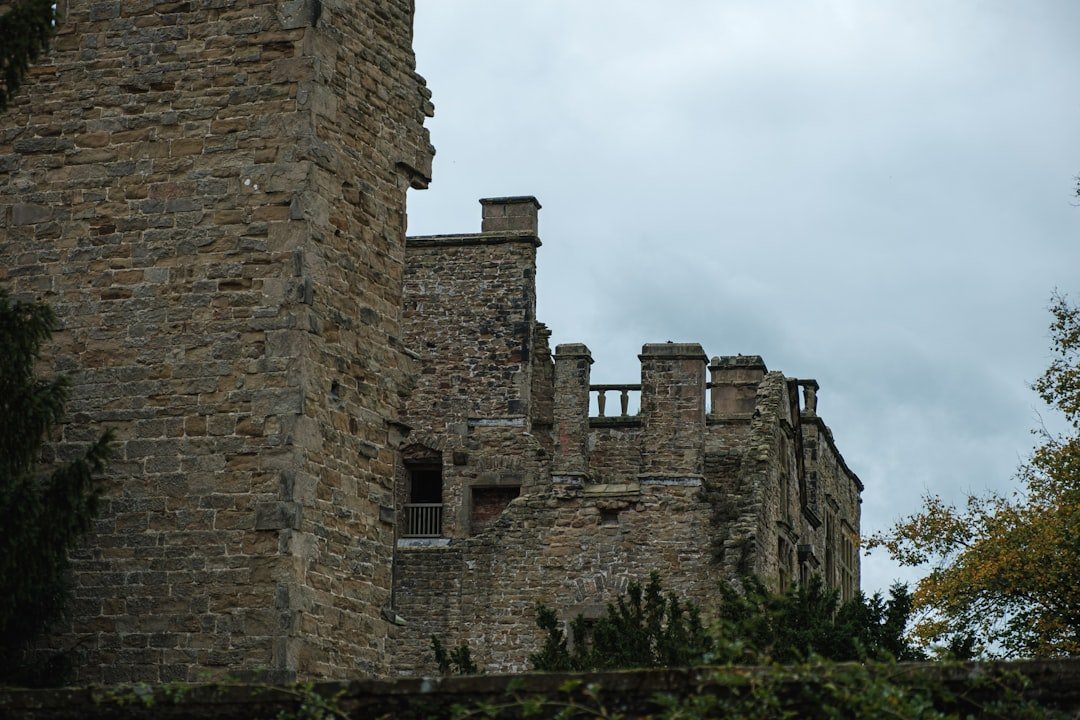
Gruyères Castle, or Château de Gruyères, rises above the medieval town of Gruyères in Switzerland’s canton of Fribourg. Built in the 13th century, the castle combines medieval defenses, later residential rooms, historic art, a seasonal garden, and wide views toward the Fribourg Pre-Alps. It is one of the most rewarding stops for travelers exploring the Gruyère region.
Quick Answer
Gruyères Castle is a 13th-century castle and museum in Gruyères, Fribourg. Plan about one hour for the castle itself. Adult admission is currently CHF 13, and the castle opens every day. The H.R. Giger Museum is nearby in the medieval town, but it is a separate museum rather than part of the castle.
Key Takeaways
- Gruyères Castle was built in the 13th century and is first documented in 1244.
- The castle is open daily, with hours of 9:00 am to 6:00 pm from April through October and 10:00 am to 5:00 pm from November through March.
- Current admission is CHF 13 for adults, CHF 9 for seniors and students, and CHF 5 for children ages 6 to 15; children under 6 enter free.
- Allow about one hour for the castle, or a half-day if you also want to explore the medieval town and a nearby attraction.
- The H.R. Giger Museum and La Maison du Gruyère are separate nearby attractions that can easily be combined with a castle visit.
Plan Your Visit to Gruyères Castle
The most useful details to check before visiting are opening hours, ticket prices, transport, and how much time you need. The official Gruyères Castle visitor information should always be the final reference for same-day changes.
Gruyères Castle Visitor Information
| April to October | 9:00 am to 6:00 pm |
| November to March | 10:00 am to 5:00 pm |
| Last Entry | 45 minutes before closing |
| Suggested Visit Time | About 1 hour for the castle and temporary exhibition |
| Adult Admission | CHF 13 |
| Senior / Student | CHF 9 |
| Children | CHF 5 ages 6 to 15; under 6 free |
| Family Ticket | CHF 29 for 2 adults and up to 3 children |
The castle is open every day, including Christmas Day and New Year’s Day. The admission ticket covers the castle, temporary exhibitions, and access to the garden when the garden is open.
Combined Tickets
If you plan to visit more than one attraction on the same day, the castle currently offers adult combined tickets purchased on site. Castle plus La Maison du Gruyère costs CHF 17, Castle plus H.R. Giger Museum costs CHF 20, and Castle plus Tibet Museum costs CHF 18. Because prices can change, confirm them on the official information page before your trip.
Getting to Gruyères Castle
The medieval center of Gruyères is closed to normal car traffic. If you drive, use one of the parking areas below the town and allow roughly 10 to 20 minutes to walk uphill through the medieval streets to the castle.
By public transport, Gruyères-Gare railway station is about a 20-minute walk from the castle. The Gruyères-Ville bus stop is closer, with a walk of roughly 5 to 10 minutes from the entrance to the medieval town.
Pro Tip: If you want time for the castle, the medieval streets, lunch, and one additional attraction, give Gruyères at least half a day rather than trying to rush through the castle alone.
History of Gruyères Castle
Gruyères Castle was built in the 13th century as the principal residence of the Counts of Gruyère, one of the important noble families of medieval western Switzerland. The castle appears in surviving records for the first time in 1244.
Its original design followed a form known as the carré savoyard, a roughly square fortified layout associated with the House of Savoy, to whom the Counts of Gruyère were vassals. The complex included a keep, defensive walls, towers, and smaller projecting turrets.
The castle was built as a fortified residence, but it should not be described as a fortress repeatedly battered by invading armies. According to the castle’s own collection history, it was not attacked during the Middle Ages.
Major work under Count Louis during the 15th century gradually transformed the fortress into a more comfortable noble residence. Stone galleries and larger windows were added, a staircase tower was built, and the Chapel of St. John the Baptist was installed inside a former defensive tower.
The Counts of Gruyère ruled extensive lands around the Sarine valley for centuries. Their rule ended after Count Michel developed severe financial problems. In 1554, his properties were confiscated by his principal creditors, Bern and Fribourg. The former territories were subsequently divided, and Fribourg took control of the area around Gruyères.
From 1555 to 1798, more than fifty Fribourg bailiffs served from the castle. They administered justice, finances, taxation, estates, and other regional affairs. Prefects succeeded them after 1798, and the castle continued to function as an administrative center until the prefecture moved to Bulle in 1848.
The castle was sold at auction in 1849 to the Bovy brothers from Geneva. Daniel Bovy led extensive renovations and invited painters, sculptors, musicians, and writers to spend time at Gruyères. This artistic community left an important mark on the castle’s interiors.
Among the artists connected with this period were Jean-Baptiste Camille Corot and Barthélemy Menn. Their landscapes remain part of the castle’s artistic story, while the dramatic decoration of the Knights’ Room reflects the 19th-century revival of interest in the medieval Counts of Gruyère.
The Canton of Fribourg later bought the property back, and the castle opened to the public as a museum in 1939. Today its collections cover roughly eight centuries of history, art, architecture, and regional legends. You can read the full documented timeline on the official castle history page.
Gruyères Castle is more than a preserved medieval fortress. Its rooms record successive eras of counts, Fribourg administrators, 19th-century artists, and the modern museum.
Touring Gruyères Castle: What to Expect
A normal visit is self-guided. Information panels throughout the rooms explain the castle’s history and successive occupants, so individual visitors do not need a guided tour to understand the main exhibits.
Allow approximately one hour for the castle and a temporary exhibition. Visitors who enjoy art, architecture, photography, or detailed historical displays may want longer.
Rooms and Collections to Look For
The route contains furniture, objects, paintings, decorative arts, and architectural details dating from the Middle Ages through the modern era. Highlights include the Guard Room near the base of the keep, historic kitchens, the chapel, the Bailiffs’ Room, 19th-century salons, and the Knights’ Room.
The Chapel of St. John the Baptist is particularly important. The present chapel dates from the 15th century, and its stained-glass windows were made in 1482 by a workshop in Vevey.
The Bailiffs’ Room preserves painted decoration, heraldic stained glass, and a ceramic stove associated with the period when Fribourg’s representatives governed from the castle. The Knights’ Room, by contrast, reflects the romantic 19th-century interpretation of Gruyère’s medieval past.
The castle also maintains temporary exhibitions, including contemporary art projects that sometimes place modern works within historic rooms. See the official castle visit page for the current visitor experience.
Guided Tours
Guided tours are available primarily for groups and must be reserved in advance. The standard castle tour lasts about one hour and is offered in several languages. The castle also offers selected storytelling, themed, family, and other group activities.
The official FAQ says guided activities should be reserved at least two days ahead and cannot simply be booked after arriving at the castle. Check the guided tours and activities page for current options and prices.
Note: The castle offers a smartphone visit application, but its website currently reports technical issues with the audio-guide function. Room information and paper visitor material provide a useful backup.
Notable Features of Gruyères Castle
| Feature | Why It Matters |
|---|---|
| Medieval architecture | The fortified layout preserves the character of a medieval Savoyard-style castle. |
| Chapel | The 15th-century chapel includes stained glass dating to 1482. |
| Bailiffs’ interiors | Paintings, heraldry, furnishings, and decoration document the period of Fribourg administration. |
| 19th-century art | Works connected with Jean-Baptiste Camille Corot, Barthélemy Menn, Daniel Bovy, and the artists’ colony reveal a second major chapter in the castle’s history. |
| Gardens and views | The outdoor areas overlook the countryside and Fribourg Alpine foothills; garden access is seasonal. |
The castle’s value comes from the way these periods overlap. Visitors move from medieval defensive spaces into rooms altered by Fribourg administrators and then into interiors reshaped by 19th-century artists.
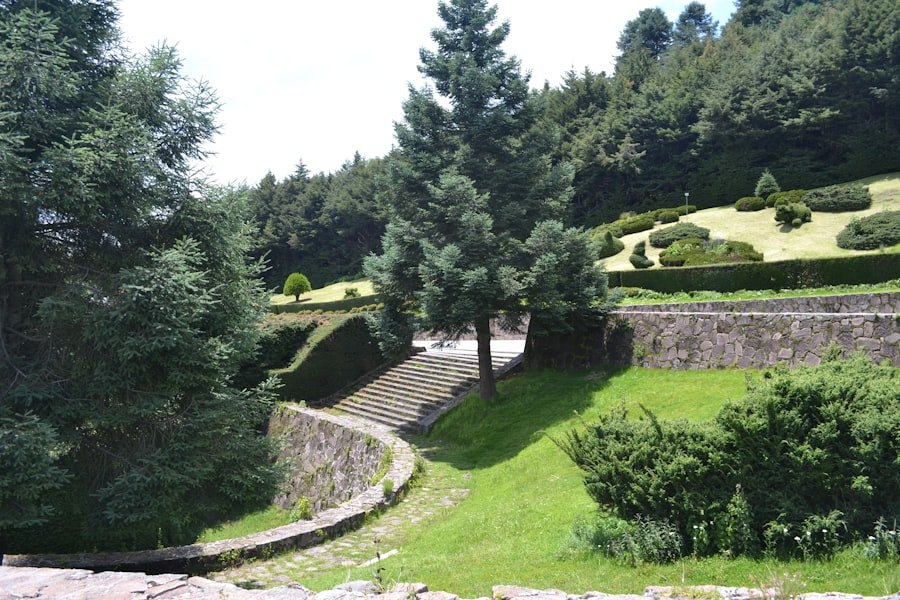
The present French-style garden was developed into its current form around 1900 by the Bovy and Balland families. Its formal design contrasts with the green hills and mountain landscape surrounding Gruyères.
Exploring the Area Around Gruyères Castle
The castle occupies the upper end of the small medieval town, so most of central Gruyères can be explored on foot. Allow extra time to walk the cobbled streets, see historic buildings, browse shops, and eat at one of the town’s restaurants.
H.R. Giger Museum
The H.R. Giger Museum is an important nearby attraction, but it is not located inside Gruyères Castle. It occupies Château St-Germain at Rue du Château 2 in the medieval town.
The museum holds an extensive collection of original work by Swiss artist H.R. Giger, including paintings, sculptures, and material connected with his film-design career. Because some works may not be suitable for younger children, the museum requires visitors under 16 to be accompanied by an adult. Check the official H.R. Giger Museum visitor information before visiting.
La Maison du Gruyère
Gruyères is closely associated with Le Gruyère AOP cheese. At the foot of the hill near Gruyères railway station, La Maison du Gruyère explains the production and history of the region’s famous cheese.
The attraction includes an interactive exhibition, cheese-production viewing opportunities, a shop, and a restaurant. Because it sits near the station, it works especially well before walking uphill to the medieval town or after returning from the castle.
Walking and the Surrounding Countryside
The broader Gruyère region lies at the foot of the Fribourg Pre-Alps and offers hiking, mountain excursions, and countryside scenery. Travelers staying longer can combine the historic town with outdoor activities elsewhere in the region.
Tips for Visiting Gruyères Castle
- Check official hours before leaving: Seasonal opening times are stable at present, but temporary closures or event arrangements can change.
- Do not arrive too close to closing: Last admission is 45 minutes before closing, and the castle recommends arriving at least one hour before closing for a proper visit.
- Wear comfortable shoes: A castle visit involves stairs, historic surfaces, and an uphill walk if arriving from the station or parking areas.
- Allow about one hour inside: Add considerably more time if you also want to explore the town, H.R. Giger Museum, or La Maison du Gruyère.
- Book guided tours ahead: Group tours and special activities require advance reservations.
- Take photos without flash: Private photography is allowed inside, but flash photography is prohibited.
- Leave drones at home: Drone flights over the town, castle, and gardens are prohibited.
Accessibility and Families
Gruyères Castle is a historic building with numerous stairs. Wheelchair users can reach the panoramic esplanade, courtyard, and accessible seasonal outdoor areas, but the castle rooms and upper floors are reached by stairs and are not fully wheelchair accessible.
Strollers and back baby carriers are not permitted inside the castle rooms for accessibility and safety reasons. A changing table is available at the castle reception.
Warning: If anyone in your group has limited mobility, check the castle’s current accessibility information before purchasing tickets. The historic staircases prevent access to much of the interior for wheelchair users.
Food and Picnics
The official visitor information does not list a public restaurant inside Gruyères Castle itself. There are numerous places to eat in the medieval town, where regional dishes often feature Le Gruyère AOP cheese.
Picnicking is not permitted on the castle grounds. The castle’s official FAQ identifies a picnic area at Clos-aux-Cerfs beside the church of Gruyères.
Events and Activities at Gruyères Castle
Gruyères Castle operates as both a historic museum and an active cultural venue. Its program changes through the year and can include temporary contemporary-art exhibitions, concerts, family programs, themed activities, and special museum events.
Rather than relying on an assumed annual medieval festival, check the official Gruyères Castle program for the exhibitions and events scheduled during your dates.
Families can also use child-focused resources such as the Chalamala trail and the castle bestiary. Some organized activities, including treasure hunts and storytelling visits, are available for groups with advance booking.
Gruyères Castle as a Must-See Destination
Gruyères Castle is worth visiting because it offers more than a single period of Swiss history. Its medieval architecture forms the foundation, but the rooms also document centuries of Fribourg administration and the artistic revival created by the Bovy family and its circle of painters in the 19th century.
The location adds to the experience. Within a short walk, visitors can explore the medieval town and the separate H.R. Giger Museum, while La Maison du Gruyère sits below the hill near the railway station. That combination makes Gruyères especially suitable for a half-day or full-day cultural trip.
If you’re also browsing simple cheese recipes before or after your trip, this site has a recipe for delicious homemade cottage cheese. Cottage cheese is not the signature cheese of Gruyères, however, so travelers interested in the region’s culinary heritage should make Le Gruyère AOP the priority during their visit.
Frequently Asked Questions
What is Gruyères Castle?
Gruyères Castle is a 13th-century castle and museum in the medieval town of Gruyères in Switzerland’s canton of Fribourg. It preserves architecture, furnishings, artwork, and historical objects representing roughly eight centuries of the site’s history.
What are the opening hours of Gruyères Castle?
The castle is currently open daily from 9:00 am to 6:00 pm from April through October and from 10:00 am to 5:00 pm from November through March. Last entry is 45 minutes before closing. The castle is also open on Christmas Day and New Year’s Day.
How much does it cost to visit Gruyères Castle?
Current admission is CHF 13 for adults, CHF 9 for seniors and students, and CHF 5 for children ages 6 to 15. Children under 6 enter free. A family ticket for two adults and up to three children costs CHF 29. Check the official site before traveling because prices can change.
How long should I spend at Gruyères Castle?
The castle recommends approximately one hour for a complete visit to the permanent route and temporary exhibition. Allow a half-day if you also want to explore the medieval town and one nearby attraction.
Do I need to book a guided tour in advance?
Yes, organized guided tours and special activities require advance booking. The castle’s official FAQ recommends reserving at least two days ahead. Individual visitors can tour the castle independently without joining a guided group.
Is the H.R. Giger Museum inside Gruyères Castle?
No. The H.R. Giger Museum is a separate museum in Château St-Germain at Rue du Château 2 in the medieval town of Gruyères. It is only a short walk from Gruyères Castle, and a combined adult ticket is currently available.
Is there a restaurant inside Gruyères Castle?
The castle’s current visitor information does not list a public restaurant inside the castle. Numerous restaurants operate in the medieval town. Picnics are not permitted on castle grounds, although an official picnic area is available near the church at Clos-aux-Cerfs.
Is Gruyères Castle wheelchair accessible?
Only partially. Wheelchair users can access the esplanade, courtyard, and accessible seasonal garden areas, but the historic rooms and upper levels are reached by stairs. Visitors with limited mobility should check current arrangements with the castle before traveling.
Can I take photos inside Gruyères Castle?
Yes. Private photography is allowed inside the castle, but flash photography is prohibited. Commercial photography requires separate authorization, and large equipment may be restricted.
Sources
- Château de Gruyères: Visitor Information — current opening hours, admission prices, access, family information, and mobility guidance.
- Château de Gruyères: History — construction period, Counts of Gruyère, bailiffs, Bovy family, and museum history.
- Château de Gruyères: Collections — chapel, stained glass, historic rooms, medieval objects, Corot, Menn, and the artists’ colony.
- Château de Gruyères: Guided Tours and Activities — tour duration, booking requirements, languages, and organized activities.
- H.R. Giger Museum — separate museum location, visitor rules, accessibility, and opening information.
- La Maison du Gruyère — official information about the nearby cheese dairy and visitor attraction.