

Topkapi Palace, the former residence of Ottoman sultans, stands as a testament to the grandeur and complexity of the Ottoman Empire. Constructed in the 15th century, shortly after the conquest of Constantinople, the palace served not only as a royal residence but also as the administrative center of the empire for nearly 400 years. Its sprawling grounds encompass a series of courtyards, gardens, and ornate buildings, each reflecting the opulence and artistic achievements of the time.
Visitors are often struck by the intricate tile work, lavish decorations, and the sheer scale of the complex, which covers over 700,000 square meters. The palace is divided into several distinct sections, including the Imperial Harem, where the sultan’s family lived, and the Treasury, which houses an impressive collection of artifacts, including the famous Topkapi Dagger and the Spoonmaker’s Diamond. The architecture of Topkapi Palace is a blend of various styles, influenced by Byzantine, Persian, and Islamic traditions.
The palace’s design emphasizes both functionality and aesthetics, with its high ceilings, large windows, and courtyards that allow for natural light and ventilation. Each room tells a story of its own, from the lavishly decorated throne room to the serene gardens that offer a peaceful retreat from the bustling city outside.
Key Takeaways
- Topkapi Palace is a historical gem with stunning architecture and rich history, offering a glimpse into the opulent lifestyle of the Ottoman sultans.
- Hagia Sophia is a masterpiece of architecture, blending Byzantine and Islamic influences, and is a must-visit for its stunning dome and beautiful mosaics.
- The Grand Bazaar is a shopper’s paradise, offering a wide array of goods from traditional Turkish carpets and ceramics to spices and jewelry.
- The Blue Mosque is a symbol of Islamic architecture, with its six minarets and beautiful blue tiles, making it a must-see for visitors to Istanbul.
- A Bosphorus Cruise offers a scenic adventure, allowing visitors to take in the breathtaking views of Istanbul’s skyline and the iconic bridges connecting Europe and Asia.
Hagia Sophia: A Masterpiece of Architecture
Hagia Sophia is one of the most significant architectural achievements in history, renowned for its massive dome and stunning mosaics. Originally constructed as a cathedral in 537 AD under Emperor Justinian I, it served as the center of Orthodox Christianity for nearly a thousand years before being converted into a mosque following the Ottoman conquest of Constantinople in 1453. Today, Hagia Sophia stands as a museum, attracting millions of visitors who come to marvel at its architectural brilliance and rich history.
The most striking feature of Hagia Sophia is its enormous dome, which appears to float above the central nave. This engineering marvel was revolutionary for its time and has inspired countless structures around the world. The interior is adorned with exquisite mosaics depicting Christ, the Virgin Mary, and various saints, many of which date back to its time as a cathedral.
The interplay of light within the space creates an ethereal atmosphere, particularly when sunlight filters through the numerous windows that surround the dome. The building’s transformation from a church to a mosque is evident in its architecture; Islamic calligraphy and minarets were added to complement its Christian elements, creating a unique fusion that reflects Istanbul’s diverse cultural heritage.
The Grand Bazaar: A Shopper’s Paradise
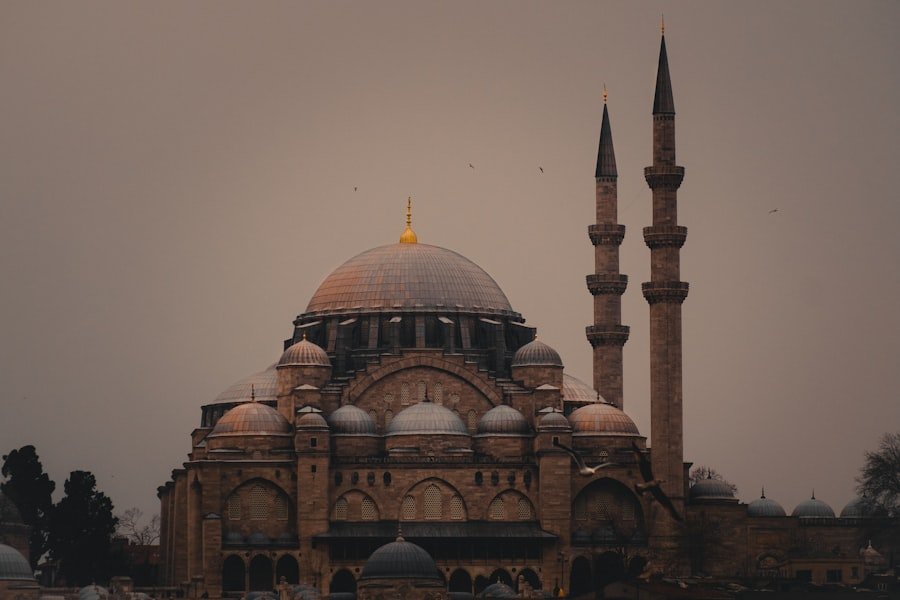
The Grand Bazaar is one of the largest and oldest covered markets in the world, boasting over 4,000 shops spread across 61 streets. Established in the 15th century, it has been a hub of commerce for centuries, attracting both locals and tourists alike. The bazaar’s labyrinthine layout can be overwhelming at first glance, but it is this very complexity that adds to its charm.
Each section of the market specializes in different goods, from textiles and jewelry to spices and ceramics, making it a treasure trove for shoppers seeking unique souvenirs. As visitors wander through the vibrant alleys of the Grand Bazaar, they are greeted by an array of colors and scents that stimulate the senses. Artisans showcase their craftsmanship in beautifully designed shops filled with handwoven carpets, intricate metalwork, and delicate glassware.
Bargaining is an integral part of the shopping experience here; haggling over prices is not only expected but also adds an element of fun to the process. The bazaar also features several cafes where weary shoppers can take a break and enjoy traditional Turkish tea or coffee while soaking in the lively atmosphere. The Grand Bazaar is not just a shopping destination; it is a cultural experience that encapsulates the spirit of Istanbul.
Blue Mosque: A Symbol of Islamic Architecture
| Aspect | Details |
|---|---|
| Location | Istanbul, Turkey |
| Construction Period | 1609-1616 |
| Architect | Sedefkâr Mehmed Ağa |
| Style | Ottoman architecture |
| Minarets | 6 |
| Dome Height | 43 meters |
| Capacity | Up to 10,000 worshippers |
The Blue Mosque, officially known as Sultan Ahmed Mosque, is an iconic symbol of Istanbul and a masterpiece of Islamic architecture. Completed in 1616 during the reign of Sultan Ahmed I, it was designed to rival Hagia Sophia in both grandeur and beauty. The mosque is renowned for its stunning blue tiles that adorn its interior walls, giving it its popular name.
With its six minarets and sweeping domes, it dominates the skyline of Istanbul and serves as a significant place of worship for Muslims. The architectural design of the Blue Mosque is characterized by its harmonious proportions and intricate details. The main prayer hall is spacious and filled with natural light streaming through large stained glass windows.
The use of calligraphy and floral motifs throughout the mosque reflects traditional Islamic art while creating an atmosphere of tranquility and reverence. Visitors are often captivated by the serene ambiance within its walls, where worshippers gather for prayer amidst breathtaking artistry. The mosque’s courtyard is equally impressive, featuring a large fountain for ablutions surrounded by elegant arches and columns.
The Blue Mosque stands not only as a place of worship but also as a cultural landmark that embodies Istanbul’s rich Islamic heritage.
Bosphorus Cruise: A Scenic Adventure
A Bosphorus cruise offers an unparalleled perspective on Istanbul’s stunning skyline and historical landmarks. Stretching between Europe and Asia, the Bosphorus Strait serves as a natural boundary that divides these two continents while providing breathtaking views of both sides. Numerous tour operators offer cruises ranging from short excursions to longer dinner cruises that allow passengers to enjoy traditional Turkish cuisine while taking in the sights.
As boats glide along the shimmering waters of the Bosphorus, passengers are treated to panoramic views of iconic structures such as Dolmabahçe Palace, Rumeli Fortress, and various charming waterfront mansions known as yalis. The juxtaposition of modern skyscrapers against ancient palaces creates a unique visual narrative that tells the story of Istanbul’s evolution over centuries. The gentle breeze from the water adds to the experience, making it an ideal way to escape the hustle and bustle of city life.
Many cruises also provide informative commentary about the history and significance of various landmarks along the route, enriching visitors’ understanding of this vibrant city.
Galata Tower: A Panoramic View of Istanbul
Unparalleled Views of Istanbul
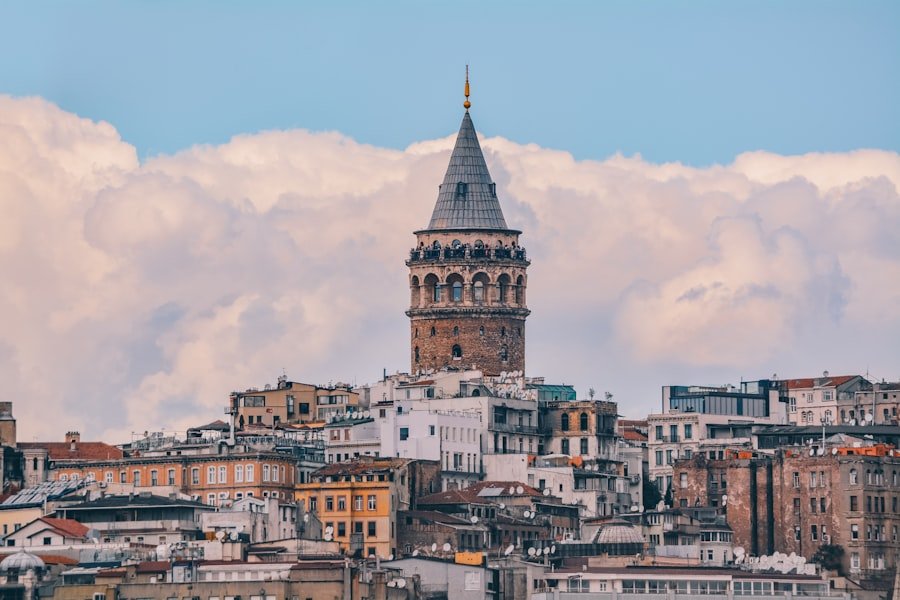
Rising to a height of approximately 66 meters, it provides an unparalleled vantage point over both the Golden Horn and the Bosphorus Strait. Climbing to the top of Galata Tower rewards visitors with sweeping vistas that encompass many of Istanbul’s most famous sites. From this height, one can see the sprawling expanse of the city below, including historic neighborhoods like Sultanahmet and Karaköy.
A Breathtaking Sunset Experience
The view is particularly enchanting at sunset when the sky transforms into a canvas of vibrant colors reflecting off the water.
Exploring the Tower’s History and Significance
Inside the tower, visitors can explore exhibits detailing its history and significance while enjoying refreshments at the café located on one of its upper floors. Galata Tower not only serves as an observation point but also as a reminder of Istanbul’s rich history and architectural diversity.
Spice Bazaar: A Feast for the Senses
The Spice Bazaar, or Egyptian Bazaar as it is sometimes called, is a sensory delight that immerses visitors in a world of vibrant colors and enticing aromas. Established in 1664 as part of the New Mosque complex, this bustling market specializes in spices but also offers a wide array of other goods such as dried fruits, nuts, sweets, and herbal teas. The bazaar’s narrow aisles are lined with stalls overflowing with colorful spices like saffron, sumac, and paprika, each promising to transport visitors to distant lands through their rich flavors.
As one navigates through this aromatic wonderland, vendors enthusiastically offer samples while sharing stories about their products’ origins and uses in traditional Turkish cuisine. The atmosphere is lively; locals haggle over prices while tourists marvel at exotic ingredients they may have never encountered before. Beyond spices, visitors can find beautifully packaged Turkish delight and baklava—sweet treats that are integral to Turkish culture.
The Spice Bazaar is not just a marketplace; it is an experience that engages all senses and provides insight into Istanbul’s culinary heritage.
Dolmabahçe Palace: A Blend of European and Ottoman Styles
Dolmabahçe Palace stands as a stunning example of architectural fusion between European Baroque influences and traditional Ottoman design. Completed in 1856 during the reign of Sultan Abdulmecid I, this opulent palace served as the main administrative center for the Ottoman Empire in its later years. Its location along the Bosphorus Strait offers picturesque views while showcasing an extravagant lifestyle characterized by luxury and grandeur.
The palace features over 300 rooms adorned with crystal chandeliers, intricate ceilings painted with gold leaf, and lavish furnishings that reflect European elegance combined with Ottoman artistry. One notable feature is its grand staircase made entirely from Baccarat crystal—a symbol of wealth that exemplifies the palace’s opulence. Visitors can explore various rooms including the ceremonial hall where important state functions were held and private quarters that reveal glimpses into royal life during its heyday.
The surrounding gardens are equally impressive; meticulously landscaped with fountains and sculptures that enhance the palace’s regal ambiance. Dolmabahçe Palace serves not only as a historical site but also as an enduring symbol of Istanbul’s rich cultural tapestry woven from diverse influences throughout its storied past.
If you’re looking for a unique and delicious culinary experience in Istanbul, be sure to check out this homemade cottage cheese recipe that will surely tantalize your taste buds. While exploring the vibrant city, don’t miss out on visiting the best places like the Hagia Sophia and the Grand Bazaar. And if you’re a music lover, you may also want to read about the recent passing of rock legend Ozzy Osbourne. Istanbul is a city full of surprises and delights, so be sure to also explore the delightful world of Asian melon while you’re there.
FAQs
What are the best places to visit in Istanbul?
Some of the best places to visit in Istanbul include the Hagia Sophia, Blue Mosque, Topkapi Palace, Grand Bazaar, and the Bosphorus Strait.
What is the Hagia Sophia?
The Hagia Sophia is a historic museum in Istanbul that was originally built as a cathedral in the 6th century, then converted into a mosque, and later into a museum. It is known for its stunning architecture and historical significance.
What is the Blue Mosque?
The Blue Mosque, also known as the Sultan Ahmed Mosque, is a historic mosque in Istanbul known for its beautiful blue tiles adorning its interior walls. It is a popular tourist attraction and an active place of worship.
What is the Topkapi Palace?
The Topkapi Palace is a large museum complex in Istanbul that was once the residence of Ottoman sultans. It is known for its stunning architecture, beautiful courtyards, and impressive collections of artifacts and treasures.
What is the Grand Bazaar?
The Grand Bazaar is one of the oldest and largest covered markets in the world, with over 4,000 shops selling a wide variety of goods including jewelry, textiles, ceramics, and spices. It is a popular destination for shopping and experiencing the vibrant atmosphere of Istanbul.
What is the Bosphorus Strait?
The Bosphorus Strait is a natural waterway that separates the European and Asian sides of Istanbul. It is a scenic and important water passage, with numerous landmarks and attractions along its shores, including palaces, fortresses, and beautiful waterfront neighborhoods.