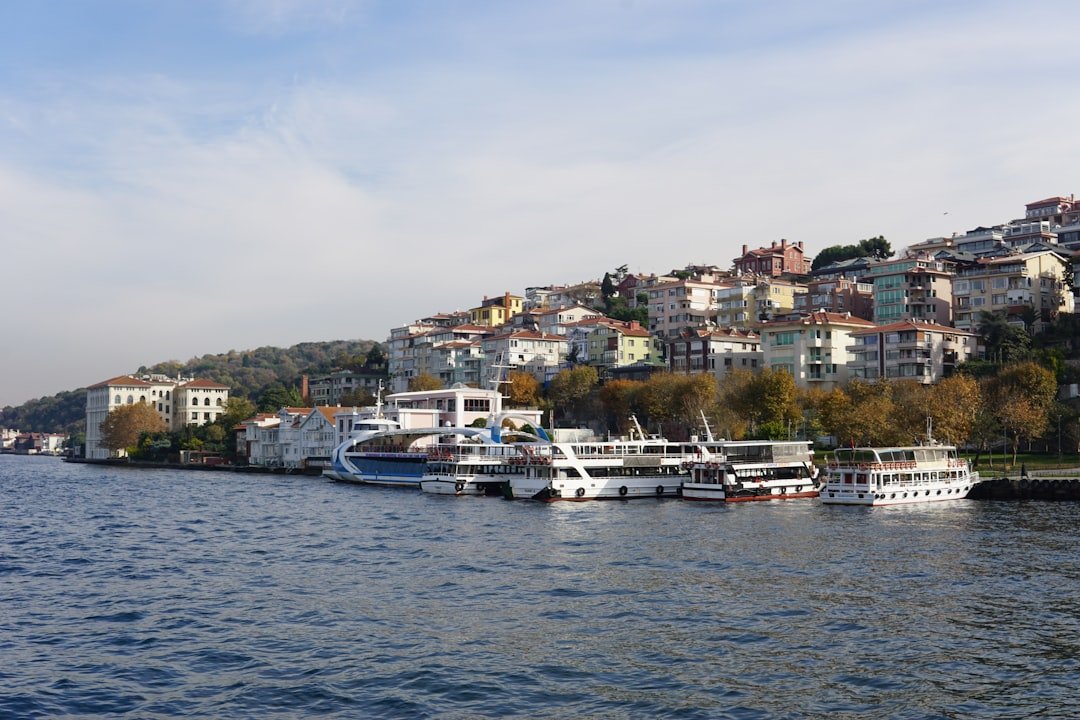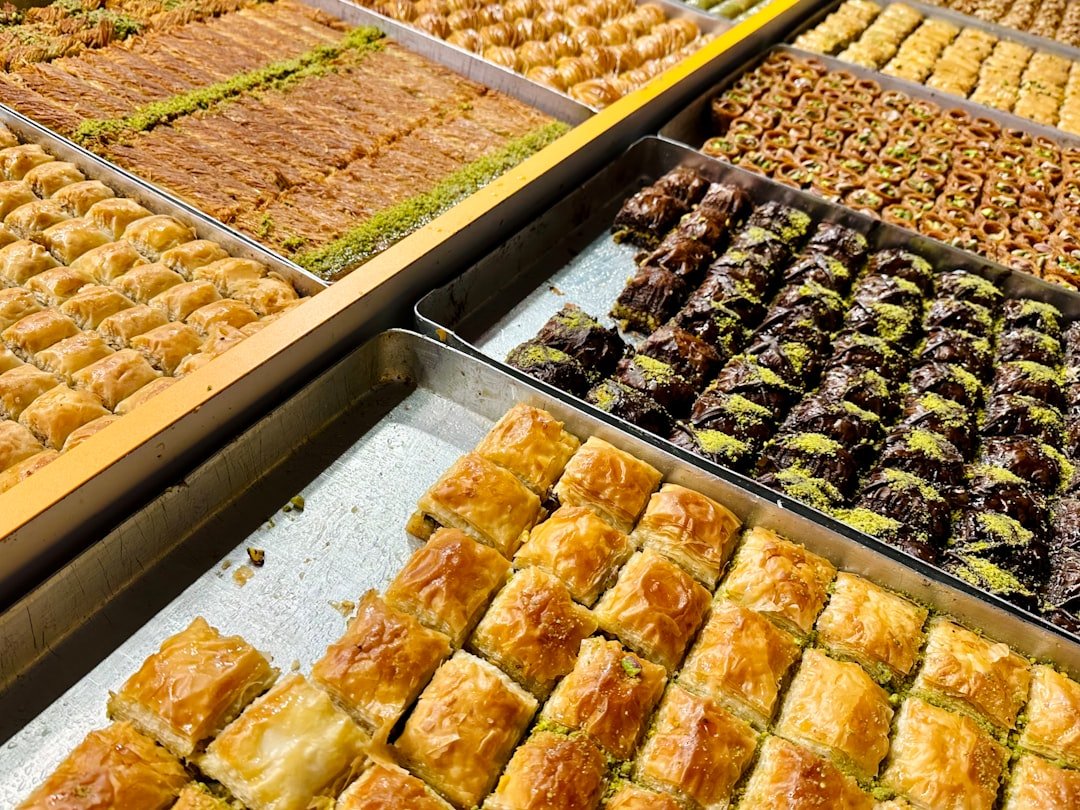
Istanbul’s meze culture is less about ordering one appetizer and more about building a shared table. In a traditional meyhane, several cold dishes arrive together, followed by optional hot plates, seafood, or a main course. The best Istanbul meze restaurants combine seasonal vegetables, yogurt, olive oil, seafood, legumes, herbs, and regional recipes with the city’s long tradition of social dining.
Quick Answer
For a classic Istanbul meze experience, look for a meyhane or Turkish restaurant serving seasonal cold meze, zeytinyağlı dishes, seafood, and hot starters. Karaköy, Beyoğlu, Asmalımescit, Kadıköy, and the historic peninsula all offer strong options. For two people, four to six cold meze is usually a sensible starting order.
Key Takeaways
- Meze in Istanbul is a shared-table tradition, not simply a plate of appetizers before a main course.
- Classic choices include haydari, fava, zeytinyağlı vegetables, lakerda, tarama, topik, pilaki, eggplant dishes, seafood, and seasonal specialties.
- For two diners, starting with roughly four to six meze gives you variety without overwhelming the table.
- Rakı is a traditional companion to a meyhane meal, but drinking alcohol is optional.
- Restaurant hours, menus, prices, and availability can change, so check the venue’s current information before visiting.
The History of Meze in Istanbul
Istanbul’s meze tradition cannot be reduced to a single origin story. The city inherited food, tavern, seafood, and social-dining traditions from several communities and historical periods. Academic research on Istanbul’s food culture describes continuity between Byzantine-era tavern traditions and later Ottoman meyhane culture, while a 2023 study of Istanbul meyhanes documents the foods and meze that accompanied drinking culture from the 16th through the 20th centuries.
The word meze also has a wider regional history. It entered Turkish through Ottoman usage and ultimately relates to the Persian word maza, meaning taste or flavor. Today, the term generally refers to small savory dishes served for sharing, often with drinks but also as part of a complete meal.
Historically, Istanbul’s meyhanes were social spaces where diners could eat, drink, talk, and spend a long evening together. Seafood, preserved fish, cheeses, vegetables, pickles, yogurt dishes, legumes, and olive-oil preparations all became part of this table culture. Because Istanbul connected the Black Sea, the Mediterranean world, Anatolia, the Balkans, and major trade routes, its meze repertoire developed through many culinary influences rather than one narrow tradition.
An Istanbul meze table is best understood as a shared meal built gradually from cold dishes, seasonal ingredients, conversation, and—when diners want them—hot starters, seafood, meat, rakı, or wine.
Popular Meze Dishes in Istanbul
The exact selection changes from restaurant to restaurant and with the season. Some dishes are strongly associated with the classic Istanbul meyhane table, while others come from Anatolian, Aegean, Levantine, Greek, Armenian, Balkan, or southeastern culinary traditions that have become part of the city’s broad restaurant scene.
Classic Cold Meze to Know
- Haydari: A thick yogurt-based meze commonly flavored with garlic, herbs, and sometimes white cheese. It is richer and denser than ordinary cacık.
- Fava: A smooth purée traditionally made from dried broad beans, often served with olive oil, dill, and onion.
- Zeytinyağlılar: Vegetables and legumes prepared with olive oil and commonly served at room temperature. Artichokes, green beans, stuffed vine leaves, celeriac, and beans are examples you may encounter.
- Barbunya pilaki: Borlotti beans cooked with olive oil, tomato, onion, carrot, and aromatics.
- Topik: An Istanbul-associated Armenian meze traditionally made with a chickpea-and-potato outer layer surrounding a seasoned onion filling, often with tahini and warm spices.
- Tarama: A creamy fish-roe preparation with a salty, savory flavor that has long been associated with Istanbul’s seafood and meyhane culture.
- Lakerda: Salt-cured bonito, traditionally served in slices. It is one of the most distinctive seafood items on an old-style Istanbul meyhane table.
- Eggplant meze: Roasted or fried eggplant appears in many forms, including patlıcan salatası, şakşuka, köpoğlu-style preparations, and creamy smoked-eggplant dishes.
- Kısır: A bulgur salad typically mixed with tomato or pepper paste, parsley, herbs, lemon, and often pomegranate molasses.
Hummus and muhammara are also common in Istanbul today. They have strong roots in southern and southeastern regional cuisines and are increasingly found in modern meyhane menus. For that reason, they are better described as part of Istanbul’s broader contemporary meze scene than as the only defining classics of the old Istanbul meyhane.
Seafood and Hot Meze
Istanbul’s relationship with the sea is reflected in its meze menus. Depending on the restaurant and season, you may find fried calamari, grilled octopus, marinated fish, stuffed mussels, shrimp dishes, fish roe, or small hot seafood plates.
Midye dolma—mussels filled with seasoned rice—is particularly common around Istanbul, although it is also widely sold as street food rather than being limited to meyhane menus. Kalamar is another familiar choice, usually appearing as a hot starter rather than a cold meze.
Some restaurants also serve small portions of köfte, börek, grilled vegetables, or other warm dishes as ara sıcak, the hot course that often follows the first round of cold meze.
Where to Find Good Meze in Istanbul
Instead of relying on changing review scores, it is more useful to choose restaurants by neighborhood, cooking style, and the kind of experience you want. The following venues have current official or recent authoritative listings, but you should still confirm opening hours, prices, and reservations directly before visiting.
| Restaurant | Area | Best For |
| Karaköy Lokantası | Karaköy, Beyoğlu | Classic Turkish lokanta cooking, zeytinyağlı dishes, meze, and an evening meyhane atmosphere. |
| Çiya Sofrası | Kadıköy | Regional Anatolian dishes, vegetable preparations, stews, kebabs, and less familiar recipes. It is a regional lokanta rather than a classic rakı-focused meyhane. |
| Eleos Beyoğlu | Beyoğlu | Seafood meze, Aegean flavors, and a longer dinner built around fish and shared plates. |
| Giritli | Cankurtaran, Fatih | Cretan and Aegean-influenced meze, seafood, seasonal greens, and a garden setting in warmer weather. |
Karaköy Lokantası remains one of the easiest choices for visitors who want a restaurant that bridges a Turkish lokanta and a meyhane-style dinner. Its official site lists the restaurant in Karaköy, and the MICHELIN Guide continues to highlight its meze and shared traditional dishes.
Çiya Sofrası offers a different experience. Rather than focusing only on the classic Istanbul meyhane repertoire, it explores regional dishes from across Anatolia and surrounding culinary traditions. Its Kadıköy location also makes it convenient to combine lunch or dinner with a walk through Kadıköy Market.
Eleos Beyoğlu is especially relevant if seafood meze is your priority, while Giritli is useful for diners interested in Cretan and Aegean flavors on the historic-peninsula side of the city.
Note: Meze by Lemon Tree was a long-running Beyoğlu recommendation and its legacy website still appears online. However, current map information marks the venue permanently closed. Because the sources conflict, do not build your plans around it without confirming directly first.
Meze Culture in Istanbul
The social side of meze is as important as the individual recipes. Instead of each person immediately ordering a separate main course, diners choose several dishes for the center of the table and eat from them together.
A meyhane dinner can unfold slowly. Cold meze may arrive first, followed by one or two ara sıcak dishes such as calamari, börek, or another hot starter. Fish, grilled meat, or another larger dish may follow, but a table with enough meze can also become the main meal.
Seasonality matters. Artichokes, fresh greens, fish, melon, tomatoes, beans, and other ingredients change through the year. Instead of insisting on a fixed online list, ask the server what is especially good or freshly prepared that day.
The presentation also remains part of the experience. In many meyhanes, staff may show cold dishes at the table or describe a display of prepared meze. This makes it easier to select a balanced mix rather than ordering several dishes with the same base ingredient.
How to Enjoy Meze Like a Local in Istanbul
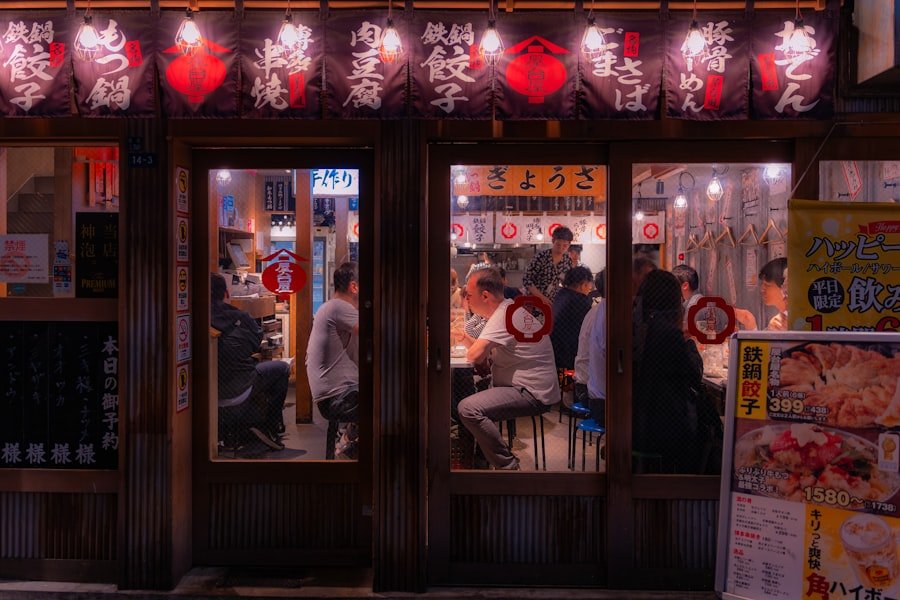
Start by sharing rather than ordering one plate per person. The MICHELIN Guide’s Istanbul meyhane overview suggests that four to six meze is generally enough for two diners to begin with. You can always order more once you see the portion sizes.
A Simple Ordering Sequence
- Choose four to six cold meze for two people. Aim for variety rather than six yogurt or eggplant dishes.
- Balance the table. One yogurt-based dish, one vegetable or olive-oil dish, one legume preparation, one seafood item, and one seasonal specialty creates a useful mix.
- Add one hot starter if you are still hungry. Calamari, börek, octopus, or another ara sıcak can follow.
- Decide later whether you want a main course. Fish and grilled dishes are common choices, but they are not compulsory.
- Eat slowly. A meyhane meal is designed for sharing and conversation, not rushing through separate courses.
Pro Tip: Ask what is seasonal or prepared especially well that day before finalizing your order. A fresh daily meze is often a better choice than selecting every dish from an old online menu.
Do You Need to Drink Rakı?
No. Rakı is deeply associated with traditional meyhane culture, but it is not required to enjoy meze. It is an anise-flavored alcoholic spirit traditionally consumed slowly alongside food. When mixed with water, it becomes cloudy white, which is connected with its familiar nickname, aslan sütü, or “lion’s milk.”
If you do not drink alcohol, simply order the meze with water or another beverage you prefer. The food and shared-table experience do not depend on alcohol.
Warning: Rakı is a strong distilled alcoholic drink. If you choose to drink it, pace yourself, drink water, and do not drive afterward.
How Much Meze Should You Order?
Portion sizes vary, so there is no universal formula. For two people, four to six cold meze is a practical starting point. A larger group can order more dishes and taste a wider range without needing full portions of everything.
A balanced order for two might look like this:
- Haydari or another yogurt-based meze
- Fava or barbunya pilaki
- An eggplant or seasonal vegetable dish
- A zeytinyağlı dish
- Lakerda, tarama, octopus, or another seafood meze if you eat seafood
- One restaurant specialty recommended by the server
Then decide whether you want a hot starter or main course. This approach reduces waste and gives you room to add something that looks especially good after the first plates arrive.
Vegetarian, Vegan, and Allergy Considerations
Meze can be excellent for vegetarian diners because many traditional dishes are based on vegetables, beans, lentils, olive oil, herbs, grains, or eggplant. However, do not assume every vegetable-looking dish is vegan.
Yogurt, white cheese, butter, egg, fish roe, anchovy, seafood, and meat stock can appear in preparations that are not obvious from their appearance. If you have a serious allergy or dietary restriction, ask the restaurant about individual dishes rather than relying only on the display.
- Often vegetarian: haydari, many stuffed vegetables, fava, kısır, eggplant dishes, and numerous zeytinyağlı preparations.
- Potentially vegan: fava, beans, some stuffed vine leaves, vegetable dishes, and salads—but confirm the recipe.
- Contains dairy: haydari and many cheese-based spreads.
- Seafood concerns: tarama, lakerda, stuffed mussels, fish salads, octopus, calamari, and other seafood meze.
For severe allergies, also ask about shared preparation surfaces and cross-contact in the kitchen.
Meze and Turkish Wine Pairings
Rakı may be the drink most closely associated with the traditional meyhane table, but Turkish wine can work well with carefully selected meze. Türkiye has a long history of viticulture and numerous indigenous grape varieties. The country’s contemporary wine scene is evolving, but grape growing in Anatolia is far from new.
The official GoTürkiye indigenous grape guide provides useful profiles and food pairings for several local varieties.
Narince
Narince is a white grape associated particularly with Tokat. GoTürkiye describes it as having citrus character and good acidity. It can work particularly well with oily grilled fish, eggplant salad, and dishes containing onions, making it one of the easiest indigenous whites to explore alongside selected meze.
Kalecik Karası
Kalecik Karası is a Turkish red grape associated with the Kalecik district of Ankara. It is useful when your table moves beyond cold vegetable meze toward pide, grilled meat, or dishes with tomato-based sauces.
Öküzgözü
Öküzgözü comes from eastern Türkiye, particularly Elazığ and Malatya. Contrary to the common assumption that it is necessarily a heavily tannic red, GoTürkiye describes Öküzgözü wines as balanced and relatively low in tannin. They can work with richer eggplant dishes, stews, kebabs, smoked foods, and grilled red meats.
Çalkarası
For seafood and lightly spicy plates, a rosé made from Çalkarası can be an interesting alternative. The grape is associated with Denizli and is commonly used for fresh, lightly acidic rosé styles with red-fruit character.
Note: Pairing is a preference, not a rule. Strong garlic, vinegar, yogurt, pickles, and spicy dishes can make wine matching more difficult, so build the table around the drink you actually enjoy.
Exploring Istanbul’s Meze Scene
You can experience very different versions of meze without leaving Istanbul. Beyoğlu and nearby Asmalımescit are closely associated with meyhane culture. Karaköy combines old and new dining styles. Kadıköy offers traditional restaurants, markets, seafood, and regional cooking on the Asian side. Around Cankurtaran and the historic peninsula, you can also find restaurants focused on Aegean, Cretan, and seafood-driven menus.
If you have several evenings in the city, try different restaurant styles instead of looking for one supposedly definitive meze meal. A classic meyhane, a seafood-focused restaurant, and a regional Anatolian lokanta will show three different sides of the city’s food culture.
Food tours and cooking classes can add useful context, especially if you want to understand ingredients and preparation methods rather than simply recognize dish names. Look for operators that explain where the food comes from, use functioning food businesses rather than staged tourist stops, and keep group sizes manageable.
Whatever route you choose, the most rewarding approach is simple: order fewer dishes at first, ask what is seasonal, share everything, and give the meal time to unfold. That combination captures the practical and social side of Istanbul’s meze culture better than chasing a long checklist of famous dishes.
Frequently Asked Questions
What are Istanbul meze restaurants?
They are restaurants, meyhanes, and lokantas that serve selections of small shared dishes. A traditional meyhane may combine cold meze with hot starters, seafood or grilled dishes, and optionally rakı or wine.
What are mezes?
Mezes are small savory dishes intended for sharing. In Istanbul they may include yogurt dips, olive-oil vegetables, beans, eggplant dishes, seafood, cured fish, cheeses, salads, and hot starters.
What should I order at an Istanbul meze restaurant?
For two people, start with about four to six dishes. A useful mix is one yogurt meze, one legume dish such as fava, one vegetable or zeytinyağlı dish, one eggplant preparation, one seafood item if you eat seafood, and one seasonal specialty.
Are Istanbul meze restaurants suitable for vegetarians and vegans?
Many are vegetarian-friendly because meze often uses vegetables, beans, grains, herbs, and olive oil. Vegan diners should confirm ingredients because yogurt, cheese, egg, butter, fish, or seafood can appear in dishes that otherwise look plant-based.
Do I have to drink rakı with meze?
No. Rakı is a traditional part of meyhane culture, but alcohol is optional. You can enjoy the same shared dishes with water or another beverage.
What is the dining experience like?
The meal is usually social and shared. Cold meze arrive first, hot starters may follow, and diners can then decide whether to order fish, meat, or another larger plate. Meals often move at a relaxed pace.
Which Istanbul neighborhoods are good for meze?
Beyoğlu and Asmalımescit are closely associated with meyhane culture, while Karaköy has both traditional and contemporary options. Kadıköy is excellent for markets, regional restaurants, and seafood, and the historic peninsula has several Aegean and seafood-focused restaurants.
Are Istanbul meze restaurants popular with tourists?
Yes, but meze and meyhane dining are also part of local Istanbul food culture. For a better experience, choose a restaurant for its food and neighborhood rather than relying only on tourist-area menus or online star ratings.
Sources
- Tarih Araştırmaları Dergisi — Istanbul Meyhane Meze Study — supports the historical discussion of meze and foods served in Istanbul meyhanes from the 16th to 20th centuries.
- MICHELIN Guide — Istanbul Meyhanes and Meze — supports classic dish examples, ordering guidance, and restaurant context.
- Karaköy Lokantası Official Website — supports current restaurant identity and location information.
- Çiya Official Website — supports Çiya’s Kadıköy presence and regional culinary focus.
- GoTürkiye — Indigenous Grape Varieties — supports descriptions and pairings for Narince, Kalecik Karası, Öküzgözü, and other Turkish grapes.
- MICHELIN Guide — Giritli — supports Giritli’s current Istanbul listing and its Cretan-style meze focus.