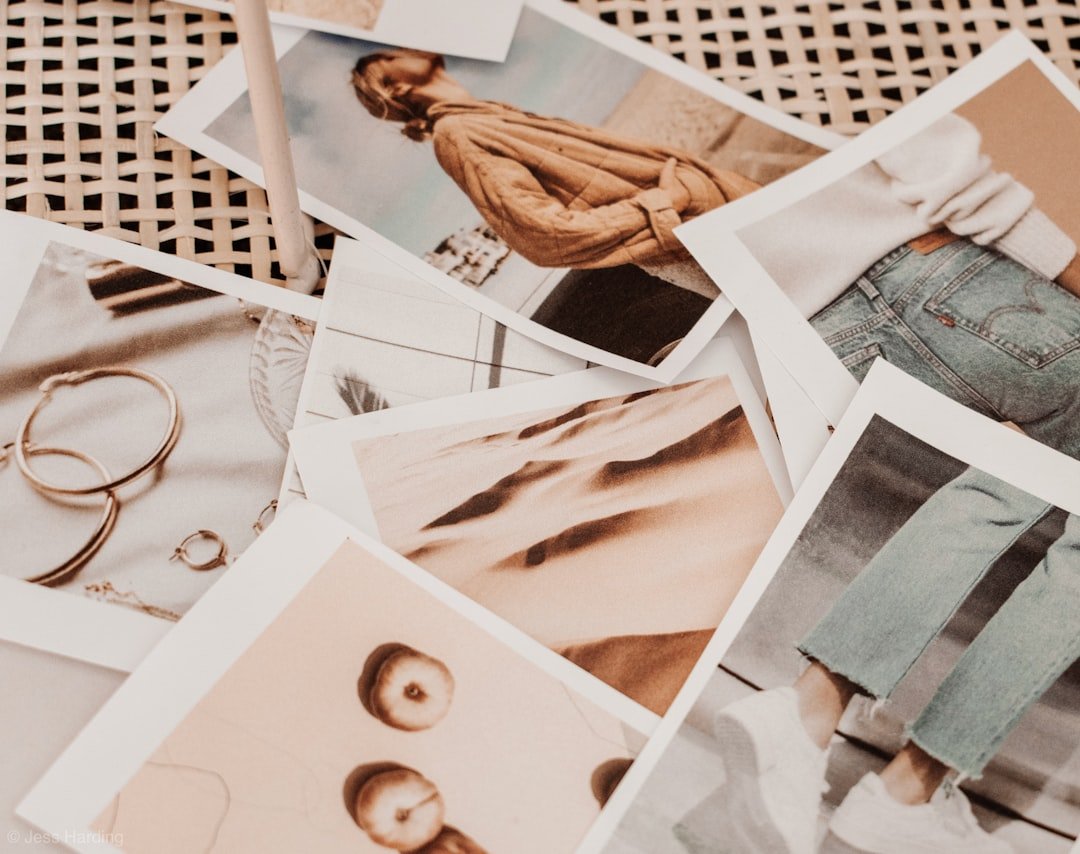
The term moda is commonly used to mean fashion, especially in Italian, Spanish, and Portuguese. Its history is connected to the Latin word modus, meaning a manner, form, measure, or way. The Italian word developed through the same linguistic family as the French word mode, linking the idea of fashion with the way something is done or presented.
Moda is not limited to clothing trends. It includes the garments, fabrics, colors, accessories, hairstyles, beauty practices, production systems, and social rules that shape how people present themselves. Clothing can protect the body, but it can also communicate occupation, wealth, religion, gender, community, political belief, personal taste, and resistance.
Quick Answer
Moda means fashion, style, or a prevailing way of dressing. Its history reaches from ancient dress cultures to court fashion, industrial clothing production, youth movements, global brands, social media, sustainable design, and digital garments. It shows how people use appearance to express identity, status, creativity, belief, and social change.
Key Takeaways
- The word moda is related to French mode and Latin modus, meaning manner, form, or way.
- Ancient societies had complex dress cultures, although they did not all have a modern commercial fashion industry.
- Trade moved silk, cotton, dyes, patterns, and garment-making knowledge between Asia, Africa, the Middle East, Europe, and the Americas.
- Court culture, tailoring, print media, industrial machinery, and ready-to-wear clothing helped create the modern fashion system.
- During the 20th century, cinema, music, war, youth movements, synthetic fibers, streetwear, and mass media accelerated fashion change.
- Modern moda is being reshaped by e-commerce, social media, circular design, traceability rules, artificial intelligence, and digital products.
What Does Moda Mean?
According to the Italian reference work Treccani, moda is connected through French mode to the Latin modus. In everyday use, it can refer to a current style, a popular taste, the clothing industry, or the broader social process through which certain looks become desirable.
Moda is closely related to several other terms, but they are not identical:
- Clothing means the physical garments people wear.
- Dress includes clothing, accessories, grooming, body decoration, and the way these elements are combined.
- Costume may describe clothing from a specific historical period, profession, performance, or cultural setting.
- Style is a recognizable way of dressing that may remain consistent even when trends change.
- Fashion or moda usually involves styles that gain social attention, circulate among groups, and change over time.
This distinction matters when discussing ancient history. Egypt, Greece, Rome, India, China, the Islamic world, African kingdoms, and Indigenous societies all developed meaningful forms of dress. However, their systems did not always operate like today’s global fashion industry, with seasonal collections, mass advertising, standardized sizing, and rapid trend cycles.
Note: This article uses “moda” broadly to discuss both historical dress and the later commercial fashion system. The two overlap, but they are not exactly the same.
Moda Timeline at a Glance
- Ancient world: Clothing reflects climate, available fibers, belief, work, status, and political authority.
- Medieval period: Regional dress systems expand through courts, religion, craft guilds, trade, and class rules.
- Renaissance: Tailoring, portraiture, luxury textiles, and court competition increase the importance of individual appearance.
- 17th and 18th centuries: Court fashion, printed fashion news, colonial trade, and urban consumer culture accelerate style changes.
- Industrial Revolution: Mechanized spinning, weaving, dyeing, and sewing make cloth and garments available on a larger scale.
- Late 19th and early 20th centuries: Department stores, fashion magazines, haute couture, and ready-to-wear create a recognizable modern industry.
- 20th century: War, cinema, youth culture, music, synthetic fibers, designer branding, and streetwear reshape fashion.
- Digital age: E-commerce, social media, data, AI, resale platforms, digital garments, and sustainability rules change how moda is produced and consumed.
The significance of clothing as a form of communication laid the groundwork for what would eventually become the complex world of moda. As societies developed, dress became more than a practical response to heat, cold, work, and movement. Garments also helped people communicate rank, community, religion, occupation, age, gender, and access to wealth.
Trade routes carried textiles and designs across borders. The exchange included not only finished fabric but also raw fibers, dyes, embroidery methods, weaving systems, motifs, tailoring ideas, and knowledge about how materials behaved.
The Silk Roads are among the best-known examples, but textile exchange also moved through ports, caravan routes, empires, pilgrimages, migration, diplomacy, and conquest. The Metropolitan Museum of Art’s Interwoven Globe project documents how textiles linked Asia, Africa, the Middle East, Europe, and the Americas long before modern globalization.
Moda in Ancient Times
Ancient dress was shaped by climate, resources, labor, religion, politics, and social position. People worked with the materials they could grow, gather, raise, mine, trade, spin, weave, dye, or decorate. Linen, wool, silk, cotton, leather, plant fibers, feathers, beads, shells, and metal ornaments had different meanings in different places.
In ancient Egypt, linen was widely used because flax grew in the region and the finished cloth suited a hot climate. Wealthier Egyptians could obtain finer, more carefully woven linen and elaborate jewelry, collars, beads, cosmetics, and ceremonial accessories. Working people usually needed simpler garments that allowed movement and could withstand daily labor.
Color and decoration were not merely ornamental. Fine weaving, rare dyes, imported materials, precious metals, and skilled beadwork could display authority, religious office, family wealth, or access to long-distance trade.
Ancient Greek garments such as the chiton, peplos, and himation were often formed from pieces of woven cloth that were draped, folded, pinned, belted, or wrapped. The Metropolitan Museum of Art’s guide to ancient Greek dress explains how one piece of fabric could serve several functions and how men’s and women’s forms varied.
The construction might appear simple, but the finished look depended on fiber quality, weaving, color, border patterns, arrangement of folds, fastening points, and the wearer’s movements. These choices reflected ideas about the body, beauty, citizenship, modesty, and occasion.
Ancient Rome developed its own system of tunics, togas, stolas, cloaks, military clothing, and footwear. Certain garments or decorative features could communicate citizenship, public office, military position, wealth, mourning, ceremony, or gender. Clothing worked as a social code, although what a person was legally permitted to wear did not always match daily practice.
Ancient Asian dress cultures were equally important. Chinese silk production supported court clothing, diplomatic gifts, ritual garments, and international trade. South Asian communities produced cottons, silks, resist-dyed cloth, embroidery, and printed textiles that later influenced markets across Asia, Africa, Europe, and the Americas.
African dress histories included woven cloth, leatherwork, beadwork, metal ornament, raffia, bark cloth, and other locally adapted materials. In the Americas, Indigenous peoples developed sophisticated weaving, featherwork, dyeing, leather preparation, embroidery, and symbolic garment systems long before European contact.
Moda in the Middle Ages

The Middle Ages covered many centuries and regions, so there was no single medieval fashion. In parts of Europe, clothing became more fitted and visually structured over time as tailoring skills developed. Tunics, gowns, cloaks, hose, belts, veils, hoods, and headdresses could help distinguish occupation, gender, rank, wealth, and regional identity.
Most ordinary Europeans depended on practical wool and linen garments. Nobles, senior religious figures, merchants, and wealthy urban families had greater access to imported silk, fine wool, fur, embroidery, metal thread, jewels, and complex dyes.
Religious customs influenced dress, but ideas of modesty differed by place, period, faith, and social role. Long sleeves, layered robes, head coverings, and floor-length garments appeared in many settings, yet medieval clothing was not uniformly plain or completely concealing. Court dress could be colorful, fitted, decorated, and deliberately dramatic.
Some European governments issued sumptuary laws that attempted to limit fabrics, colors, jewelry, fur, sleeve dimensions, or decorative details according to rank. These rules were not consistent across Europe, and enforcement varied. Their existence nevertheless shows that clothing had become an important form of economic and social competition.
Medieval moda was also shaped by the Byzantine Empire, Islamic courts, Asian textile production, and African trade networks. Silk weaving, patterned cloth, metal-thread embroidery, cotton production, and complex dyeing methods traveled through commerce and diplomacy. Luxury textiles could cross several political and religious borders before reaching a final wearer.
Accessories became important parts of the complete appearance. Jewelry, hats, belts, gloves, shoes, brooches, purses, veils, and headdresses could alter the meaning of an outfit. In late-medieval European fashion, elongated silhouettes, pointed footwear, extended sleeves, fitted bodices, and tall headdresses appeared at different times and courts.
Moda in the Renaissance
The Renaissance increased the cultural importance of portraiture, individual reputation, court ceremony, urban wealth, and classical learning. These changes influenced elite dress in Italian cities and later across other parts of Europe.
Wealthy families used velvet, silk, satin, brocade, lace, fine wool, embroidery, pearls, gold thread, and carefully chosen jewelry to show status and taste. The clothes seen in paintings were often the wearer’s best garments rather than a complete picture of what everyone wore each day.
Tailoring became more structured. Garments could be cut, padded, lined, laced, slashed, pleated, and shaped around the body. Men’s wardrobes included doublets, hose, cloaks, gowns, hats, and padded forms. Women’s clothing included fitted bodices, layered sleeves, full skirts, understructures, and decorated necklines.
Renaissance portraits preserved evidence of fabric, jewelry, hairstyle, posture, and social ambition. The Metropolitan Museum of Art’s discussion of Renaissance fashion and dress codes shows how clothing in 15th-century Italy could indicate wealth, marriage status, and family position.
Artists such as Botticelli, Raphael, Titian, Ghirlandaio, and many others recorded elite ideals of beauty and appearance. Their work is valuable evidence, but it must be read carefully. Portraits could flatter the sitter, display family power, or use symbolic details rather than document ordinary life exactly.
Fashion also became increasingly international among courts and wealthy merchants. Italian, Spanish, French, English, Flemish, German, Ottoman, and other styles influenced one another through trade, diplomacy, war, marriage, migration, and artistic exchange.
Pro Tip: When studying historical moda, examine the complete appearance: fabric, cut, understructure, accessories, hairstyle, posture, setting, and the purpose of the image. One garment rarely tells the whole story.
Moda in the 17th and 18th Centuries
During the 17th and 18th centuries, European court culture became an increasingly powerful source of fashion. Royal households used dress, ceremony, luxury workshops, and rules of access to display political authority. French court influence became especially important, although styles continued to move between Britain, Italy, Spain, the Netherlands, Central Europe, and other regions.
Men’s and women’s clothing changed through alterations in sleeves, coats, bodices, waistlines, wigs, skirts, shoes, textiles, and understructures. Elite garments required the labor of tailors, mantua makers, embroiderers, lacemakers, milliners, shoemakers, dyers, laundresses, jewelers, and many other specialists.
Fashion information also began to circulate through prints, dolls dressed in current styles, letters, travelers, merchants, and early periodicals. These systems allowed people far from a royal court to learn about new silhouettes and decorative ideas.
The period also depended on global trade. European consumers bought cottons, silks, shawls, dyes, and other goods connected to South Asian, Chinese, Middle Eastern, African, and American production. These exchanges created new designs, but they were also tied to colonial conquest, forced labor, economic restrictions, and unequal control of land and resources.
Moda in the Industrial Revolution
The Industrial Revolution changed the scale, speed, and organization of textile and clothing production. Mechanized spinning, weaving, printing, dyeing, and sewing allowed manufacturers to produce larger quantities of cloth and garments.
Machines such as the spinning jenny, water frame, power loom, Jacquard loom, and sewing machine did not appear as one sudden invention. They developed through many inventors, patents, workshops, factories, investments, and improvements. The Fashion Institute of Technology’s Fashion and Technology project traces how these innovations changed materials, production, function, and design.
The sewing machine became particularly important to the garment industry during the 19th century. Elias Howe received an influential United States patent in 1846, but the machine’s development involved several inventors and manufacturers. The Library of Congress explains how patent licensing and industrial adoption helped mechanical sewing expand.
Ready-to-wear clothing grew in stages rather than replacing custom tailoring immediately. Standardized military garments and men’s clothing developed relatively early. Women’s outerwear, undergarments, shirtwaists, suits, and dresses entered ready-made markets at different times because complex fit made standardization more difficult.
The Fashion History Timeline at the Fashion Institute of Technology documents how department stores, new labor systems, sewing machines, and urban consumer culture supported the growth of ready-to-wear clothing.
Fashion magazines, catalogues, department stores, advertisements, and illustrated newspapers spread styles to a wider audience. Consumers could see a new sleeve, hat, coat, or silhouette and look for an affordable version.
The Victorian period included many changing silhouettes rather than one fixed style. Corsets, crinolines, bustles, tailored bodices, walking dresses, reform clothing, sportswear, suits, hats, gloves, and specialized garments all appeared at different points.
Men’s clothing became more standardized in many business and professional settings. Dark coats, waistcoats, trousers, shirts, and neckwear helped make the suit a symbol of public respectability, employment, and social discipline.
Colonialism, Global Trade, and Fashion Labor
Industrial fashion cannot be understood only through machines and designers. It also depended on farms, plantations, mines, shipping routes, dye works, mills, factories, domestic workshops, retail stores, and workers whose names often disappeared from fashion history.
Cotton provides one clear example. South Asian cotton production and printing traditions influenced global taste for centuries. European colonial powers later restricted, copied, taxed, and reorganized parts of the textile trade. Cotton expansion in the Americas was deeply tied to enslaved labor, while industrial mills depended on large supplies of raw fiber.
Similar histories surround silk, wool, leather, rubber, dyes, feathers, pearls, metals, and decorative materials. The beauty of a finished garment can hide the environmental and human systems that produced it.
Colonial exchange also affected design. Garments and patterns crossed borders, but the exchange was rarely equal. Powerful markets could copy traditional motifs, rename them, or profit from them without crediting the communities that developed the original knowledge.
These histories remain relevant. Modern fashion still depends on international supply chains involving fiber producers, spinners, weavers, dyers, cutters, sewing-machine operators, finishers, packers, warehouse staff, photographers, software teams, delivery workers, and retail employees.
Moda in the 20th Century
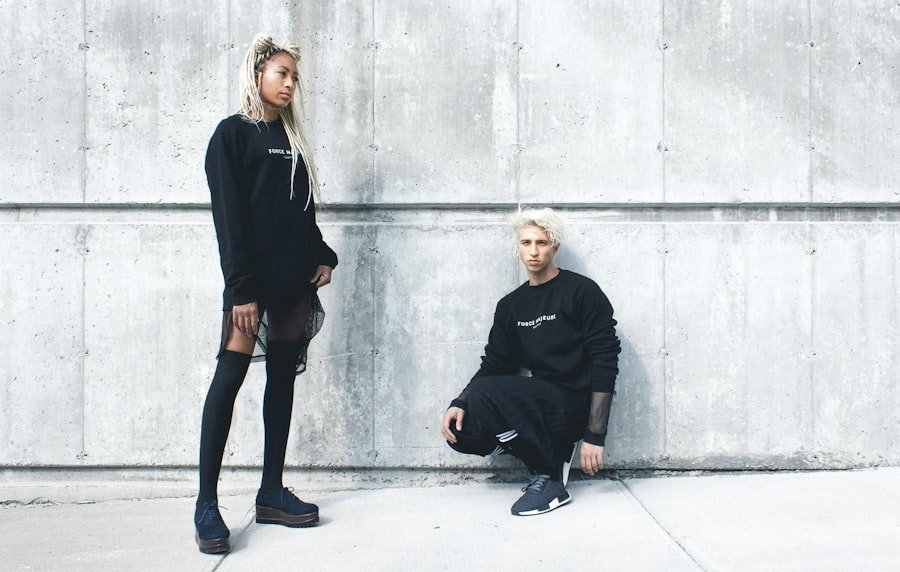
The 20th century brought rapid changes to moda through war, women’s employment, labor movements, cinema, photography, magazines, youth culture, music, synthetic fibers, global retail, and television. The century moved repeatedly between formal structure and practical comfort rather than following one simple path toward casual clothing.
In the 1920s, shorter hemlines, dropped waists, bobbed hair, sportswear, evening dresses, and new beauty practices became visible symbols of urban modernity in parts of Europe and North America. Flapper imagery challenged some older expectations of respectable femininity, although not every woman dressed that way.
Gabrielle “Coco” Chanel helped popularize jersey, knitwear, relaxed daywear, and garments influenced by sportswear and menswear. She was one of several designers who responded to changing work, leisure, and social habits.
Hollywood became a major fashion influence. Costume designers and stars helped turn films into moving displays of eveningwear, suits, hairstyles, makeup, sportswear, and accessories. Audrey Hepburn, Marilyn Monroe, Grace Kelly, Marlene Dietrich, and many others became associated with recognizable styles, but the industry also relied on large teams of craftspeople and image-makers.
Both world wars affected clothing. Material shortages, rationing, uniforms, factory work, and government regulations encouraged practical cuts and reduced fabric use. After World War II, couture houses and manufacturers introduced new silhouettes, including Christian Dior’s 1947 “New Look,” while ready-to-wear continued to expand.
During the 1950s and 1960s, young people gained greater influence as consumers and cultural participants. The V&A’s guide to 1960s fashion explains how boutiques, music, youth spending, new designers, and synthetic materials helped create a distinct youth market.
The Mod movement in Britain, hippie styles, Black cultural movements, punk, disco, hip-hop, skate culture, sportswear, streetwear, and designer branding all challenged older rules. Clothing became a way to communicate music, politics, community, sexuality, race, class, local identity, and rebellion.
Textile innovation changed garment design. Nylon, polyester, acrylic, rayon, PVC, and elastane offered stretch, easy care, unusual surfaces, lower costs, or new construction possibilities. These materials encouraged experimentation but later raised questions about fossil-fuel use, durability, shedding, recycling, and waste.
Designers also explored minimalism, deconstruction, futurism, conceptual clothing, unisex dress, adaptive garments, and nontraditional ideas of beauty. Moda increasingly moved between runway fashion, subculture, sports, entertainment, and everyday clothing.
The modern fashion system did not grow from designers alone. It developed through the combined influence of workers, machines, trade, media, war, music, migration, retail, and consumers.
Moda in the Digital Age
The digital age has changed who can create, distribute, discuss, and challenge fashion. Major magazines and fashion houses remain influential, but they now share attention with independent designers, stylists, resellers, content creators, craftspeople, celebrities, online communities, and ordinary users.
Instagram, TikTok, Pinterest, YouTube, livestreaming platforms, newsletters, and fashion forums allow images and styling ideas to circulate quickly. A thrifted outfit, handmade accessory, runway look, modest-fashion tutorial, streetwear release, or repair technique can reach an international audience without first appearing in a traditional fashion publication.
This greater access does not make online influence equal. Algorithms, advertising budgets, platform policies, sponsorships, and engagement systems affect what people see. Trends that appear spontaneous may be supported by paid campaigns, product placement, affiliate marketing, or coordinated brand launches.
E-commerce has changed how consumers browse and buy. Shoppers can compare products, read reviews, watch demonstrations, consult size charts, buy secondhand garments, order internationally, and purchase directly from small makers.
Digital tools can also create problems. Product photos may distort color or fit. Sizing remains inconsistent. Easy returns can increase transport and handling, while personalized recommendations may encourage unnecessary purchases.
Data is now part of modern moda. Brands analyze search terms, browsing behavior, sales, returns, regional demand, social engagement, and customer profiles. These systems can improve stock planning and recommendations, but they also raise concerns about privacy, manipulation, bias, and pressure to consume.
Sustainability has become one of the central debates in contemporary fashion. Fast production and short trend cycles have increased access to clothing, but they are linked to overproduction, waste, chemical risks, resource use, and pressure on workers.
The United Nations Environment Programme Textile Initiative, updated in May 2026, focuses on circular business models, hazardous chemicals, lifecycle impacts, overproduction, overconsumption, and a just transition for the sector.
More conscious approaches include buying durable garments, repairing damaged clothing, using resale and rental services, supporting skilled makers, caring for textiles correctly, upcycling usable material, and recycling items when suitable systems exist. No single action solves the industry’s problems, but longer use and lower unnecessary consumption can reduce demand for constant replacement.
Warning: A sustainability label does not automatically prove that an entire garment or brand is environmentally or socially responsible. Look for specific information about materials, durability, repair, chemical use, production, workers, and end-of-life options.
The Future of Moda
The future of moda will be influenced by technology, climate pressures, regulation, cultural change, labor conditions, and consumer behavior. Some developments are already in use, while others remain experimental or limited to particular markets.
Artificial intelligence can support image search, demand forecasting, stock planning, product descriptions, design exploration, sizing tools, customer support, and styling recommendations. These systems may help companies process information, but they cannot replace cultural knowledge, skilled pattern cutting, textile expertise, ethical judgment, or human creativity.
AI also creates risks. Training data may reproduce stereotypes or copy existing work without clear credit. Automated forecasts can narrow creative choices if brands all respond to the same signals. Personalization systems may collect sensitive behavioral data or encourage more frequent buying.
Augmented reality, virtual fitting tools, and 3D garment previews aim to help shoppers understand shape, scale, or styling before purchasing. Their accuracy and effect on return rates vary by technology, garment type, body representation, and retailer.
Digital clothing is another developing field. Designers can create garments for games, avatars, online events, advertising, social-media images, and virtual environments. These products expand the meaning of moda beyond physical cloth, although the market is still evolving and digital goods also use computing infrastructure.
Traceability is becoming more important. On July 20, 2026, the European Commission announced that its Digital Product Passport Registry was live. A Digital Product Passport is designed to connect products with structured information that can support transparency and regulatory compliance.
Textile apparel is a priority product group under the EU’s Ecodesign for Sustainable Products framework, but this does not mean every garment already carries a passport. Product-specific textile requirements are still being developed and introduced through later stages.
Circular fashion models are also likely to grow. Resale, repair, rental, remanufacturing, fiber recovery, product take-back systems, and designs made for disassembly may help keep garments and materials in use longer. Their success will depend on product quality, infrastructure, worker protections, consumer access, and honest measurement.
Cultural diversity will continue to influence fashion. Designers draw ideas from regional textiles, traditional garments, craft methods, religious dress, migration, and local street style. Thoughtful exchange requires research, permission where appropriate, accurate credit, fair payment, and respect for the meaning attached to cultural designs.
Moda has traveled through a complex history of creativity, trade, status, labor, technology, belief, politics, and personal expression. It will continue to change, but clothing will remain one of the most visible ways people negotiate identity and belonging.
Why Moda Still Matters Today
Moda matters because appearance affects how people see themselves and how others respond to them. Clothing can shape confidence, comfort, belonging, professionalism, safety, celebration, cultural pride, and creative expression.
A person may choose a simple garment for comfort, a uniform for work, a formal outfit to show respect, a traditional garment to honor heritage, adaptive clothing for independence, or a bold look to challenge expectations.
Fashion also connects many industries. It overlaps with agriculture, manufacturing, transportation, photography, film, music, beauty, retail, tourism, art, software, advertising, publishing, and waste management.
At its best, moda supports craftsmanship, self-expression, community, experimentation, and cultural memory. At its worst, it can create exclusion, unsafe labor, waste, imitation without credit, financial pressure, and unrealistic beauty standards.
Understanding the history of moda helps readers look beyond the surface. It encourages better questions about who made a garment, where its materials came from, whose culture influenced it, how long it may last, and what will happen when it is no longer worn.
How to Understand Moda in Everyday Life
You do not need to be a designer or historian to study moda. Begin with an outfit or garment and look at how its practical, visual, cultural, and economic features work together.
Ask the following questions:
- Material: What fiber or material is used, and why was it chosen?
- Construction: Is the item woven, knitted, tailored, draped, molded, printed, embroidered, or assembled digitally?
- Function: Is it designed for work, weather, ceremony, movement, protection, modesty, performance, or decoration?
- Meaning: Does it communicate profession, status, religion, heritage, gender, age, music, politics, or personal taste?
- Production: Was it handmade, custom-made, factory-produced, repaired, rented, secondhand, luxury, or digital?
- Influence: Does it follow a tradition, adapt one, challenge it, or combine several sources?
- Labor: Who grew, processed, designed, cut, sewed, photographed, sold, transported, or repaired it?
- Lifecycle: How often will it be worn, how can it be cared for, and what may happen when it is discarded?
A school uniform, wedding dress, business suit, sports jersey, sari, kimono, agbada, embroidered blouse, handmade shawl, streetwear hoodie, adaptive jacket, or avatar outfit can each carry practical and symbolic meaning.
These questions show why moda is not only a sequence of trends. It is a way to understand people, materials, labor, technology, history, and society through what they wear.
Related Reading
For broader culture and lifestyle reading on Tagline Today, you can explore the guide to Asian melons, read the article about rock legend Ozzy Osbourne, or follow the homemade cottage cheese recipe. These articles are not fashion-history references, but they cover other areas of food, music, and popular culture.
Frequently Asked Questions
What is moda?
Moda means fashion, style, or a prevailing way of dressing. It can describe clothing trends, personal appearance, the fashion industry, or the broader cultural system through which styles gain meaning and popularity.
Where does the word moda come from?
The Italian word moda is commonly traced through French mode to the Latin modus, meaning a manner, form, measure, or way. Related words developed in several European languages.
Is moda the same as fashion?
Moda is commonly translated as fashion. Depending on the context, it can also refer to a style, trend, taste, way of dressing, or the commercial industry that produces and sells clothing and accessories.
What is the difference between clothing, dress, style, and moda?
Clothing means physical garments. Dress includes garments, accessories, grooming, and body decoration. Style is a recognizable personal or design approach. Moda or fashion describes styles that gain social attention, circulate among groups, and change over time.
What is the history of moda?
The history of moda begins with ancient dress cultures shaped by climate, materials, belief, status, and trade. It later developed through court culture, tailoring, print media, colonial exchange, industrial production, ready-to-wear clothing, cinema, youth movements, global retail, and digital technology.
When did the modern fashion industry begin?
There is no single starting date. The modern industry developed gradually through 18th-century fashion communication, 19th-century textile machinery and department stores, haute couture, sewing machines, standardized sizing, ready-to-wear production, advertising, and international retail.
What are notable landmarks in the history of moda?
Important landmarks include ancient linen and silk production, Greek draped garments, medieval textile trade, Renaissance tailoring, fashion prints, mechanized spinning and weaving, sewing machines, haute couture, department stores, ready-to-wear clothing, wartime rationing, youth fashion, streetwear, e-commerce, and digital traceability.
How did trade and colonialism shape moda?
Trade moved silk, cotton, dyes, weaving skills, motifs, and garments between regions. Colonial powers later controlled resources, labor, markets, and manufacturing in unequal ways. Modern fashion therefore reflects both creative cultural exchange and histories of exploitation.
How has moda evolved over the years?
Moda evolved from locally produced dress systems to international networks of designers, factories, media, retailers, online platforms, and consumers. Changes in technology, labor, politics, music, migration, gender roles, and environmental awareness continue to shape it.
What is the significance of moda in culture?
Moda shows how people express identity, status, values, belief, creativity, community, and resistance. Clothing can preserve cultural memory, support belonging, reflect economic conditions, or challenge social expectations.
How does sustainability affect modern moda?
Sustainability encourages designers, brands, governments, and consumers to consider durability, worker safety, chemical use, waste, repair, resale, recycling, overproduction, and a garment’s full lifecycle. It shifts attention from constant replacement toward longer and more responsible use.
What is a Digital Product Passport for clothing?
A Digital Product Passport is a structured digital record designed to connect a product with information that may support traceability, sustainability, circularity, and legal compliance. Textile-specific EU requirements are still being developed, so passports are not yet universal for clothing.
Sources
- Treccani: Moda — meaning and etymology of the Italian word moda.
- The Metropolitan Museum of Art: Ancient Greek Dress — Greek garments, draping, materials, and use.
- The Metropolitan Museum of Art: Interwoven Globe — international textile trade and cultural exchange.
- Fashion Institute of Technology: Compartment Couture — department stores and the expansion of ready-to-wear clothing.
- United Nations Environment Programme Textile Initiative — current circularity, chemical, labor, overproduction, and sustainability priorities.
- European Commission: Digital Product Passport Registry — July 2026 implementation update and purpose of the registry.