

When planning a trip to Italy, one of the most significant expenses travelers encounter is accommodation. The cost of lodging can vary dramatically depending on the city, the type of accommodation, and the season. Major cities like Rome, Venice, and Milan tend to have higher prices, especially during peak tourist seasons.
For instance, a mid-range hotel in Rome might cost anywhere from €100 to €250 per night, while budget options such as hostels or guesthouses can start as low as €20 to €50 per night. In contrast, smaller towns or rural areas often offer more affordable lodging, with charming bed-and-breakfasts or agriturismos providing a unique experience at a lower cost. In addition to the location and type of accommodation, travelers should also consider the amenities offered.
Hotels in Italy may include breakfast, Wi-Fi, and other services that can add value to the stay. For example, a hotel in Florence might charge €150 per night but include breakfast and access to local tours, making it a more attractive option than a cheaper hotel that lacks these perks. Furthermore, booking in advance or during off-peak seasons can lead to significant savings.
Websites that aggregate accommodation options often provide discounts for early bookings or last-minute deals, allowing travelers to find suitable lodging within their budget.
Key Takeaways
- Accommodation costs in Italy can vary greatly depending on the city and type of accommodation, with options ranging from budget hostels to luxury hotels.
- Food and dining expenses in Italy can be managed by opting for local trattorias and street food, and avoiding touristy restaurants in popular areas.
- Transportation costs in Italy can be minimized by using public transportation, walking, or renting a bike instead of relying on taxis or private cars.
- Sightseeing and activity budget in Italy should include entrance fees to popular attractions, but also leave room for free activities such as exploring local markets and parks.
- Daily expenses for shopping and souvenirs in Italy can be controlled by setting a budget and avoiding impulse purchases, while still enjoying the unique shopping experiences.
Food and Dining Expenses in Italy
Italy is renowned for its culinary delights, and dining out is an integral part of the travel experience. However, food expenses can vary widely based on location and dining choices. In major cities, a meal at a mid-range restaurant can cost between €15 and €30 per person, while street food or casual eateries may offer delicious options for as little as €5 to €10.
For instance, enjoying a slice of pizza in Naples or a panino in Florence can be both affordable and satisfying. Conversely, fine dining establishments in cities like Milan or Venice can easily exceed €100 per person, especially if wine is included. It’s also important to note that dining customs in Italy can influence costs.
Many restaurants charge a “coperto,” or cover charge, which typically ranges from €1 to €3 per person. This fee covers bread and table service. Additionally, tourists should be aware that ordering water can incur extra charges; opting for tap water (acqua del rubinetto) is often free and perfectly safe to drink.
To truly experience Italian cuisine without breaking the bank, travelers might consider exploring local markets or participating in cooking classes that often include meals as part of the experience. This not only provides an opportunity to learn about regional dishes but also allows for a more budget-friendly approach to dining.
Transportation Costs in Italy
Navigating Italy’s diverse landscapes and cities requires careful consideration of transportation options. The country boasts an extensive public transportation system that includes trains, buses, and trams, making it relatively easy for travelers to get around without relying on rental cars. Train travel is particularly popular for intercity journeys; for example, a high-speed train from Rome to Florence can cost between €30 and €50 if booked in advance.
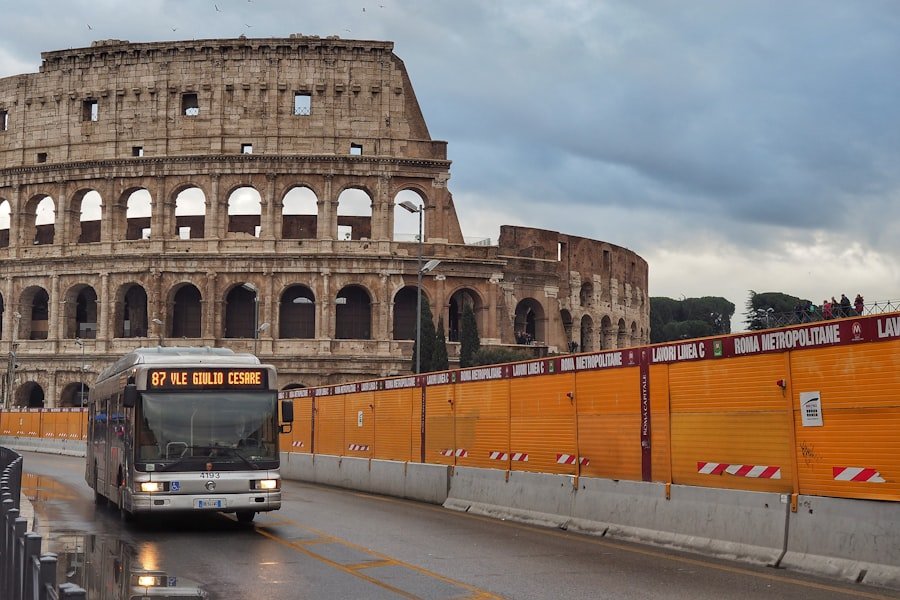
Regional trains are generally more affordable but may take longer to reach their destinations. Within cities, public transportation systems are efficient and economical. A single ticket for buses or trams typically costs around €1.50 and is valid for 90 minutes of travel.
Many cities also offer day passes that provide unlimited travel for a set price, which can be a cost-effective option for those planning to explore extensively. For instance, a day pass in Milan costs approximately €7 and allows unlimited access to the metro and buses throughout the day. While taxis are available, they tend to be more expensive; a short ride within a city can easily cost €10 or more.
Therefore, utilizing public transport not only saves money but also offers an authentic glimpse into daily Italian life.
Sightseeing and Activity Budget in Italy
| City | Activity | Average Cost (per person) |
|---|---|---|
| Florence | Uffizi Gallery | €20 |
| Rome | Colosseum | €12 |
| Venice | Gondola Ride | €80 |
| Milan | Da Vinci’s Last Supper | €12 |
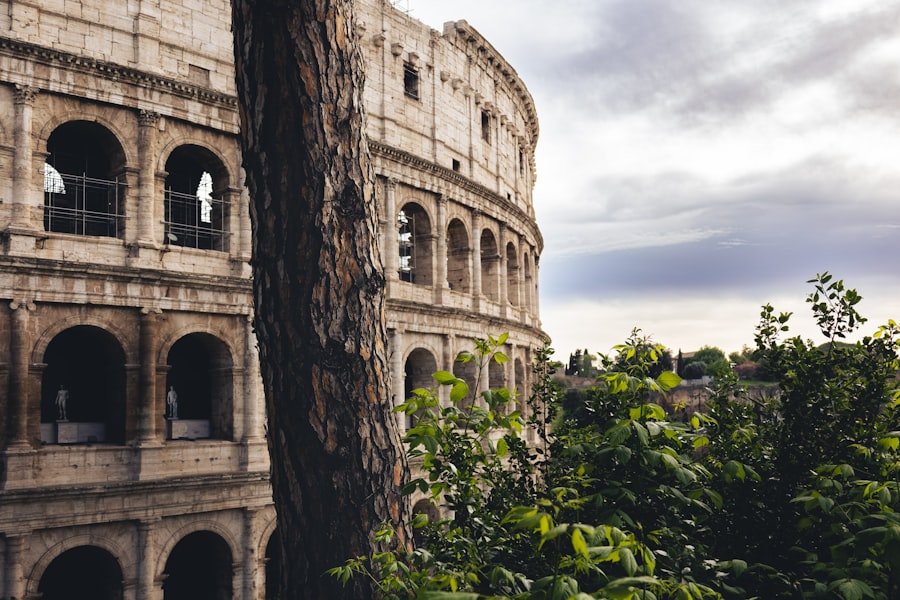
Italy is rich in history, art, and culture, offering countless opportunities for sightseeing and activities that cater to various interests. However, entrance fees for popular attractions can add up quickly. For example, visiting the Colosseum in Rome costs around €18, while entry to the Uffizi Gallery in Florence is approximately €20.
Many museums and historical sites offer discounted rates for students or free admission on certain days of the month, making it worthwhile for travelers to research these options ahead of time. In addition to traditional sightseeing, Italy offers numerous free or low-cost activities that allow visitors to immerse themselves in local culture. Strolling through picturesque neighborhoods like Trastevere in Rome or exploring the canals of Venice can be done at no cost while providing rich experiences.
Many cities also host free walking tours led by local guides who work on a tips-only basis; this not only provides valuable insights into the city’s history but also allows travelers to set their own budget for the tour. Engaging with local festivals or markets can also be an enriching experience that doesn’t require significant financial investment.
Daily Expenses for Shopping and Souvenirs in Italy
Shopping in Italy can be an enticing experience, with everything from high-end fashion boutiques in Milan to artisanal markets in smaller towns offering unique finds. However, it’s essential for travelers to set a budget for shopping and souvenirs to avoid overspending. Prices can vary widely; for instance, a handmade leather wallet from Florence might cost around €50, while luxury items from designer stores can reach several hundred euros.
Souvenirs such as ceramics from the Amalfi Coast or local wines from Tuscany are popular choices but should be approached with caution regarding budget constraints. Travelers should consider purchasing items that reflect their experiences rather than generic trinkets; this not only makes for more meaningful keepsakes but also helps manage spending. Additionally, exploring local markets can yield unique treasures at reasonable prices compared to tourist shops.
Haggling is generally not common practice in Italy; however, being friendly and polite may lead to small discounts at local stalls.
Tips and Tipping Etiquette in Italy
Tipping practices in Italy differ significantly from those in other countries like the United States. While tipping is appreciated for good service, it is not obligatory and often not expected at the same level as elsewhere. In restaurants, it is common to round up the bill or leave small change; for example, if your meal costs €45, leaving €50 is perfectly acceptable.
Some establishments may include a service charge (servizio) on the bill; if this is the case, additional tipping is not necessary unless you feel the service was exceptional. In cafes or bars, leaving small coins as a tip when ordering drinks or snacks is customary but not required. For taxi drivers, rounding up the fare is also appreciated but not mandatory.
In general, Italians value genuine expressions of gratitude over monetary tips; a simple “grazie” accompanied by a smile often suffices. Understanding these nuances can enhance interactions with locals and contribute to a more authentic travel experience.
Unexpected Expenses and Contingency Budget in Italy
Traveling often comes with unforeseen circumstances that can lead to unexpected expenses. Whether it’s an emergency medical situation or an unplanned excursion that catches your interest, having a contingency budget is crucial when visiting Italy. It’s advisable to set aside at least 10-15% of your overall travel budget for these unexpected costs.
This buffer allows travelers to navigate surprises without derailing their financial plans. Additionally, travelers should consider potential costs related to travel insurance, which can cover medical emergencies or trip cancellations. While this may seem like an additional expense upfront, it can save significant amounts of money in case of unforeseen events.
Furthermore, keeping an eye on currency exchange rates and transaction fees when using credit cards abroad can help avoid unexpected charges that could impact your budget.
How to Save Money and Stick to Your Travel Budget in Italy
Sticking to a travel budget while enjoying all that Italy has to offer requires strategic planning and mindful spending habits. One effective way to save money is by prioritizing free attractions and experiences over costly ones. Many cities have beautiful parks, historic sites, and vibrant neighborhoods that can be explored without spending a dime.
Additionally, taking advantage of local public transportation instead of taxis can significantly reduce travel costs. Dining smartly is another key aspect of budget management in Italy. Opting for lunch instead of dinner at restaurants often yields lower prices while still allowing you to enjoy authentic Italian cuisine.
Furthermore, seeking out local trattorias or osterias rather than tourist-centric establishments can lead to more affordable meals without sacrificing quality. Engaging with locals for recommendations on where to eat or shop can uncover hidden gems that offer better value. By combining these strategies with careful planning—such as creating a daily itinerary that includes both paid activities and free experiences—travelers can enjoy their time in Italy without overspending.
Keeping track of daily expenses through budgeting apps or simple spreadsheets can also help maintain awareness of spending habits throughout the trip.
If you are planning a trip to Italy and are concerned about travel costs per day budget, you may want to check out this article on delicious homemade cottage cheese. This simple and healthy recipe can help you save money on food expenses during your travels, allowing you to allocate more funds towards exploring the beautiful sights and attractions of Italy. Happy travels!
FAQs
What are the average travel costs per day in Italy?
The average travel costs per day in Italy can range from $50 to $150 per person, depending on the traveler’s preferences and travel style.
What factors can affect the travel costs in Italy?
Factors that can affect travel costs in Italy include accommodation choices, dining preferences, transportation options, and the activities and attractions a traveler chooses to visit.
What are some budget-friendly accommodation options in Italy?
Budget-friendly accommodation options in Italy include hostels, guesthouses, and budget hotels. Airbnb and vacation rentals can also be cost-effective choices for longer stays.
How can travelers save money on dining in Italy?
Travelers can save money on dining in Italy by opting for local trattorias and osterias, where they can enjoy authentic Italian cuisine at more affordable prices. Additionally, shopping at local markets and grocery stores for picnic supplies can help save on food costs.
What are some affordable transportation options in Italy?
Affordable transportation options in Italy include using regional trains, buses, and trams for intercity travel. Walking and cycling are also great options for exploring cities and towns while keeping transportation costs low.
Are there any free or low-cost activities and attractions in Italy?
Yes, Italy offers a variety of free or low-cost activities and attractions, such as exploring public parks, visiting churches and cathedrals, and enjoying the natural beauty of the countryside. Many museums and historical sites also offer discounted or free admission on certain days or for specific age groups.