Italy travel costs per day vary sharply by city, season, and travel style, but there is a useful official benchmark. The Bank of Italy found that foreign overnight visitors spent an average of €139.10 per day in 2025 on in-country travel expenses. Your own budget can be lower or much higher depending on lodging, transport, dining, shopping, and paid attractions.
Quick Answer
For a realistic planning baseline, use about €139 per person per day as the latest full-year official average for foreign overnight visitors. That figure excludes international transport and mixes budget and higher-spending travelers. Build your own budget by adding lodging, food, local and intercity transport, attractions, city taxes, shopping, and a contingency allowance.
Last checked: October 1, 2026. Dates and figures were verified against official sources.
Key Takeaways
- Accommodation was the largest spending category for foreign travelers in Italy in 2025, accounting for 45.2% of total in-country spending.
- Current city-transport examples are €1.50 for a 100-minute Rome BIT ticket and €2.20 for a 90-minute Milan Mi1-Mi3 ticket.
- Major attraction prices vary widely: the Colosseum is €18, the Uffizi is €25 on the day, and a standard daytime Venice gondola ride is €90.
- The 2026 Venice Access Fee trial ended on July 26, so no access-fee payment or exemption is required from July 27, 2026, for the rest of that trial year.
- Keep a separate allowance for local tourist taxes, transaction fees, insurance, and unplanned changes.
Italy Travel Costs per Day: What the Official Data Shows
The best nationwide benchmark is €139.10 per person per day for foreign overnight visitors in 2025. The Bank of Italy’s 2025 international tourism survey includes accommodation, restaurants, domestic transport, shopping, and other in-country spending; international transport is counted separately.
This is a measured average, not a fixed target for every traveler. It combines different travel styles, trip purposes, regions, and seasons, so use it as a starting point rather than a promise of what your own trip will cost.
| 2025 spending category | Share of foreign traveler spending |
|---|---|
| Accommodation | 45.2% |
| Restaurants | 23.0% |
| Shopping | 15.2% |
| Domestic transport | 9.5% |
| Other expenses | 7.2% |
The figures are rounded, so the shares may not total exactly 100%. The main lesson is simple: accommodation has the biggest effect on your daily total, followed by food and shopping.
Accommodation Costs in Italy
Accommodation is usually the largest controllable part of an Italy travel budget. A mid-range hotel in Rome can cost about €100 to €250 per night, while hostels or guesthouses can start around €20 to €50; smaller towns and rural areas often have less expensive options.
Compare the total value, not just the room rate. Breakfast, Wi-Fi, parking, or included local services can make a slightly higher room price worthwhile, while local tourist taxes may be charged separately.
Booking earlier often helps in Rome, Venice, Florence, and Milan, especially around holidays and major events. If your itinerary is flexible, staying outside the busiest center while remaining close to public transport can also reduce the nightly cost.
Food and Dining Expenses in Italy
Food can stay moderate if you mix sit-down meals with casual choices. A mid-range restaurant meal may cost about €15 to €30 per person, while pizza, panini, or other quick meals can be around €5 to €10; fine dining in places such as Milan or Venice can exceed €100 per person with wine.
Many restaurants charge a coperto, or cover charge, commonly around €1 to €3 per person. It is separate from a voluntary tip, so read the menu before ordering and check the bill before paying.
Water can also affect the final bill. Tap water is safe where it is designated potable, but restaurants may serve bottled water rather than free tap water, so check what is included before ordering.
For lower everyday food costs, use neighborhood bakeries, markets, pizzerias, and simple trattorias. A cooking class can be worthwhile as a combined activity and meal, but treat it as an experience expense rather than a food-saving tactic.
Transportation Costs in Italy
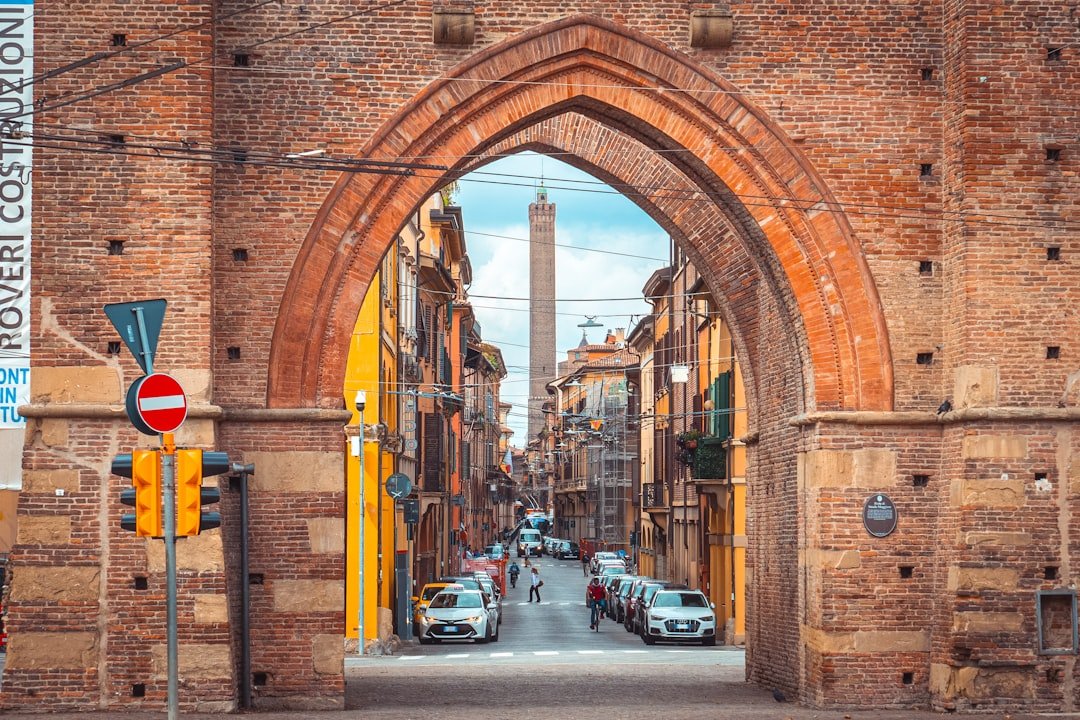
Public transport and rail are usually easier to budget than frequent taxis. In Rome, the BIT ticket costs €1.50 and is valid for 100 minutes; in Milan, the Mi1-Mi3 ticket costs €2.20 for 90 minutes and the 24-hour ticket costs €7.60.
For intercity trips, regional trains are generally less expensive than high-speed services, though they can take longer. A high-speed Rome-to-Florence trip can be around €30 to €50 when booked in advance, but the actual fare changes with train, fare type, travel date, and availability.
Taxis are useful when public transport is inconvenient, but repeated short rides can push up your daily total quickly. For city-heavy itineraries, walking and public transit are usually the simplest way to keep transport spending predictable.
Sightseeing and Activity Budget in Italy
Paid attractions can add a substantial amount to your Italy travel costs per day, especially if you visit several major museums or monuments in one day. Current official prices also show why older attraction tables can become outdated quickly.
| City | Activity | Current Full-Price Example |
|---|---|---|
| Florence | Uffizi Gallery | €25 same-day; €29 purchased in advance |
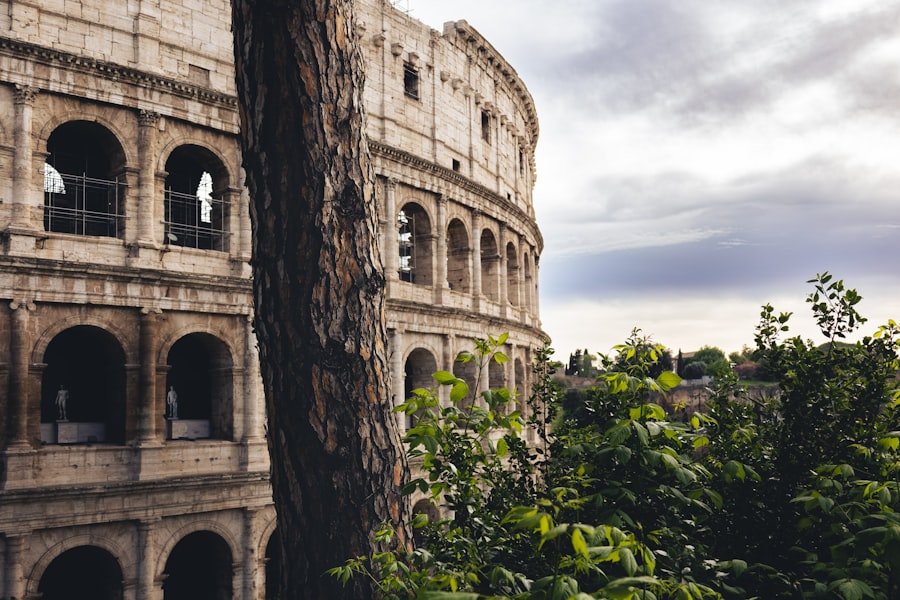
| Rome | Colosseum, Roman Forum and Palatine | €18 |
| Venice | Gondola Ride | €90 for 30 minutes by day; €110 for 35 minutes in the evening |
| Milan | Leonardo’s Last Supper | €15; reservation required |
The Uffizi also offers free admission on the first Sunday of each month. Beyond ticketed sights, you can spend very little by exploring piazzas, historic neighborhoods, parks, markets, viewpoints, and churches that do not charge admission.
Free walking tours may operate on a tips-based model, so they are not necessarily zero-cost. Decide what you are comfortable paying before joining, and reserve most of your attraction budget for the museums, monuments, or tours you care about most.
Daily Expenses for Shopping and Souvenirs in Italy
Shopping can be either a small extra or one of the largest parts of your daily spending. Set a separate souvenir budget so purchases do not compete with lodging, food, and transport.
A handmade leather wallet in Florence may cost around €50, while designer goods can cost several hundred euros. Ceramics, local food products, and regional wines are also popular souvenirs, but prices vary widely by producer and shop.
Local markets can offer more distinctive items than souvenir stores in the busiest tourist areas. Haggling is generally not standard practice in Italy, so focus on the displayed price and buy only what fits the limit you set before shopping.
Tips and Tipping Etiquette in Italy
Tipping in Italy is appreciated but generally not obligatory. Rounding up the bill or leaving a modest amount for good service is common; for example, leaving €50 on a €45 restaurant bill is acceptable if you were happy with the service.
Check whether a servizio charge is already included before adding more. A coperto is a separate cover charge for table service and does not automatically count as a tip.
At cafés and bars, small coins are enough if you choose to tip. For taxis, rounding up is also a simple approach rather than applying a fixed percentage to every ride.
Unexpected Expenses and Contingency Budget in Italy
A contingency fund protects your main travel budget from medical issues, itinerary changes, missed connections, extra baggage costs, or an unplanned activity. A common planning approach is to reserve about 10% to 15% of your overall trip budget for costs you did not expect.
Also allow for travel insurance, local tourist taxes, foreign transaction fees, ATM charges, and exchange-rate changes. These costs are easy to overlook because they may not appear in the headline price of a hotel, ticket, or meal.
Venice had a day-visitor Access Fee on selected dates in 2026, but that trial ended on July 26. According to the official Venice Access Fee information, no payment or exemption is required from July 27, 2026, for the remainder of the 2026 trial period.
How to Save Money and Stick to Your Travel Budget in Italy
The biggest savings usually come from controlling accommodation, transport, and restaurant spending before you start trimming small purchases. Build a daily cap for those three categories first, then add attractions, shopping, and a contingency amount.
- Mix paid and free sightseeing. Pair major ticketed sights with piazzas, neighborhoods, parks, churches, and markets that cost little or nothing.
- Use public transport in major cities. A few metro, bus, or tram rides usually cost less than repeated taxis.
- Choose simple local meals. Bakeries, pizzerias, markets, trattorias, and osterias can help you control food spending without skipping regional dishes.
- Compare the full accommodation cost. Look at breakfast, local taxes, cancellation terms, and transport access rather than judging a stay only by its nightly rate.
- Track spending daily. A budgeting app or simple spreadsheet makes it easier to spot overspending before the end of the trip.
For a separate budget-friendly food idea from this site, see delicious homemade cottage cheese.
Frequently Asked Questions
How much should I budget per day for Italy?
The best official baseline is €139.10 per person per day, based on foreign overnight visitors in 2025. Your 2026 budget may be lower or higher depending on accommodation, city, food, transport, shopping, and attractions. International flights are separate from that Bank of Italy measure.
What is usually the biggest travel expense in Italy?
Accommodation is usually the biggest controllable expense. Bank of Italy data for 2025 show accommodation accounted for 45.2% of foreign traveler spending in Italy, ahead of restaurants, shopping, domestic transport, and other expenses.
How can travelers save money on dining in Italy?
Travelers can lower food costs by mixing sit-down meals with bakeries, pizzerias, markets, and simple trattorias or osterias. Read menus for coperto charges, keep drinks in the budget, and avoid making every meal a restaurant splurge.
What are affordable transportation options in Italy?
Walking, buses, trams, metros, and regional trains are the main budget-friendly options. A Rome BIT ticket costs €1.50 for 100 minutes, while Milan’s Mi1-Mi3 ticket costs €2.20 for 90 minutes and its 24-hour ticket costs €7.60.
Are there free or low-cost attractions in Italy?
Yes. Piazzas, historic neighborhoods, parks, markets, viewpoints, and many churches can be free, while some national museums offer free-admission days. Use those options to balance higher-cost sights such as the Uffizi, the Colosseum, or a Venice gondola ride.
Do I need to budget for the Venice Access Fee in late 2026?
No. The 2026 Venice Access Fee trial ended on July 26, and the official site says no payment or exemption is required from July 27, 2026, for the rest of that trial year. Future years require a new municipal decision.
Sources
- Bank of Italy: International Tourism Survey 2025: average daily spending, spending categories, and treatment of international transport.
- ATAC Rome BIT: Rome ticket price and validity.
- ATM Milan tickets: Milan single and 24-hour fares.
- Uffizi Galleries tickets: Uffizi prices and free first-Sunday admission.
- Parco archeologico del Colosseo: €18 full-price Colosseum ticket.
- Venezia Unica: official gondola prices and duration.
- Museo del Cenacolo Vinciano: Last Supper price and mandatory reservation.
- Venice Access Fee: 2026 fee dates, amounts, and end of the trial period.
- Italia.it: Money, payments and tipping: official practical guidance on tipping in Italy.