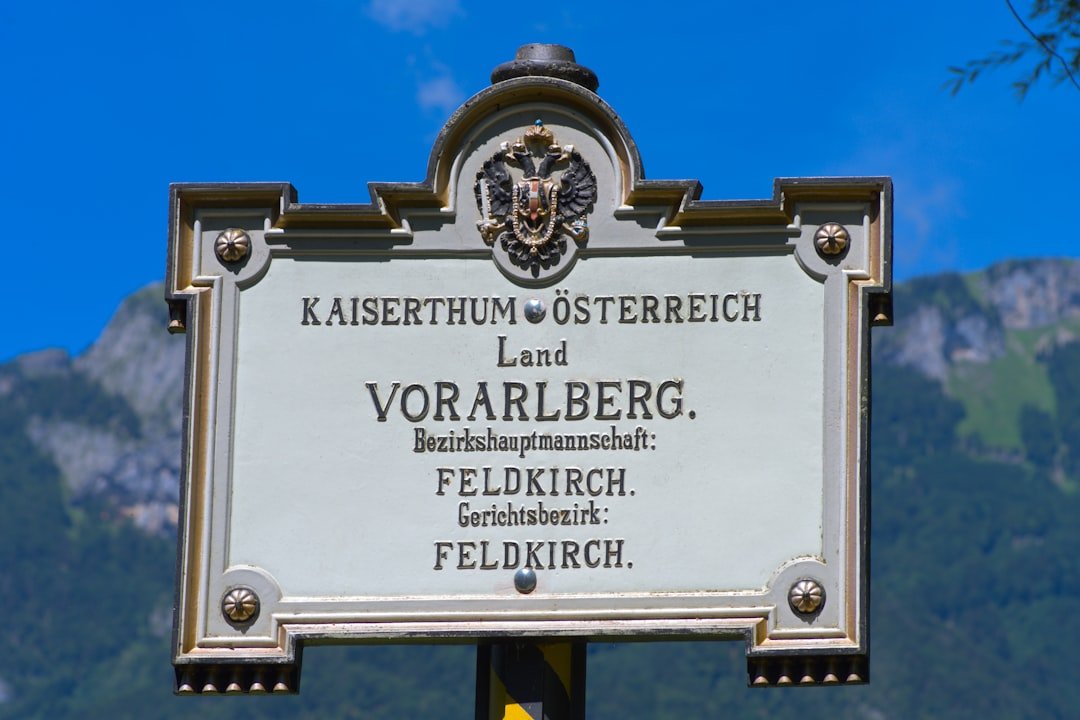
Kirchenfeld is one of Bern’s most attractive areas for museums, architecture, quiet residential streets, and walks near the Aare River. It sits just across the Kirchenfeld Bridge from the Old City, making it easy to combine with central sights. The neighborhood is especially rewarding if you enjoy history, family-friendly museums, or a calmer side of Bern.
Quick Answer
Kirchenfeld is Bern’s museum and embassy neighborhood, located across the Aare from the Old City. Its main attractions include the Bern History Museum, Einstein Museum, Museum of Communication, Natural History Museum, ALPS, Kunsthalle Bern, the Kirchenfeld Bridge, and peaceful river walks. Allow half a day for the main sights or a full day for several museums.
Key Takeaways
- Kirchenfeld is a neighborhood within the larger Kirchenfeld-Schosshalde district, so some attractions commonly grouped with it are outside Kirchenfeld proper.
- The Museum Quarter around Helvetiaplatz is the main reason to visit and includes several major museums within a short walk.
- The Federal Palace is across the river in central Bern, while Rosengarten and Zentrum Paul Klee are in neighboring Schosshalde.
- Trams 6, 7, and 8 provide convenient service from Bern railway station to Helvetiaplatz.
- Kirchenfeld is better for museums, architecture, walking, and a quiet meal than for major shopping or late-night bar hopping.
- Swimming in the Aare is only suitable for experienced swimmers who understand the current, route, and marked exit points.
Where Is Kirchenfeld in Bern?
Kirchenfeld lies southeast of Bern’s Old City on the opposite side of the Aare River. The Kirchenfeld Bridge connects the neighborhood directly with the city center, so you can walk from the Federal Palace area to Helvetiaplatz in about 15 minutes.
The name “Kirchenfeld” can be translated literally as “church field.” Today, however, visitors are more likely to associate the neighborhood with museums, embassies, schools, villas, tree-lined streets, and views back toward Bern’s historic center.
Note: Kirchenfeld is one part of the larger Kirchenfeld-Schosshalde district. Rosengarten and Zentrum Paul Klee are in Schosshalde, not Kirchenfeld proper, although they are often included in broader guides to this side of Bern.
Historical Landmarks and Architecture
Kirchenfeld Bridge and the neighborhood’s development
The opening of the Kirchenfeld Bridge in 1883 changed this part of Bern. Before the bridge, the high ground south of the Aare was close to the Old City but difficult to reach. The new connection made planned urban development possible and helped turn Kirchenfeld into one of Bern’s most distinctive late-19th-century expansions.
The neighborhood’s layout is more deliberate than the narrow medieval streets across the river. Broad roads, formal squares, public buildings, detached villas, and rows of substantial homes reflect the planning ideals of the period. Several streets create framed views toward major buildings, the bridge, and the Old City.
The 1883 Kirchenfeld Bridge did more than cross the Aare. It opened the way for one of Bern’s most carefully planned 19th-century neighborhood expansions.
The Federal Palace across the river
The Federal Palace is not inside Kirchenfeld, but it forms an important part of the view and the typical walking route. The central Parliament Building was constructed between 1894 and 1902 and stands in Bern’s central district on the opposite side of the Aare.
A convenient visit begins near the Federal Palace and Bundesplatz, continues across the Kirchenfeld Bridge, and then reaches the Museum Quarter around Helvetiaplatz. Guided visits to the Parliament Building may be available, but schedules and security requirements should be checked on the official Swiss Parliament website.
Bern History Museum
The Bern History Museum, also known by its German name Bernisches Historisches Museum, is one of the neighborhood’s defining buildings. Its castle-like main structure opened in 1894 and uses a Historicist design inspired by medieval architectural forms. A modern cube extension creates a clear contrast with the older building.
The museum covers archaeology, history, ethnography, and other parts of Bern’s cultural heritage. It also contains the Einstein Museum, which presents Albert Einstein’s life and work in the wider context of his time in Bern and world history.
Because the institution has extensive collections and changing exhibitions, check the official Bern History Museum website before visiting. A focused visit may take around 90 minutes, while history enthusiasts can spend several hours inside.
Parks and Outdoor Spaces
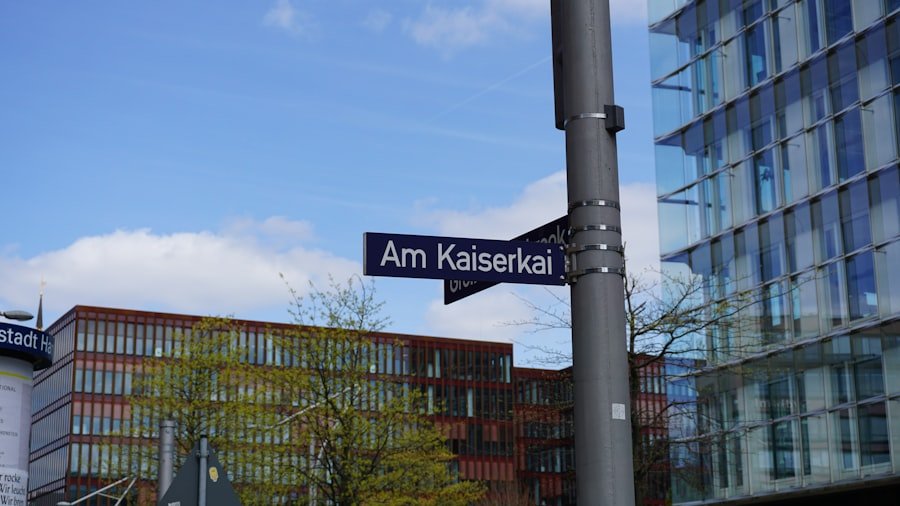
Kirchenfeld is greener and quieter than Bern’s commercial center. Its residential streets have mature trees, private gardens, institutional grounds, and small open spaces. The neighborhood is not dominated by one large public park, but it offers easy access to riverside paths and nearby green areas.
Walking beside the Aare
Paths near the Aare are suitable for walking, jogging, and cycling. They provide a different view of Bern from the elevated streets above and can be combined with routes toward the Dählhölzli area, Marzili, or the Old City.
Warning: The Aare is a fast, powerful river rather than a normal swimming pool. River swimming is recommended only for experienced swimmers. Check current water and weather conditions, know your entry and exit points, stay sober, go with another person, and never attach an ordinary swim bag or flotation item directly to your body.
Current rules, marked exits, water hazards, and emergency guidance are available through Bern’s official Aare safety information.
Rosengarten in nearby Schosshalde
Rosengarten is often included in Kirchenfeld-area itineraries, but it is in neighboring Schosshalde. The elevated park is known for its panoramic view over Bern’s Old City and for more than 250 varieties of roses, along with irises, rhododendrons, lawns, a playground, and a restaurant.
It is not the most efficient addition to a short Museum Quarter visit because it lies farther east. It works better as part of a full-day route or as a separate stop after the BearPark.
Cultural Attractions and Museums
The concentration of cultural institutions around Helvetiaplatz is Kirchenfeld’s strongest visitor feature. The Bern Museum Quarter brings museums, archives, educational institutions, and cultural venues together within a compact area.
| Attraction | Main focus | Best for | Suggested time |
|---|---|---|---|
| Bern History Museum and Einstein Museum | Bernese history, archaeology, cultural collections, and Einstein | History enthusiasts and first-time visitors | 1.5–3 hours |
| Museum of Communication | Language, media, technology, communication, and interactive exhibits | Families, children, and hands-on learners | 1.5–2 hours |
| Natural History Museum Bern | Animals, earth sciences, biodiversity, and natural-history collections | Families and science-minded visitors | 1.5–2.5 hours |
| ALPS Alpines Museum der Schweiz | The Alps, mountain life, landscapes, and current Alpine issues | Travelers interested in Swiss culture and landscapes | 1–1.5 hours |
| Kunsthalle Bern | Modern and contemporary art exhibitions | Contemporary-art visitors | 45–90 minutes |
Other Museum Quarter institutions include the Swiss Shooting Museum, Swiss National Library, City Archives of Bern, Kirchenfeld Grammar School, and additional cultural or educational organizations. The mix makes the area suitable for a rainy day as well as a longer cultural visit.
Pro Tip: Choose no more than two large museums for one day. The Bern History Museum, Museum of Communication, and Natural History Museum each contain enough material to become the main event rather than a quick stop.
Other major museums nearby
Zentrum Paul Klee is a worthwhile addition for art lovers, but it is farther east in Schosshalde rather than inside Kirchenfeld proper. Its distinctive building was designed by Renzo Piano, and the center presents works by Paul Klee alongside temporary exhibitions and events.
Kunstmuseum Bern is also outside Kirchenfeld. It stands near Bern railway station and the Old City at Hodlerstrasse. It is best treated as a separate central-Bern attraction rather than part of the Kirchenfeld Museum Quarter.
Dining and Nightlife
Kirchenfeld has cafés, bakeries, neighborhood restaurants, and places for a relaxed lunch or dinner. You can find options around Helvetiaplatz, Thunplatz, and the main tram corridors, while some museums have cafés or nearby refreshment choices.
The area is not one of Bern’s main late-night entertainment districts. Evenings are generally calmer because Kirchenfeld is strongly residential and institutional. It is a good choice for dinner after a museum visit, but visitors seeking a dense selection of bars, clubs, or late-night venues will find more options after crossing back into the Old City, Matte, or other central areas.
Traditional Swiss dishes such as fondue or raclette may be available at restaurants in Bern, but they are often seasonal. Check current menus rather than assuming every neighborhood restaurant serves them throughout the year.
Shopping and Local Businesses
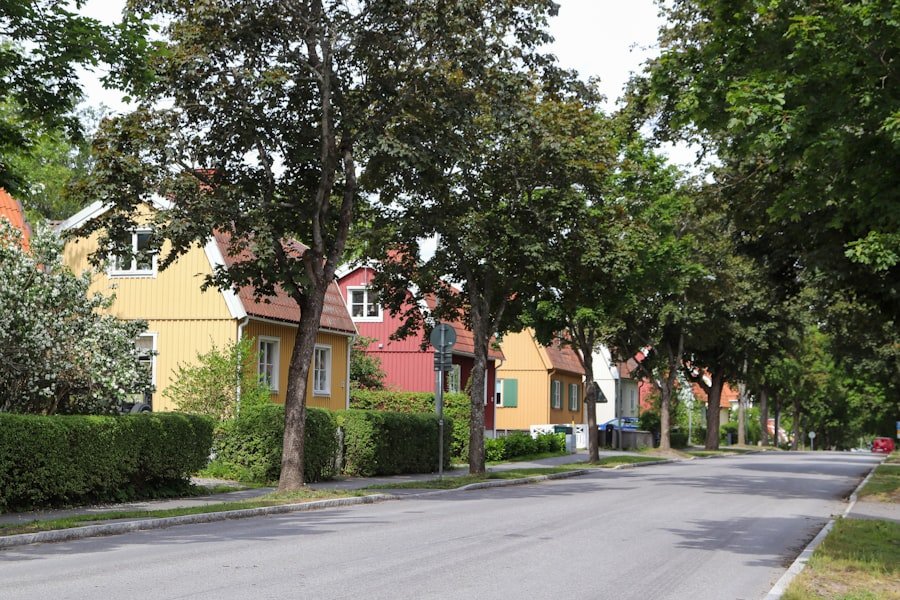
Shopping in Kirchenfeld is mainly local and practical. Depending on your route, you may encounter food shops, pharmacies, bakeries, small specialty businesses, and services used by residents. The neighborhood is not a major retail destination with long shopping streets or large numbers of souvenir stores.
For a wider choice of fashion, gifts, Swiss products, department stores, and market activity, cross the Kirchenfeld Bridge into central Bern. The Old City arcades provide a much broader shopping experience and are easy to combine with a neighborhood visit.
Weekly markets and major seasonal markets are more closely associated with central locations such as Bundesplatz and other Old City squares. Check the City of Bern’s current event calendar before planning a visit around a specific market.
Transportation and Accessibility
Kirchenfeld is easy to reach without a car. From Bern railway station, trams 6, 7, and 8 travel to Helvetiaplatz, the most convenient stop for the main museums. The journey is short, and the attractions around the square are close enough to explore on foot.
Walking from the station is also practical. A common route passes the Federal Palace, crosses the Kirchenfeld Bridge, and continues to the Bern History Museum and Helvetiaplatz. The walk takes roughly 15 minutes at a steady pace, excluding sightseeing stops.
Cycling is another practical option, and public bicycle services operate in Bern. Use marked cycling facilities and pay attention when crossing tram tracks.
Parking can be limited. Individual museums may have no general visitor parking, so public transport is usually the simplest choice. Drivers should check an official parking map before arriving rather than expecting a space beside the museum.
The main streets and Museum Quarter are generally easier to navigate than the steep paths descending toward the Aare. Visitors using wheelchairs or managing limited mobility should check each museum’s accessibility page for entrances, lifts, seating, toilets, and assistance arrangements.
Suggested Kirchenfeld Itineraries
Half-day route
- Begin near the Federal Palace and walk across the Kirchenfeld Bridge.
- Pause for views of the Aare and Bern’s Old City.
- Continue to Helvetiaplatz and view the Bern History Museum’s exterior.
- Choose either the Bern History Museum, Museum of Communication, or Natural History Museum.
- Finish with a café stop or a short walk through the surrounding residential streets.
Full-day route
- Walk from the Old City across the Kirchenfeld Bridge.
- Visit one major museum in the morning.
- Have lunch around Helvetiaplatz or Thunplatz.
- Visit a second museum in the afternoon.
- Take a riverside walk if weather and mobility allow.
- Continue by public transport to Rosengarten or Zentrum Paul Klee, or return to the Old City for dinner.
Family and rainy-day route
For families, the Museum of Communication and Natural History Museum are usually the strongest pairing because they offer interactive, visual, or child-friendly material. Avoid planning too many institutions in one day, especially with younger children. On a rainy day, choose one large museum and keep a second nearby venue as an optional addition.
Tips for Exploring Kirchenfeld
- Check opening days first: Many Bern museums close on Mondays, although holiday schedules can differ.
- Verify temporary exhibitions: A museum’s current program may affect how long you want to spend there.
- Use Helvetiaplatz as your base: Several important institutions are within a short walk of the tram stop.
- Wear comfortable shoes: The Museum Quarter is easy to walk, but routes down to the Aare can be steep.
- Carry a light layer: Museum interiors and riverside areas can feel cooler than sunny streets.
- Do not overfill the day: One or two major museums plus a neighborhood walk is a more realistic plan than attempting every attraction.
- Ask before photographing exhibits: Rules can vary between museums and temporary exhibitions.
- Use official planning pages: The Bern Museum Quarter overview is more useful for this trip than an unrelated general-interest article.
Seasonal festivals, temporary installations, museum events, and public programs can add value to a visit. Check current event calendars shortly before your trip, since dates and access conditions change throughout the year.
Sources
- City of Bern: Districts and statistical neighborhoods — confirms the distinction between Kirchenfeld and the larger Kirchenfeld-Schosshalde district.
- Swiss National Library: Architecture walk through Kirchenfeld — supports the neighborhood’s planned 19th-century development and street layout.
- City of Bern: Kirchenfeld Bridge — supports the bridge’s 1883 opening and historical role.
- Bern Welcome: Bern Museum Quarter — identifies the participating museums and cultural institutions.
- Swiss Parliament: Parliament Building — supports the Federal Palace construction dates and official visitor information.
- Bern Welcome: Aare safety guidance — supports river-swimming precautions, exit planning, and emergency advice.
Frequently Asked Questions
What is the Kirchenfeld neighborhood known for?
Kirchenfeld is known for its Museum Quarter, late-19th-century architecture, embassies, schools, villas, quiet residential streets, the Kirchenfeld Bridge, and access to walks near the Aare River.
Which attractions are actually inside Kirchenfeld?
Major attractions in or around the Kirchenfeld Museum Quarter include the Bern History Museum and Einstein Museum, Museum of Communication, Natural History Museum Bern, ALPS Alpines Museum der Schweiz, Kunsthalle Bern, Swiss Shooting Museum, and Swiss National Library.
Are the Federal Palace and Rosengarten in Kirchenfeld?
No. The Federal Palace is across the Aare in central Bern. Rosengarten is in neighboring Schosshalde, which belongs to the same larger Kirchenfeld-Schosshalde district but is not Kirchenfeld proper.
How much time should I spend in Kirchenfeld?
Allow three to four hours for one major museum, the bridge, and a short neighborhood walk. A full day is better if you want to visit two museums, eat locally, and add a riverside walk or a nearby Schosshalde attraction.
How do I get to Kirchenfeld from Bern railway station?
Take tram 6, 7, or 8 to Helvetiaplatz for the main museums. You can also walk from the station through central Bern, pass the Federal Palace, and cross the Kirchenfeld Bridge in roughly 15 minutes.
Is Kirchenfeld family-friendly?
Yes. Its quiet streets, schools, museums, public transport, and green surroundings make it family-friendly. The Museum of Communication and Natural History Museum are especially useful choices for a visit with children.
What housing is available in Kirchenfeld?
Housing includes apartments in historic buildings, substantial townhouses, villas, and some newer residential properties. The area is known as a desirable residential neighborhood, but availability and prices vary considerably by street and property type.
Does Kirchenfeld have good dining, shopping, and nightlife?
Kirchenfeld has neighborhood restaurants, cafés, bakeries, and practical shops, but it is not Bern’s main shopping or nightlife district. Cross into the Old City for a wider choice of stores, bars, and late-night venues.
Can visitors swim in the Aare near Kirchenfeld?
Only experienced river swimmers should enter the Aare. The current is powerful, and visitors must know the route, water conditions, hazards, and marked exit points. Check official safety guidance before entering the water.