Knowing the emergency numbers in Switzerland can save valuable time when someone needs urgent medical help, police assistance, fire services, or rescue. This matters whether you live in Switzerland or are visiting its cities, lakes, roads, and Alpine areas. Save the essential numbers before you travel so you can act quickly instead of searching during an emergency.
Quick Answer
In Switzerland, call 112 for a general emergency, 117 for police, 118 for fire, 144 for an ambulance, and 145 for poisoning advice. For urgent air rescue in Switzerland, Rega uses 1414. In a life-threatening situation, call an appropriate emergency service immediately.
Key Takeaways
- 112 is the European emergency number and a useful choice when you are unsure which Swiss emergency service you need.
- 117 is the police emergency number, 118 is the fire service, and 144 is the ambulance service.
- 145 connects you with Tox Info Suisse for poisoning or suspected poisoning.
- 1414 is Rega’s emergency number within Switzerland when urgent medical assistance by air is appropriate.
- 143 provides emotional support and counselling, while 147 provides confidential help for children and young people.
- When calling, give your exact location, explain what happened, describe injuries or hazards, and provide a callback number.
Common Emergency Numbers in Switzerland
Switzerland uses several short numbers for different emergency services. The most useful number to remember if you are uncertain which service you need is 112, the European emergency number. In Switzerland, 112 connects callers with a police emergency control centre, which can coordinate the appropriate response.
The Swiss government states that 112 can also be called using a foreign SIM card or a prepaid mobile card with no remaining credit. This makes it particularly useful for international visitors. Do not assume that every phone without a SIM card, every locked device, or every internet-calling service will work in the same way.
| Service | Number | When to Use It |
| General European emergency number | 112 | Any urgent emergency, especially when you are unsure which service is required |
| Police | 117 | Immediate police assistance |
| Fire service | 118 | Fire and urgent fire-service response |
| Ambulance | 144 | Serious illness, injury, or medical emergency requiring an ambulance |
| Poison control | 145 | Poisoning or suspected poisoning |
| Rega air rescue | 1414 | Urgent medical assistance by air within Switzerland |
Dedicated numbers can send your call directly to the relevant service. For example, use 117 when urgent police intervention is needed, 118 for a fire, and 144 when someone needs an ambulance. For routine police questions or reports that are not urgent, contact the appropriate cantonal or local police station rather than occupying an emergency line.
Warning: Do not delay an emergency call while trying to decide which specialized number is perfect. If the situation is urgent and you are unsure which service you need, call 112 and clearly explain what is happening.
Medical Emergency Numbers
For a medical emergency requiring an ambulance in Switzerland, call 144. Examples include serious injuries, breathing difficulty, loss of consciousness, severe chest symptoms, or another situation in which immediate medical assessment and transport may be necessary.
The dispatcher will assess the information you provide and coordinate an appropriate response. Stay on the line, answer questions as clearly as possible, and follow the operator’s instructions.
For poisoning or suspected poisoning, call 145 for Tox Info Suisse. Tox Info Suisse provides specialist information around the clock for poisoning incidents. If the person is unconscious, not breathing normally, or otherwise appears to be in immediate life-threatening danger, emergency medical help should take priority.
Not every health problem requires an ambulance. Swiss cities and cantons also have hospitals, medical practices, pharmacies, and out-of-hours services for less urgent problems. Local hospitals may publish separate numbers for appointments or non-emergency enquiries. If the problem is not an emergency, use an appropriate local health service so emergency resources remain available for urgent cases.
Fire and Rescue Emergency Numbers
| Country | Emergency Number |
|---|---|
| Switzerland | 112 general / 118 fire |
| United States | 911 |
| United Kingdom | 999 |
| Australia | 000 |
| Canada | 911 |
Travelers accustomed to another country’s emergency number should remember that Switzerland’s dedicated fire-service number is 118. According to official Swiss guidance, the basic response to a fire is to alert the fire service, rescue people without putting yourself in danger, and attempt to extinguish the fire only when it is safe to do so.
Fire services may also participate in technical rescue and responses to serious incidents beyond building fires. Switzerland’s terrain can expose people to hazards including flooding, severe weather, and Alpine emergencies, so the service that responds will depend on the incident and location.
Mountain and Air Rescue: Rega 1414
For an emergency within Switzerland that requires urgent medical assistance by air, call Rega on 1414. This is especially relevant in rough or inaccessible terrain, serious mountain accidents, avalanche incidents, or situations in which rapid helicopter transport may be required.
Rega also provides an emergency app that can transmit your location to its Operations Center. Accurate coordinates can be extremely useful when you are on a hiking trail, ski route, mountain road, or other location without a clear street address.
Pro Tip: Before hiking or skiing, save 112, 144, and 1414 in your phone and consider installing the Rega app. Mobile coverage can disappear in remote terrain, so do not rely on a phone as your only safety measure.
Police Emergency Numbers
For an emergency requiring immediate police assistance in Switzerland, call 117. This can include an immediate threat, violence, a crime in progress, or another situation requiring urgent law-enforcement intervention. The Federal Office of Police also directs people to 117 for emergencies.
Switzerland’s cantons are responsible for most policing, so non-emergency contact details vary by canton and municipality. For a routine report, administrative question, or matter that does not require an immediate police response, contact the appropriate local or cantonal police service.
If you are not sure which emergency service is appropriate, 112 remains a useful general emergency number.
Other Important Helplines
Switzerland also has specialized support numbers that serve needs outside the main police, fire, and ambulance system.
143: Emotional Support and Counselling
143.ch, Die Dargebotene Hand or Helping Hand, provides confidential emotional support for people experiencing distress, loneliness, personal crises, or other difficult situations. Its work includes support related to suicidal crises, but 143 is better described as an emotional-support and counselling service rather than solely as a suicide-prevention hotline.
Current information about call costs should be checked directly with the service or your provider. Swiss government information and the service’s own website do not currently describe the cost in exactly the same way, so it is safer not to assume that every counselling or short-code service has identical charging rules.
147: Help for Children and Young People
147 is the Pro Juventute counselling and help service for children and young people. It provides confidential assistance with worries, crises, questions, and difficult situations.
SBB Transport Police
For matters involving the Swiss public transport network that require the SBB Transport Police, the Swiss government’s emergency information lists 0800 117 117.
FDFA Consular Helpline
Swiss travelers who need consular assistance can use the Federal Department of Foreign Affairs helpline. The Swiss government currently lists 0800 247 365 and 058 465 33 33 from Switzerland, with international versions of those numbers for calls from abroad.
Specialized services for domestic violence, victim assistance, child protection, and other situations may also exist at cantonal or local level. If someone is in immediate danger, use an emergency number such as 112 or 117 rather than delaying the call while searching for a specialized organization.
How to Access Emergency Services in Switzerland
Emergency calling is designed to be straightforward. Dial the appropriate number and give the operator clear, concise information. For a general emergency, 112 is particularly useful when you are uncertain whether police, medical, fire, or another response is needed.
What to Tell the Emergency Dispatcher
- Where you are: Give the address, road, town, trail, landmark, station, mountain, or GPS coordinates if available.
- What happened: Briefly describe the accident, illness, fire, crime, or other emergency.
- How many people are involved: Tell the dispatcher how many people may need assistance.
- What injuries or symptoms you can see: Mention unconsciousness, breathing problems, heavy bleeding, entrapment, or other obvious concerns.
- Any hazards: Mention fire, traffic, unstable terrain, avalanche risk, electricity, chemicals, or another danger.
- How to reach you: Give a callback number and remain available unless the operator tells you otherwise.
Remain as calm as you can and answer the operator’s questions. Do not hang up until you are told it is appropriate to do so.
Language ability can vary between services and operators. English is widely useful in Swiss tourism and some emergency organizations have multilingual personnel, but you should still communicate in simple, direct terms. A hotel, station employee, guide, local resident, or another nearby person may be able to assist with language if doing so does not delay the emergency call.
Using a Mobile Phone
The Swiss government specifically states that 112 can be called using a foreign SIM card or a prepaid mobile card with no credit. This is useful for tourists and international visitors.
Do not rely on the stronger claim that every mobile phone without a SIM, every locked handset, or every Wi-Fi calling setup will necessarily complete the call. Phone hardware, networks, and service configurations can differ.
Mobile location technology can help emergency services determine where a caller is, but you should still give your location verbally when possible. In remote areas, providing coordinates or a recognizable landmark can save time.
Note: No mobile app or GPS feature can compensate for a complete lack of communications coverage. In remote mountain areas, plan your route, tell someone where you are going, monitor conditions, and carry equipment appropriate for the trip.
Tips for Staying Safe and Prepared in Switzerland
Preparedness involves more than memorizing phone numbers. Before traveling, save the numbers most relevant to your plans and learn where nearby hospitals, police stations, pharmacies, or other services are located.
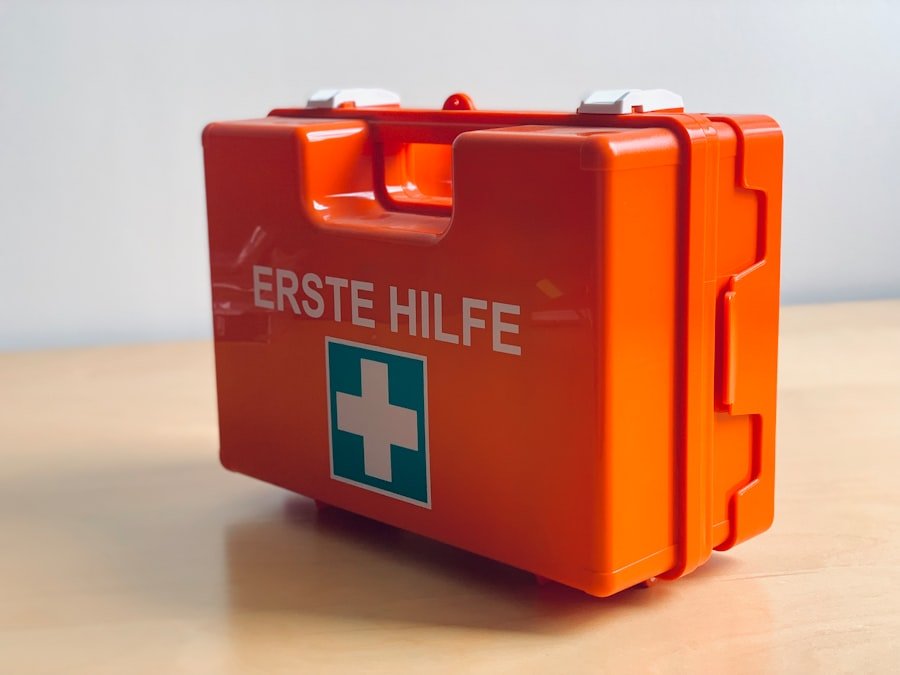
If you will be hiking, skiing, cycling, boating, or spending time in remote areas, check the conditions before leaving and consider how you would communicate your location during an accident. Carrying a basic first aid kit can help with minor injuries, but it is not a substitute for professional medical care in a serious emergency.
Use Alertswiss for Official Warnings
The official Alertswiss app provides alerts, warnings, and information about hazards affecting locations in Switzerland. It can be useful for events such as severe weather, flooding, forest fires, infrastructure problems, and other public-safety incidents.
If Switzerland’s general warning sirens sound outside an announced test, consult Alertswiss or official broadcasts and follow instructions from the authorities. Being aware of changing conditions is particularly important during outdoor activities and travel through mountain regions.
Practice Situational Awareness
Pay attention to traffic, trail conditions, weather, signs, barriers, and instructions from local authorities. Switzerland includes busy urban environments as well as high mountains and isolated rural areas, so the hazards you face can change quickly with your location.
Community first aid, CPR, and emergency-preparedness training can also improve your ability to help while professional assistance is on the way. Use those skills only within your level of training and without putting yourself in additional danger.
The five Swiss numbers most travelers should remember are 112 for a general emergency, 117 for police, 118 for fire, 144 for an ambulance, and 145 for poisoning advice. Outdoor travelers should also save Rega’s 1414.
Knowing these emergency numbers gives residents and visitors a practical way to respond when something goes wrong. The most important step is to call promptly, give an accurate location, explain the situation clearly, and follow the emergency operator’s instructions.
Health and safety also involve everyday habits such as eating well, resting, and preparing appropriately for travel. If you are interested in simple meal ideas, the existing article Delicious Homemade Cottage Cheese: A Simple and Healthy Recipe provides a homemade cottage cheese recipe. Everyday nutrition can support general well-being, but it does not replace medical care or emergency services when someone is seriously ill or injured.
Frequently Asked Questions
What are the emergency numbers in Switzerland?
The main numbers are 112 for a general emergency, 117 for police, 118 for the fire service, 144 for an ambulance, and 145 for poisoning or suspected poisoning. Rega’s emergency number for urgent medical assistance by air within Switzerland is 1414.
Can I dial 911 in Switzerland for emergencies?
911 is not an official Swiss emergency number and you should not rely on it. Use 112 if you need a general emergency number in Switzerland. Dedicated Swiss numbers include 117 for police, 118 for fire, and 144 for an ambulance.
Are emergency numbers in Switzerland toll-free?
Core emergency calling is designed for immediate access, but do not assume that every counselling helpline or short number has identical charging rules. For example, current published information about charges for 143 is not described identically by all authoritative sources. Check the individual service if cost matters.
Can I use my mobile phone to call emergency numbers in Switzerland?
Yes. The Swiss government specifically confirms that 112 can be called with a foreign SIM card or with a prepaid mobile card that has no credit. Do not assume that every phone without a SIM card, every locked phone, or every Wi-Fi calling service will behave identically.
Do I need to speak German, French, or Italian to call an emergency number?
You should call even if you do not speak a Swiss national language. Use simple words, clearly state your location and the nature of the emergency, and answer the operator’s questions. Language capabilities can differ between services, so do not delay calling while looking for a translator.
What number should I call for a mountain rescue in Switzerland?
For urgent medical assistance by air within Switzerland, Rega’s emergency number is 1414. You can also call 112 if you are unsure which rescue service is needed, especially near a national border or when the correct jurisdiction is unclear.
What information should I give when I call for help?
Give your exact location, describe what happened, say how many people are involved, describe serious injuries or hazards, and provide a callback number. In remote areas, GPS coordinates or recognizable landmarks can be especially helpful.
Sources
- Swiss Government: Emergencies and Danger — official numbers for 112, 117, 118, 143, 144, 145, 147, transport police, and consular assistance.
- Federal Office of Police — confirms 117 for urgent police assistance.
- Tox Info Suisse — official information about the 145 poisoning emergency service.
- Swiss Air-Rescue Rega — official information about emergency number 1414 and air rescue.
- 143.ch Heart2Heart — information about emotional first aid and counselling services.
- Alertswiss — official Swiss hazard alerts, warnings, and emergency information.