

Little River Canyon, located in northeastern Alabama, is a stunning natural wonder that showcases the beauty of the Appalachian Mountains. This breathtaking canyon, carved by the relentless flow of the Little River, is not only a geological marvel but also a sanctuary for outdoor enthusiasts and nature lovers alike. Established as a national preserve in 1992, the area spans over 15,000 acres and offers a diverse range of ecosystems, from lush forests to rocky cliffs.
The canyon itself is approximately 12 miles long and features dramatic elevations that create a striking contrast between the river and the surrounding landscape. The Little River, which flows atop Lookout Mountain, is unique in that it is one of the few rivers in the United States that runs predominantly on top of a mountain. This distinctive feature contributes to the canyon’s breathtaking vistas and rich biodiversity.
Visitors to Little River Canyon can expect to encounter a variety of recreational opportunities, including hiking, rock climbing, and birdwatching. The area is also steeped in cultural history, with evidence of Native American habitation dating back thousands of years. As such, Little River Canyon serves as both a natural playground and a historical treasure trove, inviting exploration and appreciation from all who visit.
Key Takeaways
- Little River Canyon is a beautiful natural area in Alabama, known for its stunning scenery and outdoor activities.
- Visitors can enjoy scenic views and waterfalls, such as the iconic Little River Falls, while exploring the canyon.
- Hiking, rock climbing, and kayaking are popular outdoor activities for visitors to enjoy in the canyon.
- The area is home to a diverse range of wildlife and plant species, making it a great spot for nature enthusiasts.
- Visitors can relax and enjoy picnicking in the canyon, while also learning about its history and geology. Nearby attractions and accommodations provide convenience for visitors, and it’s important to follow safety precautions while exploring the area.
Scenic Views and Waterfalls
One of the most captivating aspects of Little River Canyon is its array of scenic views and stunning waterfalls. The canyon’s rugged terrain creates numerous vantage points where visitors can marvel at the sweeping landscapes that stretch for miles. One of the most popular viewpoints is the Little River Canyon Overlook, which provides an expansive view of the canyon’s depths and the river winding through it.
The sight of the river cascading over rocky ledges and into deep pools is nothing short of mesmerizing, especially during the fall when the foliage transforms into a vibrant tapestry of reds, oranges, and yellows. Among the many waterfalls in the area, the most notable is DeSoto Falls, located just a short drive from the canyon itself. This impressive waterfall plunges approximately 107 feet into a serene pool below, creating a picturesque setting that attracts photographers and nature enthusiasts year-round.
The sound of rushing water combined with the surrounding lush vegetation creates an atmosphere of tranquility that is hard to replicate elsewhere. Additionally, the falls are easily accessible via a short hike, making them an ideal destination for families and casual hikers looking to experience the beauty of Little River Canyon without extensive trekking.
Hiking and Outdoor Activities
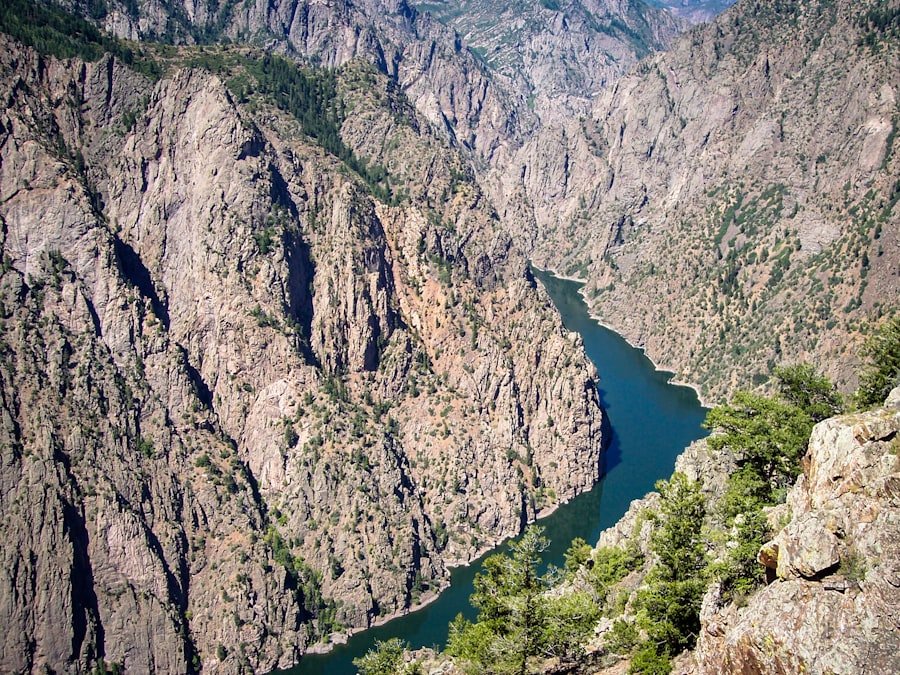
Little River Canyon is a hiker’s paradise, offering an extensive network of trails that cater to various skill levels. The most popular trail is the Canyon Rim Trail, which runs along the edge of the canyon and provides breathtaking views of the river below. This relatively easy trail spans approximately 5 miles and features several overlooks where hikers can pause to take in the scenery.
The trail is well-marked and maintained, making it suitable for families with children or those looking for a leisurely stroll amidst nature. For more adventurous hikers, the John F. Kennedy Nature Trail offers a more challenging experience.
This trail descends into the canyon itself, providing access to the river and its many hidden gems. Hikers can explore rocky outcrops, sandy beaches, and even secluded swimming holes along the way.
In addition to hiking, visitors can also engage in rock climbing, kayaking, and fishing, making Little River Canyon a versatile destination for outdoor activities.
Wildlife and Nature
| Category | Metrics |
|---|---|
| Species Diversity | Number of different species in a specific area |
| Habitat Loss | Percentage of natural habitat lost due to human activities |
| Endangered Species | Number of species at risk of extinction |
| Deforestation | Rate of forest area lost annually |
| Climate Change Impact | Effect of climate change on wildlife and nature |
The diverse ecosystems within Little River Canyon support an impressive array of wildlife, making it an ideal location for nature enthusiasts and wildlife watchers. The area is home to over 200 species of birds, including hawks, owls, and songbirds that can be spotted throughout the year. Birdwatchers often flock to the canyon during migration seasons when various species pass through on their journey south or north.
The rich plant life also attracts numerous pollinators, including butterflies and bees, which play a crucial role in maintaining the health of the ecosystem. In addition to avian life, Little River Canyon is inhabited by various mammals such as deer, raccoons, and even bobcats. The presence of these animals adds to the allure of exploring the canyon’s trails and waterways.
Visitors may catch glimpses of deer grazing in meadows or hear the rustle of small creatures in the underbrush. The changing seasons bring different wildlife experiences; for instance, springtime often sees an explosion of wildflowers blooming along the trails, while autumn offers opportunities to witness animals preparing for winter. This dynamic environment fosters a deep appreciation for nature’s cycles and encourages visitors to engage with their surroundings thoughtfully.
Picnicking and Relaxation
Little River Canyon provides ample opportunities for picnicking and relaxation amidst its stunning natural backdrop. Several designated picnic areas are scattered throughout the park, equipped with tables and grills for visitors to enjoy meals surrounded by nature. These spots are often strategically located near scenic overlooks or along the riverbank, allowing families and friends to savor their food while taking in breathtaking views.
The sound of rustling leaves and flowing water creates a serene atmosphere that enhances any outdoor dining experience. For those seeking a more tranquil experience, finding a quiet spot along the riverbank can be incredibly rewarding. Many visitors choose to bring blankets or portable chairs to relax by the water’s edge while listening to the soothing sounds of nature.
Whether it’s reading a book, meditating, or simply soaking in the beauty around them, these moments of relaxation can be rejuvenating. The combination of fresh air, picturesque scenery, and peaceful surroundings makes Little River Canyon an ideal destination for those looking to unwind from their daily routines.
History and Geology
The history of Little River Canyon is as rich as its natural beauty. Evidence suggests that Native American tribes inhabited this region for thousands of years before European settlers arrived. Archaeological findings indicate that these early inhabitants utilized the area’s resources for sustenance and shelter.
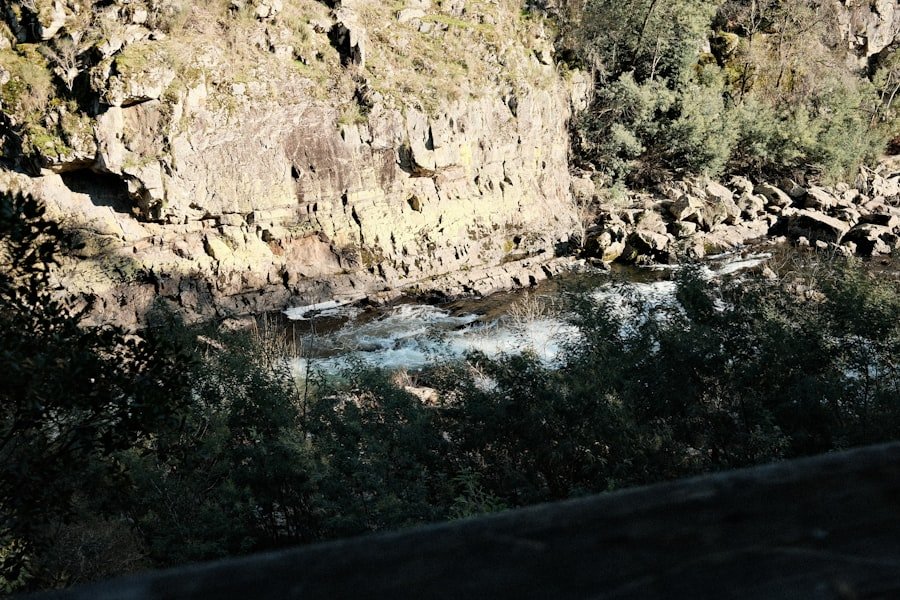
The canyon’s unique geological features were formed over millions of years through processes such as erosion and sedimentation, resulting in its dramatic cliffs and deep gorges. Geologically speaking, Little River Canyon is primarily composed of sandstone and limestone formations that date back to the Paleozoic era. The river itself has played a significant role in shaping the landscape; its waters have carved out deep channels and created various geological formations that are both fascinating and educational for visitors interested in earth sciences.
The canyon’s walls reveal layers of rock that tell a story of ancient environments and climatic changes over time.
Nearby Attractions and Accommodations
While Little River Canyon is undoubtedly a highlight for visitors to northeastern Alabama, there are several nearby attractions worth exploring as well. Just a short drive away lies DeSoto State Park, which offers additional hiking trails, camping facilities, and opportunities for fishing and swimming in its clear waters. The park’s diverse landscapes include waterfalls, rock formations, and lush forests that complement what visitors experience at Little River Canyon.
For those looking for accommodations near Little River Canyon, options range from rustic cabins to modern hotels. Many visitors choose to stay at local bed-and-breakfast establishments that provide a cozy atmosphere while allowing easy access to both Little River Canyon and DeSoto State Park. Camping is also popular among outdoor enthusiasts; several campgrounds within both parks offer sites equipped with amenities such as fire pits and picnic tables.
This variety ensures that visitors can find suitable lodging options that align with their preferences while enjoying all that this beautiful region has to offer.
Tips for Visiting and Safety Precautions
When planning a visit to Little River Canyon, it’s essential to consider several tips to ensure a safe and enjoyable experience. First and foremost, checking weather conditions before heading out is crucial; sudden changes in weather can impact trail conditions or create hazardous situations near water bodies. Dressing in layers is advisable since temperatures can fluctuate throughout the day, especially in higher elevations.
Safety precautions should also be taken when engaging in outdoor activities such as hiking or swimming. Sturdy footwear is recommended for hiking trails due to uneven terrain; additionally, carrying plenty of water helps prevent dehydration during physical exertion. When swimming in designated areas or near waterfalls, it’s vital to be aware of currents and potential hazards such as slippery rocks or sudden drop-offs.
Lastly, respecting wildlife by observing from a distance ensures both visitor safety and animal well-being; feeding wildlife can disrupt their natural behaviors and lead to dangerous encounters. By following these guidelines while exploring Little River Canyon’s breathtaking landscapes, visitors can fully immerse themselves in this remarkable natural environment while prioritizing their safety and enjoyment.
If you’re planning a day trip to Little River Canyon, you might also be interested in exploring the delightful world of Asian melon. This refreshing fruit can be a perfect snack to pack for your outdoor adventure, providing a sweet and hydrating treat as you enjoy the natural beauty of the canyon. For more information on this delicious fruit, check out this related article: Exploring the Delightful World of Asian Melon. Whether you’re hiking, picnicking, or simply taking in the views, having some Asian melon on hand can enhance your day trip experience.
FAQs
What is Little River Canyon?
Little River Canyon is a national preserve located in northeastern Alabama, USA. It is known for its stunning canyon, waterfalls, and diverse plant and animal life.
How far is Little River Canyon from major cities?
Little River Canyon is approximately 90 miles from Birmingham, Alabama, and 100 miles from Chattanooga, Tennessee.
What activities can visitors do at Little River Canyon?
Visitors can enjoy activities such as hiking, picnicking, birdwatching, and photography. The canyon also offers opportunities for rock climbing and whitewater paddling.
Are there any facilities at Little River Canyon?
There are picnic areas, restrooms, and visitor centers with information about the canyon’s natural and cultural history. However, there are no restaurants or lodging within the preserve.
Is swimming allowed in Little River Canyon?
Swimming is allowed in designated areas of Little River Canyon, but visitors should be cautious of water levels and currents, especially after heavy rainfall.
Are there any entrance fees to visit Little River Canyon?
There are no entrance fees to visit Little River Canyon. The preserve is free and open to the public year-round.
What are the best times to visit Little River Canyon?
The best times to visit Little River Canyon are during the spring and fall when the weather is mild and the foliage is vibrant. Summer can be hot, and winter may bring occasional snow and ice.