

Lucca, a charming city in Tuscany, is renowned for its well-preserved Renaissance walls that encircle the historic center. These walls, constructed between the 16th and 17th centuries, are a remarkable feat of engineering and a testament to the city’s rich history. Stretching approximately 4 kilometers, the walls are not only a defensive structure but also serve as a unique promenade.
Visitors can walk or cycle along the top of the walls, enjoying panoramic views of the city and the surrounding countryside. The walls are lined with trees and offer a peaceful escape from the bustling streets below, making it an ideal spot for leisurely strolls or picnics. As you traverse the walls, you will encounter several bastions and gates that provide insight into Lucca’s military past.
The Porta San Pietro and Porta Elisa are two of the most notable entrances, each showcasing intricate architectural details that reflect the era’s style. The walls are punctuated by green spaces, where locals often gather for outdoor activities or simply to relax in the shade. The elevated vantage point allows visitors to appreciate Lucca’s unique layout, characterized by its narrow streets and charming squares.
The experience of walking along these historic fortifications is not just about the views; it is also an opportunity to connect with the city’s past and understand its significance in the context of Italian history.
Key Takeaways
- Lucca’s historic city walls offer a unique opportunity to explore the city’s rich history and enjoy panoramic views of the surrounding area.
- The piazzas and public spaces in Lucca are perfect for people-watching, enjoying a gelato, and soaking up the local atmosphere.
- Lucca’s free music and cultural events provide a wonderful opportunity to experience the city’s vibrant arts scene and immerse yourself in the local culture.
- Lucca’s churches and religious sites are not only architecturally stunning but also offer a glimpse into the city’s spiritual and cultural heritage.
- Walking or biking through Lucca’s picturesque streets allows you to discover charming alleyways, hidden gems, and local life at a leisurely pace.
- Lucca’s botanical gardens and parks are peaceful oases where you can escape the hustle and bustle of the city and connect with nature.
- Visiting Lucca’s free museums and art galleries is a great way to delve into the city’s artistic and historical legacy without breaking the bank.
- Taking in Lucca’s scenic views from the Guinigi Tower is a must-do experience that offers breathtaking vistas of the city and its surroundings.
Discovering Lucca’s Piazzas and Public Spaces
The Heart of Social Life: Piazza dell’Anfiteatro
The most famous of these is Piazza dell’Anfiteatro, a unique oval-shaped square built on the ruins of a Roman amphitheater. The piazza is surrounded by colorful buildings that house cafes, restaurants, and shops, creating a lively atmosphere where locals and tourists alike gather to enjoy a coffee or a meal. The architecture reflects a blend of historical influences, with remnants of the amphitheater still visible in the layout of the surrounding structures.
A Testament to Medieval Heritage: Piazza San Michele
Another significant public space is Piazza San Michele, dominated by the stunning Church of San Michele in Foro. This square is a testament to Lucca’s medieval heritage, with its intricate façade and rich history. The piazza is often bustling with activity, featuring street performers, artisans selling their crafts, and locals engaging in animated conversations.
Living Museums of Culture and History
The piazzas of Lucca are more than mere gathering spots; they are living museums that encapsulate the essence of the city’s culture and history. They often host markets and cultural events, making them a focal point for community engagement.
Enjoying Lucca’s Free Music and Cultural Events
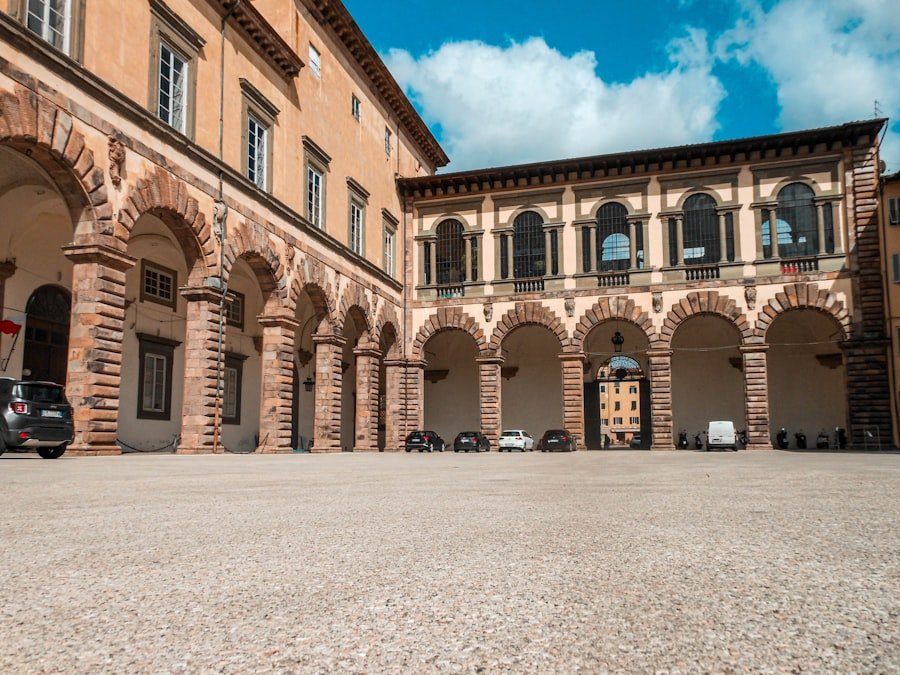
Lucca is a city that pulsates with cultural vibrancy, particularly through its music scene. Throughout the year, various free music events take place, showcasing local talent and international artists alike. One of the most anticipated events is the Lucca Summer Festival, which transforms the city into a stage for renowned musicians from diverse genres.
While some concerts may require tickets, many performances occur in public spaces, allowing everyone to enjoy live music without any cost. The festival not only highlights established artists but also provides a platform for emerging musicians, fostering a sense of community and artistic expression. In addition to music festivals, Lucca hosts numerous cultural events that celebrate its rich heritage.
The annual Lucca Comics & Games festival attracts thousands of visitors who come to immerse themselves in the world of comics, gaming, and pop culture. This event features exhibitions, workshops, and cosplay contests, all free to attend. The streets come alive with creativity as participants showcase their costumes and engage in various activities.
These events reflect Lucca’s commitment to promoting arts and culture while ensuring accessibility for all residents and visitors.
Exploring Lucca’s Churches and Religious Sites
| Church Name | Location | Architectural Style |
|---|---|---|
| San Michele in Foro | Piazza San Michele, Lucca | Romanesque, Gothic |
| San Martino Cathedral | Piazza San Martino, Lucca | Romanesque, Gothic, Renaissance |
| Basilica of San Frediano | Piazza San Frediano, Lucca | Romanesque |
| Church of San Giovanni | Piazza San Giovanni, Lucca | Romanesque, Gothic |
The spiritual landscape of Lucca is marked by an array of churches and religious sites that reflect its historical significance and architectural beauty. One of the most prominent is the Cathedral of San Martino, known for its striking Romanesque façade adorned with intricate sculptures. Inside, visitors can marvel at stunning artworks, including the famous Volto Santo, a wooden crucifix believed to have miraculous powers.
The cathedral serves not only as a place of worship but also as a repository of Lucca’s artistic heritage, attracting art enthusiasts and pilgrims alike. Another noteworthy site is the Basilica di San Frediano, which boasts a stunning mosaic on its façade depicting the Ascension of Christ. This church is steeped in history and offers a glimpse into Lucca’s medieval past.
The interior features beautiful frescoes and an impressive altar that draws visitors into its serene atmosphere. Exploring these religious sites provides an opportunity to appreciate not only their architectural grandeur but also their role in shaping the cultural identity of Lucca. Each church tells a story of devotion and artistry that has evolved over centuries.
Walking or Biking Lucca’s Picturesque Streets
The charm of Lucca lies in its labyrinthine streets that invite exploration at every turn. Walking or biking through these picturesque lanes offers an intimate experience of the city’s character. The cobblestone streets are lined with quaint shops, artisanal boutiques, and inviting cafes where one can pause for a moment to savor local delicacies such as tortelli lucchese or buccellato.
Each corner reveals hidden gems—whether it’s a small gallery showcasing local artists or a charming courtyard adorned with flowers. Biking is particularly popular among locals and visitors alike, as it allows for a more extensive exploration of Lucca’s surroundings. The flat terrain makes it easy to navigate through the city’s historic center and beyond.
Cyclists can venture out to nearby vineyards or along scenic routes that offer breathtaking views of the Tuscan landscape. This mode of transport not only enhances the experience but also promotes sustainable tourism by reducing congestion in the narrow streets. Whether on foot or by bike, wandering through Lucca’s streets is an adventure filled with discovery.
Exploring Lucca’s Botanical Gardens and Parks
Discovering the Orto Botanico Comunale di Lucca
Tucked away in the heart of the city lies the Orto Botanico Comunale di Lucca, a botanical garden that boasts an impressive collection of plants from around the world. Established in the 19th century, this hidden gem features beautifully maintained pathways that wind through themed sections, including medicinal plants and native species.
Peaceful Walks and Educational Delights
Visitors can indulge in leisurely strolls while learning about botany through informative displays scattered throughout the garden. The peaceful atmosphere and abundance of greenery make it an ideal spot to unwind and connect with nature.
Parks and Recreational Areas
Beyond its botanical gardens, Lucca is home to several parks that serve as recreational areas for both locals and tourists. Parco Fluviale del Serchio, for instance, offers expansive green spaces along the Serchio River, perfect for picnics or leisurely strolls by the water’s edge. These parks not only enhance the city’s aesthetic appeal but also promote environmental awareness and community engagement through various events held throughout the year.
Visiting Lucca’s Free Museums and Art Galleries
Art enthusiasts will find plenty to explore in Lucca’s free museums and galleries that showcase local talent and historical artifacts. One notable institution is the Museo Nazionale di Palazzo Mansi, housed in a magnificent 16th-century palace. While some exhibitions may have an entrance fee, many temporary displays are free to visit, allowing guests to appreciate Renaissance art without financial barriers.
The museum features an impressive collection of paintings, textiles, and decorative arts that provide insight into Lucca’s artistic heritage. In addition to larger museums, smaller galleries scattered throughout the city often host rotating exhibitions featuring contemporary artists or thematic displays related to local history. These spaces encourage dialogue between artists and the community while making art accessible to everyone.
Many galleries also offer workshops or artist talks that invite participation from visitors interested in learning more about creative processes. By visiting these free cultural venues, one can gain a deeper understanding of Lucca’s artistic landscape while supporting local talent.
Taking in Lucca’s Scenic Views from the Guinigi Tower
The Guinigi Tower stands as one of Lucca’s most iconic landmarks, offering breathtaking views that reward those who make the climb to its summit. This medieval tower is unique due to its rooftop garden adorned with ancient oak trees—an unusual feature that sets it apart from other towers in Tuscany. Climbing the 230 steps may seem daunting at first; however, once at the top, visitors are greeted with panoramic vistas that stretch across Lucca’s terracotta rooftops and beyond to the surrounding hills.
The experience at Guinigi Tower is not merely about reaching new heights; it also provides an opportunity to reflect on Lucca’s historical significance as a trading hub during medieval times. From this vantage point, one can appreciate how the city has evolved while still retaining its charm and character. The tower serves as a reminder of Lucca’s resilience through centuries of change while offering an unforgettable perspective on this enchanting Tuscan city.
Whether visiting at sunrise or sunset, taking in the views from Guinigi Tower is an essential part of experiencing all that Lucca has to offer.
If you’re looking for free things to do in Lucca, be sure to check out this article on exploring the delightful world of Asian melon. From wandering through the charming streets of the city to enjoying the local cuisine, there are plenty of budget-friendly activities to enjoy in this beautiful Italian town. For more information on Asian melon and other delicious fruits, be sure to click on this link.
FAQs
What are some free things to do in Lucca?
Some free things to do in Lucca include walking or biking along the city walls, visiting the Piazza dell’Anfiteatro, exploring the historic center, and admiring the city’s many churches and cathedrals.
Are there any free museums or attractions in Lucca?
Yes, there are several free museums and attractions in Lucca, such as the Church of San Michele in Foro, the Cathedral of St. Martin, and the Basilica of San Frediano. Additionally, many churches and historic buildings in the city are free to enter.
Can I explore Lucca’s parks and gardens for free?
Yes, Lucca is home to several beautiful parks and gardens that are free to explore, including the Orto Botanico Comunale di Lucca (Botanical Garden) and the Palazzo Pfanner gardens.
Are there any free events or festivals in Lucca?
Lucca hosts various free events and festivals throughout the year, such as the Lucca Summer Festival, which often features free outdoor concerts and performances in the city center.
Is it possible to take a free walking tour of Lucca?
While there may not be official free walking tours, visitors can explore Lucca on foot using self-guided walking tour maps and information available at the tourist information center. Additionally, there are free audio guides and apps available for download to help navigate the city.