Lucca is one of Tuscany’s easiest cities to enjoy on a small budget. Its Renaissance walls, historic streets, famous piazzas, river park, and several religious and cultural sites can be explored without spending anything. The key is knowing which attractions are genuinely free and which popular sights now require a ticket.
Quick Answer
The best free things to do in Lucca include walking or cycling the 4.2-kilometer Renaissance walls, exploring Piazza dell’Anfiteatro and Piazza San Michele, wandering Via Fillungo, visiting selected free churches and cultural sites, and enjoying the Serchio River Park. Some famous attractions, including Guinigi Tower and the Botanical Garden, require tickets.
Key Takeaways
- Lucca’s Renaissance walls are free to access and form a 4.2-kilometer tree-lined circuit around the historic center.
- Piazza dell’Anfiteatro, Piazza San Michele, Via Fillungo, and many historic streets can be explored at no charge.
- San Michele in Foro is highlighted by official Lucca Tourism as a no-cost stop, while the Cathedral of San Martino and Basilica of San Frediano currently require tourist admission tickets.
- The Orto Botanico di Lucca is not generally free; standard admission is currently €6.
- Palazzo Mansi and Villa Guinigi are normally ticketed, but Italy’s first-Sunday museum initiative can provide free admission on eligible dates.
- Lucca Comics & Games is not a generally free festival. The main 2026 event requires a ticket and wristband, although selected areas or activities may have free access.
- Guinigi Tower offers one of Lucca’s best views, but it is a paid attraction rather than a free activity.
Walk or Bike Lucca’s Renaissance Walls for Free
Lucca’s walls are the city’s signature free attraction. Built between the mid-16th and mid-17th centuries, the Renaissance fortifications completely encircle the historic center. According to Lucca Tourism, the circuit measures about 4.2 kilometers.
Today the top of the walls works more like an elevated urban park than a military structure. Wide, tree-lined paths make the circuit suitable for walking, jogging, cycling, resting on a bench, or stopping for a picnic while looking across Lucca’s roofs, church towers, gardens, and surrounding countryside.
A brisk lap can take roughly 45 minutes, while Lucca Tourism recommends allowing about an hour if you want to slow down and enjoy the views. You can easily spend longer by stopping at bastions, gates, gardens, and viewpoints along the route.
Porta San Pietro and Porta Elisa are among the recognizable entrances to the historic center. As you circle the walls, the elevated position also makes Lucca’s compact street plan easier to understand from above.
Lucca’s wall circuit is approximately 4.2 kilometers long and can be walked in about an hour at a relaxed sightseeing pace.
What Is Actually Free in Lucca?
| Attraction | Free? | What to Know |
|---|---|---|
| Lucca city walls | Yes | Free for walking, running, cycling, and sightseeing. |
| Piazza dell’Anfiteatro | Yes | Walking through the piazza itself costs nothing. |
| San Michele in Foro | Yes | Listed by Lucca Tourism as a no-cost stop; services can affect visiting access. |
| Orto Botanico di Lucca | No | Standard admission is currently €6, with reductions and qualifying free-entry categories. |
| Palazzo Mansi | Usually no | Normally ticketed, but eligible first-Sunday museum dates provide a free option. |
| Cathedral of San Martino | No for standard tourist admission | Cathedral + Ilaria del Carretto admission is currently €5, with qualifying free categories. |
| Guinigi Tower | No | An entrance fee is required. |
| Lucca Comics & Games | Main festival: No | The 2026 main festival requires a valid ticket and wristband; selected free-access areas may be available. |
Note: Admission prices, free-entry days, event rules, and opening hours can change. Check the attraction’s official website before making a special trip.
Discovering Lucca’s Piazzas and Public Spaces
The Heart of Social Life: Piazza dell’Anfiteatro
Piazza dell’Anfiteatro is one of Lucca’s most memorable free sights. The oval-shaped piazza follows the footprint of a Roman amphitheater built in the 1st or 2nd century AD. Houses were gradually constructed on the surviving Roman structures, preserving the elliptical form, while architect Lorenzo Nottolini reshaped the present square beginning in 1830.
The colorful buildings around the piazza contain cafes, restaurants, and shops, but you do not need to spend money to enjoy the space. Walk through one of its narrow entrances, study the curved building line, watch daily life unfold, and look for clues to the ancient amphitheater beneath the modern square. You can read more on the official Lucca Tourism Piazza Anfiteatro page.
A Testament to Medieval Heritage: Piazza San Michele
Piazza San Michele is another essential public space. The Church of San Michele in Foro dominates the square with its ornate Romanesque façade, while the piazza occupies the area of Lucca’s ancient Roman forum.
You may encounter locals meeting friends, street activity, small markets, and occasional performers. Even when no event is taking place, the architecture and open public space make the piazza worth visiting.
Living Museums of Culture and History
Lucca’s piazzas work like open-air history lessons. Piazza dell’Anfiteatro preserves the shape of the Roman city, Piazza San Michele reflects the medieval center, and other squares reveal later layers of civic and religious history.
Because these public spaces also host markets, celebrations, and community events, you can return at different times of day and have a different experience without buying an attraction ticket.
Enjoying Lucca’s Free Music and Cultural Events
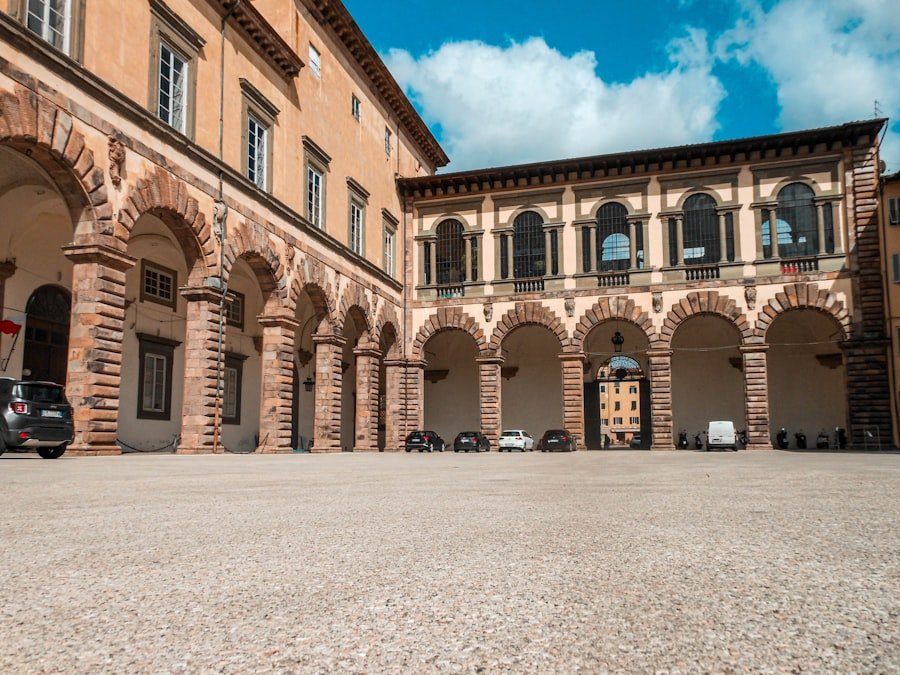
Lucca has an active cultural calendar, but it is important to distinguish between ticketed festivals and genuinely free events. The city regularly hosts public celebrations, markets, music, religious traditions, and cultural activities, and some are listed as free in Lucca’s official event calendar.
The Lucca Summer Festival brings internationally known musicians to the city, but its major concerts are generally ticketed. Free special events can occur, so check individual event listings rather than assuming that performances connected with the festival are free.
Lucca Comics & Games also needs careful planning. The statement that its exhibitions, workshops, and activities are all free is no longer accurate. For the 2026 festival, official information states that entry to the main festival requires both a valid ticket and the corresponding wristband. Some areas or related activities can have free access, so consult the official Lucca Comics & Games ticket information before visiting.
Pro Tip: If your priority is spending nothing, use Lucca’s official event calendar and look for events specifically marked “Gratuito” or free. Do not assume that a festival is free simply because parts of it take place in public streets or squares.
Exploring Lucca’s Churches and Religious Sites
| Church Name | Location | Architectural Character | Current Cost Note |
|---|---|---|---|
| San Michele in Foro | Piazza San Michele, Lucca | Primarily Romanesque with later elements | Highlighted by Lucca Tourism as a no-cost stop |
| Cathedral of San Martino | Piazza San Martino, Lucca | Romanesque with Gothic and later additions | Standard Cathedral + Ilaria del Carretto ticket currently €5 |
| Basilica of San Frediano | Piazza San Frediano, Lucca | Romanesque | Paid tourist admission is required |
| Church of Saints Giovanni and Reparata | Piazza San Giovanni, Lucca | Historic church with archaeological layers | Church, archaeological area, baptistery, and bell tower ticket currently €4 |
Lucca’s churches are central to its history, but not every famous church is free for sightseeing. San Michele in Foro is one of the strongest choices for a budget itinerary. Its ornate façade rises over Piazza San Michele, and Lucca Tourism includes it among places that can be visited without cost.
The Cathedral of San Martino remains one of Lucca’s most important religious and artistic sites. Its Romanesque façade, sculpture, Ilaria del Carretto monument, artworks, and the celebrated Volto Santo make it worthwhile, but standard sightseeing admission is currently ticketed. The Cathedral complex publishes current prices and hours online.
The Basilica of San Frediano is equally distinctive, especially for the large mosaic on its façade. It also requires paid tourist admission, so budget travelers can still admire the exterior and Piazza San Frediano for free before deciding whether to buy a ticket.
Walking or Biking Lucca’s Picturesque Streets
One of the simplest ways to enjoy Lucca for free is to wander through the historic center without a strict itinerary. Its narrow streets connect piazzas, churches, courtyards, shops, and small architectural details that are easy to miss when rushing between major attractions.
Via Fillungo is particularly useful for a self-guided walk. Part of its route follows the line of the Roman city’s cardo, and it links several important areas of the historic center. From it, you can quickly reach Piazza dell’Anfiteatro and Piazza San Frediano.
Local food can add to the experience if you have room in your budget. One traditional specialty is tordelli—with a “d,” as Lucca Tourism specifically notes—along with buccellato, a characteristic local sweet bread.
Cycling is also popular because Lucca is relatively flat. The walls are especially bike-friendly, while riders who want a longer outing can continue toward the Serchio River and surrounding countryside. A rental bike costs money, of course, but walking the same historic routes is free.
Exploring Lucca’s Botanical Gardens and Parks
Discovering the Orto Botanico Comunale di Lucca
The Orto Botanico di Lucca was established in 1820 and contains an arboretum, pond, botanical collections, greenhouses, and historical material. It is a valuable green space, but it should not be advertised as a generally free attraction.
The Botanical Garden’s official visitor information currently lists standard admission at €6, with a €4 reduced ticket and free admission for specified categories.
Peaceful Walks and Educational Delights
If you choose to pay for the garden, you can explore collections of plants, notable trees, botanical displays, and the historic setting beside Lucca’s walls. It can be a pleasant break from the stone streets of the center, especially for visitors interested in plants and local history.
If your budget is strictly zero, however, save the Botanical Garden for another trip and use Lucca’s genuinely free green spaces instead.
Parks and Recreational Areas
Parco Fluviale del Serchio is one of the better options for a free nature break. The river corridor includes green areas and cycling and walking routes along the Serchio, giving you a completely different landscape from the compact historic center.
The city walls themselves also function as a large linear park. Their trees, lawns, bastions, benches, and elevated paths make them an easy place to relax without buying an attraction ticket.
Visiting Lucca’s Museums and Art Spaces for Free or Less
Lucca has worthwhile museums, but most major collections should not be described as permanently free. The most useful strategy for budget travelers is to plan around official free-entry programs.
The Museo Nazionale di Palazzo Mansi is housed in an elaborate historic residence and contains paintings, furnishings, textiles, and decorative arts. The Italian Ministry of Culture currently lists standard admission at €6.
However, Lucca Tourism’s current low-cost guide notes that Palazzo Mansi and the Museo Nazionale di Villa Guinigi participate in the national first-Sunday museum initiative, allowing free admission on eligible first Sundays of the month.
Lucca Tourism also identifies smaller cultural sites with published free-opening periods. The Oratory of the Guardian Angels, for example, is listed as free on Saturdays, Sundays, and public holidays, while the Monumental Complex of San Francesco has published free weekend and holiday access hours. Verify the latest schedule before going because opening arrangements can change.
Smaller private galleries may also be free, particularly when they are presenting temporary exhibitions. Because these spaces change frequently, check the door or current event listing rather than assuming every gallery has free admission.
Taking in Lucca’s Scenic Views from the Guinigi Tower
Guinigi Tower is one of Lucca’s best-known landmarks, but it is an optional paid attraction rather than one of the city’s free activities. The tower rises above the historic center and is famous for the holm oaks growing in its rooftop hanging garden.
According to the official Lucca Tourism page, reaching the top requires climbing 230 steps. There is no lift, so the tower is not accessible to visitors with mobility disabilities.
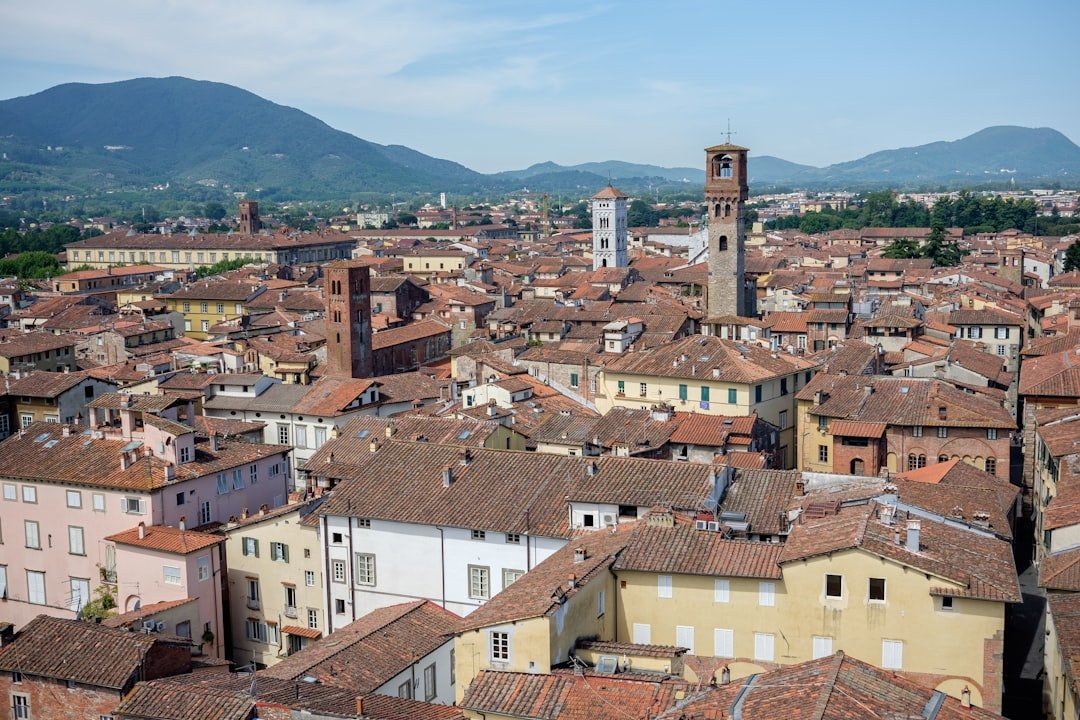
From the summit you can look over Lucca’s red roofs, church towers, narrow streets, surrounding hills, the Apuan Alps, and the Apennines. It is an impressive viewpoint, but travelers following a zero-cost itinerary can get elevated views from the city walls instead.
Budget Note: If you plan to visit several paid attractions as well as the free sights, Lucca now offers a Visit Card covering a range of museums and cultural attractions. Compare the current card price with the individual places you actually intend to visit before buying.
If you are browsing other topics on Tagline Today, the original article also linked to this separate article about Asian melon. It is unrelated to planning a Lucca visit but is preserved here from the original content.
Frequently Asked Questions
What are the best free things to do in Lucca?
Top free activities include walking or cycling the Renaissance walls, exploring Piazza dell’Anfiteatro and Piazza San Michele, walking Via Fillungo, visiting San Michele in Foro, enjoying the Serchio River Park, and looking for free public events and eligible museum free-entry days.
Are there any free museums or attractions in Lucca?
Yes, but not every major museum is permanently free. Palazzo Mansi and Villa Guinigi normally charge admission but participate in eligible first-Sunday free museum days. Lucca Tourism also lists smaller cultural sites with specific free-opening periods.
Can I explore Lucca’s parks and gardens for free?
You can use the city walls and Serchio River Park without paying an attraction fee. The Orto Botanico di Lucca is different: standard admission is currently €6, although reduced and qualifying free-entry categories are available.
Is Guinigi Tower free to visit?
No. Guinigi Tower requires paid admission. If you want a free elevated view of Lucca, walk the Renaissance walls instead.
Are Lucca’s churches free to enter?
Some are, but several major churches now charge for tourist visits. San Michele in Foro is highlighted by Lucca Tourism as a no-cost stop. The Cathedral of San Martino and Basilica of San Frediano currently require tourist admission tickets, subject to their published exemptions.
Are there free events or festivals in Lucca?
Yes. Lucca hosts free public celebrations, markets, music, and cultural events during the year, but major festivals are not automatically free. In particular, the main Lucca Comics & Games 2026 festival requires a ticket and wristband. Check official individual event listings for free-access activities.
Is it possible to take a free walking tour of Lucca?
You can easily create your own free self-guided walking tour using official city maps and tourism information. Do not assume an organized guided tour is free unless its current listing specifically says so.
How long does it take to walk around Lucca’s walls?
The wall circuit is about 4.2 kilometers. Lucca Tourism says a brisk circuit can take around 45 minutes, while about one hour is more comfortable if you want to enjoy the views. Allow longer for photographs, benches, and stops at the bastions.
Sources
- Lucca Tourism — Lucca Low Cost — free walls, no-cost cultural sites, and first-Sunday museum information.
- Lucca Tourism — The Walls of Lucca — wall history and 4.2-kilometer length.
- Cathedral Museum and Archaeological Complex of Lucca — current Cathedral, museum, bell tower, and San Giovanni ticket information.
- Orto Botanico di Lucca — Visitor Information — current Botanical Garden admission and reductions.
- Italian Ministry of Culture — Museo Nazionale di Palazzo Mansi — current museum admission information.
- Lucca Comics & Games 2026 — Tickets — current ticket and wristband requirements.