

Swiss National Park, established in 1914, holds the distinction of being Switzerland’s only national park. Nestled in the eastern part of the country, within the Engadine Valley, it spans an impressive area of approximately 68,000 acres. The park was created to protect the unique alpine ecosystem and to preserve the natural beauty of the region for future generations.
Its establishment marked a significant step in the conservation movement in Switzerland, reflecting a growing awareness of the need to safeguard natural landscapes from industrialization and urban development. The park is characterized by its stunning landscapes, which include rugged mountains, deep valleys, and pristine rivers. It is home to a diverse range of flora and fauna, some of which are endemic to the region.
The park’s elevation ranges from 1,500 meters to over 3,500 meters above sea level, creating a variety of microclimates that support different ecosystems. Visitors to Swiss National Park are often captivated by its breathtaking scenery, which changes dramatically with the seasons, offering a unique experience at any time of year. The park serves not only as a sanctuary for wildlife but also as a living laboratory for scientists and researchers studying alpine ecosystems.
Key Takeaways
- Swiss National Park is the oldest national park in the Alps, established in 1914.
- The park is easily accessible by public transportation, with the closest major town being Zernez.
- Visitors can enjoy activities such as hiking, birdwatching, and wildlife spotting in the park.
- The park is home to a diverse range of wildlife and flora, including ibex, chamois, and rare alpine plants.
- There are various hiking and trekking trails in the park, catering to different skill levels and interests.
Getting to Swiss National Park
Reaching Swiss National Park is an adventure in itself, as it is situated in a remote yet accessible part of Switzerland. The nearest major city is Zernez, which serves as the gateway to the park. Travelers can easily reach Zernez by train or car from larger cities such as Zurich or St.
Moritz. The Swiss public transportation system is renowned for its efficiency and punctuality, making it a convenient option for visitors. Trains from Zurich to Zernez typically take around three hours, with scenic views of the Swiss countryside along the way.
Once in Zernez, visitors can access various entry points into the park. The park’s visitor center is located in Zernez and provides essential information about the park’s trails, wildlife, and ongoing conservation efforts. For those who prefer a more immersive experience, guided tours are available that offer insights into the park’s ecology and history.
Additionally, the surrounding area boasts numerous parking facilities for those traveling by car, allowing easy access to different trailheads and viewpoints within the park.
Activities and Attractions in Swiss National Park
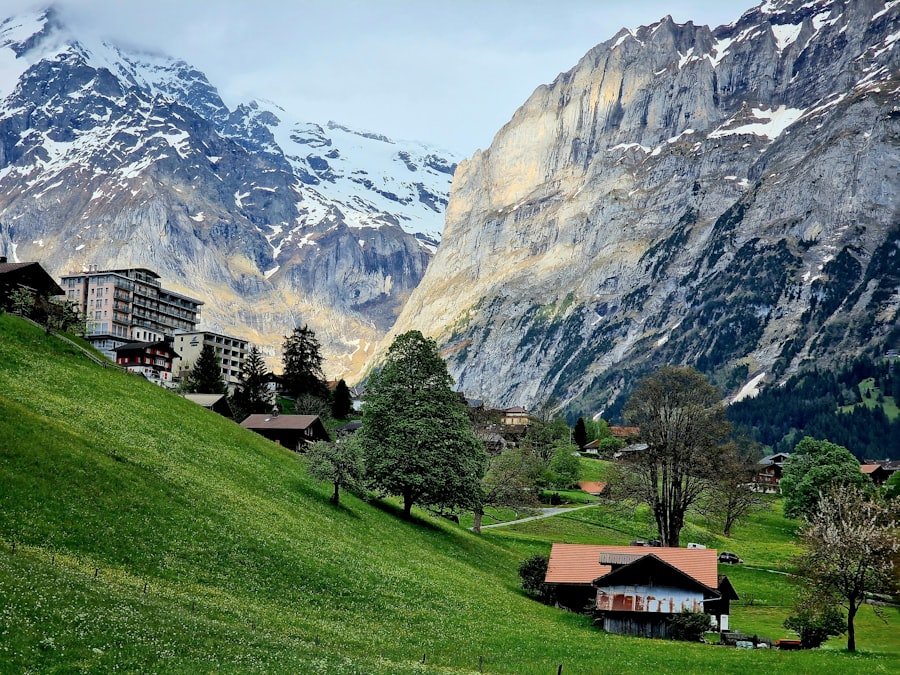
Swiss National Park offers a plethora of activities that cater to nature enthusiasts and adventure seekers alike. One of the most popular activities is hiking, with over 80 kilometers of well-marked trails that vary in difficulty and length. These trails wind through stunning landscapes, allowing visitors to experience the park’s diverse ecosystems up close.
For those seeking a more leisurely experience, there are shorter trails that provide breathtaking views without requiring extensive physical exertion. In addition to hiking, visitors can engage in wildlife watching, which is one of the park’s main attractions. The park is home to a variety of species, including ibex, chamois, marmots, and golden eagles.
Early morning or late afternoon are often the best times for spotting these animals in their natural habitats.
The changing light throughout the day creates dramatic contrasts that enhance the visual appeal of the scenery.
Wildlife and Flora in Swiss National Park
| Category | Metrics |
|---|---|
| Mammals | 29 species including red deer, chamois, ibex, and marmots |
| Birds | 100 species including golden eagle, bearded vulture, and alpine chough |
| Flora | Over 650 species of plants including edelweiss, gentians, and alpine roses |
| Reptiles and Amphibians | 12 species including common frog, grass snake, and adder |
The biodiversity within Swiss National Park is remarkable, with over 80 species of mammals and more than 100 species of birds recorded in the area. The park’s varied altitudes and climates create distinct habitats that support this rich array of wildlife. Among the most iconic residents are the Alpine ibex and chamois, both of which are well-adapted to the steep rocky terrain.
The ibex, with its impressive curved horns, can often be seen grazing on high mountain slopes during warmer months. Flora in Swiss National Park is equally diverse, with over 1,200 species of plants documented within its boundaries. The park’s vegetation ranges from lush meadows filled with wildflowers in summer to hardy alpine plants that thrive in harsh conditions at higher elevations.
Notable species include edelweiss and various types of orchids that bloom during specific seasons. The park’s commitment to conservation ensures that these plants are protected from human interference, allowing them to flourish in their natural environment.
Hiking and Trekking Trails in Swiss National Park
Hiking is undoubtedly one of the best ways to explore Swiss National Park, with trails designed for all levels of experience. The trails are meticulously maintained and clearly marked, ensuring that visitors can navigate safely through the park’s stunning landscapes. One popular route is the “Zernez – Fuorcla Val S-charl” trail, which offers breathtaking views of the surrounding mountains and valleys while leading hikers through diverse ecosystems.
For those seeking a more challenging trek, the “Piz d’Esan” trail provides an exhilarating experience with steep ascents and rewarding panoramic views at the summit. This trail requires a good level of fitness and preparation but is well worth the effort for those who wish to experience the park’s rugged beauty from above. Additionally, many trails are interconnected, allowing hikers to create custom routes based on their preferences and time constraints.
Accommodation and Dining Options in Swiss National Park
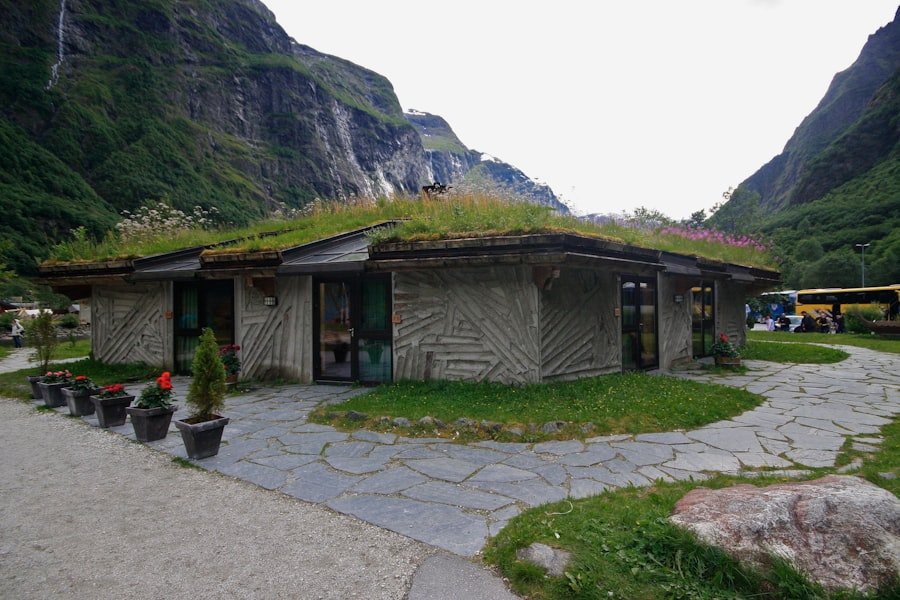
Accommodation options near Swiss National Park cater to a variety of preferences and budgets. In Zernez, visitors can find charming hotels, guesthouses, and even campsites for those who wish to immerse themselves in nature fully. Many establishments offer amenities such as guided tours or equipment rentals for outdoor activities.
For a more rustic experience, camping within designated areas of the park allows visitors to connect with nature while enjoying stunning views right from their tents. Dining options range from traditional Swiss cuisine served in local restaurants to more casual eateries offering quick bites for hikers on the go. Many establishments pride themselves on using locally sourced ingredients, providing an authentic taste of the region.
Visitors can indulge in hearty dishes such as fondue or raclette after a long day of exploring the trails. Additionally, some hotels offer half-board options that include breakfast and dinner, making it convenient for guests to refuel after their outdoor adventures.
Tips for Visiting Swiss National Park
When planning a visit to Swiss National Park, preparation is key to ensuring an enjoyable experience. First and foremost, it is essential to check weather conditions before embarking on any hikes or outdoor activities. The weather in alpine regions can change rapidly; thus, dressing in layers is advisable to accommodate fluctuating temperatures throughout the day.
Sturdy hiking boots are also recommended for navigating rocky terrain safely. Another important tip is to respect wildlife and adhere to park regulations. Visitors should maintain a safe distance from animals and refrain from feeding them, as this can disrupt their natural behaviors and lead to dangerous situations for both wildlife and humans.
Additionally, staying on marked trails helps protect fragile ecosystems while ensuring personal safety during hikes.
Conservation and Sustainability Efforts in Swiss National Park
Swiss National Park is at the forefront of conservation efforts aimed at preserving its unique ecosystems for future generations. The park operates under strict regulations designed to minimize human impact on its delicate environment. For instance, certain areas are designated as no-access zones where human activity is restricted to protect sensitive habitats and wildlife populations.
Sustainability initiatives extend beyond park boundaries as well; local communities are encouraged to participate in conservation efforts through education programs and sustainable tourism practices.
By promoting responsible tourism practices—such as reducing waste and supporting local businesses—the park aims to foster a culture of environmental stewardship among its visitors.
In conclusion, Swiss National Park stands as a testament to Switzerland’s commitment to preserving its natural heritage while providing opportunities for exploration and education. With its breathtaking landscapes, diverse wildlife, and rich cultural history, it remains an essential destination for nature lovers and outdoor enthusiasts alike.
If you’re planning a trip to the Swiss National Park, you might also be interested in exploring the delightful world of Asian melon, which can be a refreshing treat during your travels. For more information on this delicious fruit and how it can complement your journey, check out this related article: Exploring the Delightful World of Asian Melon. This article provides insights into the various types of Asian melons and their unique flavors, which could be a perfect addition to your travel snacks as you enjoy the natural beauty of the Swiss National Park.
FAQs
What is the Swiss National Park?
The Swiss National Park is a nature reserve located in the canton of Graubünden in Switzerland. It is the country’s oldest national park and is known for its diverse alpine landscapes and wildlife.
How do I get to the Swiss National Park?
The Swiss National Park is accessible by public transportation or car. The closest town to the park is Zernez, which is well connected by train and bus. From Zernez, visitors can take a bus to the park’s visitor center.
What are the opening hours of the Swiss National Park?
The Swiss National Park is open to visitors year-round. The visitor center and park facilities have varying opening hours depending on the season, so it’s best to check the official website for the most up-to-date information.
What activities can I do in the Swiss National Park?
Visitors to the Swiss National Park can enjoy a variety of activities, including hiking, wildlife watching, photography, and nature interpretation. There are also designated picnic areas and educational programs available.
Are there any restrictions in the Swiss National Park?
To preserve the natural environment, there are certain restrictions in the Swiss National Park. These include staying on designated trails, not disturbing wildlife, and not picking plants or flowers. Additionally, camping and cycling are not allowed in the park.