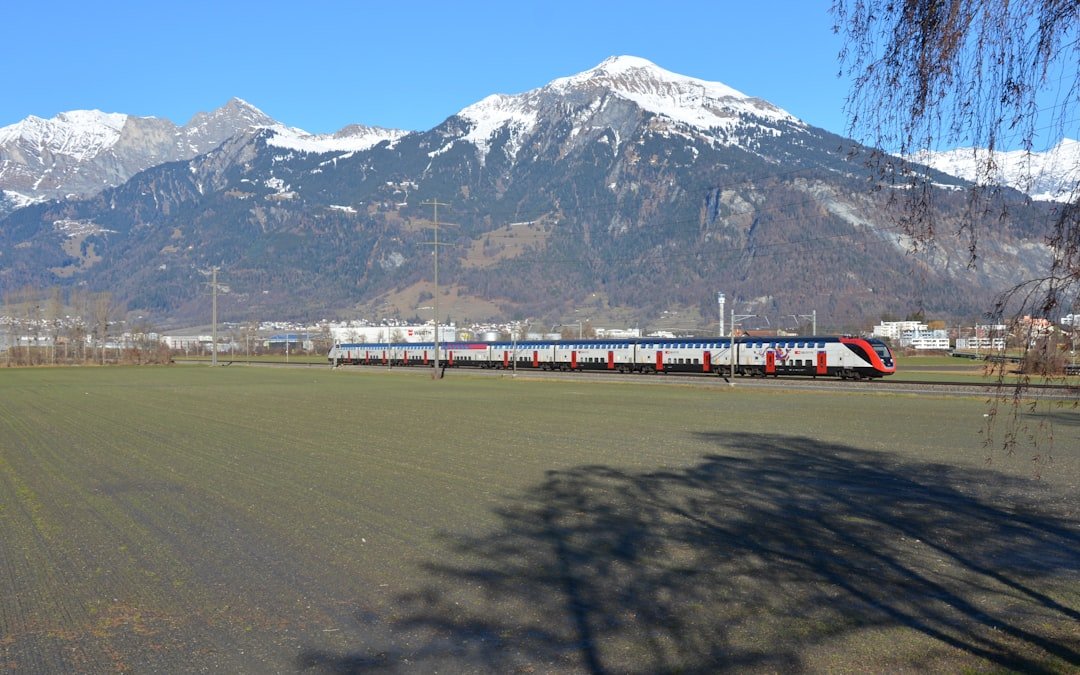
When I first planned to explore Switzerland by train, I quickly learned that the hardest part was not using the railway system. It was choosing the right tickets, deciding which scenic trains needed reservations, and building an itinerary that left enough time to enjoy each destination. Switzerland’s integrated public-transport network makes train travel straightforward once you understand those basics.
The season also changes the experience. Summer brings hiking access, long daylight hours, and busy panoramic trains, while winter offers snow-covered landscapes and mountain resorts. Instead of trying to fit every famous stop into one trip, I found it more useful to plan around realistic train times, a few priority destinations, and the type of rail ticket that matched my actual journeys.
Quick Answer
To travel Switzerland by train, plan your routes with the SBB timetable, compare a Swiss Travel Pass, Swiss Half Fare Card, Saver Day Pass, and individual tickets, then check reservations separately. Most ordinary trains are easy to use without advance seat booking, but premium panoramic services such as the Glacier Express require reservations.
Key Takeaways
- Use the SBB timetable or SBB Mobile app to check connections, platforms, service information, and ticket options.
- Choose a rail pass only after comparing it with the actual cost of your planned journeys.
- The Swiss Travel Pass and Swiss Half Fare Card are designed for visitors whose permanent residence is outside Switzerland and Liechtenstein.
- Most normal Swiss trains do not require a seat reservation, but some panoramic trains have separate mandatory reservation requirements.
- Keep valuables with you, check train-specific luggage space, and avoid planning extremely tight connections when a scenic reservation is involved.
At a Glance
| Time Required | About 30 to 90 minutes for initial route and ticket planning; a few minutes each travel day to recheck connections. |
| Difficulty | Easy once you understand ticket validity and scenic-train reservations. |
| Tools Needed | SBB website or SBB Mobile, your itinerary, payment method, and valid passport or official ID when required by your tourist pass. |
| Cost | Varies by itinerary. As checked August 17, 2026, the Swiss Half Fare Card costs CHF 150 for one month, while second-class Saver Day Passes start at CHF 29 with a Half Fare Travelcard and CHF 52 without one, subject to availability. |
Plan Your Switzerland Train Trip Before Buying a Pass
I had a better experience once I stopped thinking only about destinations and started looking at actual travel times. Zurich, Lucerne, Interlaken, Zermatt, Montreux, Chur, and St. Moritz may look close together on a map, but mountain geography can make some journeys much longer than expected.
The easiest starting point is the official SBB timetable or the SBB Mobile app. SBB Mobile can search connections and sell tickets, and the timetable also shows train-specific facilities and service information.
- List the towns and mountain areas you genuinely want to visit.
- Check the real train time between each overnight stop.
- Note any panoramic train you want to ride.
- Check whether that panoramic train requires a separate seat reservation.
- Only then compare passes with individual tickets and saver products.
Pro Tip: Do not buy the most expensive pass automatically. Price your major journeys first. A traveler making frequent long trips may value the convenience of a Swiss Travel Pass, while someone taking only a few major journeys may spend less with a Swiss Half Fare Card, Saver Day Passes, or individual tickets.
Choosing the Right Rail Pass
With my route taking shape, the next step was comparing the main ticket options. Switzerland has several products, and the best one depends on how many travel days you have, how far you are going, and whether flexibility matters more than the lowest possible price.
| Option | Best For | Key Point |
|---|---|---|
| Swiss Travel Pass | Frequent travel on consecutive days | Unlimited covered travel for 3, 4, 6, 8, or 15 consecutive travel days. |
| Swiss Travel Pass Flex | Trips with rest days between long journeys | 3, 4, 6, 8, or 15 freely selectable travel days within one month. |
| Swiss Half Fare Card | Travelers making fewer journeys or many mountain trips | Costs CHF 150 as checked August 17, 2026 and provides up to 50% reductions for one month. |
| Saver Day Pass | Long travel days that can be planned in advance | Quota-controlled advance purchase with prices that can be lower when bought early. |
| Point-to-Point Ticket | Simple or occasional journeys | Covers the selected route and is generally not tied to one specific train on that route. |
According to SBB’s Swiss Travel Pass information, the standard pass covers unlimited travel by train, bus, boat, and local public transport within its validity area. Some panoramic trains are covered for transportation, but seat reservations or supplements may still be required.
The pass also includes travel on Rigi, Stanserhorn, and Stoos and provides discounts on many other mountain excursions. Switzerland Tourism also states that the Swiss Museum Pass benefit gives Swiss Travel Pass holders admission to more than 500 participating museums.
The Swiss Half Fare Card is valid for one month and reduces eligible train, bus, boat, mountain railway, gondola, and urban public-transport fares by up to 50%. Short journeys or certain combined products may receive less than a full 50% reduction.
Both the Swiss Travel Pass and Swiss Half Fare Card for tourists are intended for people whose permanent residence is outside Switzerland and Liechtenstein. SBB also requires the tourist pass to be presented with a valid original passport or official ID during inspection.
Warning: A rail pass does not automatically include every mountain railway, cable car, or panoramic-train reservation. Check the pass validity map and the operator’s reservation rules before assuming a journey is completely covered.
Navigating the Swiss Rail Network
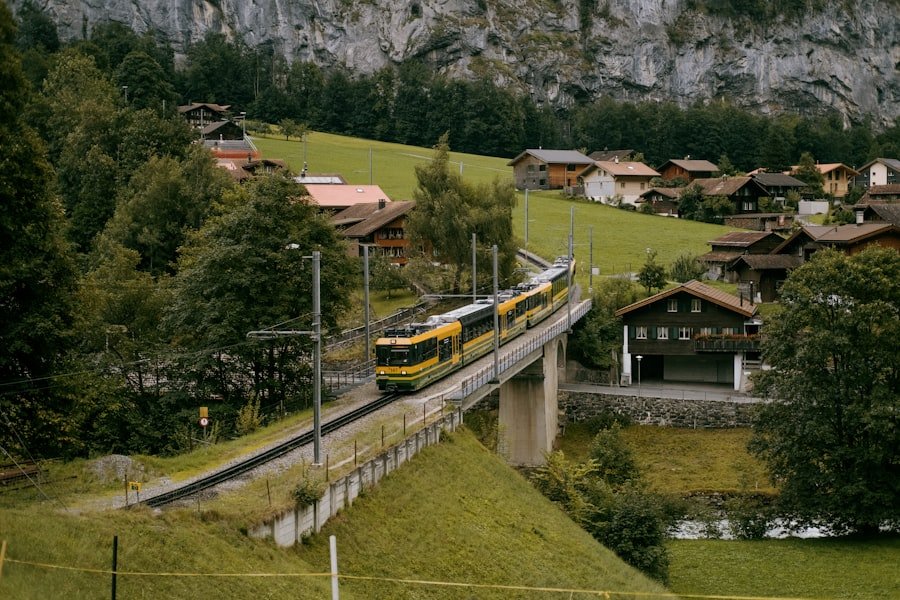
Once I understood my ticket, navigating the network felt much easier. Major stations have electronic departure boards showing destinations, departure times, platforms, and delays. The SBB timetable also integrates services from many public-transport operators, so you can often plan a train, bus, boat, and local connection in one search.
Use Real-Time Timetable Information
Swiss rail service is highly punctual, but no transport system runs exactly on time every day. SBB reported 94.1% train punctuality in 2025 and 98.6% connection punctuality. That reliability makes short transfers practical, but checking the app before departure is still worthwhile.
SBB reported 94.1% train punctuality and 98.6% connection punctuality for passenger services in 2025.
Buy or Validate Your Ticket Before Departure
For travelers using individual tickets, SBB states that a Point-to-Point Ticket must be purchased or validated before the scheduled departure time. These tickets can be bought through the timetable, SBB Mobile, ticket machines, or staffed public-transport sales points.
A standard point-to-point ticket is generally valid for any suitable connection over the selected route during its validity period rather than one single departure. Saver products can have different restrictions, so always read the conditions shown when buying.
Must-See Train Routes and Destinations
Switzerland has several rail journeys where the trip itself is part of the attraction. The original route table mixed Swiss trains with railways on other continents, so the more useful comparison is between routes you can actually include in a Switzerland itinerary.
| Scenic Route | Main Route | Why Ride It | Reservation Note |
|---|---|---|---|
| Glacier Express | Zermatt to St. Moritz | Approx. eight-hour Alpine panorama over 291 bridges and through 91 tunnels. | Mandatory seat reservation plus valid ticket/pass. |
| Bernina Express | Chur/St. Moritz toward Tirano | High-Alpine scenery on the historic Albula/Bernina railway landscape. | Panoramic-car reservation required. |
| GoldenPass Express | Interlaken to Montreux | Lakes, Alpine countryside, Gstaad-area scenery, and a direct panoramic connection. | Check current seat availability and reservation options for your date. |
| Gotthard Panorama Express | Central Switzerland to Ticino | Combines historic Gotthard scenery with a lake-and-rail journey. | Seasonal service; verify the current timetable and reservation requirements. |
| Luzern-Interlaken Express | Lucerne to Interlaken | A convenient scenic link past lakes and mountain landscapes. | Check the timetable for current reservation and service information. |
Glacier Express
One of my favorite experiences was the Glacier Express. The operator describes the complete Zermatt-St. Moritz route as 291 kilometers, or about 181 miles, with an approximate travel time of eight hours. It crosses 291 bridges and passes through 91 tunnels.
The panoramic windows make the route ideal when the train journey itself is one of your main sightseeing activities. However, a Swiss Travel Pass or other valid rail ticket does not replace the Glacier Express reservation. The operator requires both a valid ticket and a reserved seat.
Bernina Express and the UNESCO Railway Landscape
The Bernina route is another highlight, but the UNESCO wording matters. The UNESCO World Heritage property is the Rhaetian Railway in the Albula/Bernina Landscapes, which includes two historic railway lines and their surrounding cultural landscape.
The branded Bernina Express uses panoramic coaches and requires a seat reservation. Travelers who care more about the railway scenery than the panoramic coach can also use regular regional trains over the Bernina Line. Rhaetian Railway now offers optional CHF 5 seat reservations on regional trains between St. Moritz and Tirano, although a reservation is not compulsory for those regional services.
Understand Which Trains Need Seat Reservations
This was one of the most important details missing from my original planning. Ordinary Swiss domestic trains generally let passengers travel with a valid ticket without reserving a particular seat. SBB does offer seat reservations on eligible InterCity services, currently priced at CHF 5 per person, but they are mainly useful when you want more certainty on a busy train.
Premium panoramic services can work differently:
- Glacier Express: valid ticket plus mandatory seat reservation.
- Bernina Express panoramic coach: valid ticket plus mandatory seat reservation.
- Bernina Line regional trains: valid ticket required; individual seat reservation is optional where offered.
- Other panoramic services: requirements vary, so check the operator and date before travel.
Note: A Swiss Travel Pass can cover transportation on many panoramic routes, but a compulsory seat reservation or supplement is separate unless the operator specifically states otherwise.
Making the Most of Your Train Journey
I enjoyed the journeys much more once I stopped treating every train as wasted time between attractions. On scenic routes, simply sitting by the window can be one of the best parts of the day. On ordinary InterCity trains, the journey can also be useful time for resting, organizing photos, or planning the next stop.
Onboard facilities vary by train type. Some long-distance trains have an SBB Restaurant or Bistro, power sockets, family facilities, bicycle spaces, wheelchair spaces, or luggage areas. The safest approach is to open the specific connection in the SBB timetable and check which services are listed for that train.
For a panoramic train, I also avoid scheduling an important reservation immediately after a tight connection. Switzerland’s network is reliable, but a little extra buffer is valuable when missing the next train would also mean missing a reserved panoramic seat.
Understanding Train Etiquette in Switzerland
Swiss trains are public spaces rather than silent spaces, so normal conversation is fine unless you are in a designated quiet area. The important part is to pay attention to the signs in your coach and avoid treating every carriage as if it has the same rules.
SBB’s first-class facilities on selected trains include business zones and quiet zones. In a designated quiet zone, avoid phone calls and loud conversations. Selected trains also provide family areas or coaches designed for travelers with children.
- Let passengers leave the train before you board.
- Keep aisles and doors clear of suitcases.
- Do not occupy another seat with luggage when the train is busy.
- Use headphones instead of playing audio through speakers.
- Follow signs for quiet, business, family, bicycle, and accessible areas.
- Be ready to show your ticket and any required identification during inspection.
First Class vs. Second Class
Both classes can be comfortable, and second class is the normal choice for many visitors. First class generally provides more space and fewer seats across each row. SBB also lists quiet and business zones among the first-class facilities available on applicable trains.
I would choose first class mainly when extra personal space, quieter working conditions, or comfort on several long journeys matters enough to justify the price. For sightseeing, second class still provides access to the same destination and scenery unless a particular panoramic product has its own class-specific offering.
Tips for Dining and Snacking on the Train
Dining on Swiss trains can be convenient, but I would not assume every train has a restaurant or food trolley. Some long-distance trains have a restaurant or bistro, while regional trains may have no food service at all. The timetable can show the services available on a selected train.
For a long journey, I often buy food before boarding. Major stations commonly have supermarkets, bakeries, takeaway counters, and restaurants nearby or inside the station complex. Bread, fruit, chocolate, sandwiches, and other easy-to-carry foods are usually simpler than depending on onboard catering.
If you prefer preparing your own food, the site’s delicious homemade cottage cheese recipe is better treated as a pre-trip meal or a properly chilled food rather than something to keep unrefrigerated for a long travel day. Pack perishable foods safely and choose shelf-stable snacks when refrigeration is unavailable.
Luggage, Lockers, and Accessibility
Most travelers take their own luggage onto the train, where storage may include overhead racks, luggage racks, or designated spaces depending on the train. Storage space can become limited on busy services, so smaller and easier-to-handle luggage makes transfers simpler.
For valuables such as passports, wallets, cameras, and phones, I keep them with me instead of treating an open luggage rack as secure storage.
SBB also provides luggage transport services, including station-to-station and other delivery options, as well as lockers at many stations. These services can be useful when you want to explore a town without carrying your main bag.
Accessibility varies by train and station. Travelers who need wheelchair spaces, boarding assistance, accessible toilets, or other support should check the specific connection and arrange assistance where required rather than assuming every vehicle has identical facilities.
Safety and Security on Swiss Trains
Train travel in Switzerland is generally straightforward, but normal travel precautions still matter. I keep my smaller valuables with me, make sure bags are not blocking the aisle, and check that I have everything before leaving the train.
- Keep your passport, wallet, phone, and other high-value items close to you.
- Do not leave valuables unattended while visiting a restaurant car or toilet.
- Allow enough time to move luggage when changing platforms.
- Use official timetable information if a train is delayed, cancelled, or rerouted.
- Ask train or station staff for help when a disruption makes your planned connection unclear.
In conclusion, traveling around Switzerland by train becomes much easier once the ticket strategy and reservation rules are clear. The strongest plan is not necessarily the itinerary with the most cities. It is one that gives you enough time to enjoy the scenery, uses the right ticket for your actual journeys, and checks panoramic-train reservations before they become a problem.
Frequently Asked Questions
What is the Swiss train system like?
Switzerland has an integrated public-transport network linking major cities, smaller towns, mountain areas, buses, boats, and local transit. SBB is the country’s major national rail operator, but many other companies also operate services. The SBB timetable integrates connections from numerous operators, making it a useful single planning tool.
How do I purchase tickets for Swiss trains?
You can purchase many Swiss public-transport tickets through SBB.ch, the SBB Mobile app, ticket machines, or staffed sales points. Point-to-point tickets must be bought or validated before the scheduled departure time.
Do I need to reserve a seat on Swiss trains?
Usually not on ordinary domestic trains. Optional reservations are available on some services. Premium panoramic trains can have different rules: Glacier Express and Bernina Express panoramic coaches require a seat reservation in addition to a valid ticket or pass.
Are there different classes on Swiss trains?
Yes. Most mainline trains offer first and second class. First class generally provides more personal space and may include quiet or business zones on applicable InterCity trains. Second class is less expensive and works well for most leisure trips.
What are the popular scenic train routes in Switzerland?
Popular routes include the Glacier Express, Bernina Express, GoldenPass Express, Gotthard Panorama Express, and Luzern-Interlaken Express. Switzerland Tourism also combines several famous routes into its Grand Train Tour of Switzerland.
Which rail pass is best for traveling around Switzerland?
There is no single cheapest option for everyone. The Swiss Travel Pass suits frequent covered travel on consecutive days, the Flex version suits non-consecutive travel days, and the Swiss Half Fare Card can work well when you want reduced fares but fewer unlimited-travel days. Point-to-point and Saver Day Pass combinations may cost less for some itineraries.
Does the Swiss Travel Pass include mountain railways and cable cars?
Some mountain trips are included and many others are discounted, but coverage is not universal. SBB currently lists Rigi, Stanserhorn, and Stoos among the included mountain excursions and offers a 50% discount on many other mountain trips. Check the current validity map before traveling.
Can I take luggage on Swiss trains?
Yes. Travelers normally carry their own luggage and use the storage provided on the train. Space varies by train type, especially on busy services. SBB also offers paid luggage-transport services and station lockers for travelers who want to travel more lightly.
Do I need identification with a Swiss Travel Pass or Swiss Half Fare Card?
Yes. SBB states that these tourist products are valid only together with a valid passport or official ID. Carry the original document because copies or phone photos are not accepted as substitutes during inspection.
What should I do if my Swiss train is delayed?
Check the live connection in the SBB timetable or app first. It can show updated platforms, revised connections, cancellations, or replacement services. If the disruption affects a reserved panoramic train or you are unsure which connection to take, ask railway staff for assistance.
Sources
- SBB — Swiss Travel Pass — pass validity, travel days, eligibility, ID requirements, mountain benefits, and panoramic-train reservation exclusions.
- SBB — Swiss Half Fare Card — current price, one-month validity, eligible discounts, and tourist requirements.
- SBB — Point-to-Point Tickets — purchasing, validity, and requirement to buy or validate before departure.
- Glacier Express — route duration, bridges, tunnels, route information, and panoramic service.
- Rhaetian Railway — Bernina Express — official Bernina Express travel and reservation information.
- UNESCO World Heritage Centre — Rhaetian Railway in the Albula/Bernina Landscapes — authoritative UNESCO designation and railway-property details.