Traveling through Switzerland with a toddler can be surprisingly manageable when you keep the itinerary simple. The country has an extensive public transport network, compact cities, parks, lakes, mountain railways, and family attractions, but toddlers usually enjoy the trip more when you plan around naps, meals, weather, and short periods of sightseeing instead of trying to cover several destinations each day.
Quick Answer
Switzerland works well with toddlers if you choose one or two convenient bases, use trains for most transfers, schedule one main activity per half-day, and carry both a compact stroller and a carrier when possible. Children under six generally travel free on Swiss public transport, making train-based family trips especially convenient.
Key Takeaways
- Build your schedule around naps, meals, and short sightseeing blocks instead of full days of continuous activity.
- Children under six generally travel free on Swiss public transport, so a toddler normally does not need a standard train ticket.
- Use a compact stroller in cities and on accessible paths, but carry a toddler carrier for mountain areas, stairs, and rough trails.
- Choose specifically marked family or stroller-friendly hikes rather than assuming an entire mountain region is toddler-friendly.
- Stay close to a train station or frequent transit stop and confirm cribs, high chairs, kitchens, and laundry facilities before booking.
- Keep snacks, water, layers, sun protection, rain protection, wipes, and basic first-aid supplies easy to reach.
Planning a Trip to Switzerland With Toddlers
Start by choosing destinations that minimize transfers. Zurich, Lucerne, Bern, Lausanne, Geneva, Interlaken, and many smaller resort towns can work as bases, but changing hotels every night is rarely worth the extra effort with a toddler. Staying two or more nights in one place gives you more flexibility when naps run late or weather changes your plans.
Season also matters. Late spring through early autumn usually gives families the widest choice of parks, walks, boat trips, and mountain activities. Winter can be enjoyable for snow play and child-friendly winter resorts, but colder weather, shorter daylight hours, icy surfaces, and seasonal transport schedules require more preparation. In mountain regions, weather can change quickly at any time of year.
Try to plan one main activity in the morning and another optional activity after the toddler’s nap. Museums, zoos, parks, lakefront walks, and short train or boat rides are easier to abandon or shorten than a tightly scheduled all-day excursion.
Pro Tip: Keep one part of each day intentionally empty. That buffer can absorb a long lunch, delayed nap, diaper change, rain shower, or a toddler who simply wants to spend another 30 minutes at a playground.
Family-Friendly Activities: Exploring Switzerland’s Natural Beauty
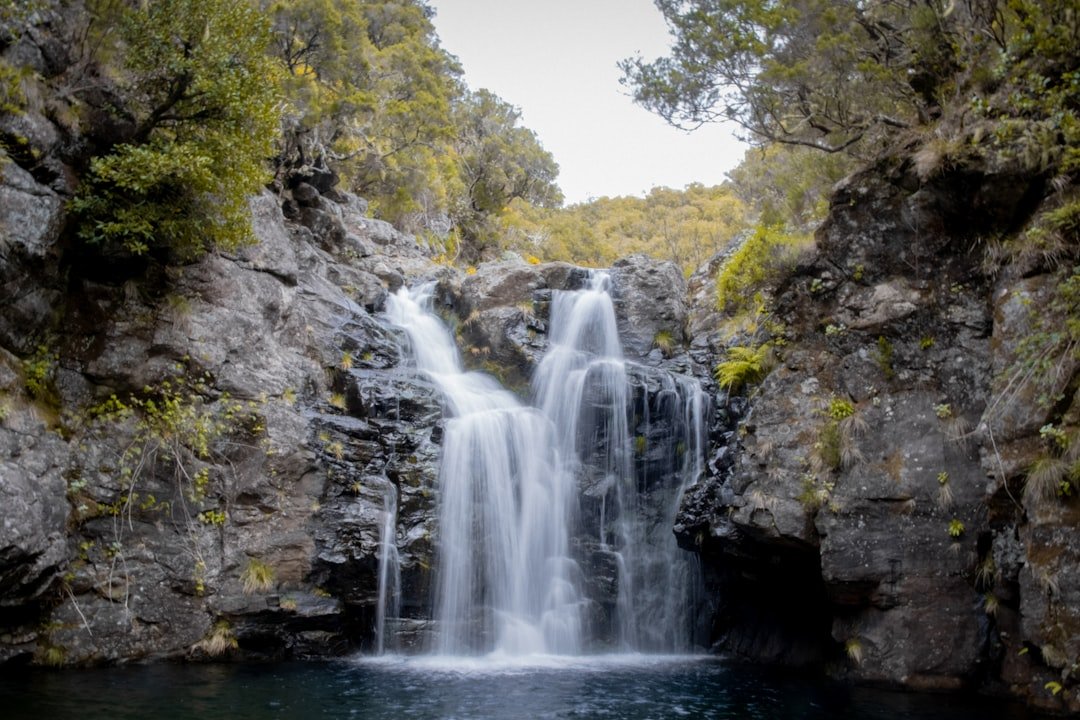
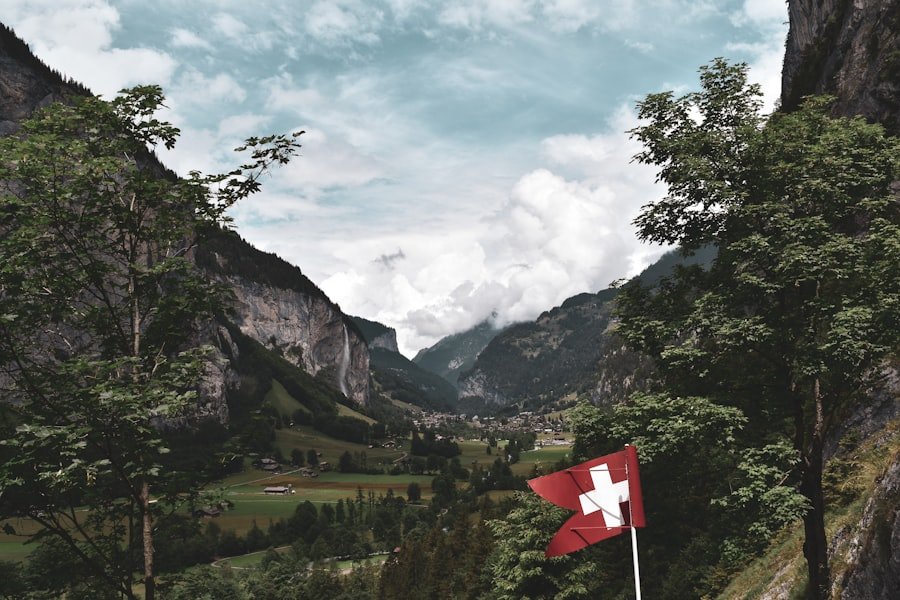
Switzerland’s scenery is one of the biggest reasons to visit with children, and you do not need to complete a difficult mountain hike to enjoy it. Scenic trains, lake boats, cable cars, short walks, picnic areas, playgrounds, and car-free mountain villages can provide memorable outdoor experiences without asking a toddler to walk for hours.
The Glacier Express is one famous option, but families should understand what the name involves before booking. The complete panoramic route between Zermatt and St. Moritz takes about eight hours, and a seat reservation is compulsory. That can be a long period for an active toddler. Families who want flexibility may prefer a shorter scenic railway journey or a regular Swiss train that lets them stop more easily. Check current Glacier Express schedules, tickets, and reservation rules on the official Glacier Express website.
For hiking, choose a specific route based on distance, elevation change, trail surface, and stroller suitability. Do not assume that every path around the Great Aletsch Glacier is flat or suitable for a small child. Aletsch Arena has family-friendly options as well as demanding mountain trails. The Lake Bettmersee circular route, for example, is officially described as stroller-friendly and has a playground nearby.
Short walks are often enough for toddlers. Allow time to stop for stones, flowers, cows, playgrounds, and snacks instead of judging the outing by the number of kilometers covered. These slower outdoor experiences can provide more enjoyable family time than trying to complete a long trail.
Warning: A family-friendly destination can still contain steep paths, exposed edges, cold water, rapidly changing weather, and trails that are unsuitable for strollers. Check the exact route rather than relying only on the destination name, and turn around if conditions are uncomfortable.
Visiting Swiss Cities with Toddlers: Child-Friendly Attractions

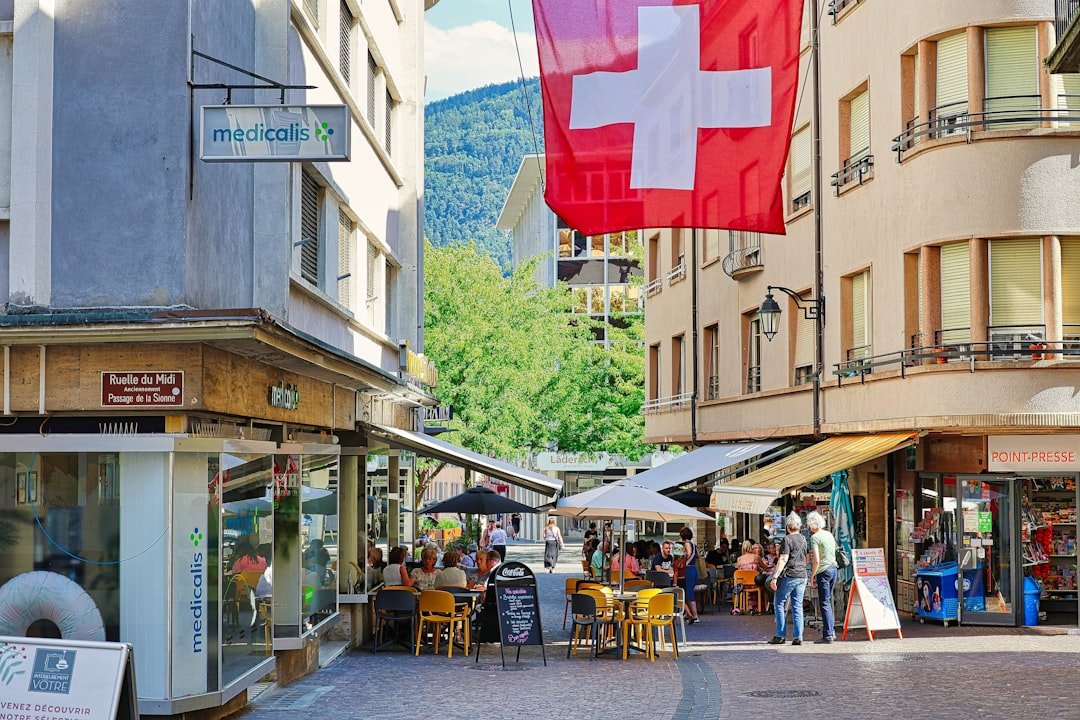
Swiss cities are useful bases for families because attractions, restaurants, supermarkets, parks, and public transport are usually close together. Zurich offers several easy options for a toddler day.
Zoo Zurich has hundreds of animal species and major habitats including the Masoala Rainforest. The zoo confirms that the main paths through the Masoala Rainforest are paved and wheelchair accessible, which also makes them practical for most strollers. Because the zoo is large, families do not need to see everything in one visit. Pick a few habitats and leave time for meals and breaks.
The University of Zurich Botanical Garden is another low-pressure option. Entry is free, and the outdoor garden gives toddlers room to slow down while adults enjoy the plant collections. Check current opening hours before visiting, particularly for the tropical houses.
In Geneva, Parc des Bastions sits near the Old Town and Place de Neuve. Its tree-lined promenade, green space, Reformation Wall, and giant outdoor chess boards make it useful for a relaxed break between sightseeing stops. It should not, however, be described as a park with walking paths along the Rhône. Official visitor information is available from Geneva Tourism.
The International Red Cross and Red Crescent Museum can work for families who want an indoor cultural stop. It provides material for younger visitors, but its humanitarian subject matter is more meaningful to older children and adults than to most toddlers. If you visit with a very young child, keep expectations flexible and plan a shorter stay.
Navigating Public Transportation: Tips for Traveling with Young Children
| Tip | What to Do |
|---|---|
| Plan Ahead | Check connections in the SBB timetable before leaving and avoid unnecessarily tight changes. |
| Use a Compact Stroller | A lightweight folding stroller is easier on trains, trams, buses, station lifts, and narrow platforms. |
| Carry Snacks | Keep familiar snacks and water within reach instead of packing them at the bottom of your luggage. |
| Bring Simple Entertainment | Books, stickers, small toys, downloaded videos, or quiet games can help during longer transfers. |
| Allow Extra Time | Arrive early enough to find the correct platform and coach without rushing a toddler through the station. |
Switzerland’s integrated trains, trams, buses, and boats make it possible to travel through much of the country without renting a car. For families, the most useful feature is often not speed but frequency: on many routes you can choose another connection if a nap, meal, or diaper change delays you.
SBB provides family coaches with play areas on selected InterCity double-deck trains and family zones on certain other long-distance trains. These trains also provide additional places for pushchairs. Look for the family or pushchair symbols in the timetable and on the train. Current details are available from SBB’s guide to traveling by train with children.
When boarding, keep your stroller compact when possible and use designated pushchair areas. SBB advises families on platforms to keep young children close, hold their hands, position pushchairs parallel to the tracks, and apply the stroller brake.
Note: Children under six generally travel free on Swiss public transport. If you are traveling with older children, check the Junior Travelcard or, for eligible international visitors, the Swiss Family Card. A Swiss Travel Pass can still be useful for adults, but a family traveling only with a toddler should compare the adult pass with the actual journeys planned.
The Swiss Travel Pass covers extensive public transport for eligible visitors and can include additional transport and attraction benefits. However, do not buy it automatically just because you are traveling as a family. Compare the adult fare for your planned journeys with the pass price and remember that panorama-train reservations or supplements can still apply.
Stroller or Toddler Carrier: Which Works Better?
A lightweight stroller is useful in city centers, zoos, airports, large train stations, lake promenades, and specifically identified stroller-friendly paths. It also gives a tired toddler somewhere familiar to nap.
A soft structured carrier or hiking child carrier can be more practical when you encounter cobblestones, stairs, small railway stations, mountain paths, cable-car transfers, or trails that are too rough for stroller wheels. If luggage space permits, many families benefit from taking both.
Before starting a mountain walk, check whether the specific trail is marked as stroller-friendly. “Family-friendly” does not automatically mean that a stroller can travel the entire route.
Family-Friendly Accommodations: Where to Stay in Switzerland
Finding suitable accommodations is especially important when traveling with toddlers. Switzerland has hotels, serviced apartments, holiday apartments, chalets, hostels, and resorts that cater to families, but amenities vary considerably from one property to another.
Before booking, confirm whether the property can provide a crib or cot, high chair, blackout curtains, elevator access, and enough floor space for your family. Do not assume that a listing marked “family-friendly” automatically includes everything you need.
Location often matters more than luxury. A room within a short walk of a train station, supermarket, park, or frequent bus stop can save significant time and energy. If you plan several day trips, staying near the main transport connection can be particularly valuable.
An apartment or chalet booked through a vacation-rental platform can provide a kitchen, refrigerator, washing machine, and separate sleeping space. Those features can simplify toddler meals, bottles, laundry, and early bedtimes. Compare the full price, cancellation terms, stairs, elevator access, and distance from public transportation before deciding between a rental and a hotel.
Dining with Toddlers: Finding Kid-Friendly Restaurants in Switzerland
Dining out with toddlers becomes easier when you choose restaurants based on timing and practicality rather than trying to make every meal a special event. Cafes, casual restaurants, department-store restaurants, bakeries, and supermarket food counters can all be useful during a family trip.
Some restaurants provide children’s portions, high chairs, coloring materials, or space for families, but these facilities are not universal. If a high chair or allergy accommodation is essential, contact the restaurant before arriving instead of assuming it will be available.
Traditional Swiss foods such as rösti, bread, potatoes, cheese dishes, soups, pasta, fruit, and yogurt can provide simple options depending on your child’s normal diet. Fondue is available in many destinations, but it is not automatically a toddler meal and can involve a hot communal pot, alcohol in some recipes, and strong flavors. Ask about ingredients and choose something appropriate for your child.
Picnics can be especially useful. Supermarkets and bakeries make it easy to pick up bread, fruit, yogurt, cheese, prepared foods, and drinks for a park or lakeside meal. Carry a few familiar snacks as backup so you are not forced to find a restaurant at the exact moment your toddler becomes hungry.
If you stay in self-catering accommodation, preparing familiar food can reduce restaurant stress. If cottage cheese already fits your child’s normal diet, this existing article on homemade cottage cheese may also provide a meal-preparation idea. Use ingredients and preparation methods appropriate for your child’s age and dietary needs.
Packing Essentials: Must-Have Items for Traveling with Toddlers
Pack for the situations you will encounter during the day rather than carrying every possible baby item. Keep frequently used supplies in a small backpack or stroller organizer so you do not need to unpack a suitcase on a train platform.
- Diapers and wipes: Carry enough for the day’s outing plus a small delay buffer.
- Portable changing mat: Useful when a dedicated changing table is unavailable.
- Snacks and water: Keep familiar food within easy reach during train journeys and excursions.
- Compact stroller: Best for cities, stations, promenades, and accessible attractions.
- Toddler carrier: Useful for stairs, mountain transport, uneven paths, and naps away from the stroller.
- Weather layers: Pack a light warm layer and rain protection even when the forecast looks good.
- Sun protection: Bring a hat, suitable sunscreen, and stroller shade for exposed days.
- Comfort item: A favorite small blanket, toy, or bedtime object can make unfamiliar rooms easier.
- Simple entertainment: Coloring materials, small toys, books, stickers, or downloaded media can help during long journeys.
- Basic first-aid supplies: Carry bandages and any medications your child normally needs.
- Documents: Keep passports, insurance information, reservations, and important contact details accessible.
Switzerland’s weather can vary significantly between cities and mountain elevations, so layers are usually more practical than one heavy outfit. Check the forecast for the actual elevation you plan to visit, not only the nearest city.
Safety Tips for Exploring Switzerland with Young Children
Switzerland has excellent infrastructure, but normal toddler safety still matters around railway platforms, lakes, traffic, steep terrain, mountain viewpoints, and cable-car stations. In busy areas, hold a young child’s hand and keep the stroller brake engaged whenever you stop near a platform or slope.
At lakes and rivers, stay within immediate reach of toddlers even in shallow areas. Mountain water can be very cold, and shorelines that appear gentle can become deep quickly.
Choose shoes appropriate for the surface and do not let a “family trail” label replace your own assessment of weather, terrain, drop-offs, and your child’s ability. If you are carrying a toddler, remember that the additional weight also affects your balance.
During warmer months, use sun protection and keep children hydrated. After walks through grass, woods, or undergrowth, check clothing and skin for ticks. The Swiss Federal Office of Public Health advises skin-covering clothing and tick repellent as preventive measures in areas where ticks are present.
If you rent a car, arrange an appropriate child seat in advance. Under Swiss rules, children under 12 who are shorter than 150 cm must use an appropriate child restraint. Confirm that the rental company supplies the correct seat for your child’s size and that it is installed correctly before driving.
For emergencies, save the important Swiss numbers in your phone. 112 is the European/general emergency number and 144 reaches ambulance and emergency medical services. Police can be reached on 117 and the fire service on 118.
Warning: At railway stations, keep toddlers away from the platform edge, hold their hands, park the stroller parallel to the tracks, and apply its brake. Never retrieve an object that falls onto the tracks yourself.
With these precautions and a flexible itinerary, families can enjoy Switzerland’s cities, lakes, trains, parks, and mountain scenery without turning every day into a race from one attraction to another.
Frequently Asked Questions
What are some family-friendly activities to do in Switzerland with toddlers?
Good toddler-friendly choices include Zoo Zurich, city parks, short lake cruises, playgrounds, stroller-friendly walks, short scenic train rides, and the Swiss Museum of Transport in Lucerne. Older guides may recommend the former Zürcher Spielzeugmuseum in Zurich, but that recommendation is outdated: its collection moved to Villa Flora in Wald, and the official site says the new museum opening has been postponed to winter 2026/27. The Bernina Express and Glacier Express can also provide impressive scenery, but reserve panorama-train seats where required and consider whether the journey length suits your toddler.
Are there child-friendly accommodations in Switzerland?
Yes. Family hotels, resorts, apartments, and holiday rentals are widely available. Look for a convenient location and confirm the specific amenities you need, such as a crib, high chair, elevator, kitchen, washing machine, or separate sleeping area, before you book.
What are the best tips for traveling in Switzerland with toddlers?
Use one or two convenient bases, schedule fewer activities than you would without children, leave room for naps, carry snacks and water, and check train connections before leaving. A compact stroller works well in cities, while a toddler carrier is useful for rough paths, stairs, and mountain excursions.
Are there safety considerations for traveling in Switzerland with toddlers?
Yes. Hold young children close on railway platforms, supervise them continuously around lakes and rivers, check mountain weather and trail conditions, use suitable footwear and sun protection, and check for ticks after time in grass or woodland. When traveling by car, use an appropriate child restraint that meets Swiss requirements.
What are some child-friendly dining options in Switzerland?
Casual restaurants, cafes, bakeries, supermarket food counters, and picnics are often the easiest choices. Some restaurants offer children’s portions and high chairs, but facilities vary. Carry familiar snacks and ask about ingredients when your child has allergies or dietary restrictions.
Do toddlers need train tickets in Switzerland?
Children under six generally travel free on Swiss public transport. Different rules and family travelcards apply from age six onward. Panorama trains may also require seat reservations or supplements even when the child’s underlying transportation fare is free or discounted.
Is the Glacier Express a good choice with a toddler?
It can be, but the full Zermatt-to-St. Moritz journey takes about eight hours and compulsory seat reservations apply. Families with active toddlers may prefer a shorter scenic rail journey or regular train service that provides more flexibility for breaks.
Should I take a stroller or toddler carrier to Switzerland?
A compact stroller is convenient for cities, stations, zoos, promenades, and accessible walks. A carrier works better on stairs, cobblestones, mountain paths, and other uneven terrain. If you have enough luggage space, taking both gives you the most flexibility.
Sources
- SBB: On the Train With Children — family coaches, family zones, and child-friendly train facilities.
- SBB: Tickets and Travelcards for Children — current Swiss public transport fare rules for children.
- Glacier Express FAQ — child fares, reservations, and travel requirements.
- Aletsch Arena: Families — family activities and child-friendly hiking information.
- Zoo Zurich FAQ — accessibility information for the Masoala Rainforest and visitor planning.
- Swiss Federal Office of Communications — official Swiss emergency telephone numbers.