The hike from Gornergrat down to Riffelalp is one of the most scenic ways to experience the mountains above Zermatt, with wide views of the Matterhorn, high-alpine terrain, meadows, wildlife, and convenient railway access at both ends. There is not one single fixed route between Gornergrat and Riffelalp, so the best plan depends on whether you want a shorter direct descent or a longer route that includes Riffelsee and closer glacier views.
Quick Answer
To hike from Gornergrat to Riffelalp, ride the Gornergrat Railway from Zermatt to 3,089 m, then descend via Riffelberg. The direct Sunshine Trail plus Mark Twain Trail is about 6.6 km and roughly 2 hours 5 minutes of walking. A longer glacier-view route via Riffelsee is about 9.8 km.
Key Takeaways
- The direct Gornergrat to Riffelalp combination is about 6.6 km, using the Sunshine Trail to Riffelberg and the Mark Twain Trail to Riffelalp.
- Allow about 2 hours 5 minutes of published walking time for the direct route, plus extra time for photographs, food, and rests.
- For Riffelsee and a longer glacier-view hike, use the 6.3 km glacier-view route to Riffelberg before continuing 3.5 km to Riffelalp.
- Both main trail segments on the direct option are rated medium, so this is not simply a flat sightseeing walk.
- Gornergrat, Rotenboden, Riffelberg, and Riffelalp are served by the Gornergrat Railway, giving you several useful transport and exit options.
At a Glance
| Time Required | About 2 hr 5 min direct; about 3 hr 35 min via the longer glacier-view/Riffelsee option, excluding stops |
| Difficulty | Moderate; the longer glacier-view option includes a steeper section requiring more concentration |
| Tools Needed | Sturdy hiking shoes, weather layers, water, sun protection, snacks, and a current trail map |
| Cost | The hike itself is free; Gornergrat Railway fares vary by season, journey, and discount. Check the official railway prices. |
Getting to the Gornergrat
Your hike begins in Zermatt, the car-free resort at the foot of the Matterhorn. Travelers arriving by car normally leave their vehicle in Täsch and continue to Zermatt by train. Rail connections also link Zermatt with the wider Swiss railway network through the Matter Valley.
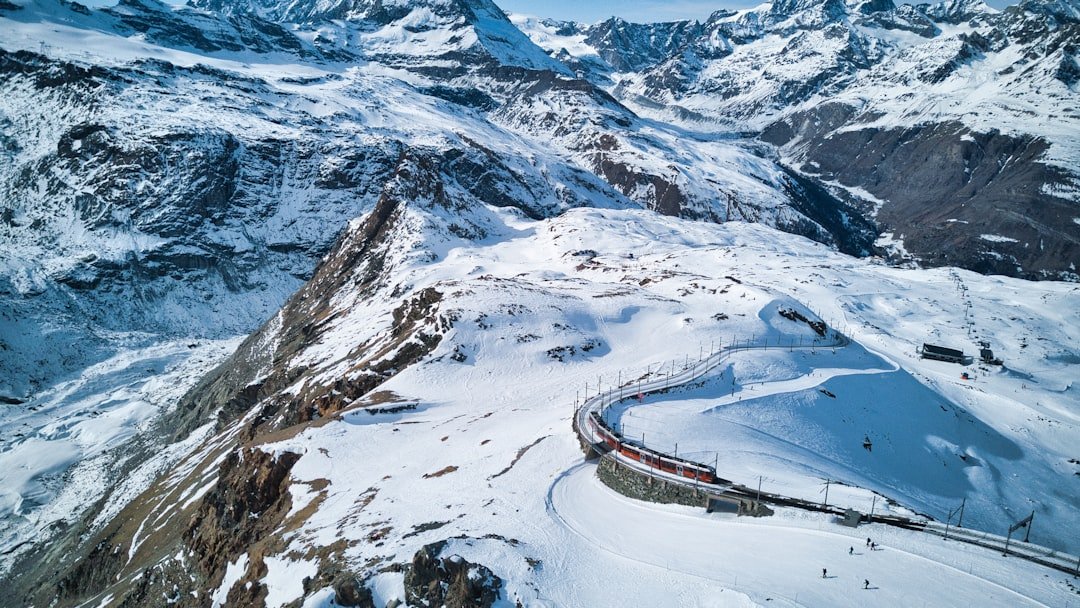
Once you reach Zermatt railway station, the Gornergrat Railway valley station is directly opposite. According to the official Gornergrat Bahn information, the cogwheel train takes about 33 minutes from Zermatt to Gornergrat and climbs more than 1,500 vertical metres. Intermediate stops include Riffelalp, Riffelberg, and Rotenboden.
The Gornergrat Railway carries you from Zermatt to approximately 3,100 metres in about 33 minutes, putting high-alpine scenery within easy reach without requiring a long uphill approach.
Gornergrat railway station is at 3,089 m above sea level. The fast change in elevation is convenient, but it also means you begin your walk in a high-alpine environment. Take a few minutes to orient yourself, check the weather, and enjoy the viewpoints before starting downhill.
Choosing Your Gornergrat to Riffelalp Route
The biggest planning mistake is assuming that every Gornergrat-to-Riffelalp hike follows the same path. Official Gornergrat hiking routes give you at least two practical ways to connect the two locations through Riffelberg.
| Route | Distance | Published Walking Time | Best For |
|---|---|---|---|
| Direct: Sunshine Trail to Riffelberg + Mark Twain Trail to Riffelalp | About 6.6 km | About 2 hr 5 min | A shorter Matterhorn-view descent |
| Scenic: Glacier-view route via Riffelsee to Riffelberg + Mark Twain Trail to Riffelalp | About 9.8 km | About 3 hr 35 min | Riffelsee, glacier scenery, and a longer mountain day |
The direct calculation combines the official 3.1 km Sunshine Trail with the official 3.5 km Mark Twain Trail. The longer option substitutes the 6.3 km glacier-view route for the first leg.
Note: These totals add the official published distances and walking times for individual trail segments. Your actual day will take longer if you stop for photographs, meals, wildlife watching, or extended time at Riffelsee.
Hiking the Gornergrat to Riffelalp Route
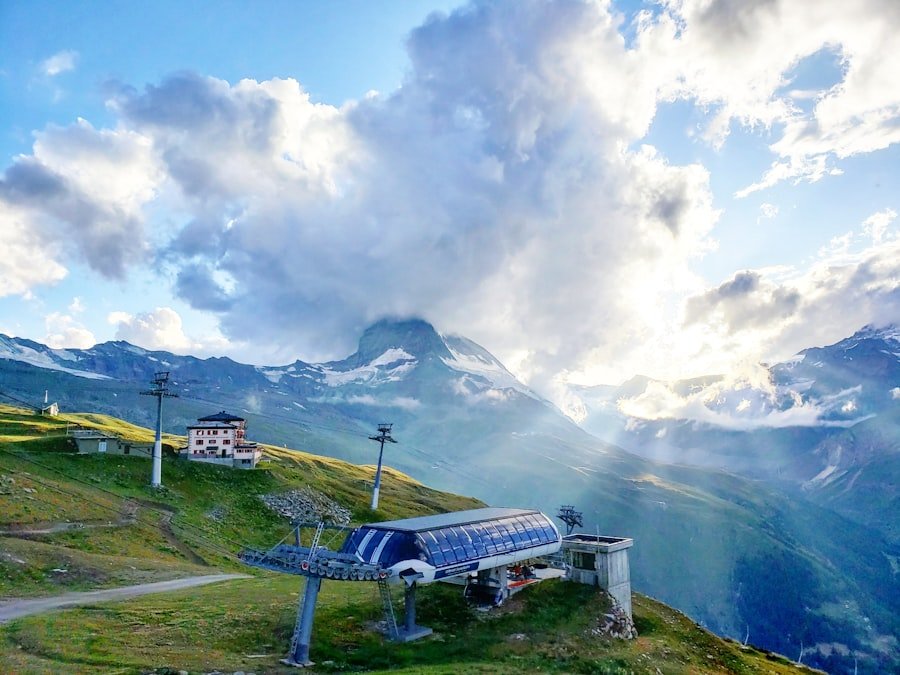
On the direct option, the Sunshine Trail leaves Gornergrat and follows the railway corridor downhill toward Riffelberg. The upper section crosses open, rocky high-alpine terrain. As you descend toward Rotenboden and Riffelberg, the landscape gradually becomes greener, with alpine meadows replacing some of the bare rock.
The official Sunshine Trail is rated medium and covers 3.1 km in about one hour. From Riffelberg, continue toward Riffelalp on the Mark Twain Trail, another medium route covering 3.5 km in about 1 hour 5 minutes. This second section crosses a more pastoral landscape and provides frequent Matterhorn views.
If you choose the longer glacier-view option, the character is different. The official route first follows the Hohtälli ridge and includes a steep descent toward the Gorner Glacier area where careful footing and concentration are required. It then becomes gentler as it approaches Riffelsee and eventually Riffelberg. From there, you continue on the same Mark Twain Trail to Riffelalp.
Rather than thinking of the walk as a single standardized “Gornergrat to Riffelalp Trail,” it is more useful to think of it as a link between official trail sections. This makes it easier to choose a route that matches your fitness, available time, and interest in visiting Riffelsee.
Scenic Views Along the Trail
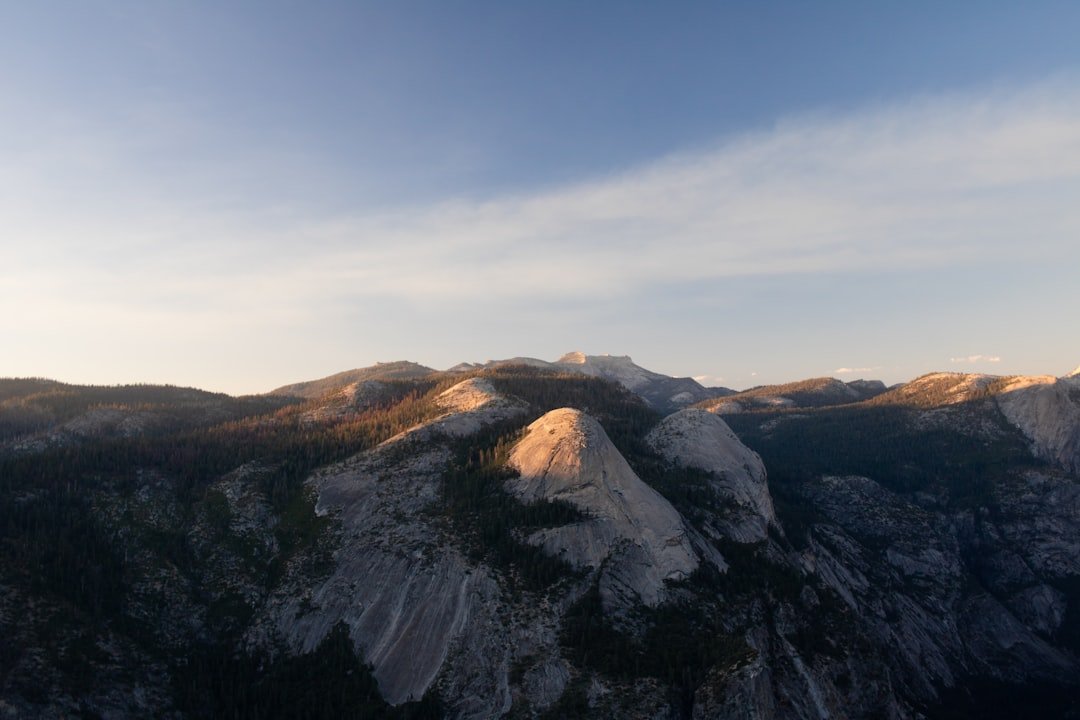
The scenery is the main reason to walk rather than simply take the railway down. Around Gornergrat, the panorama includes the Matterhorn, the Gorner Glacier, and numerous 4,000-metre peaks. On clear days, the scale of the Monte Rosa massif and surrounding Pennine Alps is especially striking.
The Matterhorn remains one of the dominant landmarks as you descend. On the longer route, Riffelsee adds one of the area’s best-known photography locations. In calm, windless conditions, the surface can reflect the Matterhorn, but the reflection depends on light and weather and should not be treated as guaranteed.
Farther down, rocky high-alpine terrain gives way to meadows and, closer to Riffelalp, areas of larch and Swiss stone pine forest. That progression makes the descent visually varied rather than a repetition of the summit scenery.
Pro Tip: If Riffelsee photography is a priority, choose the longer glacier-view route rather than assuming the direct Sunshine Trail passes directly by the lake. Allow extra time so you are not rushing to catch a train from Riffelalp.
Wildlife and Nature on the Trail
The Gornergrat area supports a range of alpine wildlife. Depending on season, weather, and luck, hikers may see marmots and other mountain animals. Official Gornergrat information also highlights Valais black-nosed sheep, marmots, and ibex during the summer season.
The black-nosed sheep are particularly associated with the alpine meadows around the Gornergrat railway corridor. The Mark Twain Trail description also notes grazing sheep along the route between Riffelberg and Riffelalp. Wildlife sightings are never guaranteed, so keep a respectful distance and avoid approaching or feeding animals.
Plant life changes noticeably with altitude. The upper route crosses a harsh high-alpine environment where plants are adapted to short growing seasons, while lower sections become greener. In summer, alpine flowers can add color to the meadows. Edelweiss and other characteristic alpine species occur in the wider region, although what you see depends on the exact route and flowering period.
Birdlife is also part of the mountain environment, but individual species are less predictable than the original article suggested. Treat any bird or wildlife encounter as a bonus rather than an expected feature of the walk.
Best Time and Trail Conditions
This route is primarily a summer hiking experience. Even when conditions in Zermatt feel warm, snow, ice, wind, or cold temperatures can affect the higher sections around Gornergrat. Trail conditions can also change after storms or periods of bad weather.
Before leaving Zermatt, check the current Gornergrat Railway timetable and local trail information. Starting earlier in the day usually gives you more flexibility for photographs and rests and leaves more time to change plans if mountain conditions deteriorate.
If the high section does not look suitable, the railway gives you flexibility. You can ride between Gornergrat, Rotenboden, Riffelberg, Riffelalp, and Zermatt instead of committing to the entire walk.
Safety Tips for Hiking the Trail
Good footwear matters on this hike. Choose sturdy hiking shoes or boots with reliable grip, especially if you are taking the longer glacier-view option or conditions are damp. Loose stones and uneven mountain surfaces can make the descent more tiring than the distance alone suggests.
Dress in layers. Gornergrat is much higher than Zermatt, so temperatures and wind can feel very different from conditions in the valley. Carry sun protection as well, since high-altitude exposure can be strong even when the air feels cool.
Bring enough water and food for your chosen route. Although there are railway stations and food options at points along the mountain, opening hours and availability vary. A personal water supply and a few easy-to-carry snacks give you more flexibility.
Warning: Do not treat the route as an easy sightseeing stroll simply because a train reaches Gornergrat. You begin at more than 3,000 m, the official routes are rated medium, and the longer glacier-view option includes a steep descent. Turn back or use the railway if weather, footing, fatigue, or altitude makes continuing uncomfortable.
Pay attention to trail signs rather than relying only on a phone. If visibility deteriorates, do not improvise shortcuts across open alpine terrain. Rotenboden, Riffelberg, and Riffelalp can all provide useful railway exit points depending on your chosen route.
Food, Rest Stops, and Return Options
Riffelberg is a natural place to pause because both route options described here reach it before continuing toward Riffelalp. It also gives you the option to end the hike early and take the railway if necessary.
When you reach Riffelalp, you do not need to continue walking all the way to Zermatt. Riffelalp has its own Gornergrat Railway station, so you can board a train for the return journey. According to Zermatt Tourism’s Riffelalp station information, the station is at 2,211 m and includes toilets, a waiting room, ticket facilities, and other traveler services.
Pack snacks according to the length of your route. If you are planning food before the trip, this homemade cottage cheese recipe is an optional meal-preparation idea for your accommodation. For the actual hike, choose food that is practical to carry and suitable for the conditions.
Accommodations and Amenities at Riffelalp
Riffelalp is better understood as a small high-alpine area rather than a conventional village with a large selection of hotels. Its best-known accommodation is the Riffelalp Resort 2222m, located above the railway station.
The resort provides rooms and suites and has dining and wellness facilities, including spa amenities. Its restaurants include regional and international options, and Swiss specialties such as fondue or raclette may be available depending on the restaurant and season.
Note: Riffelalp railway station is listed at 2,211 m, while the nearby Riffelalp Resort uses 2,222 m in its name. Accommodation, restaurants, and resort services operate seasonally, so check current opening information before planning to depend on them.
If you want to extend your mountain experience overnight, Riffelalp can therefore be an attractive endpoint. If you are visiting only for the day, the railway station makes it easy to return to Zermatt without adding another long descent on foot.
Making the Most of Your Gornergrat to Riffelalp Hike
The best version of this hike depends on what you want from the day. Choose the direct 6.6 km combination if you mainly want a moderate downhill hike with Matterhorn views and convenient railway access. Choose the roughly 9.8 km glacier-view option if Riffelsee and a longer high-alpine experience are priorities.
Allow more time than the published walking figures suggest. Photographs, wildlife sightings, lunch, and time simply enjoying the landscape can easily extend the day. Checking weather, trail conditions, and train times before setting out also gives you more room to adjust the plan.
Most importantly, match the route to your actual fitness and comfort on mountain paths. The railway makes Gornergrat unusually accessible, but the hiking terrain remains alpine. With realistic timing, proper footwear, layers, water, and a clear route choice, the descent to Riffelalp can be one of the most rewarding ways to experience the scenery above Zermatt.
Frequently Asked Questions
What is the Gornergrat to Riffelalp hike?
It is a downhill hiking journey linking Gornergrat with Riffelalp above Zermatt. There is more than one route. A practical direct option combines the Sunshine Trail from Gornergrat to Riffelberg with the Mark Twain Trail from Riffelberg to Riffelalp.
How long is the Gornergrat to Riffelalp hike?
The direct Sunshine Trail plus Mark Twain Trail combination is about 6.6 km. A longer option using the glacier-view route through the Riffelsee area before continuing from Riffelberg to Riffelalp is about 9.8 km.
How long does it take to hike from Gornergrat to Riffelalp?
The official published times for the direct route segments add up to about 2 hours 5 minutes. The longer glacier-view combination is about 3 hours 35 minutes. Allow extra time for rests, photographs, food, and Riffelsee.
How difficult is the Gornergrat to Riffelalp hike?
The Sunshine Trail and Mark Twain Trail are both rated medium by Gornergrat Bahn. Expect uneven alpine terrain and a substantial overall descent. The longer glacier-view route includes a steeper section that requires additional concentration.
How do I get to the start of the hike?
Take the Gornergrat Railway from Zermatt to Gornergrat. The railway journey takes about 33 minutes. The Gornergrat Bahn valley station is directly opposite Zermatt railway station.
Is the hike suitable for beginners?
A fit beginner who is comfortable on mountain paths may find the direct route manageable in good conditions, but it should not be treated as an easy flat walk. The high-altitude start, uneven footing, and long descent require preparation and suitable footwear.
Is Riffelsee on the Gornergrat to Riffelalp route?
It can be, but it depends on the route you choose. The longer official glacier-view route from Gornergrat to Riffelberg passes the Riffelsee area. The shorter Sunshine Trail is a different route, so do not assume a Riffelsee visit is included in the direct option.
Can I take the train back from Riffelalp?
Yes. Riffelalp is an intermediate station on the Gornergrat Railway, so you can board the train there for the return to Zermatt, subject to the current timetable.
What should I bring for the hike?
Bring sturdy hiking footwear, water, snacks, sun protection, a hat, weather layers, and a current trail map. Conditions at Gornergrat can be colder and windier than in Zermatt, so prepare for changing mountain weather.
When is the best time to hike from Gornergrat to Riffelalp?
The route is primarily suited to the summer hiking season when paths are free of significant snow and ice. Exact conditions vary from year to year, so check current trail information, weather, and railway operations before leaving Zermatt.
Sources
- Gornergrat Bahn: Sunshine Trail from Gornergrat to Riffelberg — official distance, difficulty, walking time, terrain, and route description.
- Gornergrat Bahn: Mark Twain Trail from Riffelberg to Riffelalp — official distance, difficulty, walking time, scenery, and trail history.
- Gornergrat Bahn: Glacier-view hike from Gornergrat to Riffelberg — longer route distance, walking time, steep section, Riffelsee, and glacier scenery.
- Gornergrat Bahn: Mountain railway information — 33-minute journey and intermediate stations.
- Zermatt Tourism: Riffelalp mountain station — station elevation, facilities, restaurants, and railway access.
- Zermatt Tourism: Riffelalp Resort 2222m — accommodation and wellness information at Riffelalp.