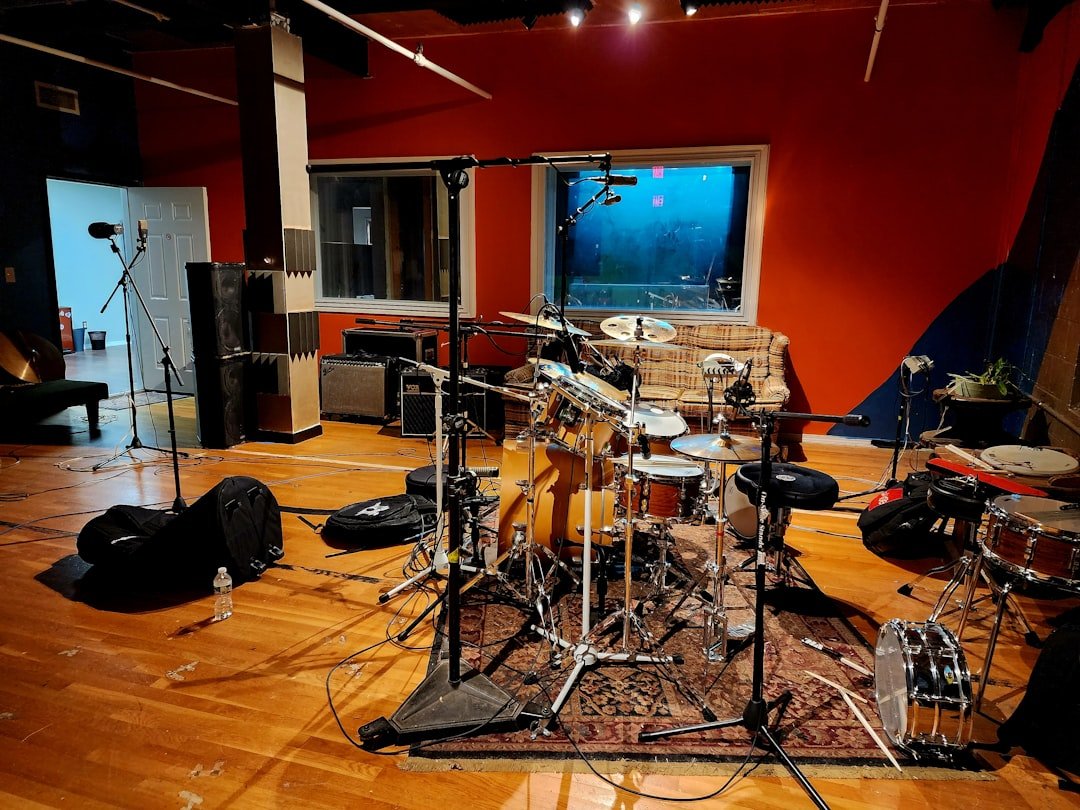
Muscle Shoals Sound Studios, located in the small town of Muscle Shoals, Alabama, has a storied history that dates back to its founding in 1969. The studio was established by a group of session musicians known as the Swampers, who had previously played together at FAME Studios, another iconic recording venue in the area. The Swampers—David Hood, Roger Hawkins, Jimmy Johnson, and Barry Beckett—sought to create a space that would allow them to produce music on their own terms, free from the constraints of the larger music industry.
Their vision was realized when they opened Muscle Shoals Sound Studios in a converted tobacco warehouse, which would soon become a beacon for artists seeking a distinctive sound. The studio quickly gained a reputation for its unique blend of rock, soul, and R&B, attracting a diverse array of musicians. The Swampers’ ability to seamlessly fuse different genres became a hallmark of the Muscle Shoals sound.
The studio’s first major hit came with the recording of “When a Man Loves a Woman” by Percy Sledge in 1966, which was produced at FAME but set the stage for what Muscle Shoals Sound would achieve. As word spread about the studio’s exceptional sound quality and the talent of its house band, it became a magnet for artists from all over the country. By the early 1970s, Muscle Shoals Sound Studios had solidified its place in music history as a creative hub where groundbreaking records were made.
Key Takeaways
- Muscle Shoals Sound Studios was founded in 1969 by a group of session musicians known as The Swampers, who had previously worked at FAME Studios.
- Legendary artists such as Aretha Franklin, Wilson Pickett, and The Rolling Stones recorded at Muscle Shoals, contributing to its reputation as a musical mecca.
- The unique sound of Muscle Shoals is characterized by its soulful, funky, and rhythmically-driven style, often referred to as the “Muscle Shoals Sound.”
- Muscle Shoals had a significant impact on music history, influencing the development of genres such as soul, R&B, and rock, and contributing to the integration of black and white musicians in the studio.
- After a period of decline, Muscle Shoals Sound Studios was revived in 2013 and continues to attract artists and visitors from around the world.
The Legendary Artists Who Recorded at Muscle Shoals
Over the years, Muscle Shoals Sound Studios has hosted an impressive roster of legendary artists who have left an indelible mark on the music industry. Among the most notable is Aretha Franklin, who recorded her iconic album “I Never Loved a Man (The Way I Love You)” at the studio in 1967. This album not only showcased Franklin’s extraordinary vocal talent but also highlighted the Swampers’ ability to craft arrangements that complemented her powerful voice.
The title track became one of her signature songs and is often regarded as one of the greatest recordings in music history. In addition to Franklin, other prominent artists such as The Rolling Stones, Lynyrd Skynyrd, and Paul Simon have also graced the studio’s hallowed halls. The Rolling Stones recorded “Wild Horses” and “Brown Sugar” during their sessions in 1970, capturing the raw energy and emotion that defined their sound.
Lynyrd Skynyrd’s “Sweet Home Alabama,” an anthem that celebrates Southern pride, was also born from the creative synergy found within Muscle Shoals Sound Studios. Paul Simon’s collaboration with the Swampers on “Kodachrome” further exemplifies how the studio became a melting pot for musical innovation.
The Unique Sound of Muscle Shoals

The unique sound of Muscle Shoals is often attributed to several key factors that set it apart from other recording studios of its time. One significant element is the exceptional talent of the Swampers themselves, whose musicianship and understanding of various genres allowed them to create a distinctive sonic palette. Their ability to blend elements of soul, rock, and R&B resulted in a sound that was both fresh and timeless.
The Swampers’ tight-knit chemistry and intuitive playing style contributed to an organic feel that resonated with listeners. Another defining characteristic of the Muscle Shoals sound is the studio’s acoustics and equipment. The original recording space was designed to enhance the natural qualities of instruments and vocals, allowing for a warm and rich sound that became synonymous with the studio’s recordings.
The use of vintage microphones and analog recording techniques further contributed to this unique sonic signature. This combination of skilled musicianship and superior recording technology created an atmosphere where artists could experiment and push creative boundaries, resulting in recordings that continue to influence musicians today.
The Impact of Muscle Shoals on Music History
| Impact of Muscle Shoals on Music History | |
|---|---|
| 1. Number of hit songs recorded at Muscle Shoals Sound Studio | Over 75 |
| 2. Artists who recorded at Muscle Shoals | Aretha Franklin, The Rolling Stones, Wilson Pickett, and many more |
| 3. Influence on music genres | Significant impact on soul, R&B, and rock music |
| 4. Contribution to music production techniques | Developed the “Muscle Shoals sound” characterized by rhythm and blues |
| 5. Recognition and awards | Induction into the Alabama Music Hall of Fame and the Grammy Hall of Fame |
The impact of Muscle Shoals Sound Studios on music history cannot be overstated. It played a pivotal role in shaping the sound of popular music during the late 1960s and 1970s, influencing countless artists and genres along the way. The studio’s contributions to soul music are particularly noteworthy; it helped define the genre’s sound during a time when it was gaining national prominence.
The recordings made at Muscle Shoals not only captured the essence of soul but also introduced elements of rock and pop that broadened its appeal. Moreover, Muscle Shoals served as a cultural bridge during a time of significant social change in America. The studio became a place where artists from different backgrounds could come together to create music that transcended racial and cultural barriers.
This collaborative spirit fostered an environment where creativity flourished, leading to groundbreaking recordings that reflected the complexities of American life. The legacy of Muscle Shoals continues to resonate today, as its influence can be heard in contemporary music across various genres.
The Revival of Muscle Shoals Sound Studios
After years of decline in the late 1980s and early 1990s, Muscle Shoals Sound Studios experienced a revival in the early 2000s. Recognizing its historical significance and cultural value, efforts were made to restore the studio to its former glory. In 2009, the studio was purchased by new owners who were committed to preserving its legacy while also adapting it for modern use.
They undertook extensive renovations to update the facilities while maintaining the original character that made it special. This revival not only restored the physical space but also reignited interest in the Muscle Shoals sound among contemporary artists. Musicians began flocking back to the studio, eager to capture its unique essence in their recordings.
The resurgence of interest culminated in projects like “Muscle Shoals,” a documentary released in 2013 that celebrated the studio’s rich history and its impact on music. This film introduced a new generation to the magic of Muscle Shoals Sound Studios and helped solidify its status as an essential part of American music history.
The Studio’s Influence on Modern Music
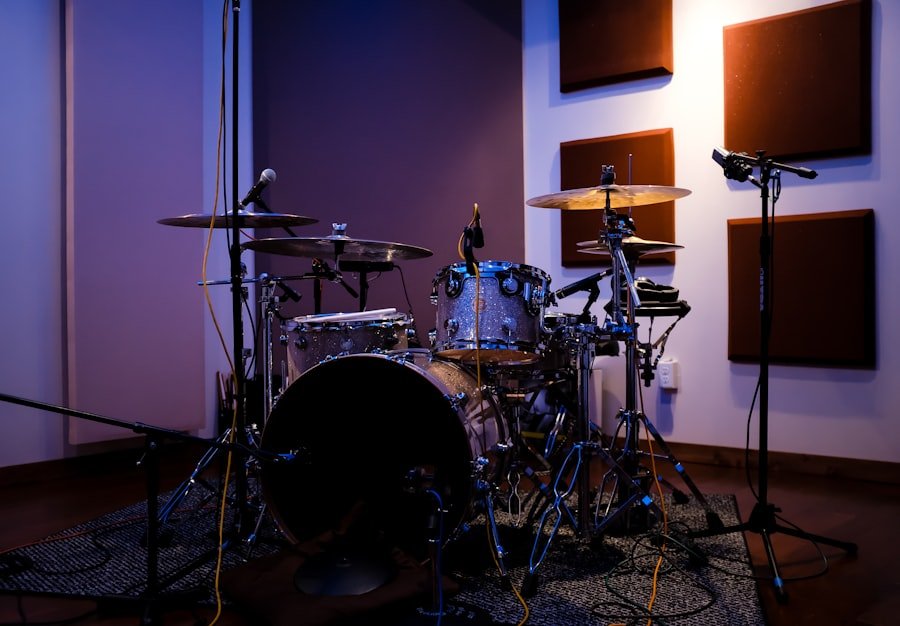
The influence of Muscle Shoals Sound Studios on modern music is evident across various genres, from rock and pop to hip-hop and country. Contemporary artists frequently cite the studio as an inspiration for their work, drawn by its rich history and distinctive sound. For instance, artists like Jason Isbell and Sturgill Simpson have embraced elements of the Muscle Shoals sound in their own recordings, paying homage to the legacy established by those who came before them.
Moreover, collaborations between modern musicians and veteran session players from Muscle Shoals have become increasingly common. These partnerships allow new artists to tap into the expertise and experience of those who helped shape the original sound while infusing it with contemporary sensibilities. This blending of old and new has resulted in innovative music that honors tradition while pushing creative boundaries, ensuring that the spirit of Muscle Shoals continues to thrive in today’s musical landscape.
The Preservation of Muscle Shoals Sound Studios
Preserving Muscle Shoals Sound Studios is not just about maintaining its physical structure; it involves safeguarding its cultural significance as well. Efforts have been made to document its history through oral histories, archival recordings, and educational programs aimed at teaching future generations about its impact on music.
In addition to preservation efforts, there has been a concerted push to ensure that Muscle Shoals remains relevant in today’s music scene.
By fostering an environment where creativity can flourish, these initiatives help keep the spirit of Muscle Shoals alive while ensuring that its contributions to music history are recognized and celebrated.
Visiting Muscle Shoals Sound Studios
For music enthusiasts and tourists alike, visiting Muscle Shoals Sound Studios offers a unique opportunity to connect with a pivotal piece of music history. Guided tours provide insight into the studio’s storied past while showcasing its iconic recording spaces filled with memorabilia from legendary sessions. Visitors can walk through rooms where classic albums were recorded and learn about the artists who shaped their sound.
In addition to tours, special events are often held at the studio, including live performances by contemporary artists who draw inspiration from its rich legacy. These events create an immersive experience for attendees, allowing them to witness firsthand how the spirit of collaboration and creativity continues to thrive within these walls. For anyone passionate about music, a visit to Muscle Shoals Sound Studios is not just a trip down memory lane; it is an exploration of how one small town became a cornerstone of American musical heritage.
If you’re planning a visit to the iconic Muscle Shoals Sound Studios, known for its rich history in the music industry, you might also be interested in reading about the legendary artists who have recorded there. One such artist is Ozzy Osbourne, whose influence on rock music is undeniable. For more on his legacy, you can read about his life and career in this article on Ozzy Osbourne. This piece provides a deeper understanding of the impact he had on the music world, much like the artists who have graced the studios of Muscle Shoals.
FAQs
What is Muscle Shoals Sound Studios?
Muscle Shoals Sound Studios is a historic recording studio located in Sheffield, Alabama. It was founded in 1969 by a group of session musicians known as The Swampers.
What is the significance of Muscle Shoals Sound Studios?
Muscle Shoals Sound Studios is known for its role in shaping the sound of American music. It has been the recording site for many famous artists and bands, including Aretha Franklin, The Rolling Stones, and Lynyrd Skynyrd.
Can visitors take a tour of Muscle Shoals Sound Studios?
Yes, Muscle Shoals Sound Studios offers guided tours for visitors. The tour provides a behind-the-scenes look at the studio’s history and its impact on the music industry.
What can visitors expect to see on the tour?
Visitors can expect to see the original recording equipment, instruments, and memorabilia from the studio’s heyday. They will also learn about the studio’s history and its influence on popular music.
How long does the tour of Muscle Shoals Sound Studios last?
The tour typically lasts around one hour, during which visitors will have the opportunity to explore the studio and learn about its storied past.
Is there a fee for the tour of Muscle Shoals Sound Studios?
Yes, there is a fee for the tour of Muscle Shoals Sound Studios. The cost of the tour may vary, so it is recommended to check the official website for current pricing and tour availability.