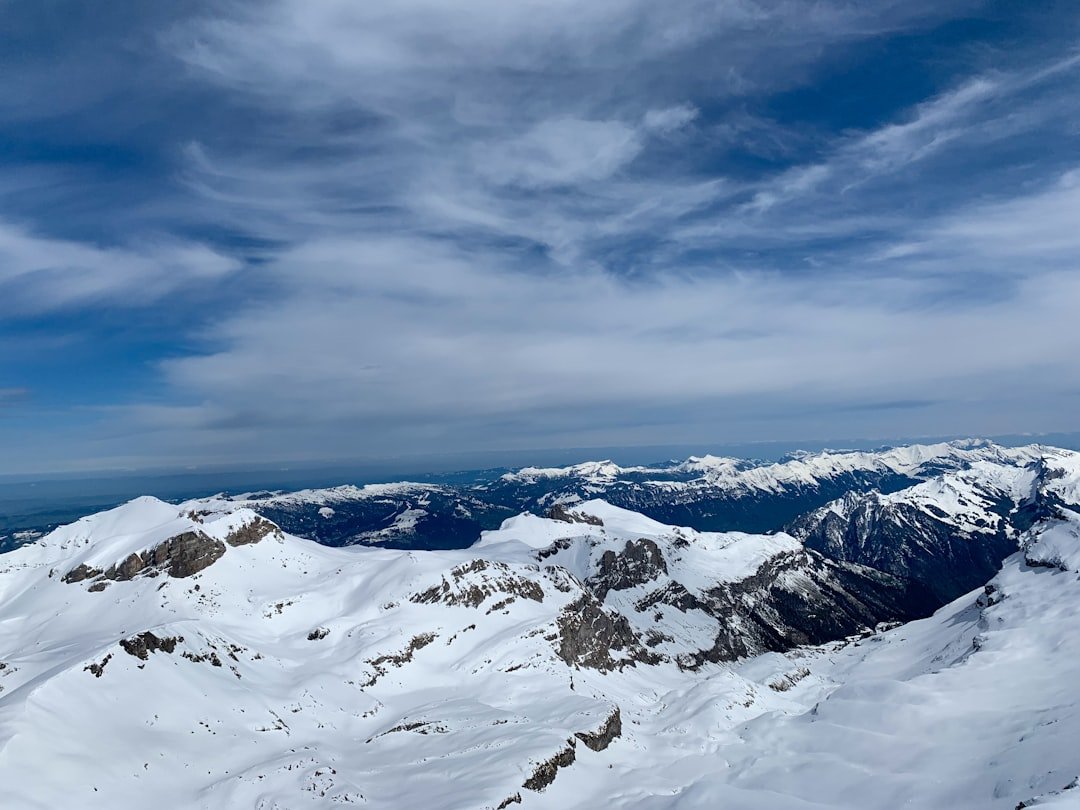
Nestled where the emerald waters of Lake Thun meet the River Aare, Thun serves as the picturesque northern gateway to Switzerland’s Bernese Oberland. Often bypassed by travelers rushing straight toward the Jungfrau region, this historic alpine town rewards those who linger with a pristine 12th-century castle, distinctive double-decker medieval streets, turquoise waterways, and sweeping views of the Eiger, Mönch, and Jungfrau peaks.
Quick Answer
The best things to do in Thun include touring the 12th-century Thun Castle (Schloss Thun), walking along the elevated historic walkways of Obere Hauptgasse, cruising Lake Thun aboard a BLS passenger ship or historic paddle steamer, viewing the 1814 Thun Panorama in Schadau Park, and watching river surfers on the historic wooden sluice bridges along the Aare River.
Key Takeaways
- Historic Old Town: Features Obere Hauptgasse, a unique street lined with raised pedestrian walkways situated on top of lower shop roofs.
- Thun Castle: Built around 1190 by the Dukes of Zähringen, offering panoramic views of the Bernese Alps from its corner turrets.
- Scenic Cruising: Regular BLS passenger boats connect Thun with Interlaken, stopping at lakeside fortresses like Spiez and Oberhofen.
- Thun Panorama: The world’s oldest surviving circular painting, housed in Schadau Park right along the lake.
- Transit Hub: Thun is just a 20-minute train ride from Bern, serving as an ideal launching pad for the Bernese Oberland.
Exploring Thun’s Historic Old Town and Obere Hauptgasse
Thun’s Old Town (Altstadt) sits on an island in the River Aare and the foot of the castle hill, offering a captivating blend of medieval heritage and lively modern commerce. Cobblestone streets lead visitors through architectural styles spanning from late medieval timber-framing to Gothic and Baroque facades. The focal point of civic life is the Rathausplatz (Town Hall Square), dominated by the 16th-century Town Hall and lined with vibrant cafe terraces.
The most famous street in Thun is the Obere Hauptgasse. This street features an extraordinary two-tier architectural design where pedestrian sidewalks (Hochtrottoirs) run along the flat roofs of the ground-floor shops. Walkers can browse boutique storefronts, artisanal confectioneries, and cozy wine bars on two separate levels, an urban layout rarely preserved to this degree anywhere else in Europe.
Throughout the week, and particularly during the Saturday morning markets on Rathausplatz and the Bälliz shopping island, local producers sell regional mountain cheeses, Bernese cured meats, fresh produce, and handmade Swiss crafts. The pedestrian-only zone makes exploring on foot safe, relaxing, and immersive.
Pro Tip: Visit Obere Hauptgasse in the late afternoon when the street-level cafes open their terrace tables. The raised stone terraces catch the late alpine sun while providing prime people-watching spots over the lower street.
Exploring Thun Castle and its Surrounding Gardens
Perched high on the Schlossberg hill overlooking the town, Thun Castle (Schloss Thun) is an unmistakable landmark visible from across the lake. Constructed around 1190 by Duke Berthold V of Zähringen as an administrative fortress, the castle’s massive donjon (keep) remains one of Switzerland’s finest surviving Romanesque defensive structures.
Inside, the five-story castle houses a comprehensive historical museum. The centerpiece is the soaring Knights’ Hall (Rittersaal), one of the best-preserved medieval banquet halls in Europe. Exhibits across the towers showcase 800 years of regional military history, Bernese ceramics, medieval armory, and tapestries. Climbing into the four corner watchtowers rewards visitors with unobstructed 360-degree views across the red-tiled roofs of the Old Town, Lake Thun, and the snowy summits of the Stockhorn, Niesen, and Jungfrau massif.
The terraced grounds and manicured gardens below the castle walls offer peaceful stone paths, heritage rose beds, and shaded benches looking out over the water. Access to the castle from the Old Town is via a series of scenic covered wooden staircases, including the historic Kirchtreppe.
Cruising on Lake Thun and Taking in Scenic Views
No trip to the region is complete without boarding a passenger ferry on Lake Thun (Thunersee). This deep blue, glacial lake extends roughly 17.5 kilometers from Thun to Interlaken West. Regular passenger boats operated by BLS Lake Cruises connect quaint lakeside villages, steep alpine cliffs, and fairy-tale shoreline castles.
A flagship highlight of the fleet is the historic steam paddle wheeler Blümlisalp, built in 1906 and restored to pristine Belle Époque elegance. As the boat glides past the shoreline, passengers can disembark to visit famous waterside monuments:
- Schloss Oberhofen: Known for its whimsical turret built directly over the lake water and romantic English gardens.
- Schloss Hünegg: A stately mansion showcasing authentic Art Nouveau and Renaissance revival interiors.
- Schloss Spiez: Set amid hillside vineyards in Spiez bay, accompanied by a 1,000-year-old Romanesque church.
- St. Beatus Caves: Dramatic limestone karst caverns featuring lighted underground walkways, roaring waterfalls, and lakeside grottos.
Note: Cruises on Lake Thun are 100% covered by the Swiss Travel Pass, allowing pass holders to hop on and hop off at any dock without purchasing supplemental tickets.
Visiting the Thun Panorama: A 360-Degree Historic Masterpiece
| Annual Visitors | Approximately 15,000–25,000 per season |
| Opening Season | March to November; Tuesday–Sunday 11:00 AM – 5:00 PM (Closed Mondays & Winter) |
| Admission Fee | Adults: CHF 9; Reduced/Students: CHF 8; Children under 16: Free (Free with Swiss Museum Pass / Swiss Travel Pass) |
| Visit Duration | 45–60 minutes |
| Location | Schadau Park, Seestrasse 45, 3600 Thun |
Located inside the scenic Schadau Park directly on the lakefront, the Thun Panorama houses an extraordinary cultural treasure: the world’s oldest surviving 360-degree cyclorama painting. Created between 1809 and 1814 by Basel artist Marquard Wocher, this monumental canvas measures roughly 38 meters long by 7.5 meters high.
Wocher sat on a rooftop in the center of Thun’s Old Town to sketch the scene. Rather than portraying dramatic military conquests—the standard subject for 19th-century cycloramas—Wocher captured daily Swiss village life. Viewers standing on the central viewing platform can inspect hundreds of individual historic figures: townspeople gossiping in alleys, butchers at work, children playing, and cows grazing against the backdrop of the Stockhorn and Blüemlisalp mountain chains. Audio guides and magnifying observation glasses allow visitors to pick out fine details across the painted streets.
Hiking and Biking in the Bernese Oberland
Thun is surrounded by some of the most accessible outdoor recreation in Switzerland. With both valley paths and high-alpine ridges accessible via local funiculars and gondolas, the area caters to casual day-trippers and experienced alpinists alike.
The most iconic summit hike near town climbs Mount Niesen (2,362 m), widely nicknamed the “Swiss Pyramid” due to its symmetrical triangular peak. Hikers can make the strenuous trek from Mülenen or take the historic Niesen Funicular Railway, which runs alongside the world’s longest staircase (11,674 steps, open to athletes once a year during the Niesen Stair Run). The summit platform offers a bird’s-eye panorama across both Lake Thun and Lake Brienz.
For a gentler route, the Lake Thun Panorama Trail winds along the northern heights of the lake. Highlights along this multi-stage hiking path include crossing the spectacular 340-meter-long Sigriswil Panoramic Suspension Bridge, suspended 182 meters above the Gummischlucht gorge. Cyclists can also rent e-bikes at Thun railway station and circle the lake along well-marked SwissCycling routes that weave through orchards, lakeside promenades, and alpine meadows.
Enjoying a Relaxing Afternoon along the Aare River
The crystal-clear, glacier-fed waters of the Aare River flow out of Lake Thun and divide around the central island of Bälliz before heading downstream toward the Swiss capital of Bern. The riverbanks are dotted with open-air cafes, sunbathing lawns, and wooden benches where visitors can watch boats navigate the waterways.
Connecting the riverbanks are two historic covered wooden lock bridges: the Mühleschleuse (Mill Lock) and the Scherzligschleuse. Dating back to the 18th century, these wooden bridges use manual rack-and-pinion gates to control the water level of Lake Thun. On sunny days from spring through autumn, local river surfers gather at the Scherzligschleuse to surf the standing wave generated by the rushing water below the gates—a favorite spectator attraction in the center of town.
Warning: The Aare River current is powerful, and water temperatures remain cool even in mid-summer. Swimming is only recommended for strong swimmers in designated public river bath areas (such as the Flussbad Schwäbis) with lifejackets or flotation aids.
Sampling Local Cuisine and Regional Bernese Specialties
Thun’s dining scene showcases traditional Swiss alpine gastronomy, relying on fresh dairy, mountain cheeses, and farm-to-table produce from the neighboring Emmental and Simmental valleys.
Visitors can sample regional specialties at traditional taverns along the Aare and in the Old Town:
- Bernese Rösti: Golden, crispy pan-fried shredded potatoes topped with melted Swiss cheese, bacon lardons, and a fried egg.
- Fondue and Raclette: Featuring sharp, aged alpine cheeses such as local Bernese Alpkäse AOC and Emmentaler.
- Thuner Kirschtorte: A delicate local pastry layered with sponge cake, buttercream, and Kirsch cherry schnapps.
- Lake Thun Whitefish (Felchen): Freshly caught and served pan-seared with herbs and butter at lakeside restaurants in Spiez and Schadau.
Taking a Day Trip to Interlaken and Nearby Alpine Wonders
Positioned right at the base of the Alps, Thun is an outstanding hub for regional excursions. The town’s mainline train station offers fast, frequent links across the Bernese Oberland and the canton of Bern:
- Interlaken (20–30 minutes by train, 2 hours by boat): The adventure capital of Switzerland, known for tandem paragliding, skydiving, and scenic transitions to Grindelwald, Lauterbrunnen, and the Jungfraujoch (“Top of Europe”).
- Bern (20 minutes by train): Switzerland’s federal capital and a UNESCO World Heritage site, famous for its 6 kilometers of sandstone shopping arcades, the authentic Zytglogge astronomical clock tower, and the Bear Park.
- The Niederhorn (approx. 40 minutes): Reached by funicular and cable car from Beatenbucht, offering chances to view wild alpine ibex and panoramic views stretching from the Jura mountains to the Mont Blanc massif.
- The Emmental Valley (approx. 45 minutes): A pastoral countryside of rolling hills, enormous timber farmhouses, and traditional cheese show-dairies in Affoltern im Emmental.
“Thun effortlessly bridges urban sophistication and wild alpine tranquility, offering all the drama of the high Alps without the tourist crowds of larger resort towns.”
Frequently Asked Questions
What are some popular day trips from Thun?
Popular day trips from Thun include Interlaken and the Lauterbrunnen Valley (the gateway to Jungfraujoch and the Schilthorn), the UNESCO-listed historic capital city of Bern, the summit of Mount Niesen, the St. Beatus Caves, and the rolling farm country of the Emmental cheese region.
How far are these day trip destinations from Thun?
By public transit, Bern is approximately 20 minutes away by direct train (30 km). Interlaken is roughly 20 to 30 minutes away by train or 2 hours via a scenic Lake Thun cruise (23 km). The base station for Mount Niesen at Mülenen is about 15 minutes away, and the Jungfraujoch transit hub at Lauterbrunnen or Grindelwald can be reached in approximately 1 hour.
What are the transportation options for day trips from Thun?
Thun is an integrated hub on the Swiss Federal Railways (SBB) network, with frequent high-speed and regional trains departing every 15 to 30 minutes toward Bern, Interlaken, and Zurich. In addition, BLS operates passenger boats across Lake Thun directly from the dock outside Thun train station, and local PostBus routes service surrounding mountain villages.
What are the main attractions at these day trip destinations?
Key highlights include Bern’s medieval Zytglogge clock tower, Parliament Building, and Bear Park; Interlaken’s adventure sports and mountain funiculars (Harder Kulm); the high-altitude ice palace and viewing terraces of Jungfraujoch; and Spiez Castle with its surrounding vineyards along the lake.
Are guided tours available for these day trips?
Yes. Thun-Thunersee Tourismus offers guided walking tours of Thun’s historic center and castle, while regional operators run organized bus, rail, and adventure excursions departing daily from Thun and Interlaken to destinations like the Jungfraujoch and the Schilthorn.
Sources
- Schloss Thun Official Site — Historical records, museum exhibition details, and opening schedules for Thun Castle.
- Thun Panorama / Kunstmuseum Thun — Historical documentation, dimensions, and visitor pricing for the Marquard Wocher cyclorama.
- BLS Lake Cruises (Schifffahrt Berner Oberland) — Timetables, fleet specifications, and route details for Lake Thun passenger ships.
- Switzerland Tourism (MySwitzerland) — Official regional destination guide and architectural notes for Thun and the Bernese Oberland.
- SBB Swiss Federal Railways — Transit travel times, regional route network maps, and Swiss Travel Pass validity information.