Venice can be expensive, but exploring the city does not have to be. Some of its most memorable experiences cost nothing: wandering quiet calli, standing on historic bridges, browsing the Rialto Market, exploring public squares, walking along the Zattere, and discovering neighborhoods such as Dorsoduro and Cannaregio. The key is knowing which experiences are genuinely free and which famous Venice attractions still require a ticket or transport fare.
Quick Answer
The best free things to do in Venice include wandering its historic streets, visiting St. Mark’s Square, crossing the Rialto and Accademia bridges, browsing the Rialto Market, exploring Dorsoduro and the Jewish Ghetto, walking the Zattere, and visiting selected churches. Vaporetti, gondolas, island transport, museums, and many landmark interiors are not free.
Key Takeaways
- Walking Venice’s streets, public squares, bridges, waterfronts, and many neighborhoods costs nothing.
- St. Mark’s Square is free to enter, but St. Mark’s Basilica, its Campanile, the Doge’s Palace, and other interiors generally require tickets.
- A vaporetto is public transportation, not a free gondola ride. ACTV currently charges for waterbus travel.
- Burano and Lido are free to explore once you arrive, but most visitors must pay for transportation to reach them.
- Venice’s 2026 Access Fee trial ended on July 26, 2026; under the current 2026 rules, no Access Fee applies after that date.
What Is Actually Free in Venice?
The simplest way to save money in Venice is to treat the city itself as the attraction. Public streets, campos, most bridges, waterfront promenades, and neighborhood walks are free. You can spend hours discovering canals, architecture, small squares, and local street life without buying an attraction ticket.
| Usually Free | Public squares, bridges, neighborhood walks, Zattere, Rialto Market browsing, Jewish Ghetto streets, and selected churches |
| Usually Paid | Gondola rides, vaporetti, major museums, Doge’s Palace, St. Mark’s Basilica tourist entry, bell towers, and many special exhibitions |
| Free After You Arrive | Walking Burano or Lido, although transportation to the islands normally costs money |
Note: Opening hours, admission rules, transport fares, and event arrangements can change. Check official information shortly before your visit, especially if a specific attraction is essential to your itinerary.
Wander Venice’s Streets, Canals, and Campos
Getting pleasantly lost remains one of the best free things to do in Venice. The historic center is a maze of narrow calli, small bridges, canals, hidden courtyards, and neighborhood squares. Instead of treating every wrong turn as a mistake, leave time to follow streets simply because they look interesting.
Away from the busiest route between the railway station, Rialto, and St. Mark’s Square, the atmosphere can change quickly. You may find a quiet canal, a small church façade, laundry hanging above an alley, a neighborhood bar serving locals, or a campo where children play while residents talk on benches.
Shops selling masks, glass, books, food, and crafts add color to the walk, but browsing the streets themselves costs nothing. If you stop for coffee, cicchetti, or souvenirs, those purchases are optional rather than part of the experience.
Pro Tip: Walk early in the morning or after the busiest day-trip hours. Venice feels very different when the main pedestrian routes are quieter.
Enjoy St. Mark’s Square Without Paying for the Square
Piazza San Marco is one of Venice’s essential public spaces, and walking through the square itself does not require an attraction ticket. You can admire the exterior of St. Mark’s Basilica, the Campanile, the arcades of the Procuratie, and the façade of the Doge’s Palace while watching daily life move through the square.
The important distinction is that the buildings around the square are not automatically free. Tourist entry to St. Mark’s Basilica is ticketed, as are the Campanile and several additional parts of the basilica complex. The Doge’s Palace is also a paid museum.
If your goal is a zero-cost visit, enjoy the architecture from the square, walk into the Piazzetta beside the lagoon, and continue along the waterfront toward Riva degli Schiavoni.
Warning: Do not confuse free access to Piazza San Marco with free admission to the attractions surrounding it. Also follow Venice’s public-space rules and avoid picnicking, feeding birds, or blocking pedestrian routes.
Explore the Rialto Market
The Rialto Market provides a glimpse of Venice as a living city rather than only a sightseeing destination. Browsing the market is free, although anything you buy is not.
According to the official Venezia Unica market listing, the Rialto fruit and vegetable market currently operates Monday through Saturday, while the fish market operates Tuesday through Saturday. Hours and closures can change, so check the official listing before making a special early-morning trip.
Arriving in the morning gives you the best chance to see fish, shellfish, fruit, vegetables, and other ingredients being prepared for the day’s trade. The experience is especially worthwhile for travelers interested in Venetian food culture.
You do not need to buy anything to enjoy the market. Walk slowly, avoid blocking vendors or customers, and remember that this is still a working marketplace rather than an open-air museum.
Ride the Grand Canal by Vaporetto — but Know That It Is Not Free
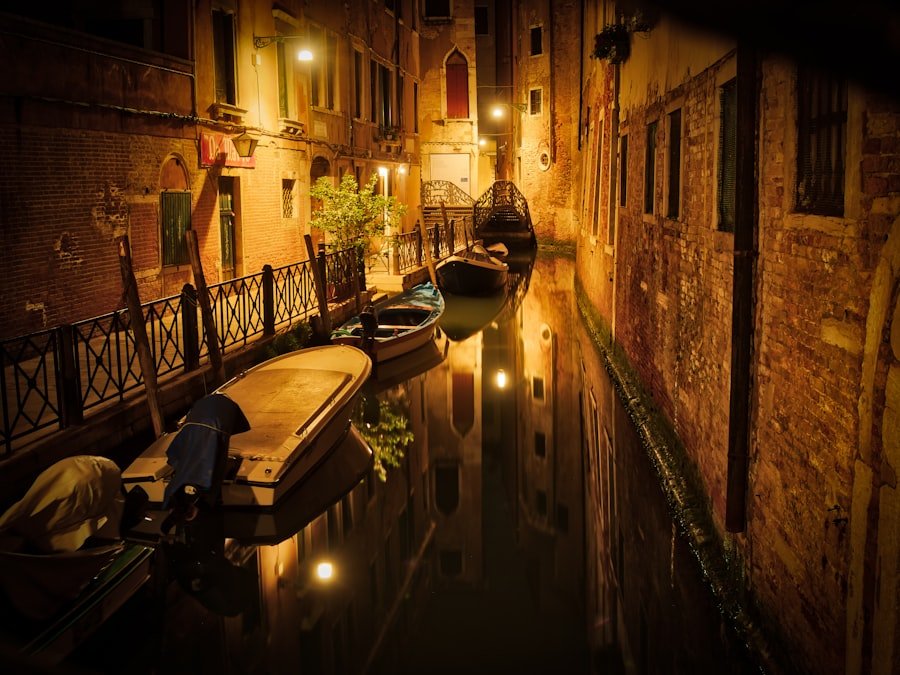
A vaporetto trip along the Grand Canal can be one of the best ways to see Venice from the water, but it should not be described as a free gondola ride. Vaporetti are public waterbuses operated as part of Venice’s transport network.
ACTV currently lists a standard 75-minute waterbus ticket at €9.50, with day and multi-day passes available for travelers taking several journeys. Check the official ACTV fare page for the latest prices before traveling.
The ride is still worthwhile if it fits your budget. From the Grand Canal you can see palaces, busy landing stages, water taxis, working boats, and gondolas from a perspective you cannot get on foot.
However, travelers looking for strictly free things to do in Venice should skip the waterbus and enjoy Grand Canal views from public bridges and waterfronts instead.
Visit the Colorful Island of Burano
| Main Attraction | Colorful houses, canals, and neighborhood streets |
| Cost to Walk Around | Free |
| Transport | Normally requires a paid waterbus ticket or transport pass |
| Traditional Craft | Lace making |
| Lace Museum | Ticketed attraction |
Burano is famous for rows of brightly painted houses reflected in narrow canals. Once you arrive, walking through the island’s public streets and admiring the colorful architecture costs nothing.
The island is also closely associated with lace making. You may see lace products in shops and sometimes artisans at work, although museum admission, demonstrations, or purchases should not be assumed to be free.
The main budget catch is transportation. Burano is separated from Venice by the lagoon, so most visitors reach it using paid public transport. If you already have a multi-day ACTV pass, adding Burano to a day of island travel can make better financial sense than buying transport specifically for one short visit.
Burano’s appeal is not limited to its most photographed streets. Walk beyond the busiest central paths to see quieter canals, small squares, local boats, and residential areas. Be respectful around homes and avoid blocking doors or bridges while taking photographs.
Discover the Hidden Gems of Dorsoduro
Discovering Authentic Venice
Dorsoduro combines major art institutions with quiet canals, university life, neighborhood squares, and long waterfront walks. You do not need a museum ticket to enjoy the district itself.
A simple free route can take you through Campo Santa Margherita, past San Barnaba, along canals toward Squero di San Trovaso, and eventually to the Zattere. This gives you a mix of everyday neighborhood life and classic Venetian scenery.
Artistic Heritage
The Peggy Guggenheim Collection is one of Dorsoduro’s best-known museums and occupies Peggy Guggenheim’s former home on the Grand Canal. It contains important twentieth-century art, but general museum admission is paid, so it should be treated as an optional add-on rather than one of Venice’s standard free attractions.
Budget travelers can instead appreciate the neighborhood’s architecture, exterior façades, small bridges, and views around the Accademia area without buying admission.
Charming Squares and Local Life
Campo Santa Margherita is one of Dorsoduro’s most active public spaces. Students, residents, families, and visitors move through the square throughout the day. Sitting at a café costs money, but walking through the campo and enjoying its atmosphere does not.
Dorsoduro is especially rewarding when you allow time for side streets rather than rushing directly between museums.
Take in the Views from the Rialto Bridge
The Rialto Bridge is one of Venice’s defining landmarks and one of its best free Grand Canal viewpoints. Crossing the bridge itself costs nothing.
From the bridge, you can watch vaporetti, water taxis, delivery boats, and gondolas moving through the Grand Canal. Early morning is especially appealing if you want a clearer view before pedestrian traffic becomes heavy.
The bridge also contains shops, but buying souvenirs is optional. If you want photographs, avoid stopping in a way that blocks the narrow pedestrian flow.
See Another Free Grand Canal View from Accademia Bridge
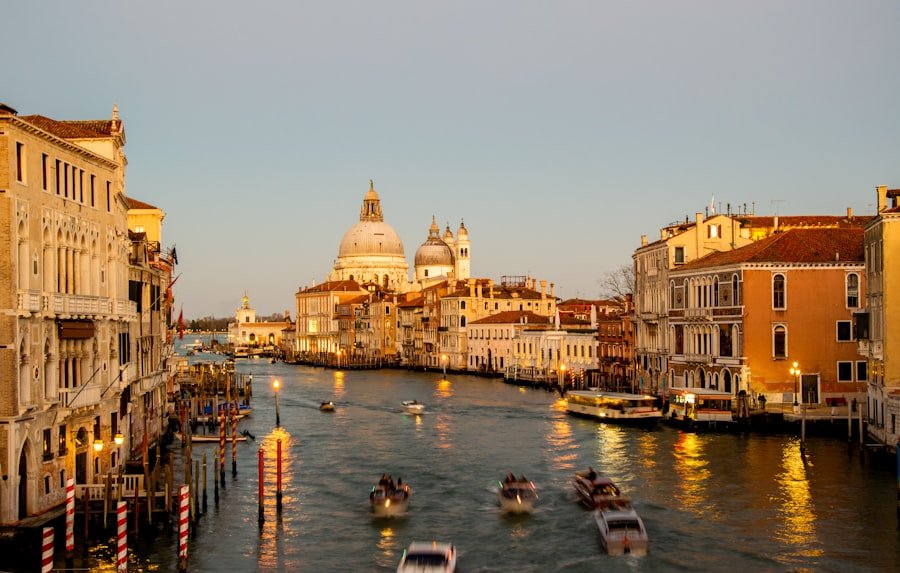
Rialto is not the only bridge with an excellent free view. Ponte dell’Accademia, between Dorsoduro and San Marco, gives you a broad view toward the lower Grand Canal and the dome of Santa Maria della Salute.
The bridge is especially attractive around early morning and late afternoon. Because it connects directly with Dorsoduro, it fits naturally into a free walking route that also includes Campo Santa Margherita, Zattere, and Punta della Dogana.
You do not need to purchase anything or enter a museum to enjoy the view.
Stroll Along the Zattere Waterfront
The Zattere is a long waterfront promenade on the southern edge of Dorsoduro. It provides open views across the Giudecca Canal and feels less enclosed than many of Venice’s narrow streets.
Walking the promenade is free. You can watch ferries and other boats pass, look across toward Giudecca, and continue toward Punta della Dogana and the area around Santa Maria della Salute.
Cafés and gelaterias line parts of the route, but stopping for food or drink is optional.
Warning: Do not ride a bicycle along the Zattere or elsewhere in Venice’s historic center. Venice municipal rules prohibit cycling in the historic center. Cycling is possible in places such as Lido, where different rules apply.
Watch the Sunset at Lido di Venezia
Lido di Venezia offers a different atmosphere from the dense historic center. The island has residential streets, beaches, trees, and wider roads, and cycling is possible there in areas where it is permitted.
If your goal is sunset, choose a lagoon-facing waterfront or another west-facing viewpoint rather than assuming the Adriatic beach will provide a sunset over the sea. The main sandy beaches face toward the Adriatic, where sunrise is the more natural over-water view.
Walking public areas of Lido is free once you arrive. However, transportation from central Venice is normally paid, and some beach concessions, facilities, loungers, and private areas also charge fees.
If you already hold a valid transport pass, Lido can be an attractive addition to a budget itinerary. If you are trying to spend absolutely nothing, a sunset walk from Zattere, Accademia Bridge, or another historic-center waterfront may be a better choice.
Explore the Historic Jewish Ghetto
Venice’s Jewish Ghetto is one of the city’s most historically significant neighborhoods. The Venetian Senate’s decree of March 29, 1516 confined Jewish residents to a designated area, establishing what is widely recognized as Europe’s first ghetto.
Walking through the public streets and squares of the Ghetto costs nothing. The area provides an opportunity to reflect on Jewish life in Venice, the community’s resilience, and the architecture created within a tightly restricted urban space.
Look carefully at the unusually tall buildings around Campo del Ghetto Nuovo. Limited space contributed to dense vertical development as the community grew.
Synagogue visits, museum experiences, guided visits, and other organized cultural activities may require tickets or reservations, so distinguish the free outdoor neighborhood walk from paid interpretation.
Because this is a living cultural and religious area rather than only a tourist attraction, visit respectfully and follow any local instructions around synagogues and commemorative spaces.
Take a Self-Guided Tour of Venice’s Churches
Venice contains an extraordinary concentration of historic churches, but admission rules differ from one building to another. A self-guided church walk can still be one of the city’s best low-cost activities if you check access before visiting.
Some churches in the Chorus network currently list free church access, while specific museums, sacristies, or internal spaces remain ticketed. St. Mark’s Basilica uses its own ticket system and should not be assumed to be free for ordinary tourist entry.
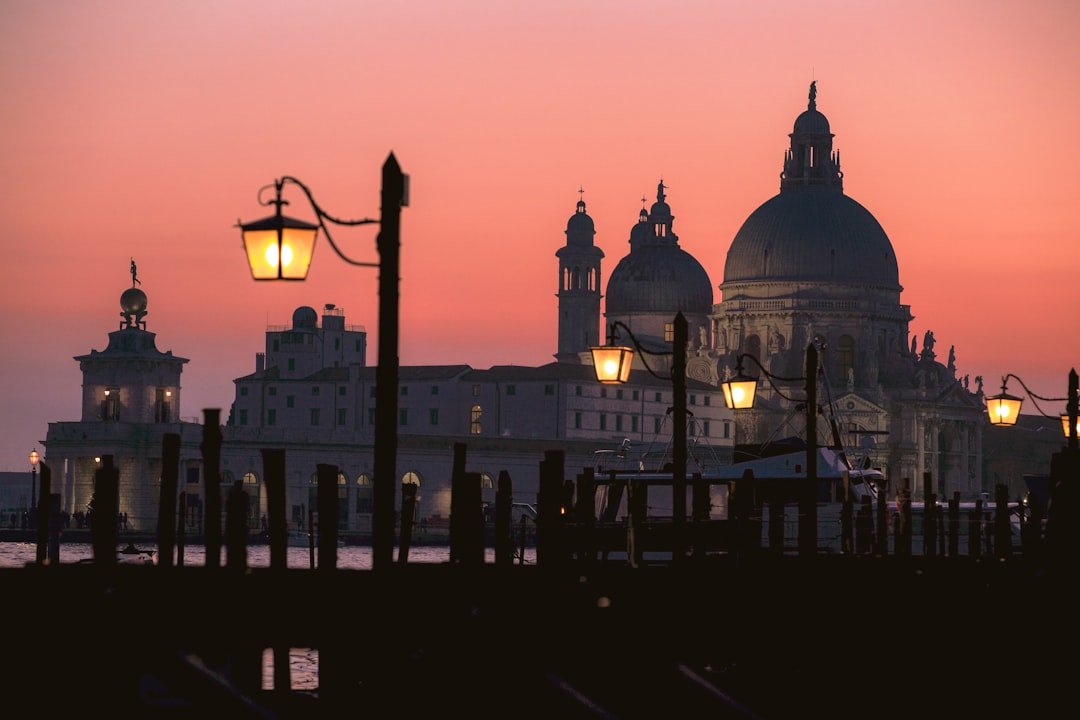
The Basilica di Santa Maria della Salute currently states that the basilica itself has no entrance ticket, while its dome, sacristy, and other special areas can require paid admission. Check the official Basilica della Salute information before visiting because schedules can change around worship and religious events.
When entering any church, dress respectfully, keep voices low, avoid disrupting services, and follow photography restrictions. A church’s primary purpose is worship, even when it also contains major works of art.
Choose a Self-Guided Walk Instead of Assuming a “Free Tour” Costs Nothing
If you want a guaranteed zero-cost walking tour, create your own route. Commercial tours advertised as “free walking tours” commonly operate on a tip-based model, so they should not automatically be described as completely free.
A simple self-guided route can begin at the Rialto Market, cross the Rialto Bridge, continue through San Marco, cross Accademia Bridge into Dorsoduro, follow the Zattere, and finish near Santa Maria della Salute. You can shorten or extend the route depending on your energy and how crowded the city is.
Another option is to explore Cannaregio, combining the Jewish Ghetto with quiet canals and residential streets away from Piazza San Marco.
Look for Free Public Events, but Check the Rules First
Venice hosts major annual celebrations, regattas, religious festivals, exhibitions, and cultural events. Some parts can be watched from public spaces without an admission ticket, while other components require paid tickets, reservations, accreditation, or access to controlled viewing areas.
For example, do not describe the Venice International Film Festival as generally free: public film screenings are ticketed. Likewise, large events such as the Festa del Redentore can use reserved or controlled viewing zones.
If an event is important to your trip, check that year’s official program instead of relying on an older claim that the entire festival is free.
Venice Access Fee: Current 2026 Status
Visitors planning a budget trip should also understand Venice’s Access Fee. The city’s 2026 experimental Access Fee operated on selected dates between April and July.
According to the official Venice Access Fee information, the 2026 application period ended on July 26, 2026. From July 27 onward, no Access Fee payment or exemption procedure applies under the remaining 2026 trial schedule.
This information is year-specific. Travelers visiting in a later year should check the official city website because Venice can adopt different dates, prices, or rules for future seasons.
The most rewarding free Venice itinerary is built around walking: neighborhoods, bridges, markets, public squares, churches with free access, and waterfront views can fill an entire day without buying a sightseeing ticket.
Sources
- ACTV — Vaporetto Tickets and Fares — current Venice public-waterbus pricing.
- Basilica di San Marco — Standard Ticket — Basilica and Campanile admission information.
- Venezia Unica — Venice Markets — Rialto produce and fish market schedules.
- Comune di Venezia — Access Fee FAQ — official 2026 Venice Access Fee status.
- Chorus Venezia — Visiting Information — church access and paid internal-space information.
- Basilica di Santa Maria della Salute — Visitor Terms — free Basilica entry and ticketed special areas.
Frequently Asked Questions
What are some free things to do in Venice?
You can wander Venice’s historic streets, visit Piazza San Marco, cross the Rialto and Accademia bridges, browse the Rialto Market, explore Dorsoduro and the Jewish Ghetto, walk along the Zattere, and enter selected churches that offer free access.
Are there any free museums or attractions in Venice?
Public spaces such as St. Mark’s Square, Rialto Bridge, Accademia Bridge, Rialto Market, and many neighborhood streets are free. Some churches also offer free church access, but major museums and many special church areas are ticketed. Always check the current admission rules before visiting.
Can I take a free walking tour in Venice?
A self-guided walking tour is genuinely free. Commercial tours advertised as free often use a tip-based model, so check the operator’s terms. For a zero-cost route, walk between Rialto, San Marco, Accademia Bridge, Dorsoduro, and Zattere on your own.
What are some free events or festivals in Venice?
Some public processions, celebrations, and regatta viewing opportunities can be enjoyed from public areas, but rules vary each year. Do not assume an entire event is free: film screenings, reserved seating, exhibitions, or controlled viewing zones may require tickets or reservations.
Are there any free outdoor activities in Venice?
Yes. Walking neighborhoods, crossing historic bridges, exploring public squares, browsing markets, strolling the Zattere, and watching canal traffic are free. A vaporetto or gondola ride is not free, and reaching islands such as Burano or Lido normally requires paid transportation.
Can I get a free gondola ride on the Grand Canal?
No standard gondola or vaporetto ride should be assumed to be free. ACTV charges for public waterbus travel, and private gondola rides are paid experiences. For a completely free Grand Canal view, use the Rialto or Accademia Bridge.
Is Burano free to visit?
Walking Burano’s public streets and canals is free once you are on the island. However, most visitors need a paid waterbus ticket or transport pass to reach Burano, and attractions such as the Lace Museum are ticketed.
Do visitors have to pay the Venice Access Fee in September 2026?
No under the current 2026 schedule. Venice’s 2026 Access Fee trial ended on July 26, 2026. From July 27 onward, no Access Fee payment or exemption procedure applies for the rest of the current 2026 trial period. Future years may have different rules.